Downtown / Central Business District
Best for
Museums, live music, riverfront dining, and walkable nightlife
 AdventriaLocalOpen App
Local Decision Guide
Trying to decide what to do in Augusta? Adventria helps you cut through the options and choose a good-enough plan without endless scrolling. From the quiet tree-lined avenues of Summerville and historic canal towpaths to the Broad Street nightlife corridor and cross-river energy at Riverside Village, Augusta presents distinct decisions depending on the season, heat index, and calendar. This guide delivers practical strategies to help you choose where to eat, explore, and relax without hitting dead ends.
The local decision problem
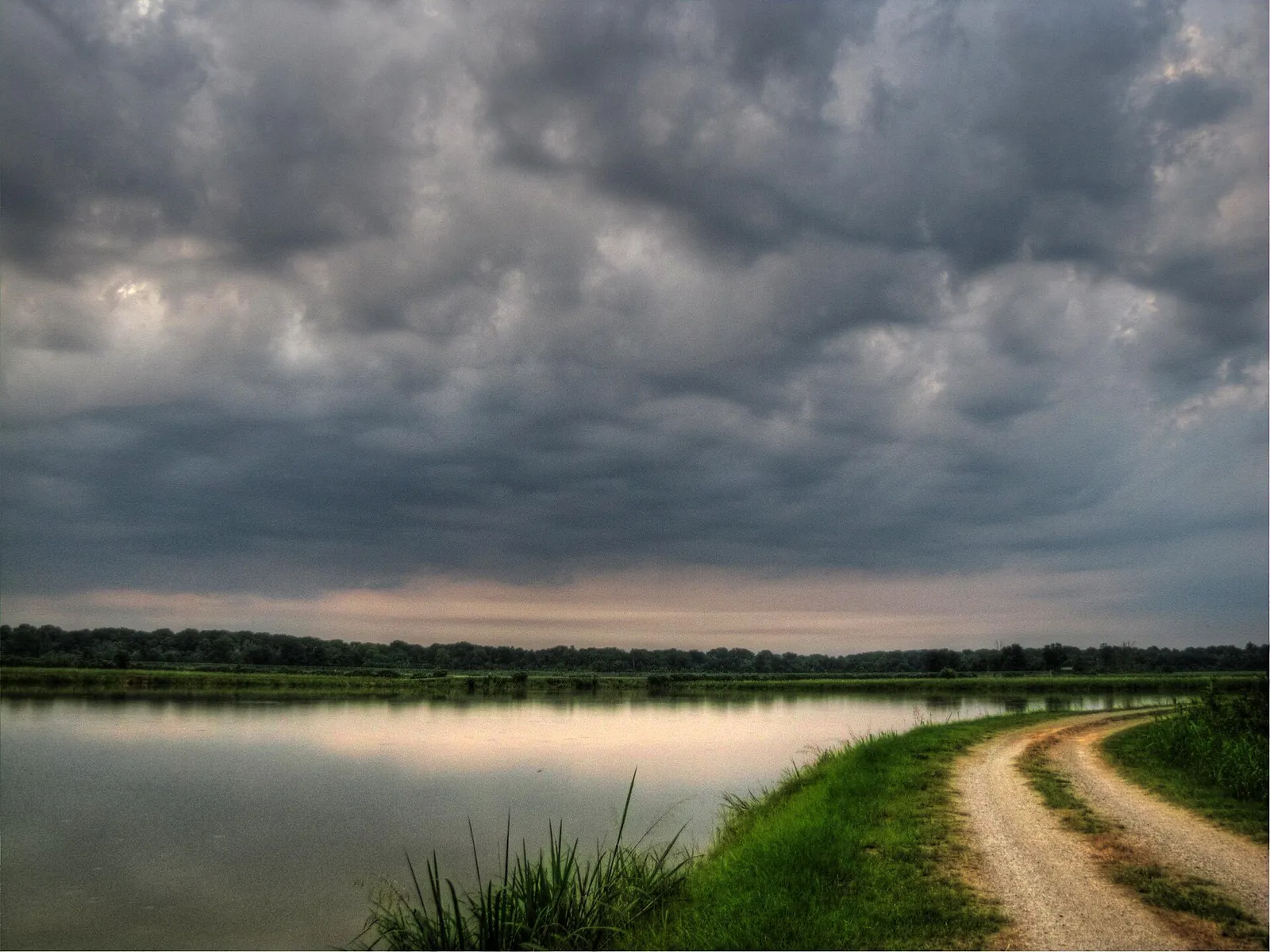
How to balance Augusta's rich riverfront history, outdoor canal activities, and vibrant dining scene against regional travel friction, extreme summer weather, and seasonal Masters week disruptions.
That is where Adventria comes in. Adventria helps narrow the options in Augusta around practical factors like location, distance, budget, vibe, who you are with, and the kind of experience you actually want, so research can turn into a decision.
Let Adventria narrow the optionsPick the right part of town
Different parts of Augusta work for different kinds of plans. Start with the experience you want, then narrow the map.
Best for
Museums, live music, riverfront dining, and walkable nightlife
Best for
Quiet historic strolls, Victorian architecture, and residential character
Best for
Fine dining, upscale boutique shopping, oak-canopy walks, and leafy stays
Best for
Industrial canal history, mill preservation, and direct towpath access
Best for
African American heritage, civil rights history, and cultural institutions
Best for
Shopping plazas, casual chain dining, golf proximity, and regional travel
This is a quick starting point. The full guide covers 7 local neighborhoods and districts in Augusta.
Eat & drink
When the decision is less about what to do and more about where to eat or grab a drink, start here. These local cues narrow the food and drink decision without turning dinner or a night out into another hour of comparison.
Head to Downtown Broad Street for flexible choices where walk-ins are easily accommodated. Grab casual wood-fired barbecue at 5th & Fire BBQ or eclectic tacos at Nacho Mama's. If you want craft beer with local food trucks, head down to Savannah River Brewing Co. For an upscale option across the river, cross the bridge to Riverside Village in North Augusta, where multi-level patio dining overlooks SRP Park.
Begin with lowcountry dishes and an raw bar selection at Abel Brown in Summerville's Surrey Center, or farm-to-table Southern fare at Frog Hollow Tavern on Broad Street. After dinner, walk off your meal along the illuminated 5th Street Pedestrian Bridge for elevated river views, then cap the night with craft cocktails at Craft & Vine or live soul vinyl sets at The Soul Bar.
Still comparing options? Adventria can narrow the choice around budget, distance, vibe, and who you are with.
Decide with AdventriaPlan by situation
Start with the kind of plan you are actually trying to make. These city-specific ideas narrow the choice around who you are with, what you want to spend, the weather, and the kind of outing you want.
For a day trip from Augusta, compare Beaufort and Macon. More options are listed in the trip section below.
Kick off Saturday morning at the Augusta Market at the River along 8th Street Plaza, where kids can play near the splash fountains while you grab breakfast from local trucks. Follow up with an afternoon minor league baseball game at SRP Park in Riverside Village, featuring an easily navigable concourse and family fun zones.
Rent a road or gravel bike to tackle the 11-mile unpaved Augusta Canal Towpath up to Savannah Rapids Pavilion, returning via the paved North Augusta Greeneway across the pedestrian bridge. Grab a quiet coffee and browse local regional gifts at Augusta & Co. on Broad Street, then enjoy free admission on Sundays at the Morris Museum of Art.
Book a group pedal-pub tour through Downtown Broad Street to hit multiple local taprooms, or set up camp at Savannah River Brewing Co., which offers sprawling indoor/outdoor seating, lawn games, and rotating food trucks. For evening entertainment, reserve a block of seats or a outfield party deck at SRP Park for a GreenJackets game.
For an outdoor plan from Augusta, compare trails, state parks, national parks within trip range, and scenic drives. Options in the current city guide include Wildwood Park and Mistletoe State Park.
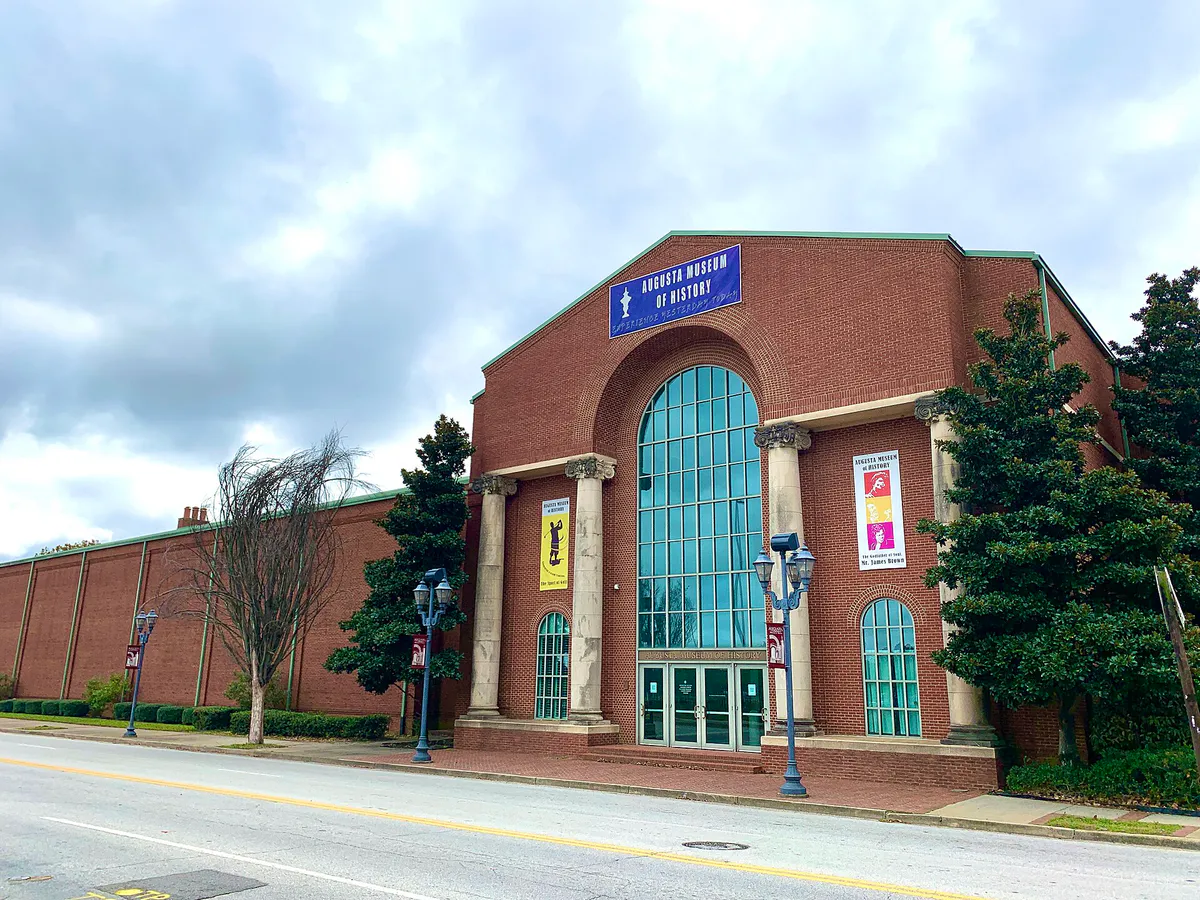
Spend the morning indoors exploring the James Brown and Masters exhibits at the Augusta Museum of History, followed by the Southern fine art collection at the Morris Museum of Art along the riverfront. In the afternoon, take a covered guided Petersburg boat tour at the Augusta Canal Discovery Center inside historic Enterprise Mill, or admire the soaring stained glass at the Sacred Heart Cultural Center.
Outdoors nearby
Use these nearby outdoor options when the plan calls for a trail, protected landscape, park, or drive instead of another indoor stop. Proximity here is geographic, not a promise about driving time.
Get out of town
When staying in town is not the answer, these nearby destinations give you a smaller starting set for a day trip, overnight escape, or weekend away.
Destination relationships are screened geographically. Straight-line proximity is not presented as road mileage or estimated travel time.
Local landmarks & attractions
These notable destinations offer a starting point when you want something specific to see, visit, or build into a day around Augusta. Distances are approximate from the city area.
museum in Augusta, Georgia, USA
canal in Augusta, Georgia, United States of America
museum in Augusta, Georgia, USA
theater and former movie theater in Augusta, Georgia, United States
sports arena in Augusta, Georgia, USA
place of recreation in Augusta, Georgia, United States
historic district in Augusta, Georgia, USA
Notable places are selected from structured public destination data and ranked for relevance, prominence, proximity, and variety.
Local decision signals
A useful local recommendation depends on how the city actually works. These conditions affect where to go, what to do, and whether a plan makes sense right now.
During the first full week of April, short-term rental prices spike by over 170%, local homeowners lease primary residences under the tax-free IRC 280A(g) Augusta Rule, and Washington Road experiences severe gridlock. Many local independent businesses alter operating hours.
Augusta sits on the Savannah River Fall Line between the Piedmont plateau and Coastal Plain. Rapid drops in elevation create historic water-power canals that now serve as major continuous outdoor trail corridors.
The Savannah River forms the South Carolina state line. Major local destinations—like SRP Park, Hammond's Ferry, and the paved Greeneway rail-trail—sit directly across the 5th Street Pedestrian Bridge in North Augusta, SC.
Between June and September, daily temperatures regularly top 90°F with heat indices exceeding 100°F. Midafternoon convective thunderstorms are common, pushing outdoor recreation to early morning or twilight hours.
From late February through April, intense releases of pine and oak pollen coat outdoor seating, vehicles, and walking paths in bright yellow powder, requiring daily venue washdowns and indoor shifts for sensitive visitors.
A concentrated clinical cluster around 15th Street housing Wellstar MCG Health and the VA Medical Center drives sharp traffic surges and garage crowding during shift changes at 7:00 AM, 3:00 PM, and 7:00 PM.
A substantial portion of Augusta's independent, chef-driven kitchens and historic downtown boutiques close on Sundays and Mondays, requiring careful calendar checking for dining plans.
Neighborhood context
Neighborhoods are not interchangeable. Each area offers a different balance of atmosphere, transportation, food, nightlife, activities, and planning friction.
Best for: Museums, live music, riverfront dining, and walkable nightlife
Anchored by Broad, Greene, and Reynolds Streets along the Savannah River. Features 19th-century commercial brick architecture, the Georgia Cyber Center, the Morris Museum of Art, and iconic music history venues.
Best for: Quiet historic strolls, Victorian architecture, and residential character
Located directly east of Downtown along wide, tree-median avenues. Listed on the National Register of Historic Places, it contains remarkably preserved Federal, Greek Revival, and Victorian residences within easy walking distance of the river.
Best for: Fine dining, upscale boutique shopping, oak-canopy walks, and leafy stays
An elevated historic residential neighborhood refuge west of Downtown, home to Augusta University's Summerville Campus, the historic Partridge Inn, and the commercial pocket of Surrey Center.
Best for: Industrial canal history, mill preservation, and direct towpath access
A 19th-century mill village flanking the Augusta Canal. Historic textile complexes like Sibley Mill and Enterprise Mill (housing the Augusta Canal Discovery Center) anchor this evolving historic neighborhood.
Best for: African American heritage, civil rights history, and cultural institutions
The historic heart of Black civic and cultural life in Augusta, located just south of Downtown. Holds the Lucy Craft Laney Museum of Black History, historic churches, Paine College, and ongoing historic housing renewals.
Best for: Shopping plazas, casual chain dining, golf proximity, and regional travel
A sprawling suburban commercial artery running northwest toward Columbia County. Serves as the primary entry point for Augusta National Golf Club, lined with hotels, retail plazas, and auto-centric dining.
Best for: Minor league baseball, riverfront dining, paved biking trails, and sunsets
Directly across the Savannah River bridges in South Carolina. Riverside Village surrounds SRP Park with modern apartments, craft beverage spots, and immediate access to the 7-mile paved North Augusta Greeneway.
Explore your options
Match your immediate plans to the urban district that best supports your itinerary.
The primary walkable district for arts, entertainment, dining, and nightlife along Broad, Greene, and Reynolds Streets.
An elevated, historic enclave offering fine neighborhood dining, oak canopy avenues, and boutique shopping.
Flanking Harrisburg, this area combines 19th-century industrial mill heritage with continuous outdoor recreation trails.
A riverfront mixed-use district directly across the state line, optimized for sports, modern dining, and greenways.
Practical local guidance
Keep these practical realities in mind when building your daily itinerary in Augusta.
A simpler way to decide
Follow this step-by-step route to experience Augusta's water-power heritage and riverfront beauty in a single seamless trip.
Park at Savannah Rapids Pavilion in Martinez before 9:00 AM to secure a spot. Take in the view of Reed Creek Falls and the historic canal headgates where water enters from the Savannah River.
Head south down the 11-mile Augusta Canal Towpath. Enjoy flat, shaded gravel terrain flanked by the river on one side and the canal on the other, watching for Great Blue Herons and turtles.
Stop in Harrisburg at historic Enterprise Mill. Tour the Augusta Canal Discovery Center to learn about 19th-century textile production and water power.
Continue down to the Augusta Riverwalk and pedal across the converted 5th Street Freedom Pedestrian Bridge into North Augusta, SC.
Grab lunch at a riverfront cafe or brewery in Riverside Village, overlooking SRP Park and the Savannah River.
Complete your loop by hopping onto the paved North Augusta Greeneway, riding through shaded hardwood canopy back toward your starting bridge connection.
Common local questions
These are common situations people face when trying to decide where to eat, what to do, where to get drinks, or how to spend their time in Augusta.
Augusta planning questions
Practical answers for people deciding where to eat, what to do, where to go, or how to make plans in Augusta.
Downtown Augusta features a compact, historic grid system along Broad, Greene, and Reynolds Streets that is very walkable. You can easily stroll between museums, restaurants, and the Riverwalk. However, reaching other key districts like Summerville, West Augusta, or Phinizy Swamp requires a car or ride-hail service.
For drivers, the 13th Street Bridge (GA-4) and Georgia Avenue Bridge offer fast connections. For pedestrians and bicyclists, the historic 5th Street Freedom Pedestrian Bridge provides a linear park trail link directly from Downtown Augusta to Riverside Village and SRP Park in South Carolina.
Many major institutions like the Morris Museum of Art are open on Sundays (with free admission at the Morris). However, many independently owned restaurants and downtown shops close on Sundays and Mondays. Always verify operating schedules before heading out.
Plan indoor cultural excursions between 12:00 PM and 5:00 PM. Top choices include the Augusta Museum of History, the Woodrow Wilson Boyhood Home, the Sacred Heart Cultural Center, or taking a climate-controlled Petersburg boat tour on the Augusta Canal.
Augusta Transit operates nine fixed bus routes radiating from the Downtown Transit Center, primarily serving core urban corridors on weekdays and limited Saturdays. Service does not run on Sundays. For flexible tourist or leisure travel across suburban zones, driving or ride-hailing is recommended.
Masters Week drastically increases hotel pricing, short-term rental rates, and traffic congestion along Washington Road (I-20 Exits 199/200). Dining reservations at prime restaurants require booking months in advance. Locals who stay in town generally stick to Downtown, Summerville, or Columbia County to avoid event corridors.
Free or low-cost street parking is available along Reynolds and Broad Streets. Parking garages serve the Riverwalk directly near the Augusta Convention Center and the Georgia Cyber Center campus at 13th Street.
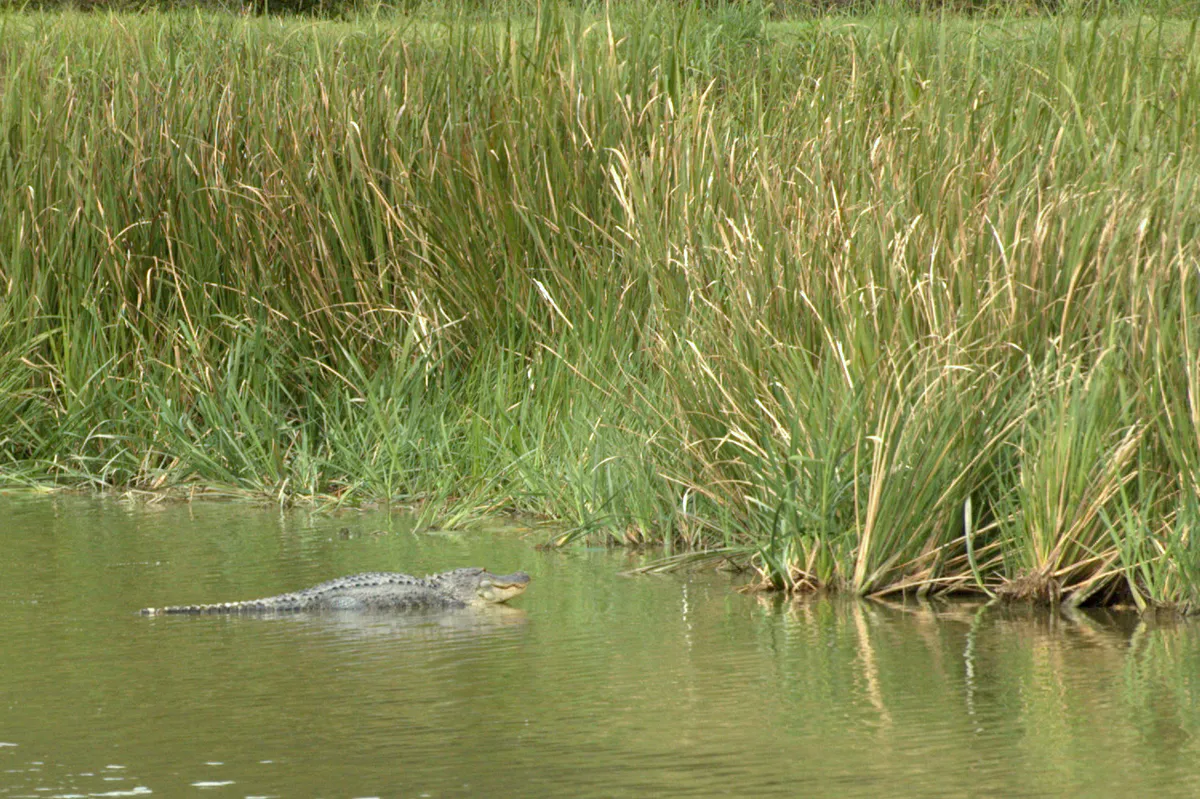
Phinizy Swamp Nature Park offers miles of wide wooden boardwalks over wetlands free from traffic. The North Augusta Greeneway provides over seven miles of paved, car-free multi-use trail, and the Augusta Canal Towpath offers flat dirt paths ideal for family bike rides.
Source transparency
Official and locally relevant sources used to verify the practical information presented in this Augusta decision guide.
Augusta decision engine
Tell Adventria what kind of experience you want, set your practical limits, and turn the options in Augusta into one workable plan.
Choose a Augusta Plan