Five Points South
Best for
Culinary heritage, historic architecture, and proximity to UAB.
 AdventriaLocalOpen App
Practical Local Decision Guide
Trying to decide what to do in Birmingham? Adventria helps you cut through the options and choose a good-enough plan without endless scrolling. From Red Mountain bottlenecks to open-container entertainment districts, this guide helps you navigate Birmingham's distinct culinary scenes, historic cultural hubs, and weather patterns without unnecessary travel friction.
The local decision problem
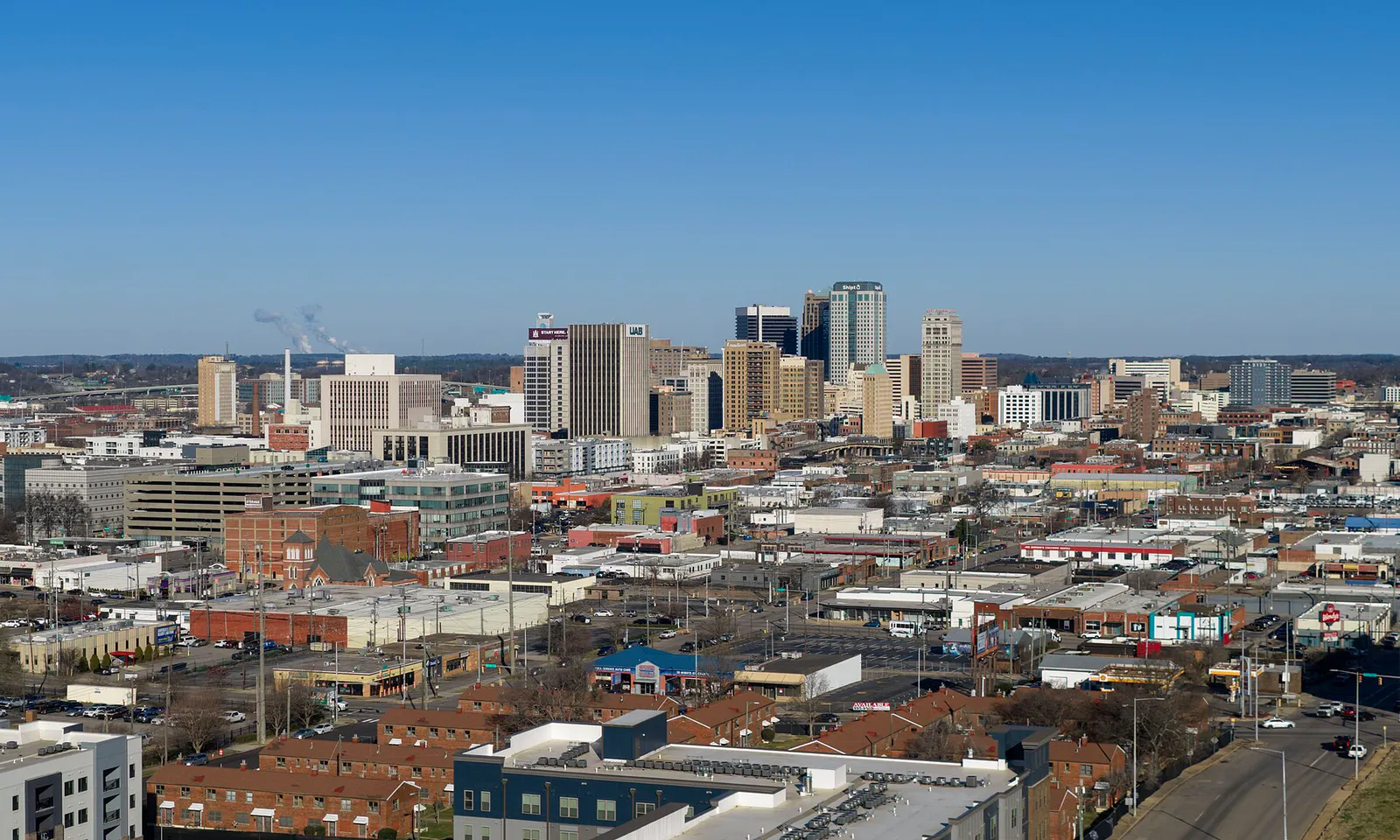
Navigating Birmingham's topography, distinct entertainment districts, and seasonal heat to find local dining, culture, and outdoor recreation.
That is where Adventria comes in. Adventria helps narrow the options in Birmingham around practical factors like location, distance, budget, vibe, who you are with, and the kind of experience you actually want, so research can turn into a decision.
Let Adventria narrow the optionsPick the right part of town
Different parts of Birmingham work for different kinds of plans. Start with the experience you want, then narrow the map.
Best for
Culinary heritage, historic architecture, and proximity to UAB.
Best for
Craft breweries, indie live music, and casual dining.
Best for
Saturday farmers markets, upscale dining, and high-energy nightlife.
Best for
Urban lofts, minor league baseball, theater venues, and greenways.
Best for
Historical monuments, major stadium events, and convention activities.
Best for
Walkable suburban shopping, family-friendly dining, and local barbecue.
This is a quick starting point. The full guide covers 7 local neighborhoods and districts in Birmingham.
Eat & drink
When the decision is less about what to do and more about where to eat or grab a drink, start here. These local cues narrow the food and drink decision without turning dinner or a night out into another hour of comparison.
Head to Saw's BBQ (locations in Homewood, Avondale, or Crestwood) for counter-service pulled pork, or try Trattoria Zaza downtown for fast-casual Roman pizza and pasta. Back Forty Beer Company near Sloss Furnaces also offers open seating and counter-service burgers with an expansive beer garden.
Start with craft cocktails along 2nd Avenue North at Paper Doll or House of Found Objects. Afterward, take a short rideshare to Avondale's 41st Street South corridor to catch a show at Saturn or grab an outdoor brew at Avondale Brewing Company.
Still comparing options? Adventria can narrow the choice around budget, distance, vibe, and who you are with.
Decide with AdventriaPlan by situation
Start with the kind of plan you are actually trying to make. These city-specific ideas narrow the choice around who you are with, what you want to spend, the weather, and the kind of outing you want.
Ride the glass elevator to the top of Vulcan Park for sweeping panoramic views of the downtown basin at sunset. Proceed to Southside for French bistro fare and outdoor boules (bocce) at Chez Fonfon, or enjoy fine dining at Automatic Seafood in Pepper Place.
Explore the Birmingham Museum of Art, which offers free daily admission and extensive collections spanning Asian, European, and American works. Follow it up with a free walk through the 67-acre Birmingham Botanical Gardens in Mountain Brook, or stroll the Rotary Trail along 1st Avenue South.
Take advantage of Birmingham's open-container laws in Avondale or Pepper Place. Start at Back Forty Brewing or Good People Brewing in Parkside, move freely through the 41st Street South corridor with drinks in approved plastic cups, and finish with a casual dinner at Pepper Place.
For an outdoor plan from Birmingham, compare trails, state parks, national parks within trip range, and scenic drives. Options in the current city guide include Oak Mountain State Park and Tannehill Ironworks Historical State Park.
Spend the morning exploring four floors of interactive exhibits and the aquarium at McWane Science Center. In the afternoon, run around the open-air play facilities at City Walk BHM or Railroad Park, then catch a Birmingham Barons game at Regions Field.
Avoid the afternoon heat index by touring the Barber Vintage Motorsport Museum, home to over 1,600 vintage motorcycles, or browsing the climate-controlled galleries at the Birmingham Museum of Art. Families can pivot to McWane Science Center's IMAX Dome Theater.
Spend hours browsing the oddities at Reed Books or What's On 2nd downtown, work from coffee spots like The Red Cat near Railroad Park or Filter Coffee Parlor in Five Points South, or visit Saturn in Avondale during the day for board games and coffee.
Outdoors nearby
Use these nearby outdoor options when the plan calls for a trail, protected landscape, park, or drive instead of another indoor stop. Proximity here is geographic, not a promise about driving time.
Get out of town
When staying in town is not the answer, these nearby destinations give you a smaller starting set for a day trip, overnight escape, or weekend away.
Destination relationships are screened geographically. Straight-line proximity is not presented as road mileage or estimated travel time.
Local landmarks & attractions
These notable destinations offer a starting point when you want something specific to see, visit, or build into a day around Birmingham. Distances are approximate from the city area.
zoo in Birmingham, Alabama
art museum in Birmingham, Alabama, USA
stadium in Birmingham, Alabama
theater in Birmingham, Alabama
amusement & water park
botanical garden in Birmingham, Alabama
museum and national historic landmark in Birmingham, Alabama
historic district in Birmingham, Alabama, USA
Notable places are selected from structured public destination data and ranked for relevance, prominence, proximity, and variety.
Local decision signals
A useful local recommendation depends on how the city actually works. These conditions affect where to go, what to do, and whether a plan makes sense right now.
Commuter traffic on the Red Mountain Expressway (US-31/280 cut) spikes heavily between 7:30 AM–9:00 AM and 4:30 PM–6:30 PM, creating major travel friction between downtown and Shades Valley.
Designated entertainment districts like Five Points South, Avondale, Pepper Place, and Uptown allow outdoor open containers in approved plastic cups during business hours.
July and August feature afternoon highs in the low 90s with high humidity and frequent thunderstorm pop-ups; outdoor physical activities are best planned before 10 AM or after 6 PM.
Many independent restaurants in the Historic City Center and Pepper Place are closed on Sundays and Mondays, shifting early-week dining toward Five Points South and Homewood.
The Birmingham Museum of Art offers free daily admission, making it a reliable indoor option during severe summer heatwaves or rainy weather.
Railroad Park, Regions Field, and the Rotary Trail create a seamless, walkable greenbelt connecting midtown to downtown's eastside venues.
MAX On-Demand (operated via Via) offers $1.50 corner-to-corner microtransit across downtown, Southside, Homewood, and airport zones.
Neighborhood context
Neighborhoods are not interchangeable. Each area offers a different balance of atmosphere, transportation, food, nightlife, activities, and planning friction.
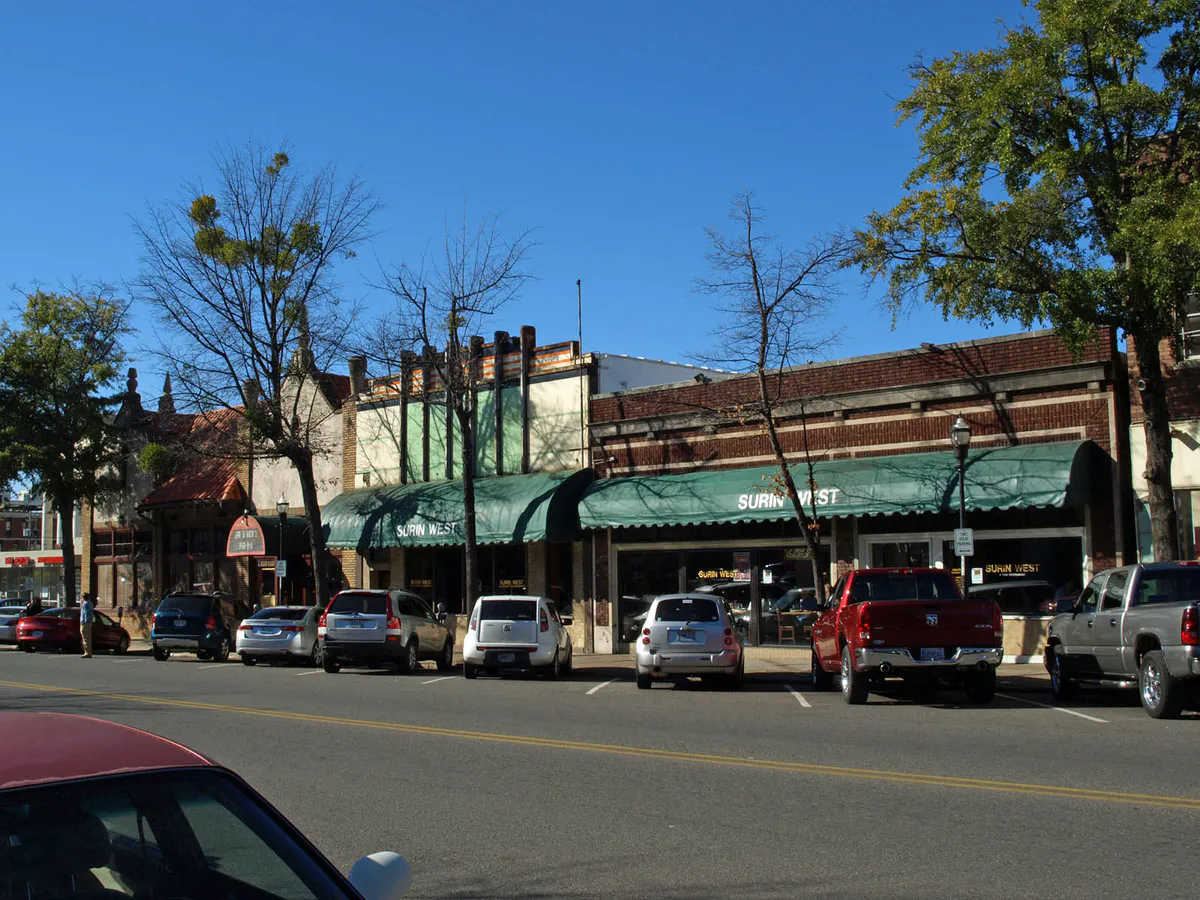
Best for: Culinary heritage, historic architecture, and proximity to UAB.
Historic mixed-use entertainment district anchored by 20th Street South, known for Frank Stitt bistros, turn-of-the-century churches, and university energy.
Best for: Craft breweries, indie live music, and casual dining.
Transformed industrial corridor centered along 41st Street South, featuring Avondale Brewing, Saturn, and local barbecue spots.
Best for: Saturday farmers markets, upscale dining, and high-energy nightlife.
Repurposed industrial cluster along 28th and 29th Streets South housing design studios, premier seafood, and a lively multi-venue evening strip.
Best for: Urban lofts, minor league baseball, theater venues, and greenways.
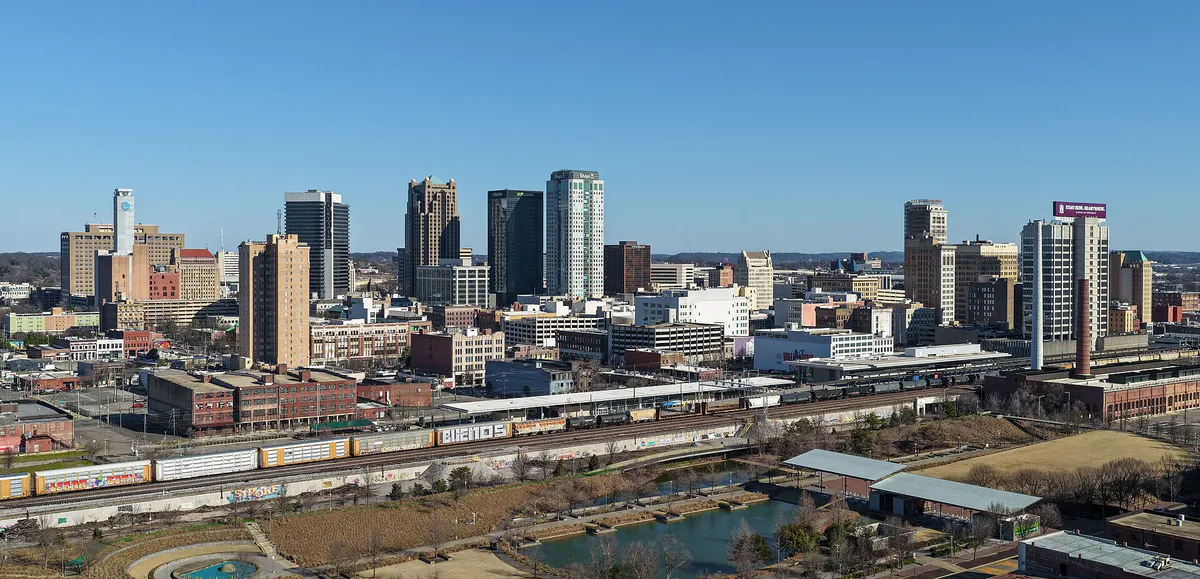
Encompasses Railroad Park, Regions Field, 2nd Avenue North's cocktail lounges, and restored performance spaces like the Alabama Theatre.
Best for: Historical monuments, major stadium events, and convention activities.
Anchor for the Birmingham Civil Rights Institute, 16th Street Baptist Church, Kelly Ingram Park, Protective Stadium, and City Walk BHM.
Best for: Walkable suburban shopping, family-friendly dining, and local barbecue.
Located directly south across Red Mountain, offering boutique shopping on 18th Street South, Samford University proximity, and classic local eateries.
Best for: Scenic historic parks, residential strolling, and neighborhood cafes.
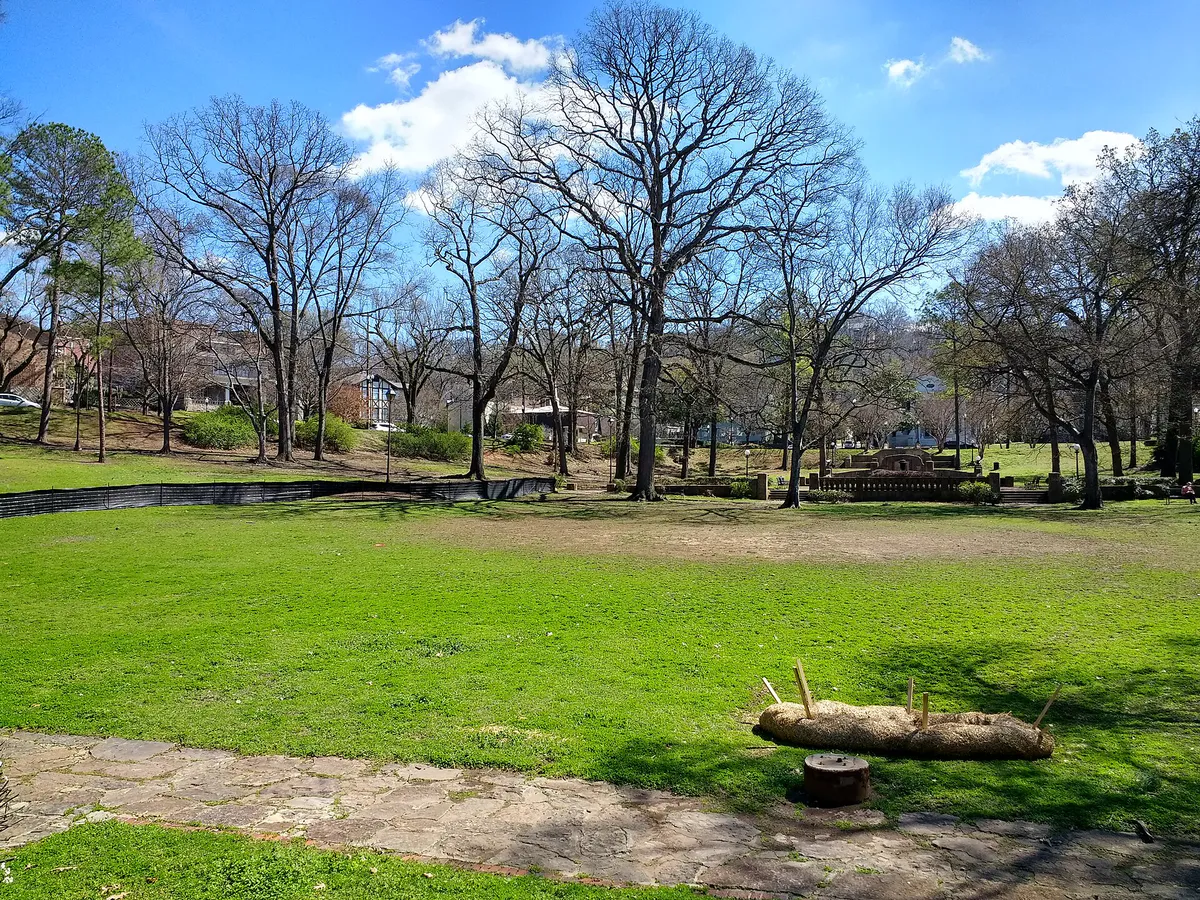
Leafy residential ridges featuring historic Tudor and Spanish Colonial architecture, Caldwell Park, and quiet commercial pockets near Clairmont Avenue.
Birmingham local guide
Birmingham's urban layout is fundamentally defined by its industrial geography within Jones Valley and the prominent natural boundary of Red Mountain. Downtown, Midtown, and the Historic City Center sit on a logical grid north of the ridge, while the southern suburbs—frequently called 'Over the Mountain'—occupy Shades Valley. Understanding this divide is essential for planning daily travel without getting caught in major traffic bottlenecks.
The primary arterial connecting downtown to the southern suburbs is the Red Mountain Expressway (US-31/280 cut). During morning (7:30 AM–9:00 AM) and late afternoon (4:30 PM–6:30 PM) commute hours, this mountain gap experiences heavy congestion. To minimize travel friction, plan activities on the same side of Red Mountain during peak transition windows, or utilize I-459 for outer suburban transit.
Explore your options
Choose your destination based on neighborhood atmosphere, open-container rules, and dining choices.
Historic, walkable district known for landmark fine dining, student energy, and turn-of-the-century architecture.
Laid-back, indie-focused neighborhood centered on craft beer, casual dining, and live music venues.
Repurposed industrial district featuring premier fine dining, design markets, and high-density nightlife.
Active urban green belt connected to 2nd Avenue North's craft cocktail bars and historic theaters.
Practical local guidance
Keep these operational facts in mind when structuring your day across the Magic City.
A simpler way to decide
Follow these steps to experience the best of Birmingham's food, history, and outdoors without getting stuck in traffic.
Arrive early to Pepper Place to browse local farm produce, artisan foods, and coffee before market crowds peak.
Head west to the Civil Rights District to spend two hours inside the Birmingham Civil Rights Institute and walk through Kelly Ingram Park.
Order hot chicken at Eugene's in Parkside or pulled pork at Saw's BBQ in Homewood before afternoon peak travel hours.
Beat the summer humidity inside the climate-controlled Birmingham Museum of Art or Barber Vintage Motorsport Museum.
Take the elevator up Red Mountain to Vulcan's observation deck for wide views of the downtown skyline as the sun sets.
Walk 41st Street South in Avondale for dinner, followed by craft beers at Avondale Brewing or board games and music at Saturn.
Common local questions
These are common situations people face when trying to decide where to eat, what to do, where to get drinks, or how to spend their time in Birmingham.
Birmingham planning questions
Practical answers for people deciding where to eat, what to do, where to go, or how to make plans in Birmingham.
Downtown Birmingham, Parkside, Five Points South, and Avondale feature localized grid systems that are very walkable. However, crossing between districts often requires a short rideshare, microtransit, or drive due to active railway corridors and highway bridges.
In designated Entertainment Districts—such as Five Points South, Avondale, Pepper Place, and Uptown—patrons can carry alcoholic beverages outdoors in approved plastic cups purchased from participating licensed businesses.
Fall (September through November) offers the best overall weather, with dry conditions, mild temperatures, and peak seasonal outdoor festivals like FOOD+Culture. Spring is also pleasant, though March and April carry severe weather risks.
Staying in Parkside or the Historic City Center near 2nd Avenue North places you within walking distance of Railroad Park, Regions Field, restaurants, cocktail bars, and the Birmingham Xpress BRT line.
Yes. Both the Birmingham Museum of Art in downtown and the Birmingham Botanical Gardens in Mountain Brook offer free daily admission and free parking.
Traffic bogs down heavily at the US-31/280 cut during morning (7:30 AM–9:00 AM) and afternoon (4:30 PM–6:30 PM) peak commute hours. Planning trips outside those windows keeps drive times across Red Mountain under 10 minutes.
Birmingham is famous for Southern barbecue served with white or red sauce (Saw's, Full Moon, Dreamland), traditional meat-and-three cafeteria dining (Niki's West), and award-winning French-Southern fine dining pioneered by Frank Stitt.
MAX Transit operates regional buses, the Birmingham Xpress (BX) Bus Rapid Transit line along a 10-mile east-west corridor, and MAX On-Demand (powered by Via) for $1.50 corner-to-corner rides within defined service zones.
Source transparency
Official and locally relevant sources used to verify the practical information presented in this Birmingham decision guide.
Birmingham decision engine
Tell Adventria what kind of experience you want, set your practical limits, and turn the options in Birmingham into one workable plan.
Choose a Birmingham Plan