Downtown (Central Business District)
Best for
Architectural landmarks, major sports, theaters, and free elevated transit
 AdventriaLocalOpen App
Detroit Local Decision Guide
Trying to decide what to do in Detroit? Adventria helps you cut through the options and choose a good-enough plan without endless scrolling. Detroit spans 138.7 square miles of distinct historic hubs, radial spoke avenues, and localized transit loops. Whether you are avoiding stadium surge traffic, deciding between free transit lines along Woodward Avenue, or seeking late-night dining without reservations, this guide breaks down real spatial tradeoffs and local friction points across Greater Detroit.
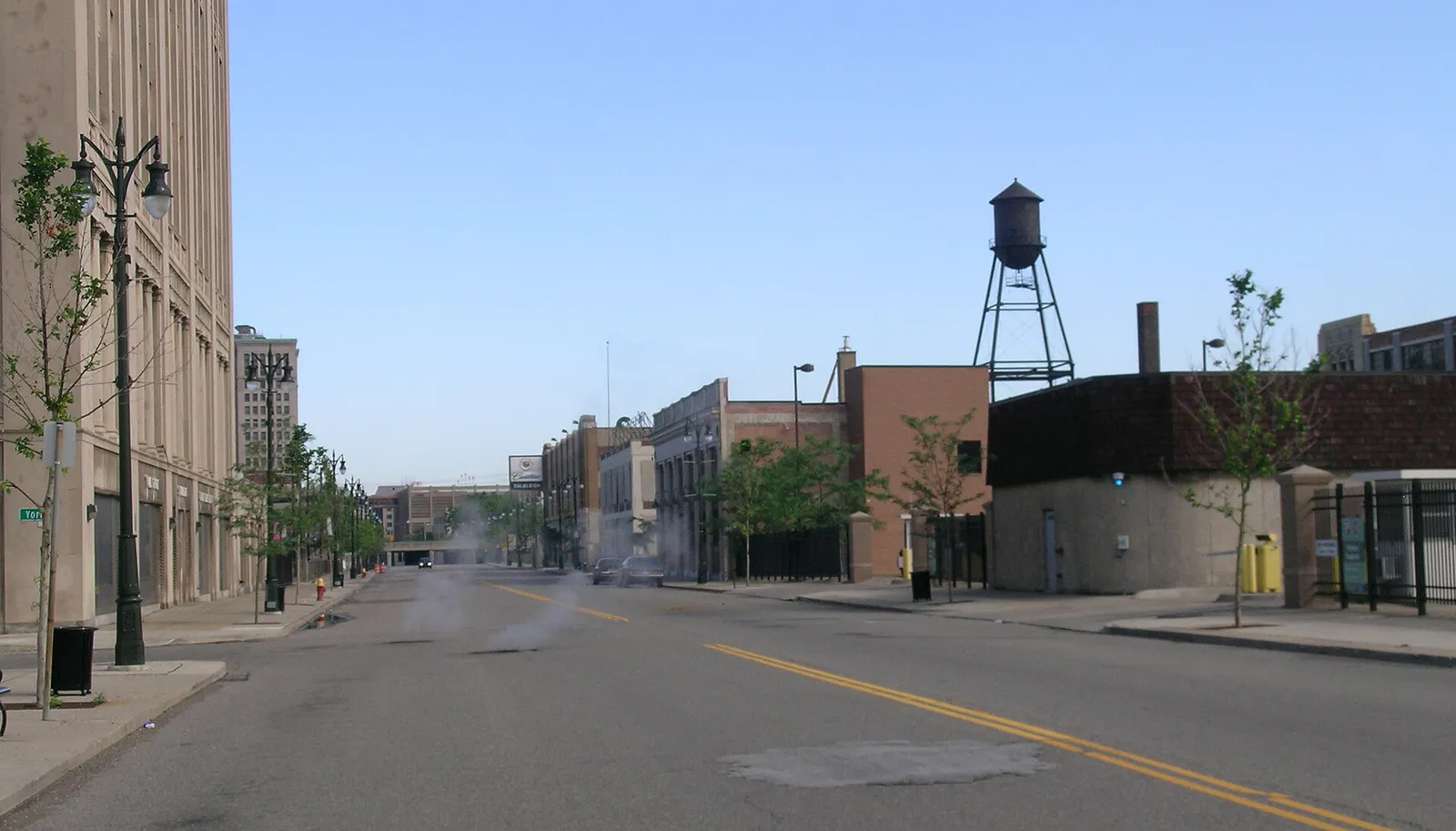
The local decision problem
Navigating spatial friction, stadium game-day surges, and distinct neighborhood enclaves across Detroit's 139-square-mile footprint to plan efficient, low-stress outings.
That is where Adventria comes in. Adventria helps narrow the options in Detroit around practical factors like location, distance, budget, vibe, who you are with, and the kind of experience you actually want, so research can turn into a decision.
Let Adventria narrow the optionsPick the right part of town
Different parts of Detroit work for different kinds of plans. Start with the experience you want, then narrow the map.
Best for
Architectural landmarks, major sports, theaters, and free elevated transit
Best for
Museums, historic mansion architecture, indie coffeehouses, and university life
Best for
Chef-driven dining, craft cocktail lounges, and historic Victorian streets
Best for
Saturday open-air markets, street art murals, meat purveyors, and craft breweries
Best for
Authentic Latin American bakeries, panaderias, taquerias, and community parks
Best for
Art Deco architecture, historic theater, and quiet civic stays
This is a quick starting point. The full guide covers 8 local neighborhoods and districts in Detroit.
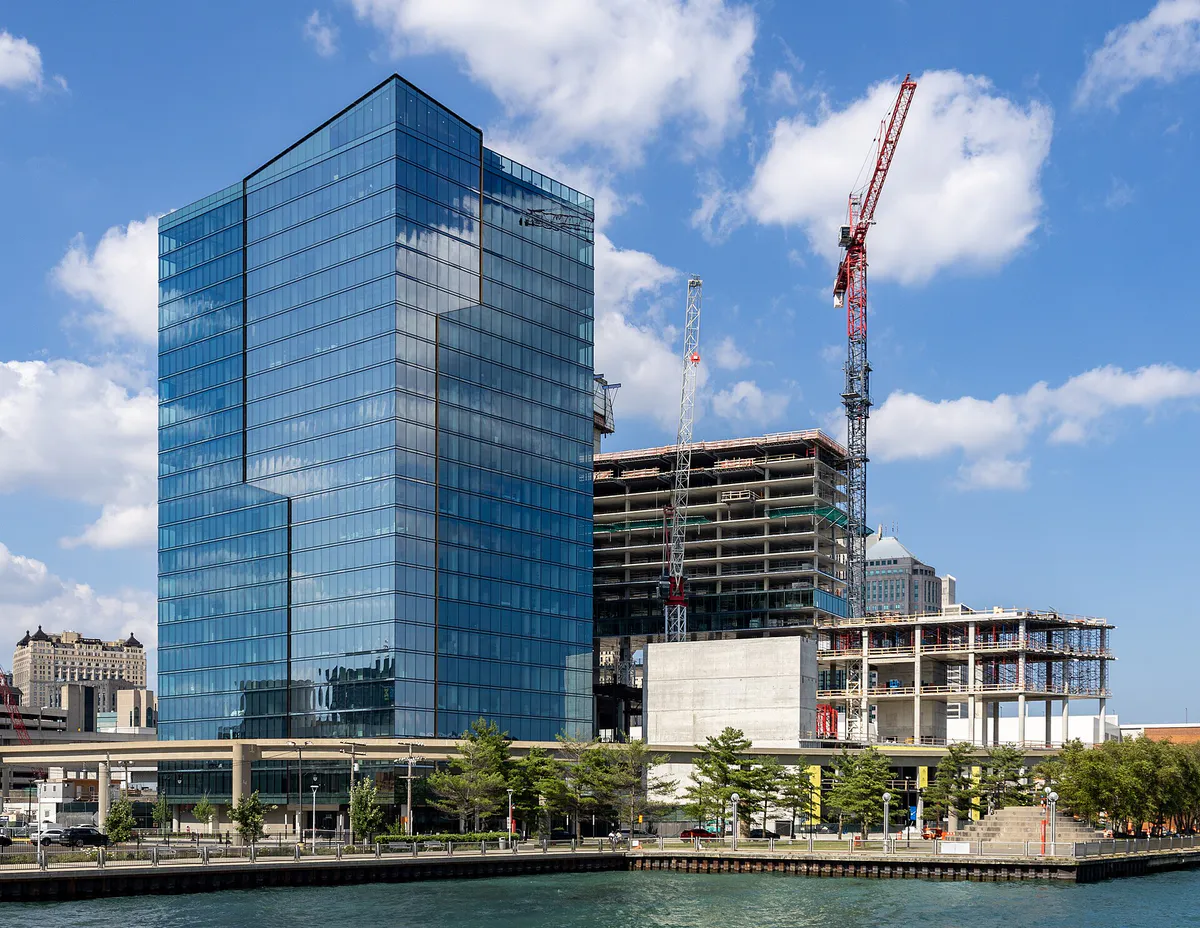
Eat & drink
When the decision is less about what to do and more about where to eat or grab a drink, start here. These local cues narrow the food and drink decision without turning dinner or a night out into another hour of comparison.
For places to eat in Detroit, start with Corktown & North Corktown or Hamtramck (Surrounding Enclave) depending on the kind of stop you want. Start with Corktown & North Corktown for chef-driven dining, craft cocktail lounges, and historic Victorian streets. Features Victorian worker cottages, independent dining, and the restored Michigan Central innovation hub. Hamtramck (Surrounding Enclave) works for dense international dining, Yemeni coffee houses, Polish bakeries, and indie music.
If there is no home game Downtown, head to Capitol Park or Corktown for chef-driven dining and craft cocktails. If stadium crowds are thick, avoid Woodward Avenue entirely and pivot to Mexicantown along West Vernor Highway for casual taquerias or Hamtramck for international dining.
Still comparing options? Adventria can narrow the choice around budget, distance, vibe, and who you are with.
Decide with AdventriaPlan by situation
Start with the kind of plan you are actually trying to make. These city-specific ideas narrow the choice around who you are with, what you want to spend, the weather, and the kind of outing you want.
Plan an evening in Brush Park or Midtown with dinner at a seasonal bistro, followed by a late-night cocktail in Corktown or a quiet nighttime walk through the public plazas of Campus Martius.
Head to Belle Isle Park for a free visit to the Belle Isle Aquarium and Nature Center, followed by interactive STEM exhibits at the Michigan Science Center in Midtown or a splash pad stroll on the Detroit International Riverwalk.
Escape cold rain or winter snow by exploring the vast indoor galleries of the DIA, taking a self-guided architectural tour inside the heated lobbies of the Fisher or Guardian Buildings, or riding the elevated People Mover loop indoors.
Utilize zero-fare transit (QLINE and People Mover), stroll the public greenways of the Riverwalk and Dequindre Cut, and take advantage of free admission at the Belle Isle Aquarium and regional tri-county free entry at the DIA.
Take a self-guided gallery walk through the Detroit Institute of Arts, spend a couple hours reading at an independent coffee shop in West Village, or hop on the zero-fare Detroit People Mover loop for elevated urban skyline photography.
Gather in Eastern Market for daytime shed shopping and brewery taproom hopping, organize a group food crawl through Greektown or Mexicantown, or book seats for a major-league sporting event in Foxtown.
For an outdoor plan from Detroit, compare trails, state parks, national parks within trip range, and scenic drives. Options in the current city guide include Tricentennial State Park And Harbor and River Bend Township Park.
Outdoors nearby
Use these nearby outdoor options when the plan calls for a trail, protected landscape, park, or drive instead of another indoor stop. Proximity here is geographic, not a promise about driving time.
Get out of town
When staying in town is not the answer, these nearby destinations give you a smaller starting set for a day trip, overnight escape, or weekend away.
Destination relationships are screened geographically. Straight-line proximity is not presented as road mileage or estimated travel time.
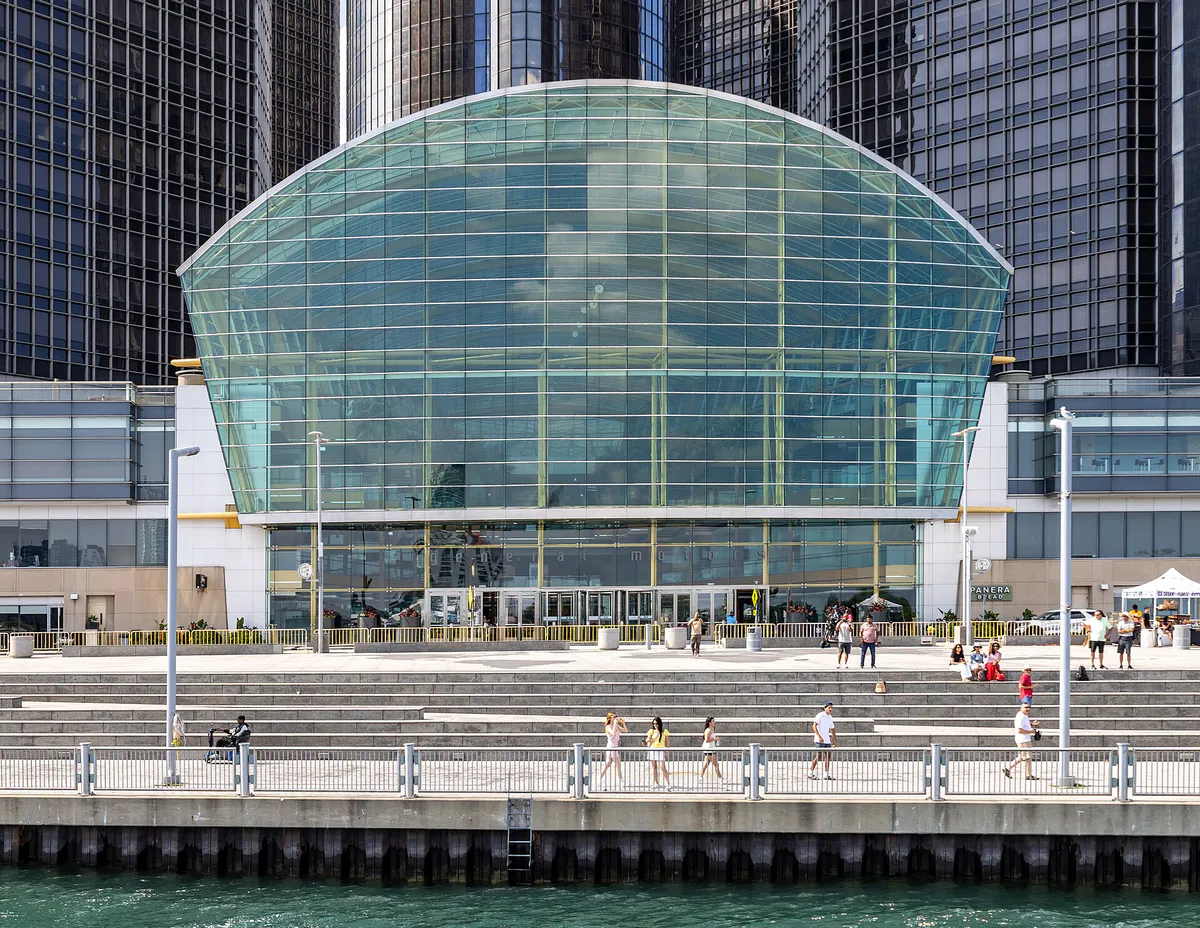
Local landmarks & attractions
These notable destinations offer a starting point when you want something specific to see, visit, or build into a day around Detroit. Distances are approximate from the city area.
art museum in Detroit, Michigan
Michigan park on an island
stadium in Detroit, Michigan
masonic building in Detroit, Michigan
Detroit, Michigan, opened 2007
award
zoo in Oakland County, Michigan, US
home venue of the Detroit Tigers
Notable places are selected from structured public destination data and ranked for relevance, prominence, proximity, and variety.
Local decision signals
A useful local recommendation depends on how the city actually works. These conditions affect where to go, what to do, and whether a plan makes sense right now.
Game days at Ford Field, Comerica Park, or Little Caesars Arena double parking costs ($20–$50) and gridlock Woodward Ave, M-10, and I-75. Shift non-event plans to Corktown, Southwest Detroit, or New Center.
Woodward Avenue (M-1) acts as the central East/West divider. Major radial avenues (Michigan, Grand River, Gratiot, Jefferson) originate Downtown and branch out like spokes.
The QLINE streetcar (Woodward corridor, 3.3 miles) and the Detroit People Mover elevated rail loop operate 100% free with no tickets or passes required.
The Detroit Institute of Arts (DIA) offers free general admission to residents of Wayne, Oakland, and Macomb counties thanks to a regional cultural millage.
Detroit sits directly north of Windsor, Ontario across the Detroit River. Tunnel and bridge crossings introduce border inspection queues and require passports or NEXUS.
The primary open-air market runs Saturdays from 6 AM to 4 PM. Weekday shed visits are quiet industrial strolls, though surrounding brick-and-mortar storefronts remain active.
Sub-freezing temperatures paired with river winds lower perceived temperature along the Detroit International Riverwalk and Belle Isle by 10–15°F compared to inland blocks.
Neighborhood context
Neighborhoods are not interchangeable. Each area offers a different balance of atmosphere, transportation, food, nightlife, activities, and planning friction.
Best for: Architectural landmarks, major sports, theaters, and free elevated transit
The historic epicenter anchored by Campus Martius, Capitol Park, and Greektown. Highly walkable with direct access to the People Mover and QLINE, but prone to steep game-day parking surges.
Best for: Museums, historic mansion architecture, indie coffeehouses, and university life
Positioned directly north of Downtown along Woodward Avenue. Anchored by Wayne State University and the Cultural Center (DIA, Wright Museum), combining historic homes with dense modern infill.
Best for: Chef-driven dining, craft cocktail lounges, and historic Victorian streets
Detroit's oldest surviving residential neighborhood west of Downtown along Michigan Avenue. Features Victorian worker cottages, independent dining, and the restored Michigan Central innovation hub.
Best for: Saturday open-air markets, street art murals, meat purveyors, and craft breweries
A six-shed food district operating since 1891. Surrounded by wholesale purveyors, mural-filled alleys along the Dequindre Cut, and weekend daytime gathering spots.
Best for: Authentic Latin American bakeries, panaderias, taquerias, and community parks
Anchored by West Vernor Highway and Clark Park. A vibrant Latinx cultural hub known for family-run dining, fresh tortillas, and pan dulce, requiring car or bus transit.
Best for: Art Deco architecture, historic theater, and quiet civic stays
Located north of Midtown along Woodward at Grand Boulevard. Home to Albert Kahn’s Fisher Building, Cadillac Place, and Henry Ford Hospital, served by the northern end of the QLINE.
Best for: Quiet residential strolls, early-20th-century mansions, and neighborhood bakeries
Historic eastern neighborhoods blending tree-lined residential streets with walkable neighborhood hubs along Agnes Street, ideal for coffee and relaxed weekend mornings.
Best for: Dense international dining, Yemeni coffee houses, Polish bakeries, and indie music
An autonomous municipal enclave completely surrounded by Detroit geography. Celebrated for high walkability, dive bars, and rich Yemeni, Bangladeshi, and Polish culture.
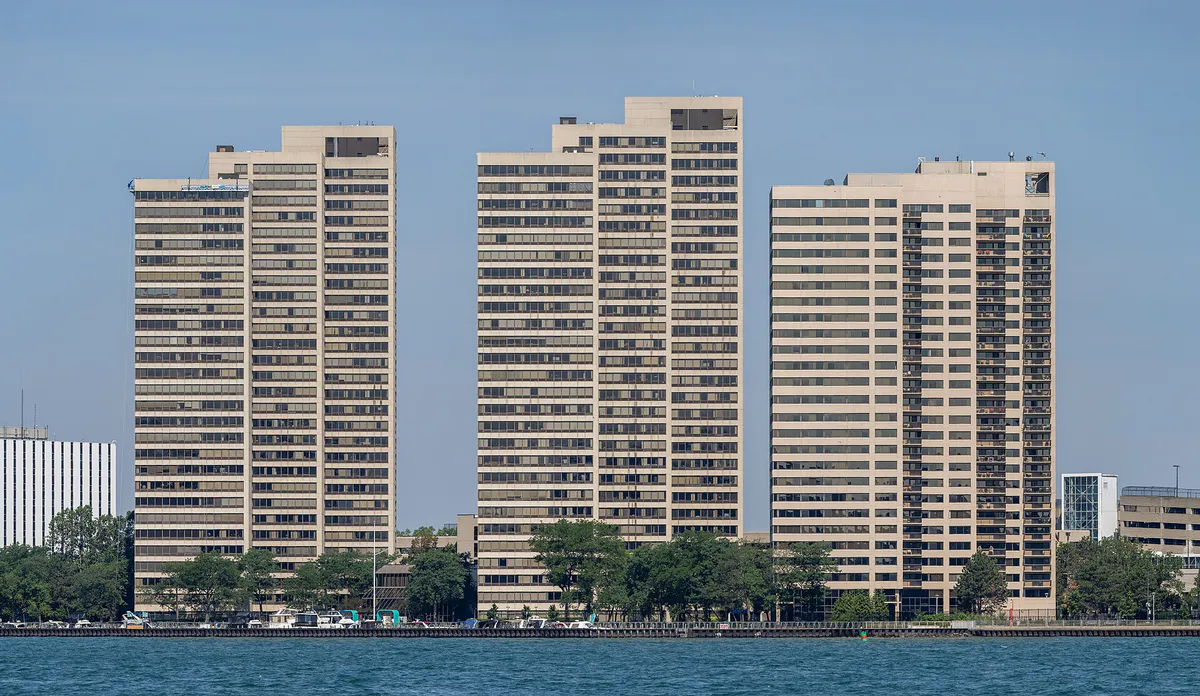
Detroit local guide
Detroit’s 138.7-square-mile layout follows an 1805 radial spoke plan branching outward from Campus Martius along major avenues—Woodward, Michigan, Grand River, Gratiot, and Jefferson. While outer neighborhoods adhere to a rectangular grid bounded by East-West Mile Roads, navigation between non-adjacent hubs (such as Mexicantown to the Avenue of Fashion) relies heavily on highway links like I-75, I-94, and M-10.
For travelers staying along the central Woodward corridor, transit is surprisingly frictionless. The zero-fare QLINE streetcar runs 3.3 miles between Downtown, Midtown, and New Center, while the elevated Detroit People Mover circles Downtown's central business district for free. Combining these two transit loops allows car-free exploration of major museum complexes, theater districts, and hotel corridors without paying event-day parking rates.
Explore your options
Match your daily plans and mobility needs to the unique layout of Detroit's key commercial and cultural districts.
Ideal for first-time visitors, sports fans, and theatergoers seeking high walkability and immediate access to transit.
Perfect for museum lovers, university energy, indie coffee shops, and historic residential streetscapes.
Best for food-focused itineraries, historic architecture, craft cocktail bars, and authentic Latinx dining.
Practical local guidance
Avoid generic regional recommendations by navigating Detroit's signature food traditions like a true resident.
A simpler way to decide
When major-league sports teams play home games Downtown, traffic locks up and parking rates skyrocket. Follow these steps to pivot your itinerary smoothly.
Before heading out, confirm whether the Lions (Ford Field), Tigers (Comerica Park), or Red Wings/Pistons (Little Caesars Arena) have a home game.
Game day friction concentrates along Woodward Avenue, Montcalm Street, and the I-75 / M-10 highway exits into Downtown.
If you are not attending the game, shift your dinner or drinks plans to Corktown, New Center, West Village, or Southwest Detroit.
If visiting Downtown during a game, park in Midtown near a QLINE station or take SMART FAST bus Route 261 to avoid $30–$50 surge parking.
Downtown walk-in dining becomes almost impossible 2–3 hours before kick-off or puck drop; target neighborhoods outside the central loop.
Common local questions
These are common situations people face when trying to decide where to eat, what to do, where to get drinks, or how to spend their time in Detroit.
Detroit planning questions
Practical answers for people deciding where to eat, what to do, where to go, or how to make plans in Detroit.
The QLINE streetcar along Woodward Avenue and the Detroit People Mover elevated Downtown loop are 100% free to ride under zero-fare programs. City bus systems (DDOT and SMART) charge standard low-cost fares, which can be paid using the unified DART transit pass.
Take SMART FAST Michigan (Route 261). It provides direct, limited-stop bus service operating between DTW Evans and McNamara terminals, Dearborn, Corktown, and Downtown Detroit for a standard bus fare.
If you stay within the Downtown, Midtown, and New Center corridors along Woodward Avenue, you can manage easily using the free QLINE, People Mover, and MoGo bike share. However, exploring outer neighborhoods like Mexicantown, the Avenue of Fashion, or Dearborn requires driving, rideshare, or local buses.
Located side-by-side on West Lafayette Boulevard, both serve classic Detroit coney dogs. Lafayette offers a classic, fast-paced, traditional diner atmosphere, while American features a slightly larger space and expanded menu. Locals hold fierce, lifelong loyalties to one or the other.
Entry to Belle Isle Park is free for pedestrians, bicyclists, and public transit passengers. Vehicles registered in Michigan require a State Recreation Passport, while non-Michigan vehicles must purchase a daily or annual state park pass at the bridge entrance.
General admission to the DIA is completely free for all residents of Wayne, Oakland, and Macomb counties due to a voter-approved regional art millage. Proof of residency (such as a driver's license) is required at the welcome desk.
Saturday is the primary open-air market day (6:00 AM to 4:00 PM), featuring hundreds of local produce, flower, and specialty food vendors. Tuesdays and Sundays host smaller seasonal markets, while weekdays offer quieter shopping at brick-and-mortar purveyors.
Focus on indoor architectural and cultural landmarks along the Woodward corridor. Spend hours in the Detroit Institute of Arts, marvel at the Art Deco lobbies of the Guardian Building and Fisher Building, or take the elevated People Mover loop for indoor skyline views.
Windsor sits directly across the Detroit River, less than one mile south of Downtown Detroit. You can cross via the Detroit-Windsor Tunnel or Ambassador Bridge, but you must carry a valid passport or NEXUS card and budget time for international border inspection.
Source transparency
Official and locally relevant sources used to verify the practical information presented in this Detroit decision guide.
Detroit decision engine
Tell Adventria what kind of experience you want, set your practical limits, and turn the options in Detroit into one workable plan.
Choose a Detroit Plan