Downtown (Museum Row & Whiskey Row)
Best for
First-time visitors, distillery tours, museum hopping, and major event proximity.
 AdventriaLocalOpen App
Louisville Local Decision Framework
Trying to decide what to do in Louisville? Adventria helps you cut through the options and choose a good-enough plan without endless scrolling. Whether you are seeking chef-driven dining in NuLu, exploring historic urban distilleries along Whiskey Row, strolling Victorian courts in Old Louisville, or avoiding bridge tolls into Southern Indiana, here is how to make smart, ground-level choices across Derby City.
The local decision problem
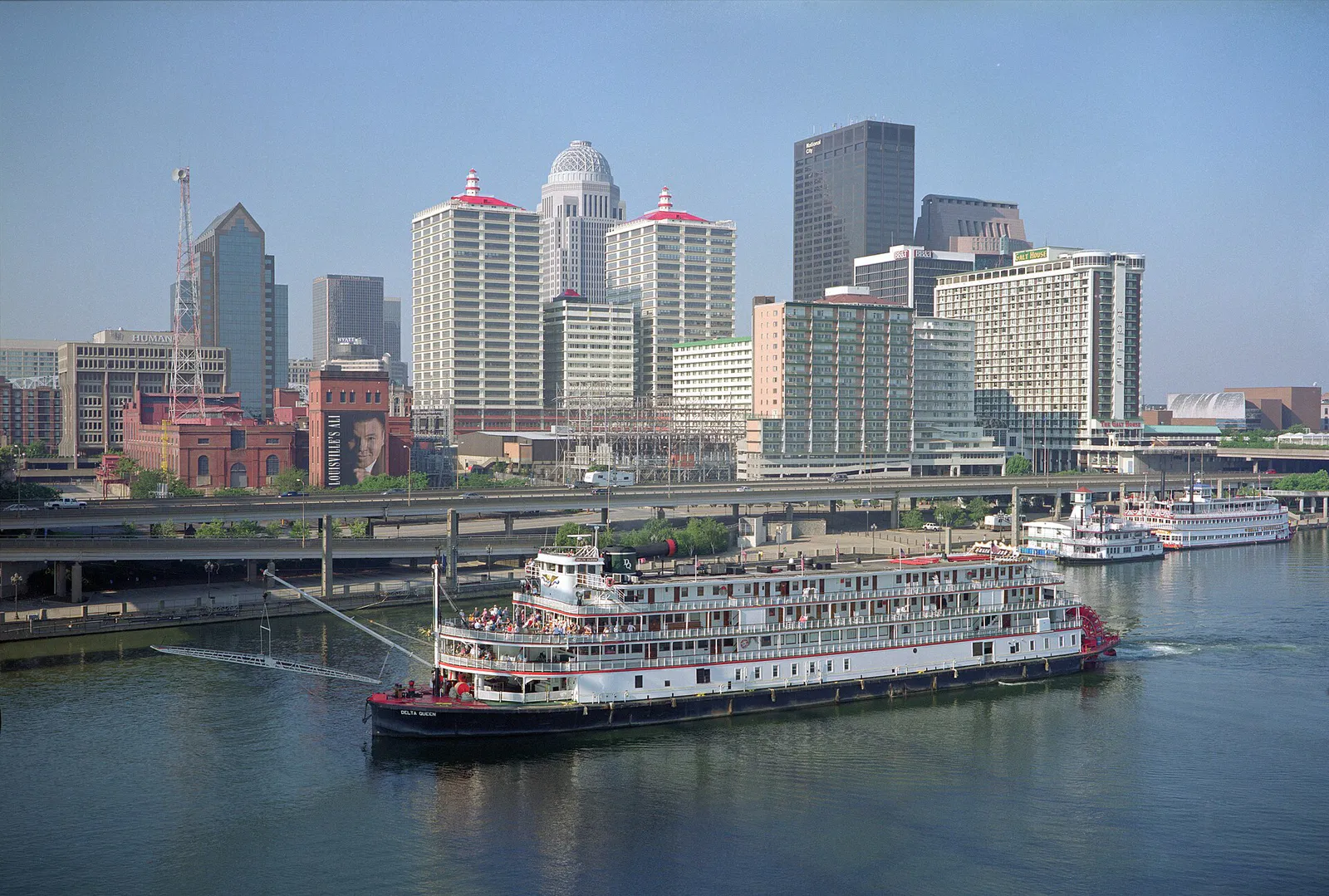
Navigating Louisville's distinct neighborhood enclaves, seasonal event spikes, river crossings, and culinary and distilling traditions.
That is where Adventria comes in. Adventria helps narrow the options in Louisville around practical factors like location, distance, budget, vibe, who you are with, and the kind of experience you actually want, so research can turn into a decision.
Let Adventria narrow the optionsPick the right part of town
Different parts of Louisville work for different kinds of plans. Start with the experience you want, then narrow the map.
Best for
First-time visitors, distillery tours, museum hopping, and major event proximity.
Best for
Chef-driven dining, craft cocktails, contemporary art galleries, and boutique shopping.
Best for
Eclectic dining, nightlife, indie record stores, vintage shops, and park access.
Best for
Historic neighborhood pubs, elevated Southern smokehouses, craft beer, and casual evenings.
Best for
Relaxed neighborhood bistros, artisan bakeries, antique browsing, and quiet strolls.
Best for
Architectural walks, historic bed-and-breakfasts, quiet park strolls, and free Shakespeare.
This is a quick starting point. The full guide covers 8 local neighborhoods and districts in Louisville.
Eat & drink
When the decision is less about what to do and more about where to eat or grab a drink, start here. These local cues narrow the food and drink decision without turning dinner or a night out into another hour of comparison.
Head to Logan Street Market in Shelby Park/Germantown or The Village Market food hall in Paristown for vendor stalls ranging from fried chicken to Filipino comfort food. Alternatively, grab a table along the outdoor patio at Hauck's Corner or sample casual wood-fired pizza and snacks at Garage Bar in NuLu.
Explore Bardstown Road in The Highlands for live rock, jazz, and pub-hopping. For mid-sized national touring acts, check schedules at Headliners Music Hall or Old Forester's Paristown Hall. For a relaxed late-night local vibe, head to Germantown neighborhood haunts like Nachbar.
Still comparing options? Adventria can narrow the choice around budget, distance, vibe, and who you are with.
Decide with AdventriaPlan by situation
Start with the kind of plan you are actually trying to make. These city-specific ideas narrow the choice around who you are with, what you want to spend, the weather, and the kind of outing you want.
Book dinner at a chef-driven concept in NuLu or an elevated gastropub in Germantown. Follow with craft bourbon cocktails along Whiskey Row or a sunset walk across the Big Four Bridge into downtown Jeffersonville for dessert. Catch a concert at Old Forester's Paristown Hall or the historic Louisville Palace Theatre.
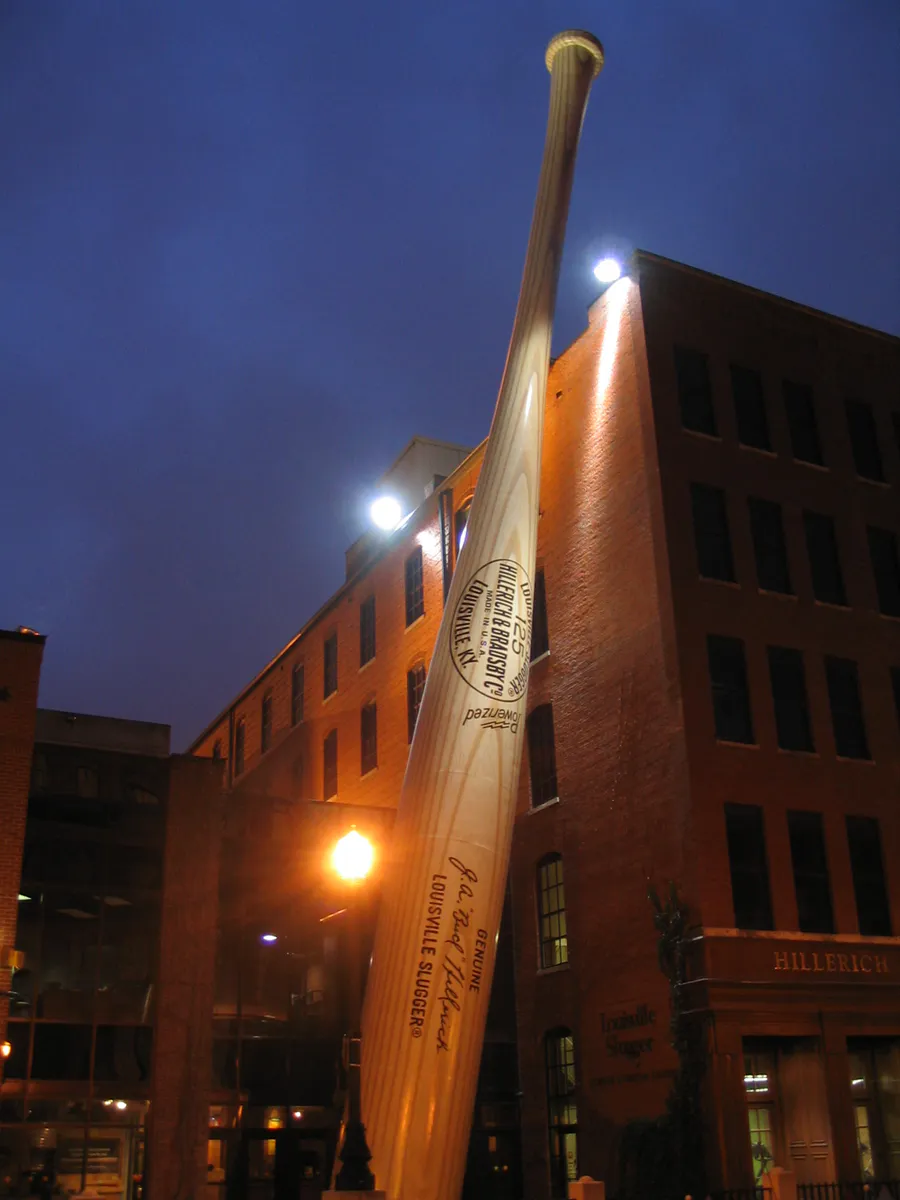
Start on West Main Street with the hands-on exhibits at the Kentucky Science Center, followed by a guided tour at the Louisville Slugger Museum & Factory where kids receive a mini souvenir bat. Spend the afternoon outside at Waterfront Park's adventure playground or walk across the elevated Big Four Pedestrian Bridge.
Head underground at the Louisville Mega Cavern for subterranean tram tours or ziplining in a dry environment. Alternatively, hop between indoor institutions on Museum Row—the Muhammad Ali Center, Frazier History Museum, and 21c Museum Hotel galleries—without long walks in the weather.
Avoid I-65 and the East End Bridge to skip RiverLink electronic tolls. Drive across the George Rogers Clark Memorial Bridge (2nd Street Bridge / US 31) directly from Downtown into Jeffersonville, or take the Sherman Minton Bridge (I-64) from West Louisville into New Albany.
Explore the 24/7 contemporary art galleries at 21c Museum Hotel for free. Walk or bike the Big Four Bridge, stroll past Victorian mansions in Old Louisville's St. James Court, visit the Waterfront Botanical Gardens, or self-guide through historic Cave Hill Cemetery.
Spend a quiet morning browsing contemporary art at the Speed Art Museum (free general admission on Sundays) on UofL's campus. Grab coffee and sourdough pastries along Frankfort Avenue in Clifton, read in Central Park, or jog the 2.3-mile Scenic Loop in Cherokee Park.
For an outdoor plan from Louisville, compare trails, state parks, national parks within trip range, and scenic drives. Options in the current city guide include Falls of The Ohio State Park and George Rogers Clark State Park.
Outdoors nearby
Use these nearby outdoor options when the plan calls for a trail, protected landscape, park, or drive instead of another indoor stop. Proximity here is geographic, not a promise about driving time.
Get out of town
When staying in town is not the answer, these nearby destinations give you a smaller starting set for a day trip, overnight escape, or weekend away.
Destination relationships are screened geographically. Straight-line proximity is not presented as road mileage or estimated travel time.
Local landmarks & attractions
These notable destinations offer a starting point when you want something specific to see, visit, or build into a day around Louisville. Distances are approximate from the city area.
non-profit organization in the USA
patriotic society of the United States
amusement park in Louisville, Kentucky
performing arts center and former movie theater in Louisville, Kentucky, United States
multi-purpose indoor arena in Louisville, Kentucky, United States
non-profit organization in the USA
human settlement in Louisville, Kentucky, United States of America
cemetery in Louisville, Kentucky, USA
Notable places are selected from structured public destination data and ranked for relevance, prominence, proximity, and variety.
Local decision signals
A useful local recommendation depends on how the city actually works. These conditions affect where to go, what to do, and whether a plan makes sense right now.
Crossing the Ohio River on I-65 (Lincoln and Kennedy bridges) or the East End Bridge triggers RiverLink electronic tolls ($2.68 transponder / $5.36 pay-by-plate each way). Use the 2nd Street Bridge (Clark Memorial) downtown or the Sherman Minton Bridge (I-64) to cross toll-free.
The two weeks leading up to the first Saturday in May completely alter city traffic, driver patterns, and venue rates. Expect 3x to 5x price increases on lodging, road closures around Waterfront Park for Thunder Over Louisville, and gridlock near Churchill Downs.
Many independent chef-owned restaurants, art galleries, and boutique shops in NuLu, Clifton, and Germantown are closed on Mondays and Tuesdays. Museum Row attractions and major downtown distilleries keep standard week-round schedules.
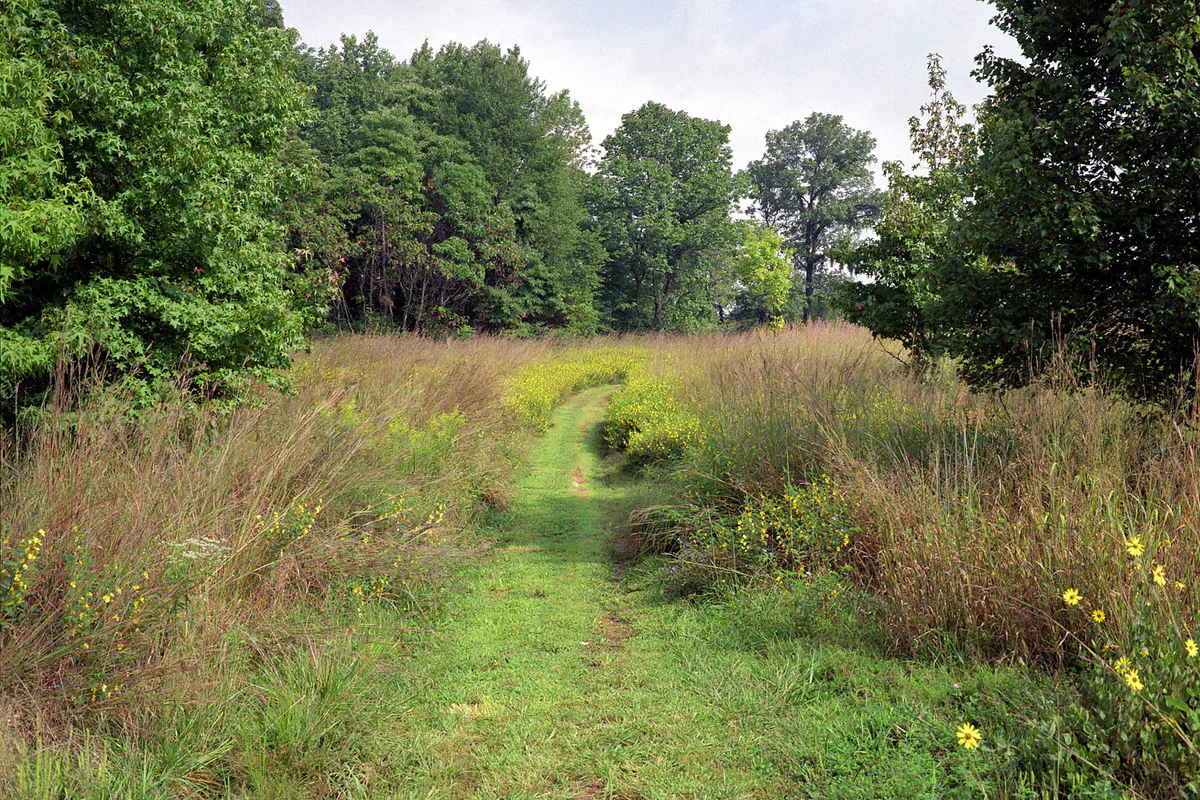
Louisville features an extensive park system designed by master landscape architect Frederick Law Olmsted, including Cherokee, Iroquois, and Shawnee Parks, anchored by the multi-use Scenic Loop trails.
Public transit is bus-only via TARC, with 15-minute weekday service operating along major arterial corridors including Broadway, Bardstown Road, Preston Highway, Dixie Highway, and 4th Street.
July and August afternoon heat creates sudden, heavy convective thunderstorms between 2:00 PM and 6:00 PM. Keep an indoor backup plan like Museum Row or the Speed Art Museum ready during humid summer afternoons.
Germantown and Schnitzelburg hold one of the largest concentrations of historic shotgun homes in North America, balanced by neighborhood pubs, elevated smokehouses, and gastropubs.
Neighborhood context
Neighborhoods are not interchangeable. Each area offers a different balance of atmosphere, transportation, food, nightlife, activities, and planning friction.
Best for: First-time visitors, distillery tours, museum hopping, and major event proximity.
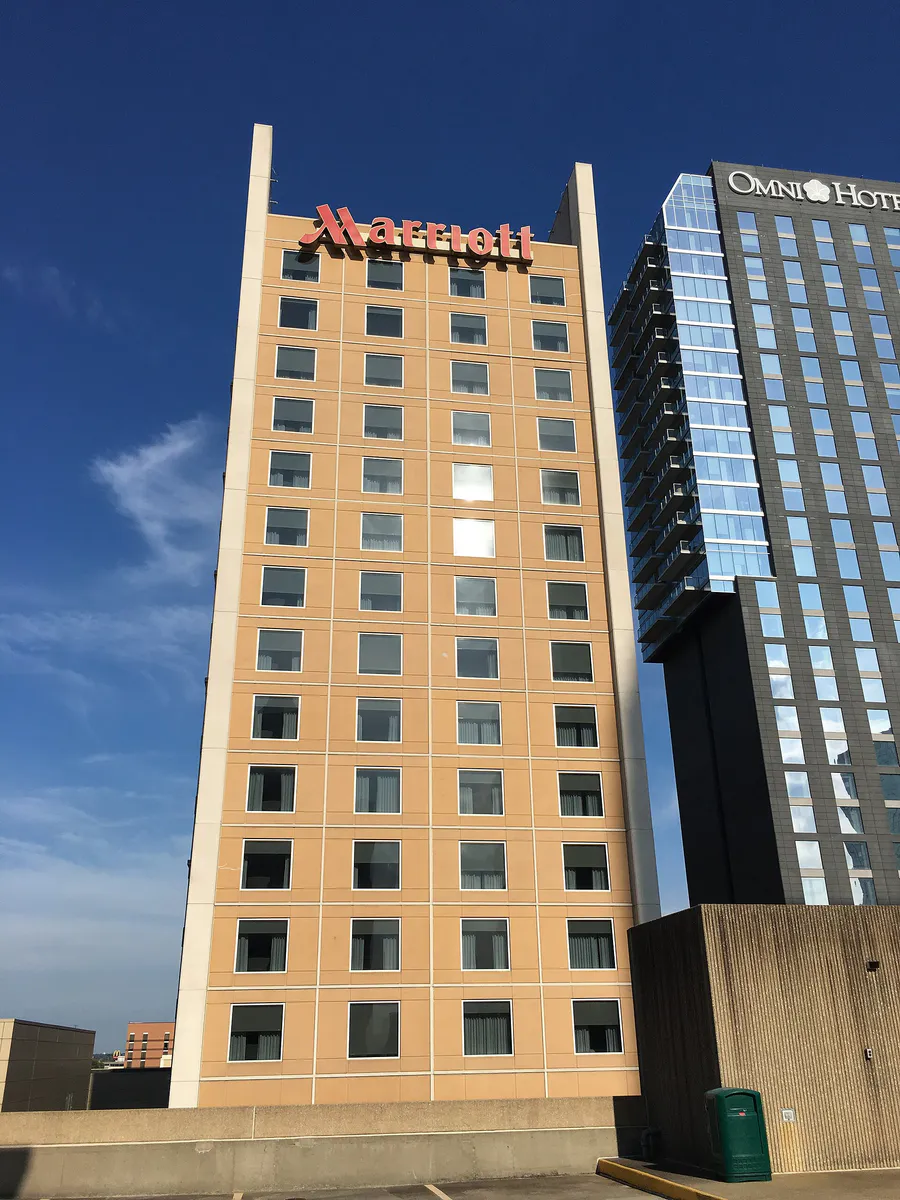
Stretches along Main and Market Streets near the Ohio River. West Main houses Museum Row institutions like the Louisville Slugger Museum and Muhammad Ali Center, while East Main's Whiskey Row features urban distilleries, upscale steakhouses, and direct access to the KFC Yum! Center.
Best for: Chef-driven dining, craft cocktails, contemporary art galleries, and boutique shopping.
Located directly east of downtown along Market Street. Known for high culinary density, artisanal bakeries, craft coffee houses, microbreweries, and modern art spaces tucked into restored 19th-century storefronts.
Best for: Eclectic dining, nightlife, indie record stores, vintage shops, and park access.
Centered along a three-mile stretch of Bardstown Road and Baxter Avenue. Features international eateries, Irish pubs, live music venues, and historic residential streets bordering Cherokee Park.
Best for: Historic neighborhood pubs, elevated Southern smokehouses, craft beer, and casual evenings.
Characterized by tree-lined residential streets packed with 19th-century shotgun houses. Known for cozy dive bars, outdoor patio hangouts, craft smokehouses, and local microbreweries.
Best for: Relaxed neighborhood bistros, artisan bakeries, antique browsing, and quiet strolls.
Spans historic Frankfort Avenue northeast of downtown. Offers Victorian architecture, shaded sidewalks, independent bakeries, historic bourbon bistros, and a calmer pace than adjacent nightlife corridors.
Best for: Architectural walks, historic bed-and-breakfasts, quiet park strolls, and free Shakespeare.
The third-largest National Preservation District in the U.S. and North America's largest preserved Victorian mansion neighborhood. Features brick pedestrian courts like Belgravia and St. James Court, Central Park, and mature tree canopies.
Best for: Live music shows, food halls, modern soccer matches, and botanical gardens.
Transformed historic industrial zones. Butchertown houses Lynn Family Stadium and the Waterfront Botanical Gardens, while Paristown features Old Forester's Paristown Hall and The Village Market food hall.
Best for: Horse racing heritage, outdoor amphitheaters, panoramic city overlooks, and diverse dining.
Home to iconic Churchill Downs, the University of Louisville Belknap Campus, international markets, and Iroquois Park, which offers wooded hiking trails and city views from its North Overlook.
Louisville local guide
Louisville's urban identity is tied to its position along the southern curve of the Ohio River. The city center is anchored by Downtown, home to historic commercial architecture along Main Street divided into Museum Row to the west and Whiskey Row to the east. Surrounding this commercial core are distinct residential and cultural enclaves, each offering a distinct streetscape, dining pace, and architectural style.
Immediately east of Downtown lies NuLu, a compact corridor celebrated for chef-driven concepts, galleries, and boutique retail. Bordering NuLu to the south and east are Butchertown, Germantown, and Paristown, where historic meatpacking plants and 19th-century shotgun homes have evolved into craft breweries, music halls, and food venues. Moving southeast along Bardstown Road brings you into The Highlands, Louisville's classic bohemian corridor known for eclectic retail, international dining, and immediate access to Olmsted's iconic Cherokee Park.
Navigating Louisville requires an understanding of its seasonal rhythms and transit nuances. The two-week Kentucky Derby Festival leading into the first Saturday in May draws global crowds, resulting in road closures, elevated lodging costs, and heavy highway traffic around Churchill Downs and Waterfront Park. During humid summer months, late-afternoon thunderstorms frequently move through the river valley, making flexible indoor-outdoor planning essential.
Explore your options
Match your activity preferences with the atmosphere, walkability, and visual character of Louisville's primary neighborhoods.
Best for high-density cultural attractions, historic bourbon distilleries, major arena events, and historic commercial architecture.
Best for innovative culinary experiences, craft coffee, modern art galleries, boutique shopping, and professional soccer.
Best for independent shopping, live music performance halls, international dining, and expansive Olmsted parkland.
Best for historic architecture, neighborhood dive bar culture, craft smokehouses, and quiet residential court walks.
Practical local guidance
Keep these ground-level transportation details in mind to avoid unexpected costs and delays.
A simpler way to decide
Follow this step-by-step framework to balance urban bourbon heritage, historic architecture, and local culinary experiences.
Start along West Main Street. Tour the Louisville Slugger Museum or Muhammad Ali Center, then visit the Frazier Kentucky History Museum to explore state heritage and collect information at the official Kentucky Bourbon Trail Welcome Center.
Walk or take a short ride east to Market Street in NuLu. Grab lunch at a local bakery or cafe, browse independent boutiques and art galleries, and visit an urban craft distillery.
Choose between outdoor recreation and architectural exploration. Drive or bike the Scenic Loop in Olmsted-designed Cherokee Park, or take a peaceful walking tour of the Victorian pedestrian courts around St. James Court in Old Louisville.
Reserve a table for dinner in Germantown or along Bardstown Road. Experience Louisville's casual nightlife culture with craft beer at a neighborhood brewery or drinks on a historic pub patio.
End your evening at Waterfront Park. Walk across the illuminated Big Four Pedestrian Bridge for panoramic views of the downtown skyline lit up over the Ohio River.
Common local questions
These are common situations people face when trying to decide where to eat, what to do, where to get drinks, or how to spend their time in Louisville.
Louisville planning questions
Practical answers for people deciding where to eat, what to do, where to go, or how to make plans in Louisville.
RiverLink electronic tolls are collected on three Ohio River bridges: the Abraham Lincoln Bridge (I-65 North), the John F. Kennedy Memorial Bridge (I-65 South), and the Lewis and Clark Bridge (I-265 East End Crossing). Rates are lower with a transponder than pay-by-plate.
You can cross toll-free using the George Rogers Clark Memorial Bridge (US 31 / 2nd Street Bridge) connecting Downtown Louisville to Jeffersonville, or the Sherman Minton Bridge (I-64 / US 150) connecting West Louisville to New Albany.
Downtown (Whiskey Row or Museum Row) and NuLu are ideal for first-timers. Both offer high walkability, direct access to urban distilleries and museums, and a wide density of hotel options.
Louisville's most famous signature dish is The Hot Brown, an open-faced turkey and bacon sandwich smothered in Mornay sauce and tomatoes, created at The Brown Hotel in 1926. Other local specialties include Benedictine spread and Kentucky Burgoo.
Public transit is bus-only, operated by TARC. Major corridors like Broadway, Bardstown Road, Preston Highway, and Dixie Highway feature frequent 15-minute weekday service. However, driving or ridesharing remains the fastest way to travel across outlying neighborhoods.
Top free options include visiting the 24/7 contemporary art galleries inside 21c Museum Hotel, walking across the Big Four Pedestrian Bridge, exploring the historic Victorian pedestrian courts of Old Louisville, and visiting the Waterfront Botanical Gardens.
The Big Four Pedestrian Bridge is a converted 1895 railroad bridge measuring approximately one mile each way across the Ohio River. It is entirely open to pedestrians and cyclists 24 hours a day.
The Kentucky Derby is held annually on the first Saturday in May at Churchill Downs. It is preceded by the two-week Kentucky Derby Festival, which features Thunder Over Louisville, the Great BalloonFest, and the Pegasus Parade.
Great rainy-day spots include the subterranean tours at Louisville Mega Cavern, the cluster of indoor museums along Museum Row (Slugger Museum, Ali Center, Frazier History Museum, Science Center), and the Speed Art Museum.
The Urban Bourbon Trail is an official Louisville culinary program highlighting local bars, restaurants, and hotels that stock extensive collections of Kentucky bourbon (often 50+ to 100+ selections) and feature bourbon-infused menu items.
Source transparency
Official and locally relevant sources used to verify the practical information presented in this Louisville decision guide.
Louisville decision engine
Tell Adventria what kind of experience you want, set your practical limits, and turn the options in Louisville into one workable plan.
Choose a Louisville Plan