South Beach (SoBe)
Best for
Iconic beach access, Art Deco walking tours, and high-energy dining.
 AdventriaLocalOpen App
Greater Miami Local Decision Framework
Trying to decide what to do in Miami? Adventria helps you cut through the options and choose a good-enough plan without endless scrolling. Planning activities across Greater Miami requires managing physical distance, causeway traffic, daily tropical storms, and mandatory service fees. Whether you are choosing where to dine tonight, planning a weather-proof weekend, or navigating transit between mainland hubs and barrier islands, this guide cuts through generic travel advice to solve real local logistics.
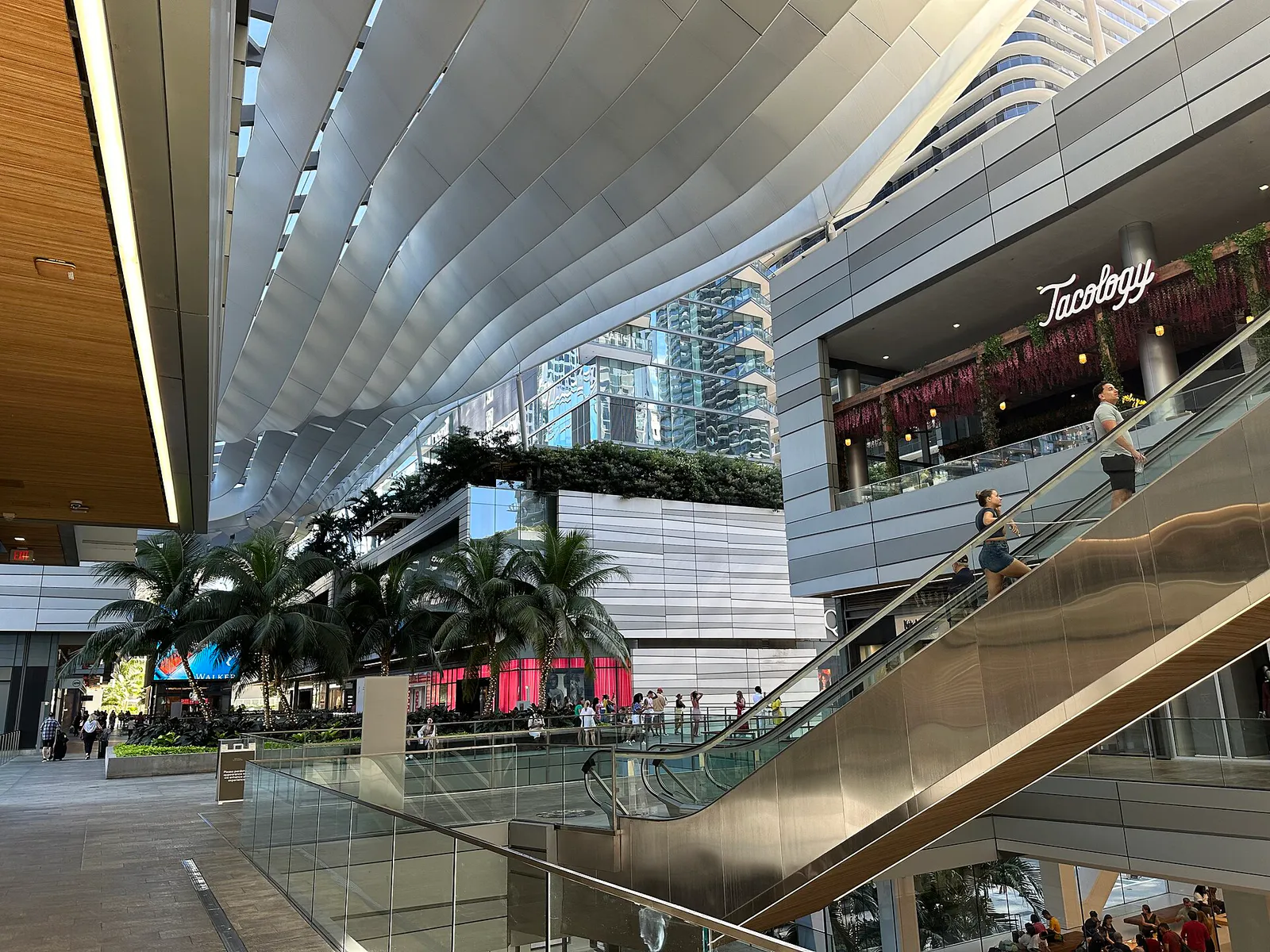
The local decision problem
How to navigate Greater Miami's distinct urban hubs, coastal causeways, transit dynamics, and tropical weather patterns to make spontaneous, day-of, or seasonal dining and entertainment decisions.
That is where Adventria comes in. Adventria helps narrow the options in Miami around practical factors like location, distance, budget, vibe, who you are with, and the kind of experience you actually want, so research can turn into a decision.
Let Adventria narrow the optionsPick the right part of town
Different parts of Miami work for different kinds of plans. Start with the experience you want, then narrow the map.
Best for
Iconic beach access, Art Deco walking tours, and high-energy dining.
Best for
Urban walkability, financial district dining, and free Metromover transit.
Best for
Street art murals, craft breweries, casual food halls, and nightlife.
Best for
Luxury shopping, modern architecture, fine dining, and free contemporary art.
Best for
Lush bayfront parks, historic estates, and bohemian sidewalk dining.
Best for
Cuban diaspora culture, live salsa music, street markets, and bakeries.
This is a quick starting point. The full guide covers 8 local neighborhoods and districts in Miami.
Eat & drink
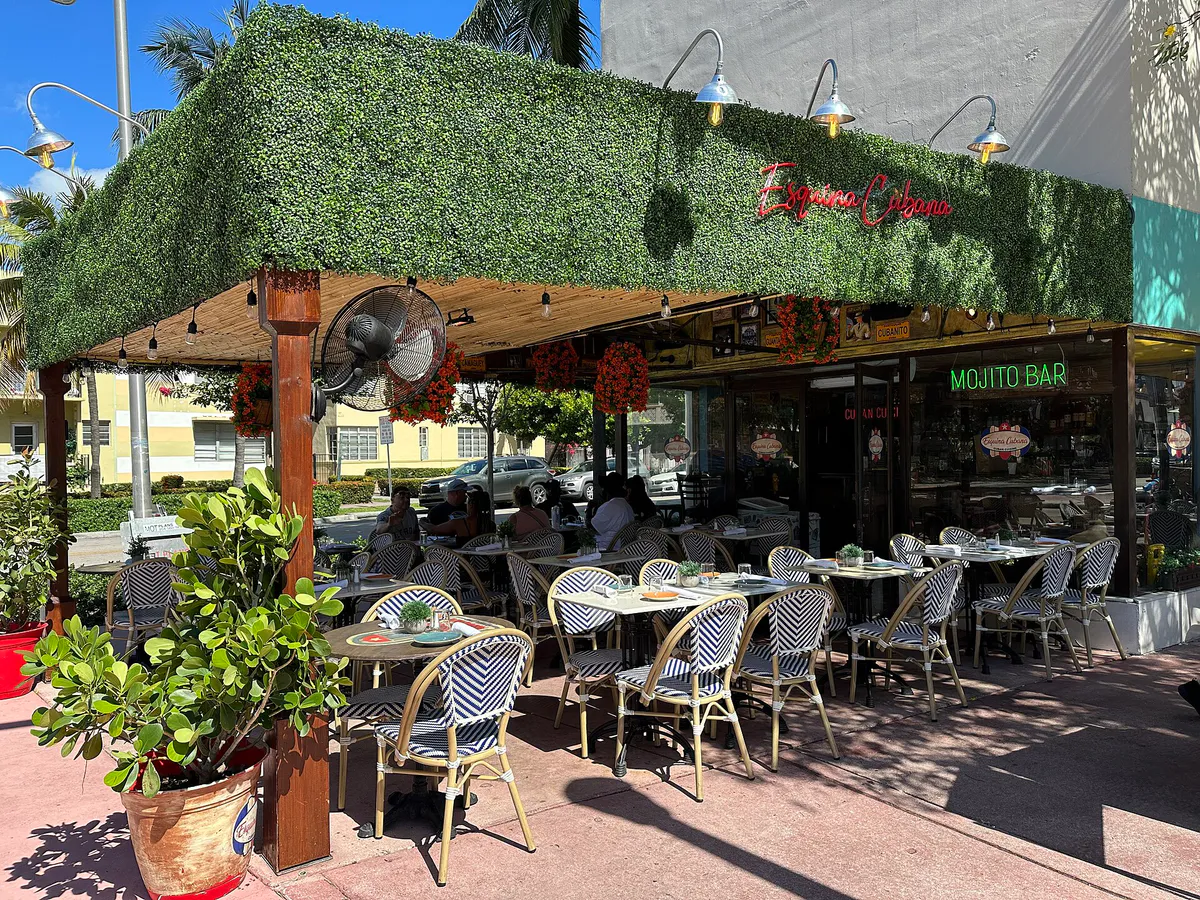
When the decision is less about what to do and more about where to eat or grab a drink, start here. These local cues narrow the food and drink decision without turning dinner or a night out into another hour of comparison.
Book a group pontoon or charter boat out of Coconut Grove or Downtown marinas, catch an air-conditioned Marlins game at loanDepot park under the retractable roof, or gather at Wynwood food halls where seating accommodates mixed preferences.
Head to Wynwood or Little Havana. In Wynwood, multi-vendor food halls like 1-800-Lucky allow walk-in dining alongside open-air craft beer bars. In Little Havana, stroll Calle Ocho to catch live salsa and walk-in lounge seating at Ball & Chain.
Still comparing options? Adventria can narrow the choice around budget, distance, vibe, and who you are with.
Decide with AdventriaPlan by situation
Start with the kind of plan you are actually trying to make. These city-specific ideas narrow the choice around who you are with, what you want to spend, the weather, and the kind of outing you want.
Start with a late afternoon walk through the European-style gardens at Vizcaya Museum, followed by dinner in Coconut Grove's shaded courtyards or a sunset picnic at South Pointe Park overlooking Biscayne Bay shipping channels.
Visit Crandon Park Beach on Key Biscayne for calm, low-surf waters and shade trees. Combine it with an interactive morning at Frost Science Museum in Downtown or a stroll through David T. Kennedy Park in Coconut Grove.
Pivot to Downtown Miami's covered museum campus at Maurice A. Ferré Park, housing the Phillip and Patricia Frost Museum of Science (aquarium and planetarium) and Pérez Art Museum Miami (PAMM). Alternatively, visit the indoor digital art center Superblue in Allapattah.
Base yourself in Downtown or Brickell. Use the free automated Metromover to tour civic sites, visit free art at ICA Miami in the Design District, or grab a Citi Bike to ride the oceanfront boardwalk along Mid-Beach.
Take advantage of free admission at ICA Miami, ride the free Metromover and city trolleys, attend PAMM's Free Second Saturdays, or watch outdoor Wallcast symphonies at SoundScape Park in South Beach.
For an outdoor plan from Miami, compare trails, state parks, national parks within trip range, and scenic drives. Options in the current city guide include The Barnacle Historic State Park and Bill Baggs Cape Florida State Park.
For a short escape from Miami, compare Deerfield Beach and Islamorada. More options are listed in the trip section below.
Outdoors nearby
Use these nearby outdoor options when the plan calls for a trail, protected landscape, park, or drive instead of another indoor stop. Proximity here is geographic, not a promise about driving time.
Get out of town
When staying in town is not the answer, these nearby destinations give you a smaller starting set for a day trip, overnight escape, or weekend away.
Destination relationships are screened geographically. Straight-line proximity is not presented as road mileage or estimated travel time.
Local landmarks & attractions
These notable destinations offer a starting point when you want something specific to see, visit, or build into a day around Miami. Distances are approximate from the city area.
historic estate on Biscayne Bay; Coconut Grove neighborhood of Miami, Florida
sports and entertainment arena in Miami, Florida, USA
art museum in Miami
oceanarium in Florida, United States
multi purpose arena in Florida
visitor attraction in Leisure City, Florida, USA
museum in North Miami, Florida
theater in Miami, Florida, United States
Notable places are selected from structured public destination data and ranked for relevance, prominence, proximity, and variety.
Local decision signals
A useful local recommendation depends on how the city actually works. These conditions affect where to go, what to do, and whether a plan makes sense right now.
Connecting mainland Miami to barrier islands relies on MacArthur, Julia Tuttle, and Venetian causeways. PortMiami cruise days and drawbridge openings regularly cause 15-to-30-minute gridlocks.
All expressways and causeways use SunPass electronic tolling. Renting cars without personal transponders triggers daily administrative surcharges from rental vendors.
The automated Metromover connects Downtown and Brickell for free, while municipal trolleys serve Wynwood, Little Havana, Coral Gables, and Miami Beach.
June through September brings heavy afternoon rainstorms between 2:00 PM and 6:00 PM. Schedule outdoor activities for mornings and pivot indoors by afternoon.
Florida law requires disclosure when restaurants add 18-20% automatic gratuities or service charges. Checking itemized receipts prevents duplicate tipping.
Dining and nightlife follow late timetables, with peak dinner seatings occurring between 8:30 PM and 10:30 PM across South Beach, Brickell, and Design District.
Neighborhood context
Neighborhoods are not interchangeable. Each area offers a different balance of atmosphere, transportation, food, nightlife, activities, and planning friction.
Best for: Iconic beach access, Art Deco walking tours, and high-energy dining.
Occupies the southern tip of Miami Beach. Extremely walkable with dense dining corridors along Ocean Drive and Lincoln Road, though parking costs and late-night noise are high.
Best for: Urban walkability, financial district dining, and free Metromover transit.
High-density skyscraper corridor lining Biscayne Bay. Offers direct rail access, rooftop cocktail spots, waterfront parks, and high-end retail at Brickell City Centre.
Best for: Street art murals, craft breweries, casual food halls, and nightlife.
A former industrial area converted into a pedestrian art district. Best explored on foot during daytime for mural tours or late evening for craft breweries and open-air bars.
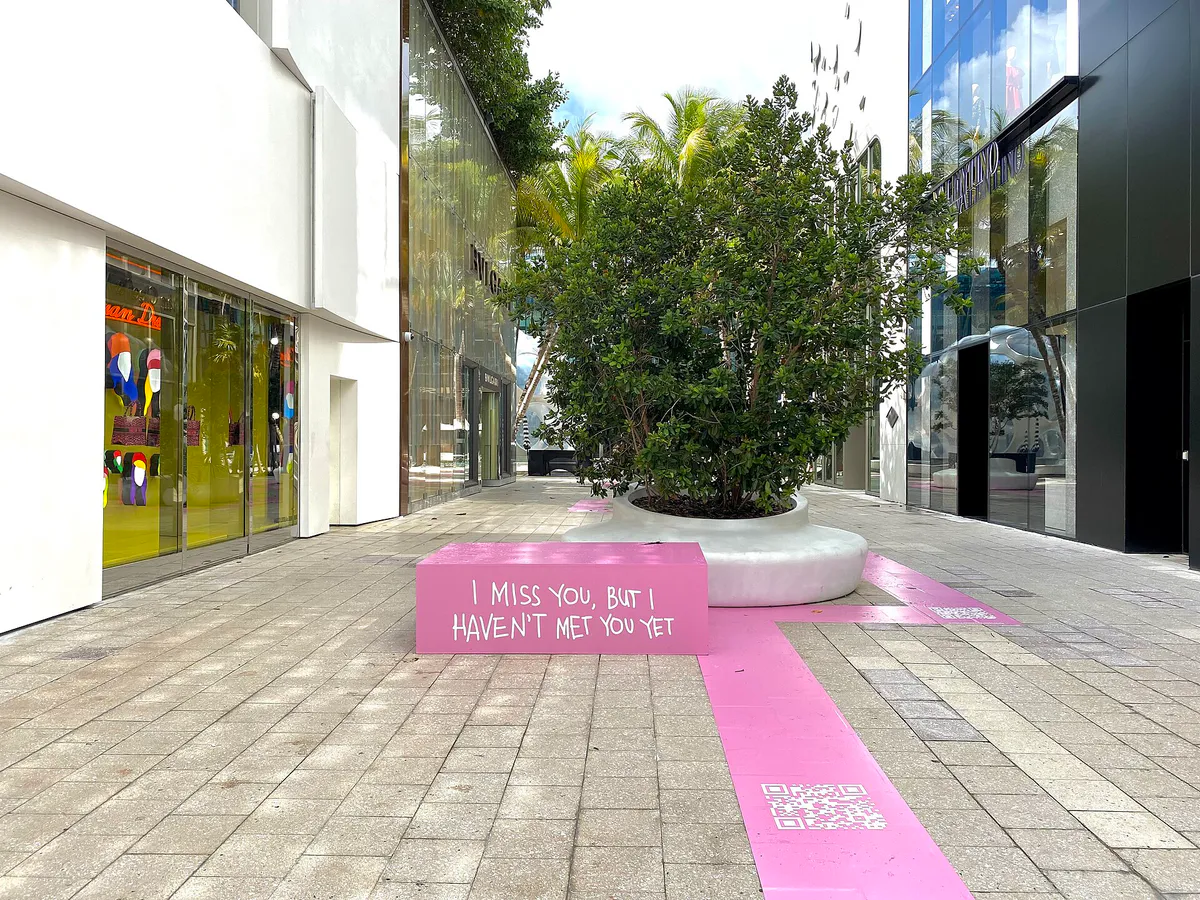
Best for: Luxury shopping, modern architecture, fine dining, and free contemporary art.
A pedestrian plaza anchored by high-fashion flagships, public sculpture installations, shaded courtyards, and free entry to ICA Miami.
Best for: Lush bayfront parks, historic estates, and bohemian sidewalk dining.
Miami's oldest continuously inhabited neighborhood features thick canopy shade, bayfront marinas, Vizcaya Museum, and sidewalk cafes surrounding CocoWalk.
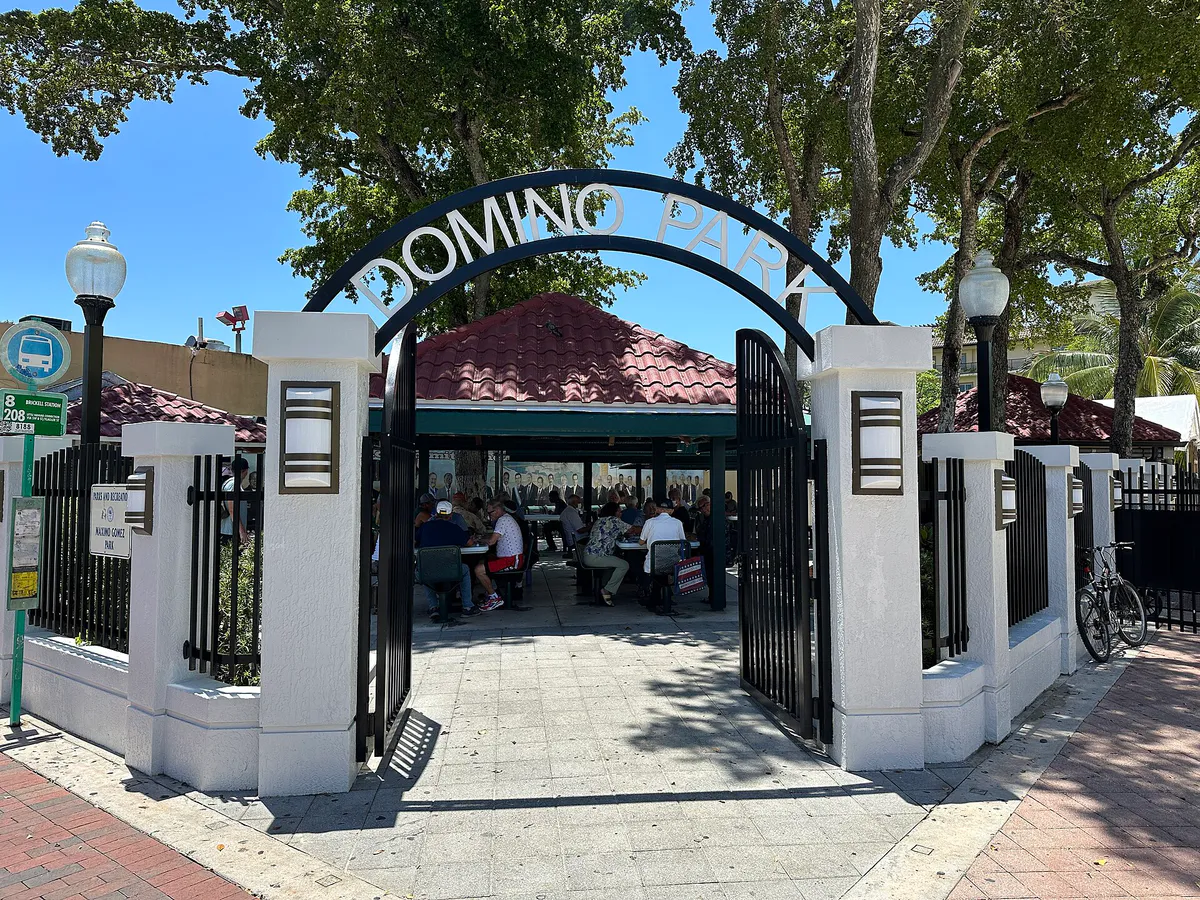
Best for: Cuban diaspora culture, live salsa music, street markets, and bakeries.
Centered around SW 8th Street (Calle Ocho). Highly walkable core filled with historic cigar shops, Maximo Gomez Domino Park, and iconic live music venues.
Best for: Quieter oceanfront relaxation, luxury resort corridors, and bandstand events.
Stretches north along Collins Avenue from 41st Street. Mid-Beach offers polished resort lounges, while North Beach provides wide, uncrowded sands and local dining.
Best for: Experiential digital art museums and private contemporary art collections.
An industrial district west of Wynwood hosting premier private contemporary art venues like the Rubell Museum and the immersive digital space Superblue.
Miami local guide
Greater Miami is divided between a dense mainland urban core and a series of barrier islands separated by Biscayne Bay. Deciding where to spend your morning, afternoon, or evening requires taking bridge crossings and transit friction into account. Moving between mainland arts districts like Wynwood or Brickell and island hubs like South Beach relies on four primary causeways: MacArthur, Venetian, Julia Tuttle, and 79th Street.
Crossing these causeways during peak rush hours (7:00 AM–9:30 AM and 4:00 PM–7:00 PM) or on cruise ship embarkation days (Friday through Sunday) can turn a 15-minute drive into a 45-minute delay. In addition, drawbridges spanning the Miami River and Intracoastal Waterway open regularly for maritime traffic, creating instant backups into Downtown. Planning activities within cluster zones—such as pairing Downtown museums with Brickell dining—saves significant time.
For car travel across expressways and causeways, note that the entire toll system operates cashlessly via SunPass and TOLL-BY-PLATE. Rental car users should register their license plates with their personal transponder accounts to avoid substantial administrative surcharges levied by rental vendors.
Explore your options
Match your daily plans to the right neighborhood ecosystem based on transit, walkability, and venue concentration.
Ideal for seamless car-free exploration using elevated transit options.
Pedestrian-friendly nodes focused on art, fashion, and modern dining.
High-energy beach access combined with historic architecture.
A simpler way to decide
Tropical rain patterns require structured daily scheduling, especially during the hot summer wet season.
Complete beach visits, park strolls, or outdoor walking tours before 11:00 AM to avoid extreme heat indices and afternoon UV peaks.
Cross between mainland Miami and barrier islands before noon to beat both afternoon rain slowdowns and bridge congestion.
Book indoor, climate-controlled activities like Frost Science, PAMM, or Superblue between 2:00 PM and 6:00 PM when downpours are most likely.
Check local weather apps before departing for dinner to adjust for localized street flooding near low-lying riverfront or coastal roads.
Choose evening destinations like Brickell City Centre or Lincoln Road where indoor and covered outdoor options are situated close together.
Common local questions
These are common situations people face when trying to decide where to eat, what to do, where to get drinks, or how to spend their time in Miami.
Miami planning questions
Practical answers for people deciding where to eat, what to do, where to go, or how to make plans in Miami.
Not if you stay within walkable hubs like Brickell, Downtown, or South Beach, where you can rely on the free Metromover, free city trolleys, Citi Bikes, and rideshares. Renting a car is recommended only if you plan frequent trips to outer areas like Everglades National Park, Key Biscayne, or Homestead.
The MacArthur Causeway (US-41) is the direct driving route, but it gets heavily congested during cruise ship departure windows. The Julia Tuttle Causeway (I-195) provides a faster alternative from Midtown/Edgewater, while the Venetian Causeway offers a scenic, low-speed bicycle and pedestrian connection.
The Metromover is a free, zero-emission elevated people mover operating 21 stations across three loops (Inner/Downtown, Brickell, and Omni). It runs daily from 5:00 AM to midnight and connects directly to the Metrorail at Brickell and Government Center stations.
Head to covered cultural spaces at Maurice A. Ferré Park (Frost Museum of Science and PAMM), explore the indoor digital art galleries at Superblue in Allapattah, or visit dine-in movie venues and indoor retail centers like Brickell City Centre.
Miami Spice runs every August and September. Participating restaurants across Greater Miami offer discounted three-course prix-fixe lunch, brunch, and dinner menus, making it an ideal time to dine at premier steakhouses and fine dining venues.
Restaurants across Miami commonly add an automatic 18% to 20% service or operations charge to checks. Florida law requires this fee to be disclosed on menus and itemized on your bill, so review your receipt carefully before adding an extra tip.
King Tides are exceptionally high sunny-day spring tides that occur between September and November. They cause brief, localized coastal flooding in low-lying areas of South Beach, Brickell, and along the Miami River regardless of rainfall.
The Institute of Contemporary Art, Miami (ICA) in the Design District offers free admission year-round with advance digital reservation. Pérez Art Museum Miami (PAMM) offers free admission on the second Saturday of every month.
Source transparency
Official and locally relevant sources used to verify the practical information presented in this Miami decision guide.
Miami decision engine
Tell Adventria what kind of experience you want, set your practical limits, and turn the options in Miami into one workable plan.
Choose a Miami Plan