Tulsa Arts District
Best for
Museums, historic live music, craft cocktails, and walkable night outings
 AdventriaLocalOpen App
Local Decision Guide for Tulsa, OK
Trying to decide what to do in Tulsa? Adventria helps you cut through the options and choose a good-enough plan without endless scrolling. Whether you are looking for live music in the Tulsa Arts District, a walk along the river at Gathering Place, or the ultimate Oklahoma onion burger, this guide cuts through the tourist clutter to help you plan your day in T-Town.
The local decision problem
How to choose where to eat, hang out, or explore in Tulsa based on district vibes, seasonal weather shifts, parking quirks, and event schedules.
That is where Adventria comes in. Adventria helps narrow the options in Tulsa around practical factors like location, distance, budget, vibe, who you are with, and the kind of experience you actually want, so research can turn into a decision.
Let Adventria narrow the optionsPick the right part of town
Different parts of Tulsa work for different kinds of plans. Start with the experience you want, then narrow the map.
Best for
Museums, historic live music, craft cocktails, and walkable night outings
Best for
Deep local history, cultural heritage, and minor league baseball
Best for
High-energy pub crawls, craft beer halls, bowling, and casual group dinners
Best for
Architectural walking tours, boutique hotels, business lunches, and pre-show dining
Best for
Weekend brunch, local boutiques, antique shopping, and cozy dinners
Best for
Patio dining, casual evening drinks, and easy access to River Parks trails
This is a quick starting point. The full guide covers 8 local neighborhoods and districts in Tulsa.
Eat & drink
When the decision is less about what to do and more about where to eat or grab a drink, start here. These local cues narrow the food and drink decision without turning dinner or a night out into another hour of comparison.
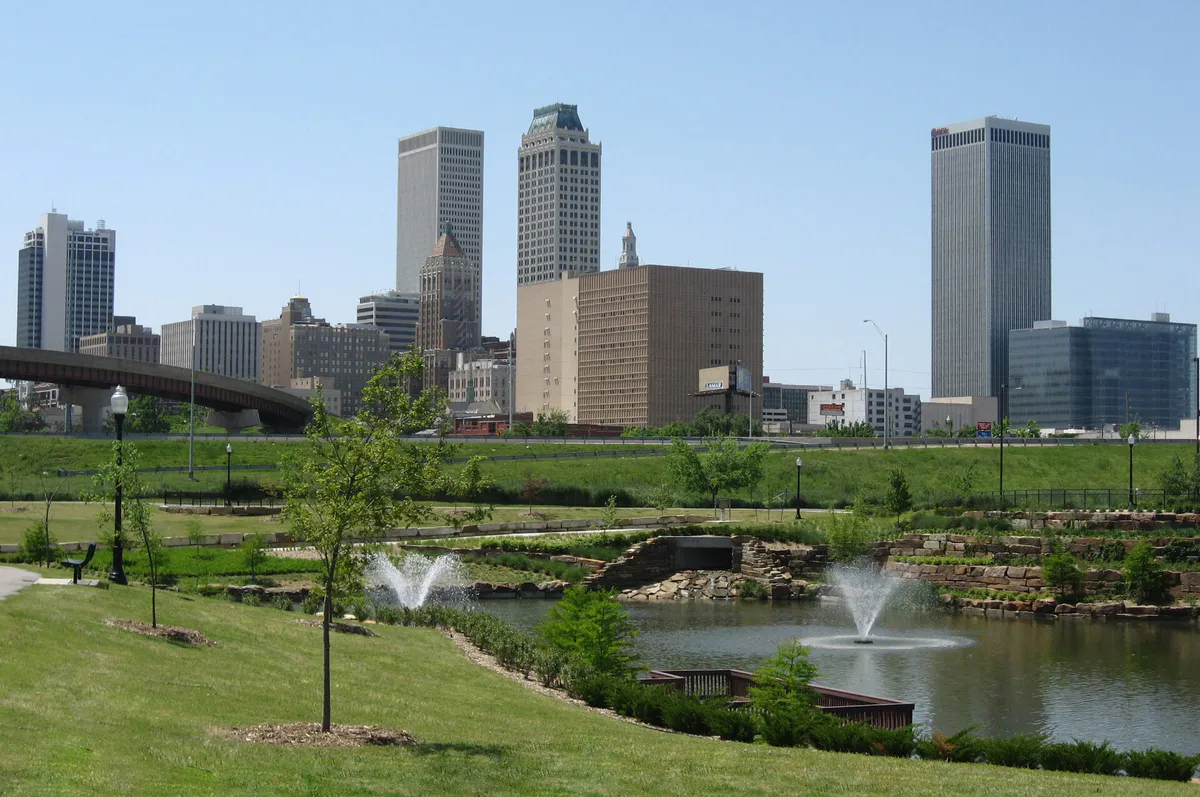
For places to eat in Tulsa, start with Deco District or Brookside depending on the kind of stop you want. Start with Deco District for architectural walking tours, boutique hotels, business lunches, and pre-show dining. Located in central downtown along Boston Avenue and 5th/6th Streets, boasting one of the nation's richest collections of Art Deco skyscrapers alongside corporate towers and fine dining. Brookside works for patio dining, casual evening drinks, and easy access to River Parks trails. Stretching along South Peoria Avenue between 31st and 51st Streets, Brookside balances a suburban-urban feel with high-end dining, neighborhood taverns, and quick connections to Gathering Place.
Begin with craft cocktails at Valkyrie in the Tulsa Arts District or draft beers on the rooftop at Welltown Brewing overlooking the downtown skyline. Walk over to the Center of the Universe bridge to test the bizarre acoustic echo, then catch a live concert at the historic Cain's Ballroom or grab a pint and play lawn games at Fassler Hall in the Blue Dome District.
Still comparing options? Adventria can narrow the choice around budget, distance, vibe, and who you are with.
Decide with AdventriaPlan by situation
Start with the kind of plan you are actually trying to make. These city-specific ideas narrow the choice around who you are with, what you want to spend, the weather, and the kind of outing you want.
For an understated, atmospheric date, book a table at an upscale bistro on Cherry Street or in the Deco District. Afterward, take a late-night stroll through the illuminated outdoor gardens at Philbrook Museum (open late on Friday nights) or listen to homegrown Red Dirt and Americana music at cozy dive spots like Mercury Lounge or Venue Shrine in SoBo.
For an overnight getaway from Tulsa, compare Eureka Springs and Wichita. More options are listed in the trip section below.
Gathering Place is the ultimate family destination; its 66-acre riverfront footprint includes the immense Chapman Adventure Playground with timber towers, splash pads at Mist Mountain, and free kayak rentals on Peggy's Pond. Combine it with a trip to the adjacent Discovery Lab hands-on children's museum, or head south to the Oklahoma Aquarium in Jenks to walk through the bull shark tunnel.
When rain or severe spring storms force you indoors, buy a dual-admission ticket to tour both the Bob Dylan Center and Woody Guthrie Center side-by-side in the Arts District. Movie lovers can catch an indie film or classic revival at the historic Circle Cinema in Kendall-Whittier, while families can spend hours exploring the indoor exhibits at Discovery Lab or the Oklahoma Aquarium.
Tulsa is extremely welcoming for solo travelers. Rent a micro-mobility scooter or a bike and hop onto the Midland Valley Trail, which leads from Greenwood straight through downtown into Gathering Place. Spend hours diving deep into music archives at Greenwood Rising or the Bob Dylan Center, then grab a single seat at the counter of Coney I-Lander for a classic 1926-style chili dog.
Group logistics work best when everyone can move at their own pace. Send your group to the Pearl District for a self-guided brewery hop between American Solera, Cabin Boys, and Nothing's Left Brewing Co. Alternatively, rent a private lane at Dust Bowl Lanes & Lounge in the Blue Dome District for retro bowling paired with craft beer and pub appetizers.
For an outdoor plan from Tulsa, compare trails, state parks, national parks within trip range, and scenic drives. Options in the current city guide include Keystone State Park and Walnut Creek State Park.
Outdoors nearby
Use these nearby outdoor options when the plan calls for a trail, protected landscape, park, or drive instead of another indoor stop. Proximity here is geographic, not a promise about driving time.
Get out of town
When staying in town is not the answer, these nearby destinations give you a smaller starting set for a day trip, overnight escape, or weekend away.
Destination relationships are screened geographically. Straight-line proximity is not presented as road mileage or estimated travel time.
Local landmarks & attractions
These notable destinations offer a starting point when you want something specific to see, visit, or build into a day around Tulsa. Distances are approximate from the city area.
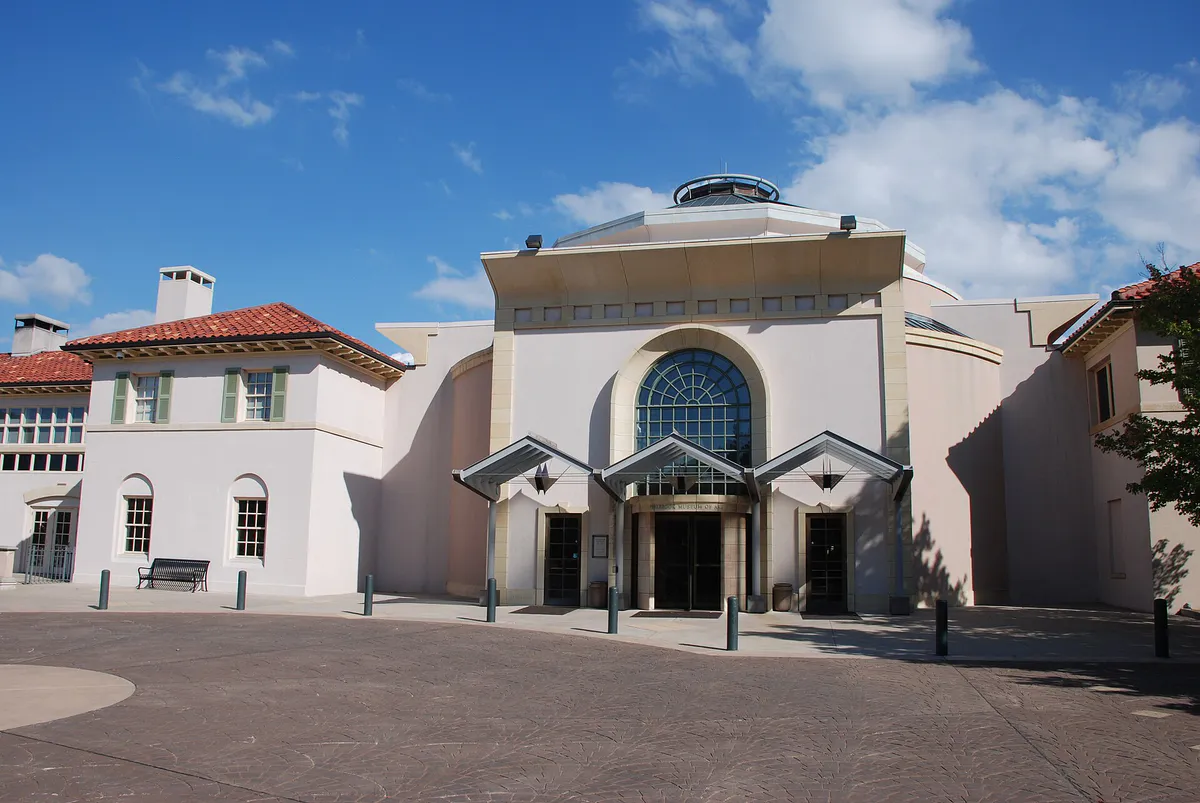
art museum in Tulsa, Oklahoma
Zoo in Oklahoma, United States
multipurpose arena in Tulsa Oklahoma
park in Tulsa, Oklahoma, US
Integrated resort in South Tulsa, Oklahoma, U.S.
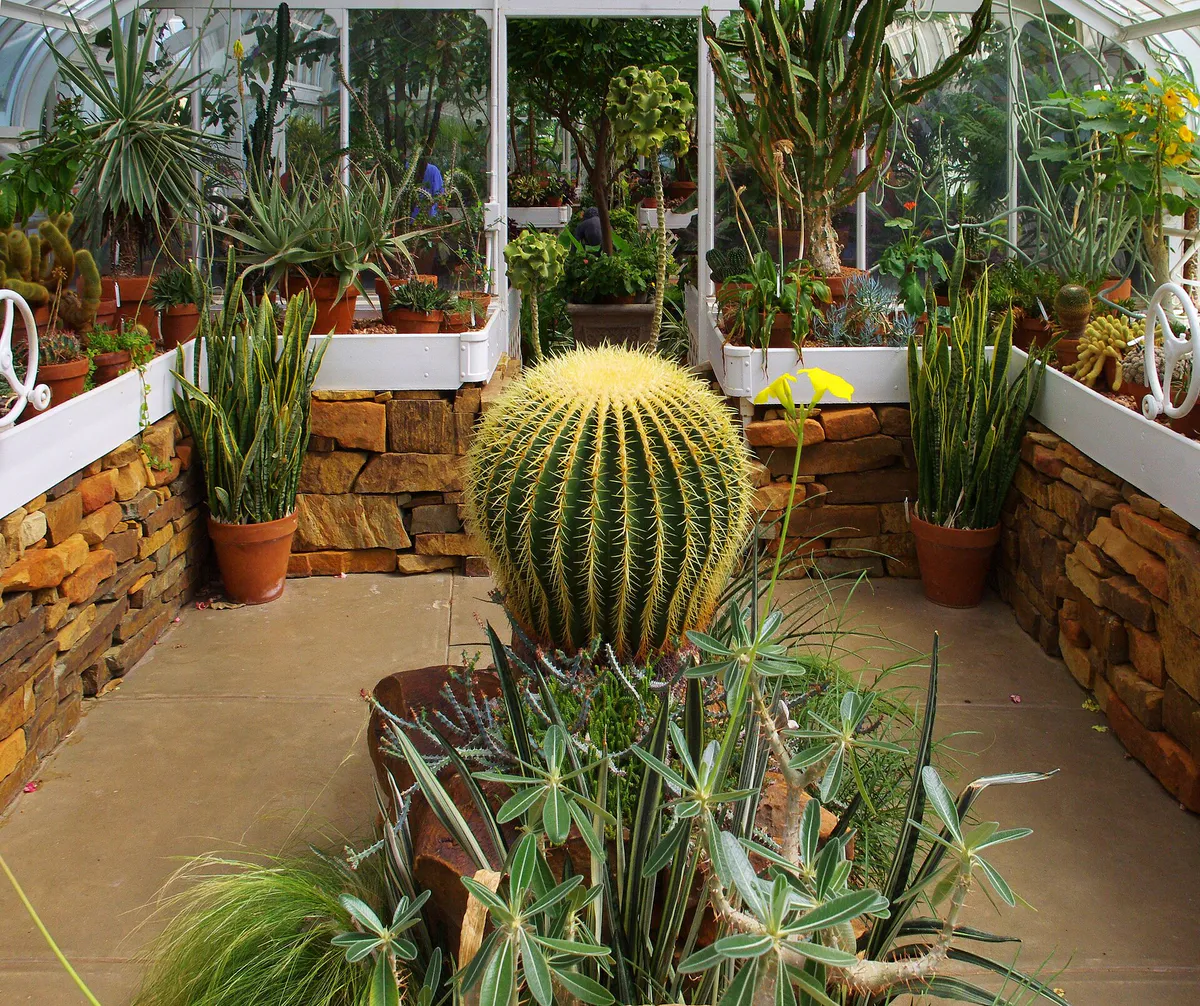
park, botanical garden, and arboretum in Tulsa, Oklahoma, United States
performing arts center in Tulsa, Oklahoma, United States
museum in Tulsa, Oklahoma
Notable places are selected from structured public destination data and ranked for relevance, prominence, proximity, and variety.
Local decision signals
A useful local recommendation depends on how the city actually works. These conditions affect where to go, what to do, and whether a plan makes sense right now.
On-street parking meters downtown are enforced Monday through Friday during business hours, but street parking is completely free after 5:00 PM on weekdays, all day on weekends, and on city holidays.
May is Tulsa's wettest and stormiest month. Keep a radar app handy for severe thunderstorm and tornado alerts, and always have an indoor backup plan for outdoor afternoon outings.
The original Gilcrease Museum facility was demolished for a total $140M redesign. The main grounds and new building remain closed to the public until its grand reopening in early 2027.
Traffic friction across core urban districts (Arts, Greenwood, Blue Dome, Deco, Pearl, Cherry Street) is minimal—most driving trips take 10 to 15 minutes. Commuting from Downtown to South Tulsa takes 20 to 25 minutes.
The AERO Bus Rapid Transit line runs along Peoria Avenue every 15–20 minutes, cleanly linking North Tulsa, Downtown, Brookside, and South Tulsa without requiring a rental car.
On the first Friday evening of every month (6:00 PM – 9:00 PM), the Tulsa Arts District hosts block-wide open galleries, street vendors, live music, and free museum entries.
July and August heat indices regularly cross 100°F. Schedule physical outdoor activities like Turkey Mountain hikes or Gathering Place playground trips before 9:30 AM or after 7:30 PM.
Neighborhood context
Neighborhoods are not interchangeable. Each area offers a different balance of atmosphere, transportation, food, nightlife, activities, and planning friction.
Best for: Museums, historic live music, craft cocktails, and walkable night outings
Anchored by Cain's Ballroom, Tulsa Theater, Bob Dylan Center, Woody Guthrie Center, and Guthrie Green, this northern downtown hub is packed with art galleries, patio restaurants, and polished cocktail bars.
Best for: Deep local history, cultural heritage, and minor league baseball
Known historically as 'Black Wall Street', Greenwood lies directly east of the Arts District. It houses Greenwood Rising History Center, John Hope Franklin Reconciliation Park, and ONEOK Field.
Best for: High-energy pub crawls, craft beer halls, bowling, and casual group dinners
Centered around the iconic 1924 Blue Dome Gulf station at 2nd and Elgin, this district is the epicenter for casual nightlife, featuring retro bowling, Irish pubs, and beer gardens.
Best for: Architectural walking tours, boutique hotels, business lunches, and pre-show dining
Located in central downtown along Boston Avenue and 5th/6th Streets, boasting one of the nation's richest collections of Art Deco skyscrapers alongside corporate towers and fine dining.
Best for: Weekend brunch, local boutiques, antique shopping, and cozy dinners
A charming midtown commercial stretch framed by historic residential neighborhoods, featuring local coffee houses, upscale bistros, patio dining, and independent shops.
Best for: Patio dining, casual evening drinks, and easy access to River Parks trails
Stretching along South Peoria Avenue between 31st and 51st Streets, Brookside balances a suburban-urban feel with high-end dining, neighborhood taverns, and quick connections to Gathering Place.
Best for: Microbreweries, indie bakeries, music recording history, and creative studios
An industrial-chic neighborhood centered around 6th Street just east of downtown. It is home to nationally recognized craft breweries, artisanal bakeries, and Leon Russell's historic Church Studio.
Best for: Independent cinema, Saturday farmers markets, artisan goods, and Hispanic cuisine
Located around 6th and Lewis near the University of Tulsa, this historic Main Street district features the indie Circle Cinema, the open-air Tulsa Farmers Market, and vibrant local eateries.
Tulsa local guide
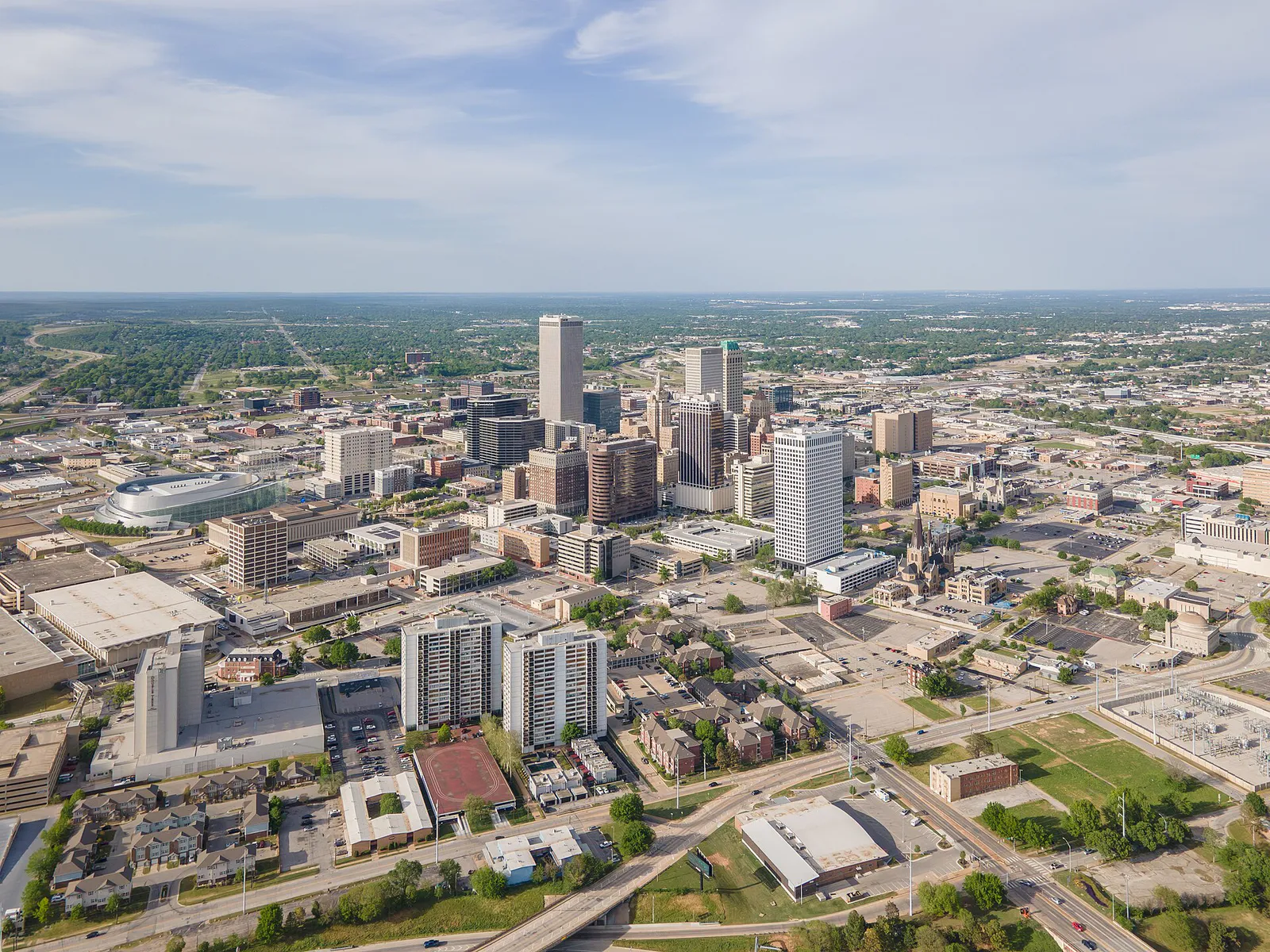
Tulsa's urban core is remarkably concise, organized around distinct, highly themed micro-districts. Downtown proper is encircled by the Inner Dispersal Loop (IDL), a tight highway ring formed by Interstate 244, US-75, and State Highway 51. Inside or immediately adjacent to this loop, you will find the Tulsa Arts District, Greenwood, Blue Dome, the Deco District, East Village, SoBo, and the Pearl District. Moving between these core pockets takes less than 5 to 10 minutes by car or scooter, making multi-stop itineraries nearly effortless.
Just south of the highway loop lie the midtown corridors: Cherry Street (15th Street), Brookside (Peoria Avenue), and Kendall-Whittier (6th Street). While driving is the dominant mode of transit across the metro, pedestrian walkability is exceptional *within* each specific district. Furthermore, the Peoria AERO BRT line provides continuous rapid bus service linking North Tulsa, Downtown, Brookside, and South Tulsa, while the 26-mile River Parks continuous paved trail network offers non-motorized access along the Arkansas River.
Local travel friction is minimal compared to larger metropolitan areas. Street parking in downtown is inexpensive or free after 5:00 PM on weekdays and all day on weekends. Traffic bottlenecks primarily occur during weekday peak commuter hours along Interstate 44 interchanges or immediately surrounding major arena concerts at the 19,000-seat BOK Center.
Explore your options
Tulsa’s food culture is deeply rooted in Oklahoma working-class staples, Route 66 diner traditions, and a flourishing modern craft brewery movement.
A Depression-era classic where shredded sweet onions are smashed directly into fresh beef patties on a red-hot flat top, caramelizing the onions into the meat.
Tulsa has maintained a distinct Greek-style coney tradition since 1926 alongside real hickory-smoked Oklahoma barbecue.
The city's brewing epicenter features nationally acclaimed sour programs, Belgian ales, and 100% gluten-free craft brewing.
The Tulsa Global District along East 21st Street is rich in authentic international markets, street tacos, panaderías, and pupuserías.
Practical local guidance
Experiencing the best of Tulsa does not require a heavy spend. These high-value local spots cost little to nothing to explore:
A simpler way to decide
Follow this balanced single-day itinerary to capture Tulsa's history, urban arts, riverfront nature, and evening music scene without feeling rushed.
Start your day with local coffee and breakfast along East 11th Street near Mother Road Market, soaking in early morning Route 66 vibes.
Head to Greenwood Rising History Center for a moving exploration of Black Wall Street. Walk two blocks west into the Tulsa Arts District to visit the Bob Dylan Center or Woody Guthrie Center.
Grab a classic Oklahoma smashed onion burger at Sun Cattle Co. or sample various local vendors inside Mother Road Market.
If you prefer fine art and formal Italianate gardens, head to Philbrook Museum in Midtown. If you prefer outdoor activity, head to Gathering Place to walk the river lawns and boathouse docks.
Enjoy a rooftop draft beer at Welltown Brewing or a cocktail in the Arts District before settling into a bistro dinner on Cherry Street or pub dining in Blue Dome.
Finish your night testing the echo at the Center of the Universe bridge, then catch a live concert at Cain's Ballroom or Red Dirt/Americana music at Mercury Lounge.
Common local questions
These are common situations people face when trying to decide where to eat, what to do, where to get drinks, or how to spend their time in Tulsa.
Tulsa planning questions
Practical answers for people deciding where to eat, what to do, where to go, or how to make plans in Tulsa.
No. On-street parking meters downtown are enforced only during weekday business hours. Street parking is completely free after 5:00 PM on weekdays, all day on Saturdays and Sundays, and on city holidays. Plenty of surface lots and garages exist near the BOK Center and Arts District ranging from low daily rates to event pricing.
Staying in Downtown Tulsa—specifically within the Tulsa Arts District, Blue Dome, or Deco District—puts you within walking distance of major concert venues, museums, Greenwood Rising, and top-tier dining. Midtown near Cherry Street or Brookside is also excellent for a quieter, residential vibe.
Gathering Place is located along the Arkansas River at 2650 S. John Williams Way. Admission is 100% free to the public, including access to playgrounds, sports courts, and Peggy's Pond boathouse rentals. Free parking lots are located directly on-site along Riverside Drive.
It is an acoustic anomaly located on the pedestrian overpass bridge on Boston Avenue between 1st and Archer Streets. When you stand in the center of the small brick circle and speak, your voice echoes back loudly to you in a distorted tone, while people standing outside the circle hear nothing.
Spring (especially April and May) brings frequent severe thunderstorms and occasional tornado watches; keep a local weather app active. Summer (July–August) brings high humidity and heat indices exceeding 100°F, requiring outdoor activities to be scheduled early in the morning or late in the evening.
MetroLink Tulsa operates the AERO BRT (Bus Rapid Transit) along Peoria Avenue, running every 15–20 minutes between North Tulsa, Downtown, Brookside, and South Tulsa. Onboard amenities include level boarding, Wi-Fi, and bike racks.
An Oklahoma onion burger features thin-sliced onions pressed directly into fresh ground beef on a hot griddle until crisp and caramelized. Top spots to try them in Tulsa include Sun Cattle Co. in SoBo/Downtown and Tucker's Onion Burgers in Midtown.
Held on the first Friday of every month from 6:00 PM to 9:00 PM, galleries, museums, and shops in the Tulsa Arts District stay open late with free admission, live street music, outdoor art markets, and pop-up food vendors.
No. The main Gilcrease Museum facility was demolished for a comprehensive $140M rebuilding project. The new museum building is scheduled to open to the public in early 2027.
Cain's Ballroom (the historic 'Home of Bob Wills') and the Tulsa Theater are top historic venues for national touring acts. BOK Center hosts major arena tours, while Mercury Lounge, Venue Shrine, and Soundpony feature local live music, Red Dirt, and indie bands.
Source transparency
Official and locally relevant sources used to verify the practical information presented in this Tulsa decision guide.
Tulsa decision engine
Tell Adventria what kind of experience you want, set your practical limits, and turn the options in Tulsa into one workable plan.
Choose a Tulsa Plan