City Center (Downtown Core)
Best for
Walkable upscale dining, cocktail lounges, boutique hotels, and civic plazas.
 AdventriaLocalOpen App
Local Durham Planning & Itinerary Guide
Trying to decide what to do in Durham? Adventria helps you cut through the options and choose a good-enough plan without endless scrolling. Whether you are deciding where to dine before a DPAC show, looking for shaded summer hikes along the Eno River, or navigating 'The Bullpen' social district with friends, this guide delivers real-time execution logic for Durham, North Carolina.
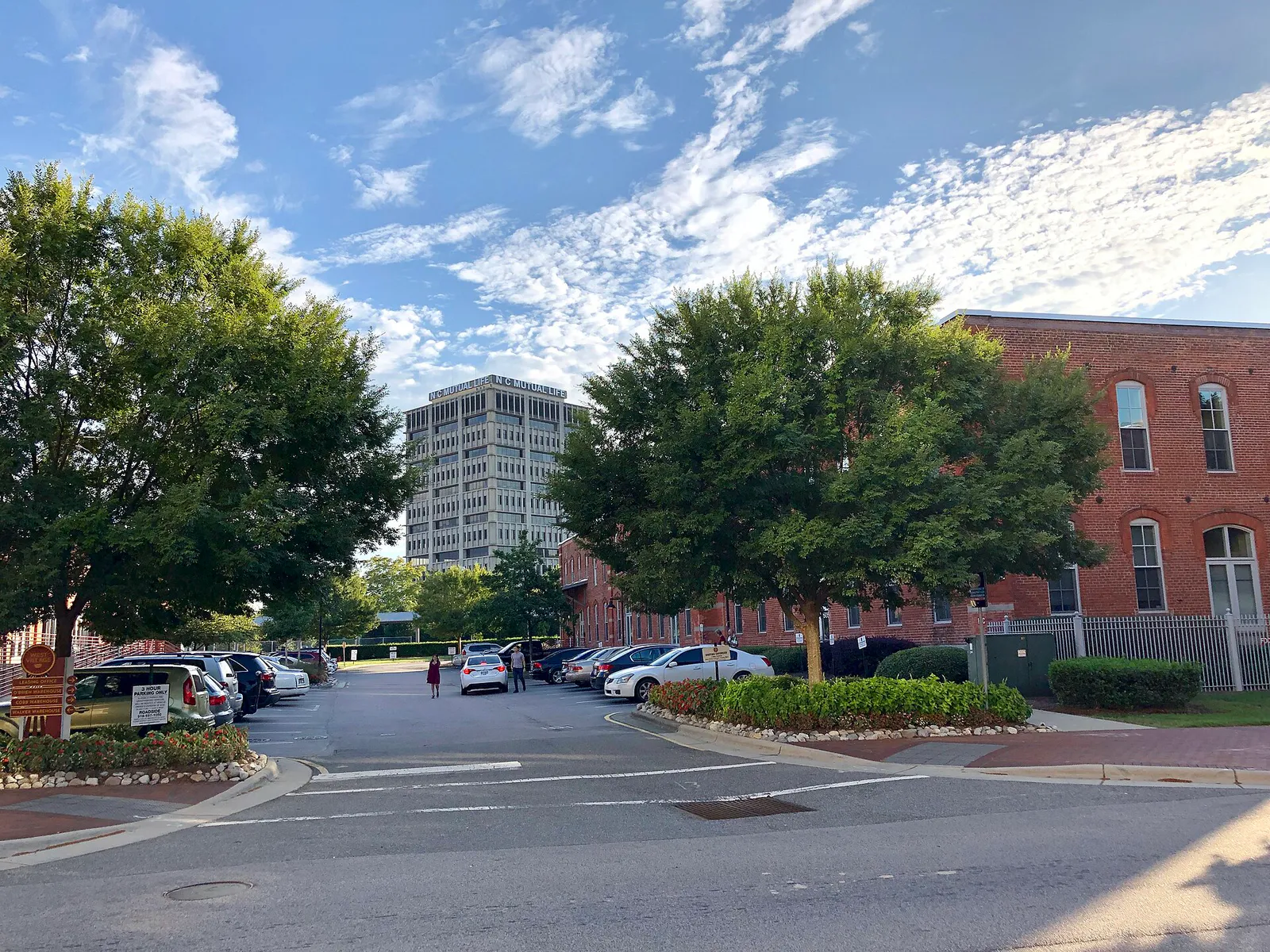
The local decision problem
Navigating Durham's distinct subdistricts, event-driven bottlenecks, thermal microclimates, and dining options to build seamless daily itineraries.
That is where Adventria comes in. Adventria helps narrow the options in Durham around practical factors like location, distance, budget, vibe, who you are with, and the kind of experience you actually want, so research can turn into a decision.
Let Adventria narrow the optionsPick the right part of town
Different parts of Durham work for different kinds of plans. Start with the experience you want, then narrow the map.
Best for
Walkable upscale dining, cocktail lounges, boutique hotels, and civic plazas.
Best for
Pre-theater dining, minor league baseball, historic industrial architecture, and corporate hubs.
Best for
Craft breweries, food truck gatherings, weekend farmers markets, and casual nightlife.
Best for
College town atmosphere, independent bookstores, casual diners, and student amenities.
Best for
Artist studios, spacious taprooms, live events, and industrial loft aesthetics.
Best for
Courtyard retail, historic warehouse charm, and transitional dining between downtown and Duke.
This is a quick starting point. The full guide covers 8 local neighborhoods and districts in Durham.
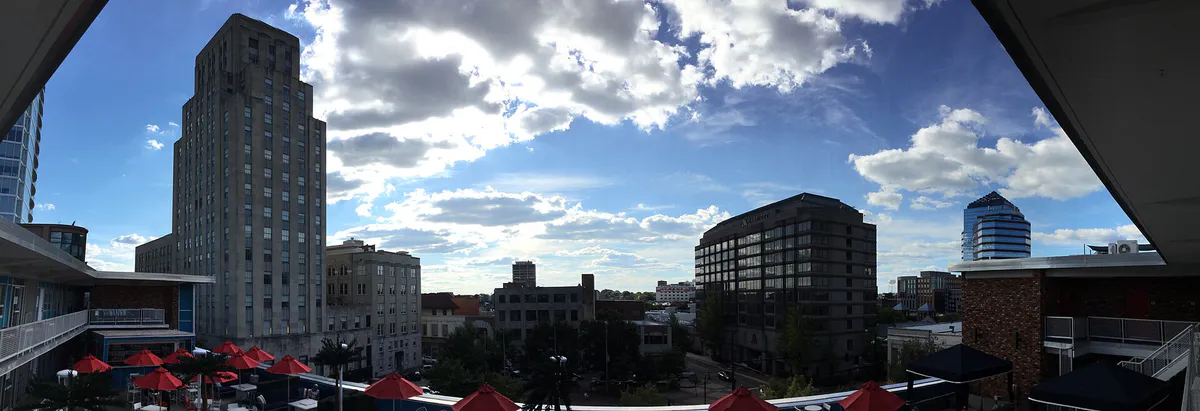
Eat & drink
Trying to decide where to eat in Durham? Start with the local dining context below and narrow the decision around the kind of meal or experience you actually want.
For upscale chef-driven dining or craft cocktails (like M Sushi, Viceroy, or Mateo Bar de Tapas), head directly to City Center along Main and Corcoran Streets. If you need efficient dining prior to a show or game, head to the American Tobacco Campus for options like Boricua Soul, Press, or Ekhaya. For casual outdoor eating near beer gardens, choose the Central Park / Geer Street corridor.
Still comparing options? Adventria can narrow the choice around budget, distance, vibe, and who you are with.
Decide with AdventriaPlan by situation
Start with the kind of plan you are actually trying to make. These city-specific ideas narrow the choice around who you are with, what you want to spend, the weather, and the kind of outing you want.
Stroll through the Asiatic Arboretum at Sarah P. Duke Gardens before enjoying cocktails at Kingfisher or Alley Twenty Six. Reserve a table at M Sushi or Mateo Bar de Tapas, and end the night with a Broadway performance at the Durham Performing Arts Center (DPAC).
Head directly to the 84-acre Museum of Life and Science to explore the two-story Butterfly House, outdoor Dinosaur Trail, and red wolf habitats. Alternatively, let kids play at Durham Central Park's interactive playground before getting artisanal ice cream at The Parlour on CCB Plaza.
Spend a rainy afternoon touring the contemporary art exhibits inside 21c Museum Hotel (free and open 24/7 in a historic restored bank building). Follow it with an indie film at The Carolina Theatre or interactive indoor science exhibits at the Museum of Life and Science.
Walk or jog the popular 1.6-mile unpaved loop encircling Duke's East Campus, then grab a quiet coffee and read at Cocoa Cinnamon or Foster Street Coffee. Spend an uninterrupted afternoon browsing local history exhibits at the Museum of Durham History or indie books at The Regulator Bookshop on Ninth Street.
For an outdoor plan from Durham, compare trails, state parks, national parks within trip range, and scenic drives. Options in the current city guide include Eno River State Park and William B. Umstead State Park.
Admission to Sarah P. Duke Gardens, Duke Chapel, and the Museum of Durham History is completely free (hourly parking fees apply at Duke Gardens). You can also hike the 28+ miles of trails in Eno River State Park or walk the 22.5-mile paved American Tobacco Trail without spending anything.
Gather large groups at brewery taprooms with abundant indoor and outdoor seating, such as Hi-Wire Brewing at Golden Belt or Ponysaurus Brewing. For activity-based group outings, head to Boxcar Bar+Arcade or Pour Taproom, which features a self-serve tap wall.
Outdoors nearby
Use these nearby outdoor options when the plan calls for a trail, protected landscape, park, or drive instead of another indoor stop. Proximity here is geographic, not a promise about driving time.
Get out of town
When staying in town is not the answer, these nearby destinations give you a smaller starting set for a day trip, overnight escape, or weekend away.
Destination relationships are screened geographically. Straight-line proximity is not presented as road mileage or estimated travel time.
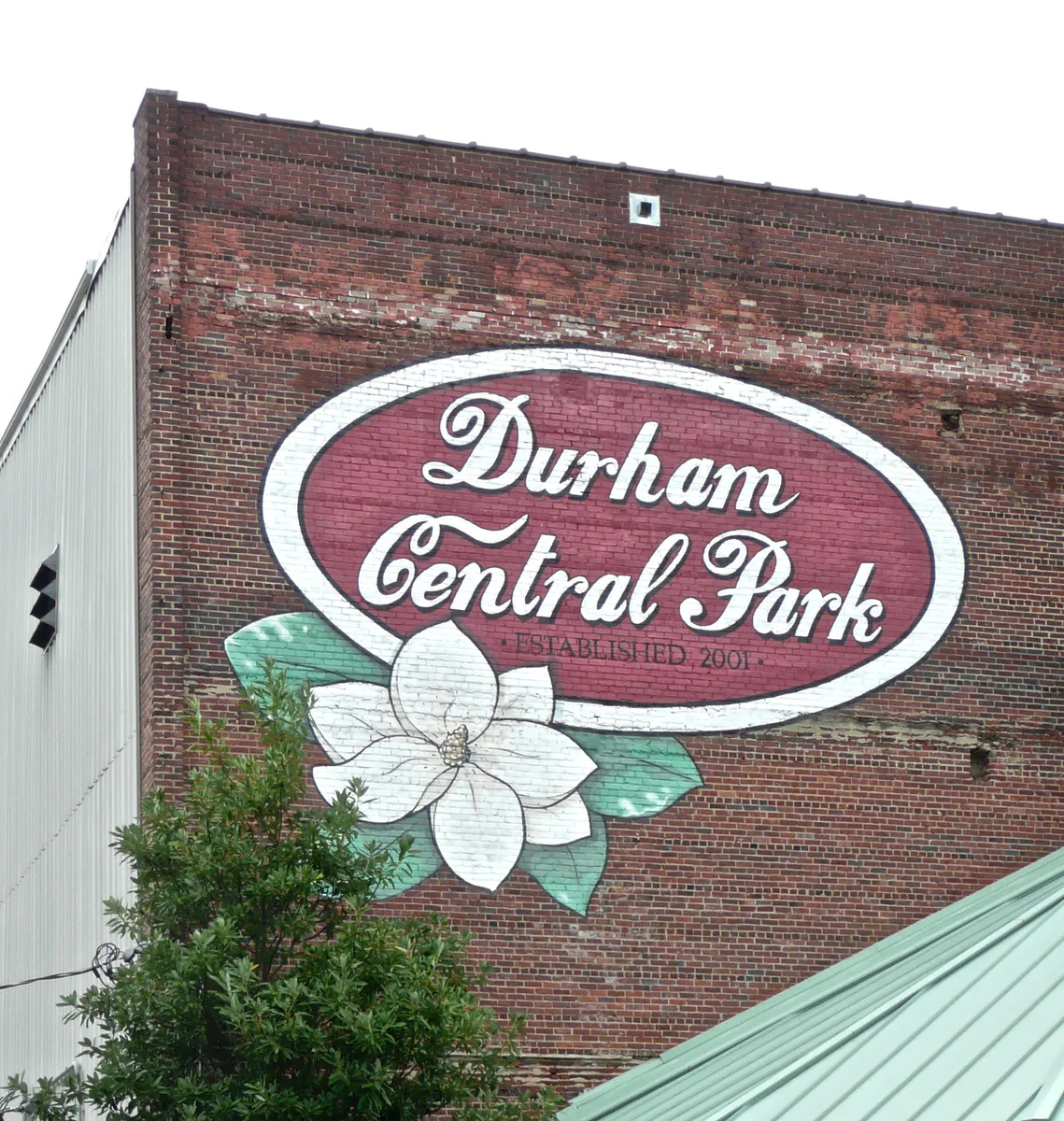
Local landmarks & attractions
These notable destinations offer a starting point when you want something specific to see, visit, or build into a day around Durham. Distances are approximate from the city area.
botanical garden in Chapel Hill, North Carolina, USA
state art museum in Raleigh, North Carolina
indoor arena, located in Raleigh, North Carolina
state capitol building of the U.S. state of North Carolina
theater and former movie theater in Durham, North Carolina, United States
science museum, children's museum, and zoo in Durham, North Carolina
museum in Durham, North Carolina
fire drill tower
Notable places are selected from structured public destination data and ranked for relevance, prominence, proximity, and variety.
Local decision signals
A useful local recommendation depends on how the city actually works. These conditions affect where to go, what to do, and whether a plan makes sense right now.
Active Norfolk Southern and CSX rail lines parallel Pettigrew Street, physically separating City Center/Brightleaf from American Tobacco and Southside. Crossings occur primarily via Mangum, Roxboro, or Chapel Hill Streets.
When a sold-out DPAC Broadway performance coincides with a Durham Bulls home game, Blackwell, Mangum, and Pettigrew Streets experience extreme congestion 60 to 90 minutes before showtime.
Operates 7 days a week from 11:00 AM to 10:00 PM. Designated 16 oz eco-friendly cups purchased from participating ABC venues allow outdoor drinking within marked downtown boundaries.
CAPA heat watch studies show uncanopied pavement in Downtown Durham reaches 8°F to 10°F hotter than shaded residential neighborhoods like Forest Hills or Duke Forest on summer afternoons.
Late March through mid-April brings heavy pine pollen ('Pollenocalypse'), coating outdoor surfaces in yellow dust and making indoor or heavily shaded venues preferable.
Municipal GoDurham buses operate completely fare-free across all routes, with the central transfer hub located at Durham Station on Pettigrew Street.
Municipal parking decks (Corcoran, Morgan Rigsbee, Chapel Hill St) offer the first hour free before hourly charging begins.
Neighborhood context
Neighborhoods are not interchangeable. Each area offers a different balance of atmosphere, transportation, food, nightlife, activities, and planning friction.
Best for: Walkable upscale dining, cocktail lounges, boutique hotels, and civic plazas.
Anchored by Main Street, Corcoran Street, and CCB Plaza (home to the 'Major' bull statue), City Center offers high-density chef-driven restaurants, craft cocktail bars, and converted bank-building hotels.
Best for: Pre-theater dining, minor league baseball, historic industrial architecture, and corporate hubs.
A renovated 1-square-mile former Lucky Strike tobacco factory complex featuring exposed brick, an ambient water canal, Durham Bulls Athletic Park, DPAC, and multi-concept dining.
Best for: Craft breweries, food truck gatherings, weekend farmers markets, and casual nightlife.
Located north of City Center along Foster and Morgan Streets, this industrial-hip enclave surrounds 5-acre Durham Central Park and houses legendary breweries, skateparks, and open-air venues.
Best for: College town atmosphere, independent bookstores, casual diners, and student amenities.
A historic mill village commercial corridor running parallel to Duke University's East Campus, packed with eclectic independent retail, coffee shops, and low-key eateries.
Best for: Artist studios, spacious taprooms, live events, and industrial loft aesthetics.
Situated on the eastern edge of downtown, this converted textile mill complex hosts local artist studios, spacious brewery taprooms, and creative performance spaces.
Best for: Courtyard retail, historic warehouse charm, and transitional dining between downtown and Duke.
Centered around restored 19th-century tobacco brick warehouses on Main and Gregson Streets, providing open courtyard seating, boutique shopping, and easy access to East Campus.
Best for: Gothic architecture, botanical gardens, collegiate athletics, and museum visits.
Divided between Neo-Gothic West Campus and Georgian East Campus, this area encompasses Sarah P. Duke Gardens, Duke Chapel, Cameron Indoor Stadium, and the Nasher Museum of Art.
Best for: Black cultural heritage, historic civil rights landmarks, and community arts.
Located south of NC-147, Hayti is Durham's historic Black cultural epicenter, anchored by the Hayti Heritage Center in St. Joseph's AME Church and the nearby Pauli Murray Center.
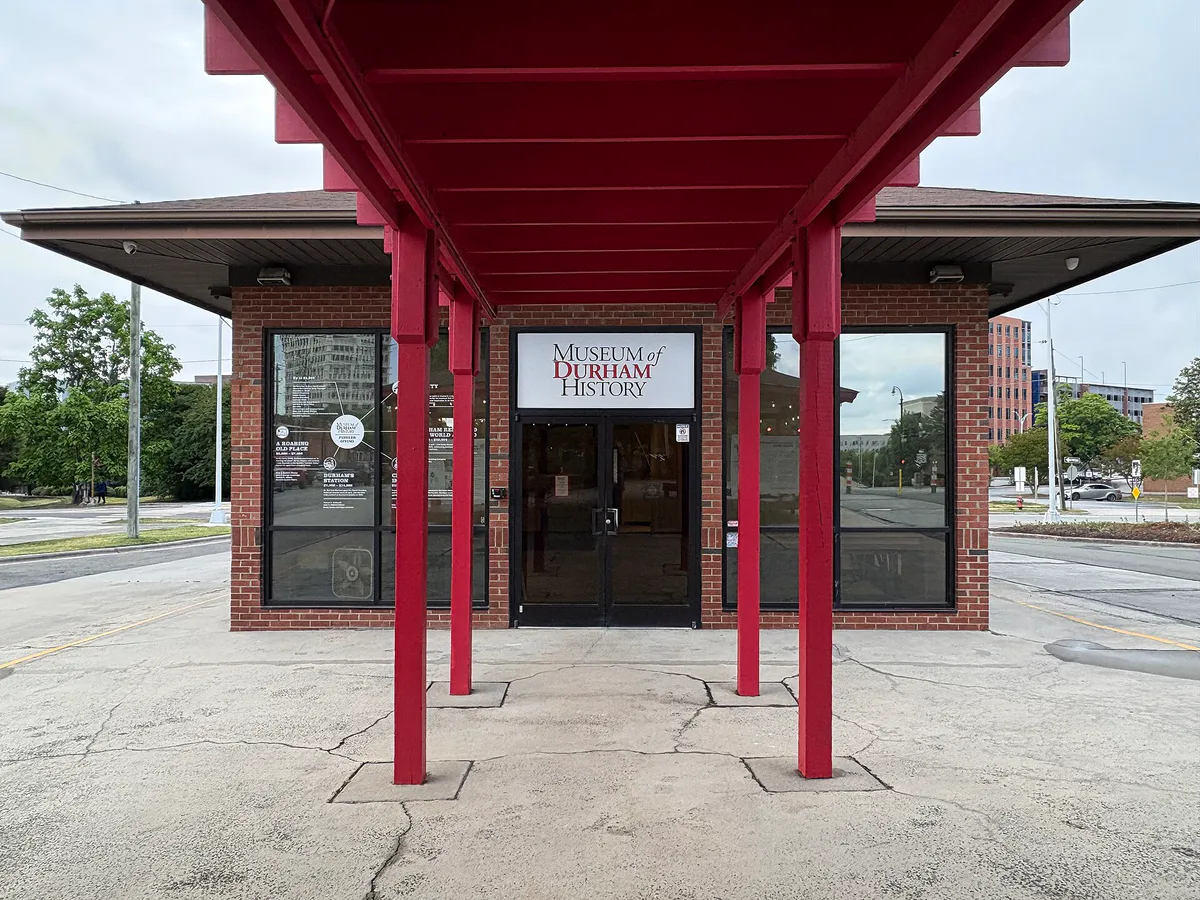
Durham local guide
Durham's geography reflects its historic transition from a 19th-century tobacco and textile manufacturing hub into a 21st-century center for biotech, education, and culinary arts. Because the city expanded outward from industrial rail corridors, navigating Durham effectively requires understanding a few key physical divides and event schedules.
The primary physical divider in downtown is the active Norfolk Southern and CSX railroad corridor running parallel to Pettigrew Street. This rail line splits downtown into two distinct zones: City Center and Brightleaf to the north, and American Tobacco, DBAP, and Southside to the south. Moving between these zones requires using primary underpasses and overpasses at Chapel Hill, Mangum, or Roxboro Streets.
Travel friction peaks during double-event nights. When the Durham Performing Arts Center (DPAC) hosts a sold-out Broadway show (2,700 seats) on the same evening the Durham Bulls play at home (10,000 capacity), Blackwell Street and Mangum Street experience severe gridlock. Driver workarounds include entering downtown via Roxboro Street from the east or parking in the Corcoran Street Deck north of the tracks to avoid south-side bottlenecking.
Explore your options
Match your group's specific itinerary goals to the Durham subdistrict best equipped to handle them.
City Center offers the highest concentration of award-winning restaurants and high-end cocktail bars within tight walking distance.
American Tobacco Historic District provides seamless access to major venues alongside easy pre-game dining.
Central Park / Geer Street Corridor features industrial taprooms, large outdoor patio beer gardens, and arcade bar entertainment.
Ninth Street / Old West Durham gives visitors a classic collegiate village experience directly beside Duke East Campus.
Practical local guidance
Downtown Durham permits outdoor drinking within marked district boundaries under specific operational guidelines.
A simpler way to decide
Follow this step-by-step checklist to avoid parking bottlenecks, long restaurant waits, and transit delays during busy evenings.
Verify whether DPAC, DBAP, or Duke Athletics have home events scheduled for your night out to anticipate traffic volumes.
If dining in City Center, park north of Pettigrew Street in the Corcoran or Morgan Rigsbee decks. If attending a Bulls game or DPAC show, park in the American Tobacco North/South decks.
If dining near American Tobacco on a show night, secure your restaurant table by 5:15 PM to avoid pre-curtain service rushes.
Take advantage of the city's municipal deck policy, where the first hour is free, before switching to hourly rates or mobile app metering.
After dinner, grab a beverage in an approved cup to stroll between CCB Plaza and Central Park while taking in public art installations.
Cap off the night with live indie music at The Pinhook, electronic performance art at The Fruit, or retro arcade games at Boxcar.
Common local questions
These are common situations people face when trying to decide where to eat, what to do, where to get drinks, or how to spend their time in Durham.
Durham planning questions
Practical answers for people deciding where to eat, what to do, where to go, or how to make plans in Durham.
Operating 7 days a week from 11:00 AM to 10:00 PM, 'The Bullpen' allows patrons aged 21 and older to carry open alcoholic beverages in official 16 oz cups on sidewalks within marked downtown boundaries. Drinks must be bought from licensed establishments displaying 'Order Here' stickers.
Park in the American Tobacco North or South Decks for direct access, but arrive 60 to 90 minutes before event start times. Alternatively, park in the Corcoran Street Deck north of the railroad tracks in City Center and walk across the Pettigrew Street overpasses to avoid post-event traffic congestion.
Yes, GoDurham municipal buses currently operate fare-free across the city. The primary transit hub where all routes meet is Durham Station, located at 515 W. Pettigrew Street.
Avoid Science Drive, Duke University Road, and NC-751 during two hours before and after home basketball games at Cameron Indoor Stadium. Use Erwin Road or I-85 to bypass the western campus area entirely.
Choose heavily canopy-covered trail networks along the river at Eno River State Park or West Point on the Eno rather than unshaded downtown plazas, as dense tree cover keeps ambient trail temperatures significantly cooler.
Yes, admission to Sarah P. Duke Gardens is completely free and open to the public daily. However, hourly parking fees apply in the main parking lots off Anderson Street.
Check out low-cost indie, queer-friendly, and underground live performance schedules at venues like The Pinhook, Motorco Music Hall, and The Fruit, or catch free seasonal concert series hosted at Durham Central Park.
City Center, American Tobacco, Central Park, and Ninth Street are Durham's most walkable subdistricts, offering high concentrations of restaurants, bars, and retail within short walking blocks.
During the peak pine pollen season from late March to mid-April ('Pollenocalypse'), shift dining plans indoors, clear vehicle air filters, and choose indoor attractions like the Museum of Life and Science or 21c Museum Hotel galleries.
Source transparency
Official and locally relevant sources used to verify the practical information presented in this Durham decision guide.
Durham decision engine
Tell Adventria what kind of experience you want, set your practical limits, and turn the options in Durham into one workable plan.
Choose a Durham Plan