Downtown Historic District
Best for
Walkable dining, public art, craft breweries, and live theatre performance.
 AdventriaLocalOpen App
Grand Valley Travel & Activity Planning
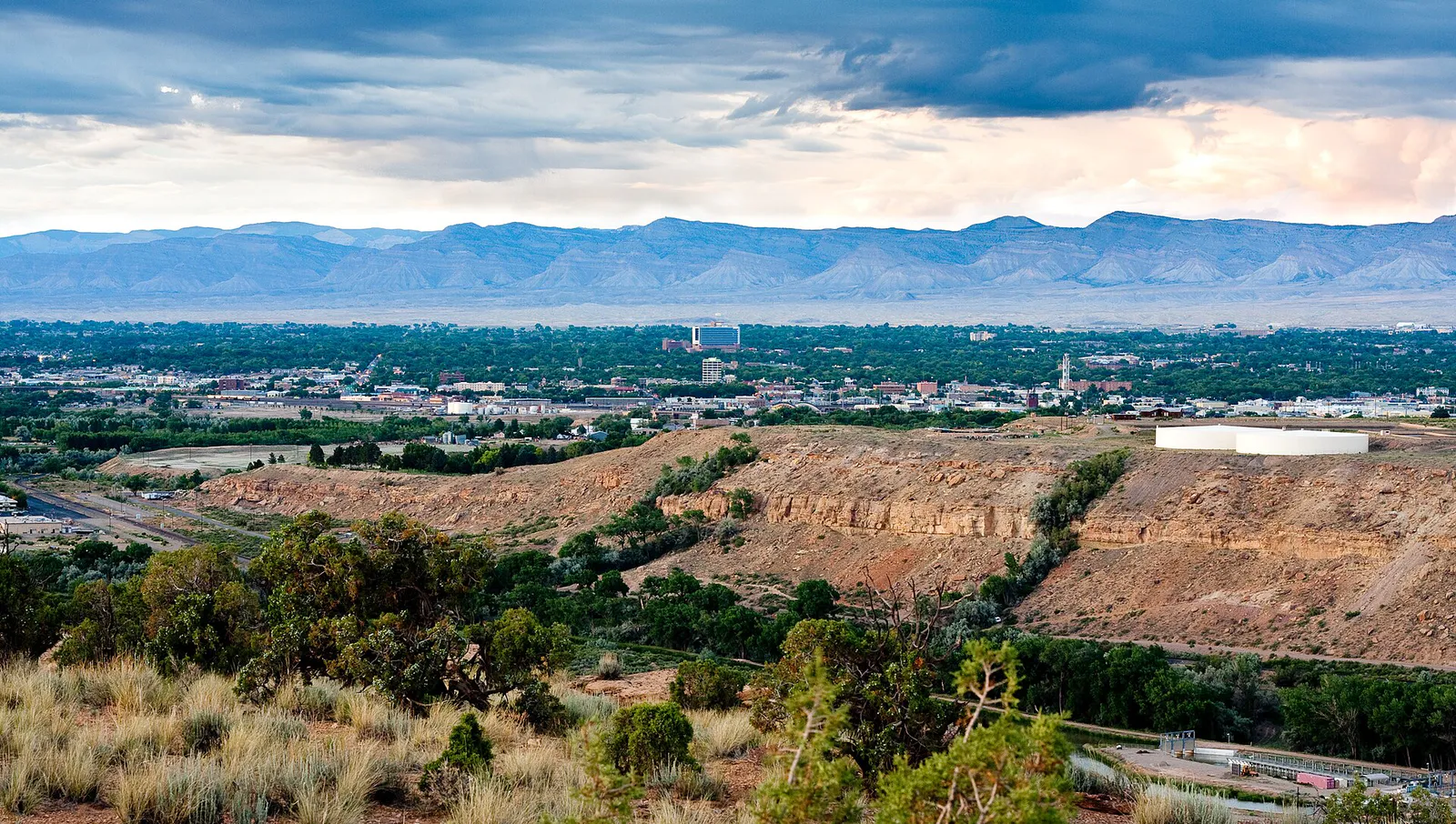
Trying to decide what to do in Grand Junction? Adventria helps you cut through the options and choose a good-enough plan without endless scrolling. From the red sandstone canyons of Colorado National Monument to the historic art-lined blocks of Main Street, Grand Junction serves as the commercial and outdoor hub of the Grand Valley. Use this guide to navigate local transit schedules, summer heat shifts, wet trail rules, and neighborhood distinctions.
The local decision problem
How to navigate Grand Junction's high-desert landscape, regional transit gaps, seasonal weather extremes, and distinct district offerings without getting stranded or caught off guard by early local closures.
That is where Adventria comes in. Adventria helps narrow the options in Grand Junction around practical factors like location, distance, budget, vibe, who you are with, and the kind of experience you actually want, so research can turn into a decision.
Let Adventria narrow the optionsPick the right part of town
Different parts of Grand Junction work for different kinds of plans. Start with the experience you want, then narrow the map.
Best for
Walkable dining, public art, craft breweries, and live theatre performance.
Best for
Hillside residential scenic views, golf, and immediate singletrack mountain biking access.
Best for
Elevated river views, parks, and quiet residential streets.
Best for
Campus cultural venues, interactive science exhibits, and high-density dining.
Best for
Commercial retail, suburban convenience, and fast casual dining.
Best for
Affordable lodging, highway access, and state park water recreation.
This is a quick starting point. The full guide covers 9 local neighborhoods and districts in Grand Junction.
Eat & drink
Trying to decide where to eat in Grand Junction? Start with the local dining context below and narrow the decision around the kind of meal or experience you actually want.
Head to Main Street in the Downtown Historic District for chef-driven local bistros, pub grills, and craft breweries such as Rockslide Restaurant & Brewery, Ramblebine Brewing Company, or Trail Life Brewing. Menus frequently highlight regional produce like Palisade peaches and Olathe sweet corn. Note that most downtown kitchens wrap up order intake by 8:30 PM or 9:00 PM on weeknights, so aim to sit down early.
Still comparing options? Adventria can narrow the choice around budget, distance, vibe, and who you are with.
Decide with AdventriaPlan by situation
Start with the kind of plan you are actually trying to make. These city-specific ideas narrow the choice around who you are with, what you want to spend, the weather, and the kind of outing you want.
For an outdoor plan from Grand Junction, compare trails, state parks, national parks within trip range, and scenic drives. Options in the current city guide include James M. Robb - Colorado River State Park - Connected Lakes and James M. Robb - Colorado River State Park.
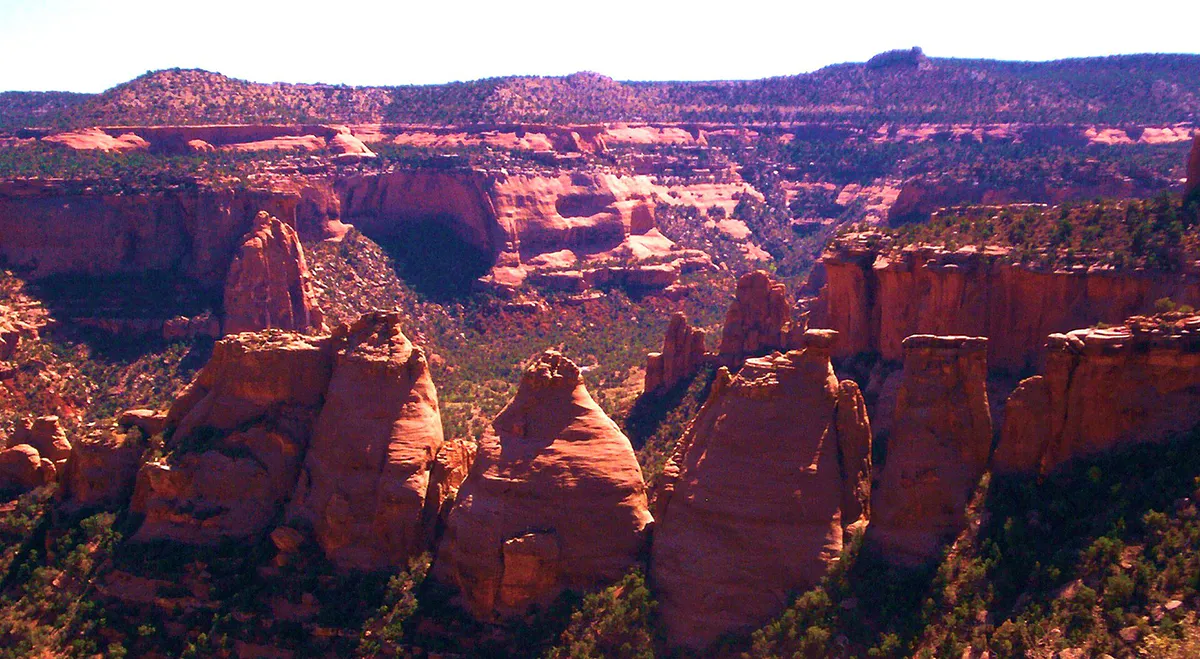
Start with a late-afternoon scenic drive along the 23-mile Rim Rock Drive in Colorado National Monument, visit Two Rivers Winery in Redlands for a tasting, enjoy speakeasy cocktails at Moody's Lounge downtown, and catch a performance at the historic Avalon Theatre or CMU's Asteria Theatre.
Explore the 28-mile paved Audubon Colorado Riverfront Trail, take advantage of free downtown street parking all weekend, catch the monthly Free First Friday at the Museum of the West, or enjoy panoramic bluffs overlooking the river at Eagle Rim Park.
Ride technical singletrack at the Lunch Loops Trail System on Monument Road, take a self-guided walking tour of the 100 outdoor sculptures comprising Art on the Corner downtown, or sample craft beer flights at Gemini Beer Co. at the historic Lowell School.
For a short escape from Grand Junction, compare Moab and Glenwood Springs. More options are listed in the trip section below.
Take kids to the hands-on Eureka! McConnell Science Museum inside CMU's Confluence Hall, spend the afternoon at Bananas Fun Park for go-karts and splash parks, explore mechanical dinosaurs at Dinosaur Journey in Fruita, or ride bicycles along the flat, paved Colorado Riverfront Trail.
Spend the day indoors at the Eureka! McConnell Science Museum on the CMU campus, explore local pioneer and uranium history at the Museum of the West downtown, book an escape room at Solve It Escape Games, or visit Dinosaur Journey just west in Fruita.
Outdoors nearby
Use these nearby outdoor options when the plan calls for a trail, protected landscape, park, or drive instead of another indoor stop. Proximity here is geographic, not a promise about driving time.
Get out of town
When staying in town is not the answer, these nearby destinations give you a smaller starting set for a day trip, overnight escape, or weekend away.
Destination relationships are screened geographically. Straight-line proximity is not presented as road mileage or estimated travel time.
Local landmarks & attractions
These notable destinations offer a starting point when you want something specific to see, visit, or build into a day around Grand Junction. Distances are approximate from the city area.
aviation museum in Grand Junction, Colorado
place in Colorado listed on National Register of Historic Places
stadium in Colorado
theatre building in Colorado, United States of America
historic district in Colorado, United States
Baseball park in Grand Junction, Colorado, US
Notable places are selected from structured public destination data and ranked for relevance, prominence, proximity, and variety.
Local decision signals
A useful local recommendation depends on how the city actually works. These conditions affect where to go, what to do, and whether a plan makes sense right now.
Grand Valley Transit (GVT) operates 12 fixed routes Monday through Saturday, but provides no bus service on Sundays or major federal holidays.
The bentonite clay around Lunch Loops turns into sticky, impassable mud when wet, damaging bike drivetrains and trails. Cyclists must pivot to the paved Riverfront Trail during damp conditions.
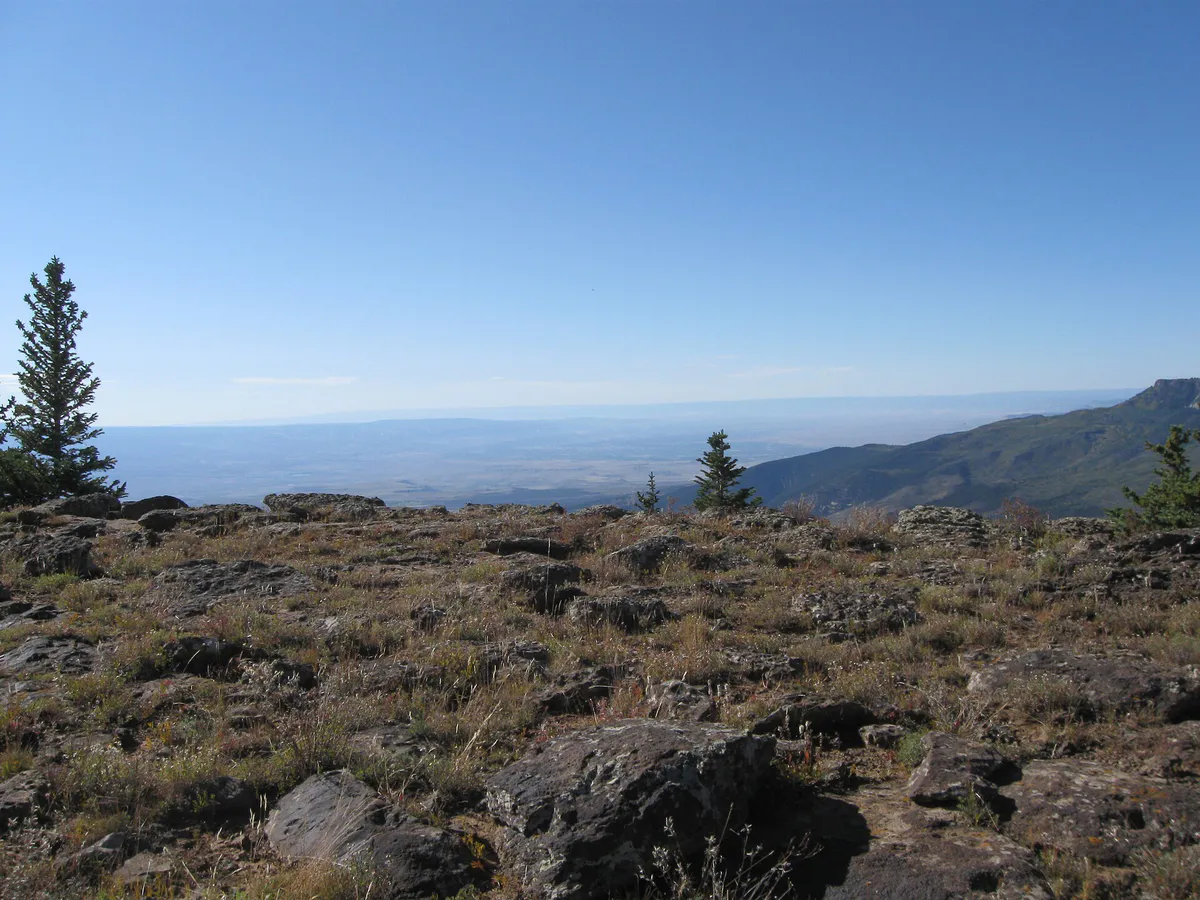
Summer valley temperatures routinely exceed 95°F–100°F. Outdoor recreation moves to early mornings or up to Grand Mesa, which sits above 10,000 feet and remains 20°F to 25°F cooler.
Crossing the Colorado River via CO-340 into Redlands or US-50 into Orchard Mesa causes localized rush-hour traffic slowdowns between 7:30–8:30 AM and 4:30–5:30 PM.
Downtown metered street parking is enforced Monday through Friday (8:00 AM – 4:00 PM). Parking is 100% free after 4:00 PM on weekdays, all day Saturday and Sunday, and on city holidays.
Independent restaurant kitchens in the downtown core frequently close by 8:30 PM or 9:00 PM on weeknights. Late-night dining past 10:00 PM is limited.
The Grand Valley urban footprint stretches roughly 35 miles along the I-70/US-6 corridor from Palisade to Loma, requiring 25 to 30 minutes to drive end-to-end.
Neighborhood context
Neighborhoods are not interchangeable. Each area offers a different balance of atmosphere, transportation, food, nightlife, activities, and planning friction.
Best for: Walkable dining, public art, craft breweries, and live theatre performance.
Centered along Main Street (300 to 700 blocks) and Colorado Avenue, bounded by 1st and 7th Streets. A state-certified Creative District with tree-lined brick sidewalks, the Art on the Corner sculpture exhibit, independent retail, historic architecture, and the Avalon Theatre.
Best for: Hillside residential scenic views, golf, and immediate singletrack mountain biking access.
Located west and southwest across the Colorado River along Highway 340 toward Colorado National Monument. Known for sandstone canyon backdrops, golf communities like Tiara Rado, and access to the Lunch Loops trailhead.
Best for: Elevated river views, parks, and quiet residential streets.
Situated south of the Colorado River and east of the Gunnison River confluence. Features elevated residential neighborhoods overlooking the river corridor, historic fruit orchards, and Eagle Rim Park.
Best for: Campus cultural venues, interactive science exhibits, and high-density dining.
Positioned directly north of downtown around North Avenue, 7th Street, and 12th Street. Anchored by Colorado Mesa University (CMU) and St. Mary's Medical Center, featuring student amenities, performance venues, and the Eureka! McConnell Science Museum.
Best for: Commercial retail, suburban convenience, and fast casual dining.
A dense suburban residential and commercial district east of 28 Road along Patterson Road (F Road) and North Avenue (D 1/2 Road), serving as an eastern retail corridor.
Best for: Affordable lodging, highway access, and state park water recreation.
An unincorporated Mesa County enclave east along I-70 Business Loop / Highway 6&24 and 32 Road. Features lower-cost housing and light industrial services, alongside the Corn Lake section of James M. Robb State Park.
Best for: Suburban-rural mix, agriculture, and quick highway logistics access.
Situated in the northwest quadrant near Highway 6&24 and I-70. Combines historic farm plots, modern residential subdivisions, and logistics hubs near I-70.
Best for: Wine tasting, peach orchards, farm-to-table dining, and road cycling.
Located 10 miles east along US-6/I-70. The agricultural heart of the Grand Valley, famous for fruit orchards, the Palisade Fruit & Wine Byway, and over 30 regional wineries.
Best for: World-class mountain biking, paleontology exhibits, and canyon access.
Located 6 miles west on I-70/US-50. An international mountain biking destination (18 Road, Kokopelli Trails), home to Dinosaur Journey Museum, and western gateway to Colorado National Monument.
Explore your options
Match your group's dynamic with Grand Junction's distinct outdoor, cultural, and educational assets.
Grand Junction offers immediate access to technical high-desert singletrack, paved scenic corridors, and river sports.
Interactive indoor museums and outdoor adventure parks keep younger visitors engaged across all seasons.
Grand Junction holds state-certified Creative District status with prominent public displays and stages.
The Western Slope agricultural corridor delivers regional wines, craft beers, and farm-fresh menus.
Practical local guidance
Experience the Grand Valley's scenery and culture without major expenses by using open public spaces and free community entry days.
A simpler way to decide
High-desert conditions require strategic timing to avoid heat exposure, wet clay trail damage, and transit limitations.
If rain has fallen within the last 24–48 hours, avoid unpaved desert dirt trails like Lunch Loops due to bentonite clay mud. Immediately pivot to the paved Audubon Colorado Riverfront Trail.
During summer months (June through August), complete canyon hikes at Colorado National Monument before 10:00 AM. If exploring later in the day, drive up Highway 65 to Grand Mesa for cooler alpine temperatures.
If relying on Grand Valley Transit (GVT) buses, verify routes for Monday–Saturday operations. If traveling on a Sunday, arrange private vehicles, bicycles, or rideshares, as buses do not run.
Schedule indoor visits to the Eureka! McConnell Science Museum or the Museum of the West during peak afternoon heat.
Target sitting down for dinner in the Downtown Historic District before 8:00 PM, as many independent downtown kitchens close by 8:30 PM or 9:00 PM on weeknights.
Common local questions
These are common situations people face when trying to decide where to eat, what to do, where to get drinks, or how to spend their time in Grand Junction.
Grand Junction planning questions
Practical answers for people deciding where to eat, what to do, where to go, or how to make plans in Grand Junction.
Grand Valley Transit (GVT) operates 12 fixed routes Monday through Saturday serving Grand Junction, Fruita, Palisade, Clifton, and Orchard Mesa. Route fares can be paid with cash or via the Token Transit mobile app. CMU students ride free with a MAVcard. Note that GVT operates no service on Sundays or federal holidays.
Street parking downtown is metered Monday through Friday, 8:00 AM to 4:00 PM. Parking is completely free after 4:00 PM on weekdays, all day Saturday and Sunday, and on official city holidays. The 300 block of Main Street also offers limited free short-term parking. Vehicles with valid disability placards park free at any street meter.
Do not ride or hike unpaved desert trails like Lunch Loops when wet; bentonite clay sticks to tires and damages trail infrastructure. Switch your outing to the paved 28-mile Audubon Colorado Riverfront Trail, which remains open and rideable in damp weather.
Complete desert canyon hikes early in the morning before 10:00 AM. For afternoon outdoor plans, take Highway 65 up to Grand Mesa; sits over 10,000 feet elevation and stays 20°F to 25°F cooler than the valley floor.
Top indoor choices include the hands-on Eureka! McConnell Science Museum at CMU, the Museum of the West, Solve It Escape Games, The Art Center of Western Colorado, or Dinosaur Journey in nearby Fruita.
Independent restaurant kitchens in downtown Grand Junction routinely close by 8:30 PM or 9:00 PM on weeknights. Late-night food options past 10:00 PM are limited mainly to select local bars and fast-food drive-thrus.
Amtrak's California Zephyr stops daily at the Grand Junction station on 1st Street. Regional Bustang and Bustang Outrider buses depart from the Downtown Transfer Facility (6th St & South Ave) heading toward Denver and Durango.
Fruita is approximately 6 miles west on I-70/US-50, while Palisade is about 10 miles east along US-6/I-70. Driving to either satellite town takes roughly 15 to 20 minutes from downtown Grand Junction.
Art on the Corner (AOTC) is a permanent and rotating outdoor public sculpture exhibit established in 1984. It displays approximately 100 sculptures along Main Street and Colorado Avenue in downtown Grand Junction.
Yes, a free municipal day-use RV parking lot is located on 7th Street between Ute Avenue and Pitkin Avenue. It is open from 5:30 AM to 10:00 PM, with no overnight parking or dumping permitted.
Source transparency
Official and locally relevant sources used to verify the practical information presented in this Grand Junction decision guide.
Grand Junction decision engine
Tell Adventria what kind of experience you want, set your practical limits, and turn the options in Grand Junction into one workable plan.
Choose a Grand Junction Plan