Downtown Core & Original Townsite
Best for
Walkable dining, craft beverage, live performance, public mural tours
 AdventriaLocalOpen App
Montana Local Decision Guide
Trying to decide what to do in Great Falls? Adventria helps you cut through the options and choose a good-enough plan without endless scrolling. Whether navigating river crossings across the Missouri, planning indoor winter days along Central Avenue, or structuring a weekend around Giant Springs, this decision guide provides actionable answers for dining, transit, and local outings.
The local decision problem
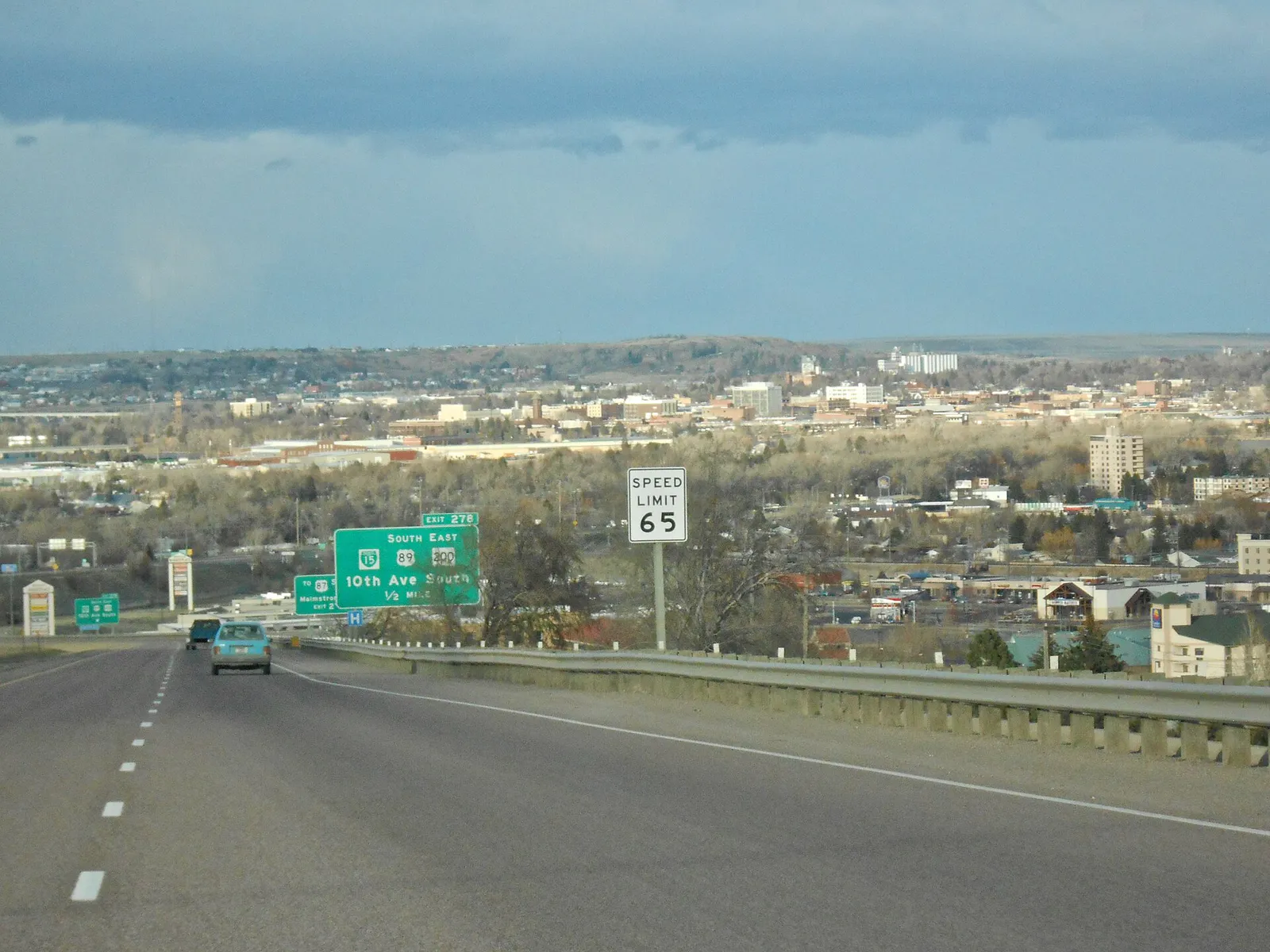
How to efficiently plan daily activities, dining, and transit in Great Falls across contrasting weather seasons and river geography.
That is where Adventria comes in. Adventria helps narrow the options in Great Falls around practical factors like location, distance, budget, vibe, who you are with, and the kind of experience you actually want, so research can turn into a decision.
Let Adventria narrow the optionsPick the right part of town
Different parts of Great Falls work for different kinds of plans. Start with the experience you want, then narrow the map.
Best for
Walkable dining, craft beverage, live performance, public mural tours
Best for
Historic Italian dining, supper clubs, north bank river views
Best for
High-density auto retail, hotel lodging, quick commercial errands
Best for
Medical access, student housing, quiet tree-lined residential streets
Best for
Family residential living, West Bank Park access, Warden Bridge commuting
Best for
Suburban living, larger custom lots, Meadow Lark Country Club access
This is a quick starting point. The full guide covers 7 local neighborhoods and districts in Great Falls.
Eat & drink
When the decision is less about what to do and more about where to eat or grab a drink, start here. These local cues narrow the food and drink decision without turning dinner or a night out into another hour of comparison.
Great Falls features casual walk-in dining across its downtown and neighborhood centers. Try thin-crust pizza at Howard's Pizza or stone-baked pies at Mighty Mo Brewing Company. For iconic nightlife without reservations, head to the Sip 'N Dip Lounge inside the O'Haire Motor Inn.
Start with craft cocktails at Enbar or a microbrew at Mighty Mo on Central Avenue. Summer months offer pedlet seating outside, while cooler evenings pair well with a performance at The Newberry or a concert at the Mansfield Theater inside the Great Falls Civic Center.
Still comparing options? Adventria can narrow the choice around budget, distance, vibe, and who you are with.
Decide with AdventriaPlan by situation
Start with the kind of plan you are actually trying to make. These city-specific ideas narrow the choice around who you are with, what you want to spend, the weather, and the kind of outing you want.
For an outdoor plan from Great Falls, compare trails, state parks, national parks within trip range, and scenic drives. Options in the current city guide include Giant Springs State Park and First Peoples Buffalo Jump State Park.
For an overnight getaway from Great Falls, compare Whitefish and Bozeman. More options are listed in the trip section below.
Head to the Lewis and Clark National Historic Trail Interpretive Center to explore hands-on historical displays. Pair it with a visit to the covered visitor center and outdoor viewing ponds at the Giant Springs Trout Hatchery, where kids can feed rainbow trout.
Visit Paris Gibson Square Museum of Art to view contemporary regional exhibitions and outsider art in a historic 1896 Romanesque Revival building with free admission. Afterwards, walk or bike a paved section of the 60-mile River's Edge Trail starting at nearby Gibson Park.
Outdoors nearby
Use these nearby outdoor options when the plan calls for a trail, protected landscape, park, or drive instead of another indoor stop. Proximity here is geographic, not a promise about driving time.
Get out of town
When staying in town is not the answer, these nearby destinations give you a smaller starting set for a day trip, overnight escape, or weekend away.
Destination relationships are screened geographically. Straight-line proximity is not presented as road mileage or estimated travel time.
Local landmarks & attractions
These notable destinations offer a starting point when you want something specific to see, visit, or build into a day around Great Falls. Distances are approximate from the city area.
art museum in Great Falls, Montana
art museum in Great Falls, Montana
historic building in Montana, United States
historic district in Montana, United States
Notable places are selected from structured public destination data and ranked for relevance, prominence, proximity, and variety.
Local decision signals
A useful local recommendation depends on how the city actually works. These conditions affect where to go, what to do, and whether a plan makes sense right now.
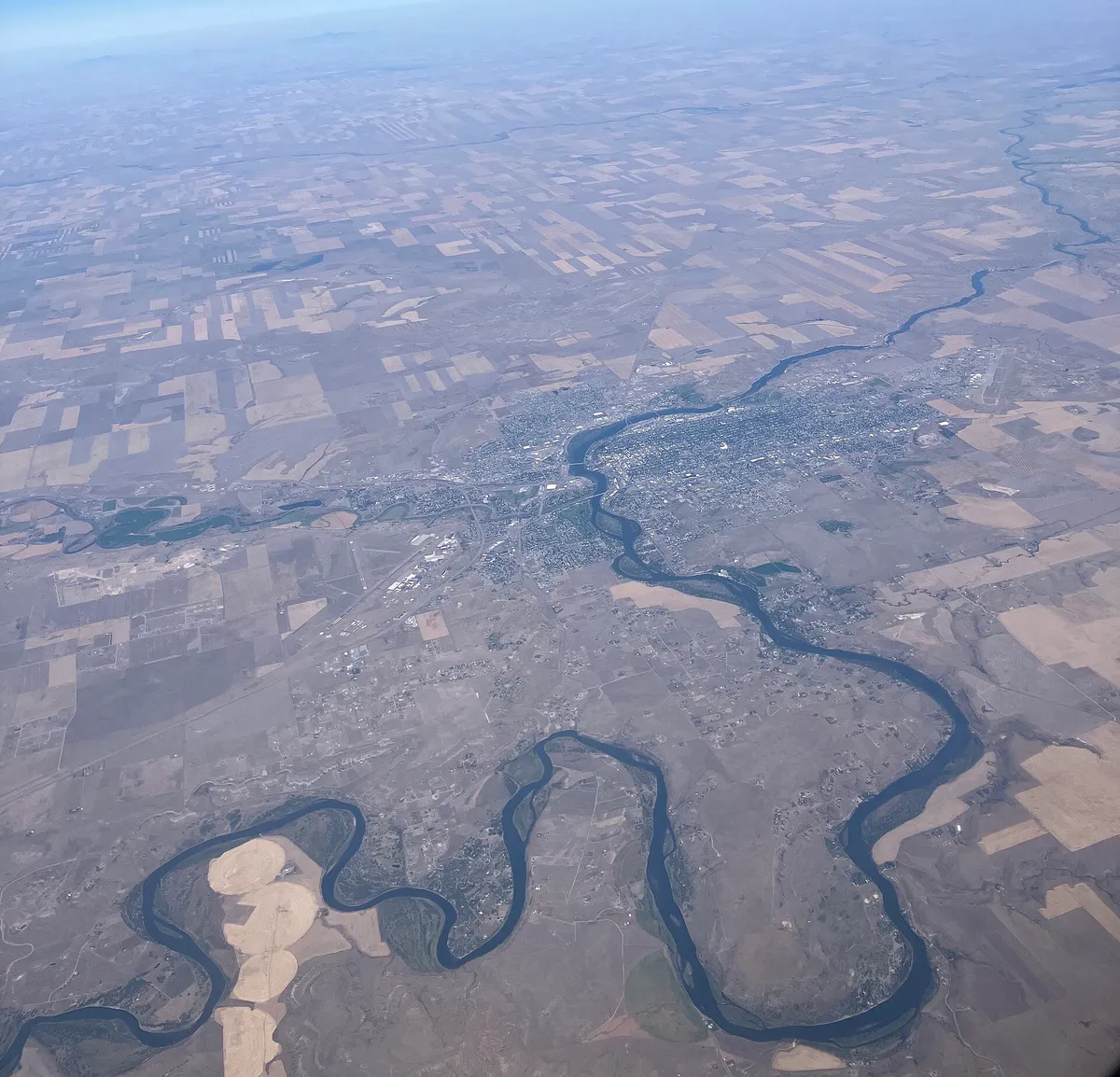
The Missouri River divides Great Falls north-to-south, making bridge routes like 10th Avenue South, Central Avenue West, and 15th Street critical chokepoints during peak shift traffic.
Winter brings sudden Chinook winds that can warm the city by 30°F to 40°F in hours, rapidly melting snow and temporarily easing icy conditions on steep river bluffs.
The 60-mile River's Edge Trail network links 13 trailheads and key cultural sites, offering year-round paved urban sections alongside dirt single-track trails that dry out in summer.
From June through September, Central Avenue parking spaces convert into wooden sidewalk extensions ('pedlets') for outdoor restaurant seating, modifying pedestrian routing.
Major cultural hubs like the C.M. Russell Museum and Lewis and Clark Interpretive Center shift from seven-day summer operations to reduced winter operating days between autumn and spring.
Just across the river in Black Eagle, historic supper clubs reflect an early 20th-century immigrant heritage with multi-course steak and pasta traditions.
Central Avenue utilizes license-plate recognition kiosks enforced Monday through Friday from 9:00 AM to 5:00 PM, with free parking on weekends and city holidays.
Neighborhood context
Neighborhoods are not interchangeable. Each area offers a different balance of atmosphere, transportation, food, nightlife, activities, and planning friction.
Best for: Walkable dining, craft beverage, live performance, public mural tours
Centered on Central Avenue, featuring historic early-20th-century brick buildings, craft breweries, live entertainment venues, and over 65 public murals.
Best for: Historic Italian dining, supper clubs, north bank river views
An unincorporated historic industrial community located across the Missouri River above Black Eagle Falls, known for its working-class heritage and supper clubs.
Best for: High-density auto retail, hotel lodging, quick commercial errands
The primary commercial artery running east toward Malmstrom Air Force Base, lined with shopping malls, national hotel chains, and major retail outlets.
Best for: Medical access, student housing, quiet tree-lined residential streets
Located east of 10th Street SW and west of the Missouri River, anchored by Benefis Health System and the University of Providence campus.
Best for: Family residential living, West Bank Park access, Warden Bridge commuting
A mid-century residential neighborhood situated north of the Sun River and west of the Missouri River, offering direct connections to river parks.
Best for: Suburban living, larger custom lots, Meadow Lark Country Club access
A residential neighborhood on the southwest side along Fox Farm Road, featuring custom homes, country club access, and river proximity.
Best for: Airport transit, Air National Guard access, highway services
Elevated bluffs along Interstate 15 housing Great Falls International Airport, light industrial complexes, and travel services overlooking the city.
Explore your options
Understanding how Great Falls breaks down into distinct residential, historic, and commercial enclaves helps visitors and residents choose the right district for dining, lodging, or outdoor access.
The historical heart of Great Falls featuring brick early-20th-century buildings, local boutiques, artisan coffee houses, craft breweries, and over 65 public murals from the Great Walls Montana project.
An unincorporated historic industrial community situated on the north bank above Black Eagle Falls, retaining an authentic working-class Italian dining legacy.
The primary commercial artery running east-west across the city toward Malmstrom Air Force Base, lined with high-density retail, hotel chains, and automobile services.
An established residential district anchored by the Benefis Health System complex and the University of Providence, characterized by mature tree-lined streets.
Practical local guidance
Practical options for getting around Great Falls using public transit, trail networks, or personal vehicle parking.
A simpler way to decide
Follow these operational guidelines to experience Great Falls' tiki bar without policy or age-restriction surprises.
Verify that your planned visit falls between Tuesday and Saturday, when mermaids swim in the glass-walled pool behind the bar between 6:00 PM and 10:00 PM.
The Sip 'N Dip Lounge inside the O'Haire Motor Inn does not accept advance reservations. Arrive early in the evening to secure seating near the swimming window.
Guests under 21 years of age are permitted inside the venue only until 7:00 PM. For daytime family visits, look for special Mermaid Brunches hosted on select Sundays.
Park in designated street spaces or adjacent hotel surface lots near 17 7th Street South, checking local posted signs for temporary parking limits.
Settle in for live piano music hosted by Joel Corda while enjoying signature tropical drinks like the 54-ounce Fishbowl.
Common local questions
These are common situations people face when trying to decide where to eat, what to do, where to get drinks, or how to spend their time in Great Falls.
Great Falls planning questions
Practical answers for people deciding where to eat, what to do, where to go, or how to make plans in Great Falls.
Driving along River Drive North or taking the paved River's Edge Trail continuous bicycle path connects Downtown Great Falls directly to Giant Springs State Park in under 10 to 15 minutes.
Yes, entrance and parking at Montana State Parks like Giant Springs and First Peoples Buffalo Jump are included for Montana residents who pay the state park fee with their annual vehicle registration. Out-of-state vehicles pay a daily entrance pass fee.
Downtown parking meters and pay-by-plate kiosks along Central Avenue are enforced Monday through Friday from 9:00 AM to 5:00 PM. Parking is free on Saturdays, Sundays, and official city holidays.
The Great Falls Transit District operates seven fixed bus routes departing from the Downtown Transfer Center. Buses require exact cash for $1.00 single fares or $4.00 day passes, as drivers do not carry change.
Mermaids swim underwater behind the bar in a heated pool Tuesday through Saturday evenings from 6:00 PM to 10:00 PM. Patrons under 21 are permitted only until 7:00 PM.
The Paris Gibson Square Museum of Art, located at 1400 1st Avenue North, offers free admission to view contemporary regional art and outsider collections, though donations are accepted.
A Chinook is a warm, dry wind descending the eastern slope of the Rocky Mountain Front that can raise local winter temperatures by 30°F to 40°F in hours, rapidly melting snow cover across the city.
No. Major cultural sites change schedules seasonally. The Lewis and Clark Interpretive Center and C.M. Russell Museum close on Mondays during winter operating schedules, so verify days before visiting.
Black Eagle is known for its historic working-class Italian heritage and classic supper clubs like Borrie's Supper Club, which serves multi-course steak and pasta dinners.
Dirt single-track mountain bike loops like the Mayhem Trail extend east from Giant Springs State Park along the Missouri River bluffs near Cochrane and Ryan Dams.
Source transparency
Official and locally relevant sources used to verify the practical information presented in this Great Falls decision guide.
Great Falls decision engine
Tell Adventria what kind of experience you want, set your practical limits, and turn the options in Great Falls into one workable plan.
Choose a Great Falls Plan