Downtown & HarborPark
Best for
Walkable sightseers, museum visitors, lakefront dining, and streetcar riders
 AdventriaLocalOpen App
Kenosha City Decision Guide
Trying to decide what to do in Kenosha? Adventria helps you cut through the options and choose a good-enough plan without endless scrolling. Whether arriving by Metra commuter rail, driving in from I-94, or exploring locally, this guide helps you navigate Kenosha's numeric grid, lakefront districts, historic sites, and seasonal attractions without unnecessary friction.
The local decision problem
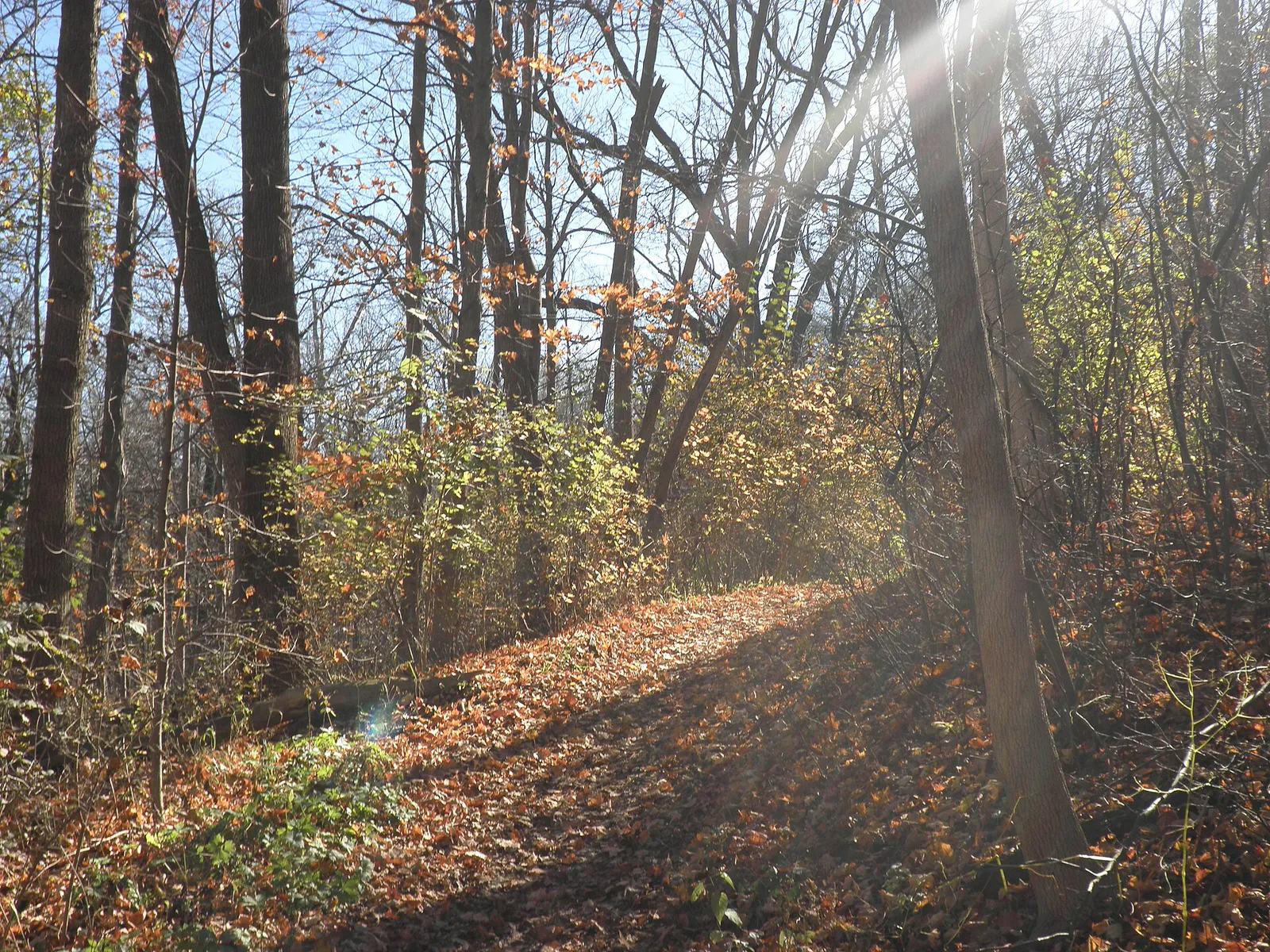
Choosing where to eat, what to visit, and how to navigate Kenosha based on local geography, seasonal operating windows, transit routes, and budget constraints.
That is where Adventria comes in. Adventria helps narrow the options in Kenosha around practical factors like location, distance, budget, vibe, who you are with, and the kind of experience you actually want, so research can turn into a decision.
Let Adventria narrow the optionsPick the right part of town
Different parts of Kenosha work for different kinds of plans. Start with the experience you want, then narrow the map.
Best for
Walkable sightseers, museum visitors, lakefront dining, and streetcar riders
Best for
Architecture enthusiasts, historic strolls, and quiet neighborhood exploration
Best for
Scenic lakefront walks and historic estate architecture
Best for
Neoclassical civic architecture and indoor dinosaur exhibits
Best for
Commercial history and preserved late-19th-century streetscapes
Best for
Traditional commercial exploration and local revitalization efforts
This is a quick starting point. The full guide covers 8 local neighborhoods and districts in Kenosha.
Eat & drink
When the decision is less about what to do and more about where to eat or grab a drink, start here. These local cues narrow the food and drink decision without turning dinner or a night out into another hour of comparison.
For an iconic diner experience, visit Franks Diner (508 58th St) for a hearty Garbage Plate served inside a historic 1926 presidential railcar. Be prepared for morning lines on weekends. Alternatively, visit Tenuta's Delicatessen (3203 52nd St) for paninis, muffalettas, and Italian beef from the deli, or grab carhop service at The Spot Drive-In (2110 52nd St) or Big Star Drive-In (1510 Washington Rd, seasonal).
On summer Tuesday evenings (May through August), head to the Washington Park Velodrome (1901 Washington Rd) to watch track cycling for free from 'The Hill'. Later, head Downtown to 6th Avenue to visit local craft spots like Rustic Road Brewing Company (5706 6th Ave) or nearby wine bars and neighborhood taverns.
Still comparing options? Adventria can narrow the choice around budget, distance, vibe, and who you are with.
Decide with AdventriaPlan by situation
Start with the kind of plan you are actually trying to make. These city-specific ideas narrow the choice around who you are with, what you want to spend, the weather, and the kind of outing you want.
Park larger vehicle groups in Downtown surface lots or use the City's free 354-stall parking garage on 8th Avenue (between 56th & 57th Streets). From there, groups can walk to the Rhode Center for the Arts, dine along 6th Avenue, or take the streetcar to HarborPark. Note that non-school groups of 25 or more require advance registration at the local museums.
For an overnight getaway from Kenosha, compare Sturgeon Bay and Lafayette. More options are listed in the trip section below.
Take children to see full-size mammoth excavation skeletons at the Kenosha Public Museum, followed by meat-eating dinosaur replicas at the Dinosaur Discovery Museum. Hop on the electric streetcar, then head to Simmons Island Park for beach play and green space. On warmer days, stop by Petrifying Springs Park in Somers to visit the playground and the natural artesian spring well.
Spend a rainy day indoors at the tri-museum setup: view mammoths at the Kenosha Public Museum, learn regional history at the Civil War Museum, and examine theropod skeletons at the Dinosaur Discovery Museum. Afterward, dry off while exploring Tenuta's Delicatessen to shop for specialty Italian foods, cheeses, and wines.
You can spend a full day exploring without spending much. General admission is free at both the Kenosha Public Museum (5500 First Ave) and the Dinosaur Discovery Museum (5608 Tenth Ave). Connect between sights by riding the Electric Streetcar, which charges $1.00 per adult ride or $3.50 for an all-day pass. Finish with a free walk through HarborPark or the Library Park Historic District.
Take the Metra Union Pacific North line directly from Chicago's Ogilvie Transportation Center to the Kenosha terminal at 5414 13th Avenue. Step off the train and board the Electric Streetcar directly outside to access Downtown shops, HarborPark, and the lakefront museum campus without needing a rental car.
For an outdoor plan from Kenosha, compare trails, state parks, national parks within trip range, and scenic drives. Options in the current city guide include Harbor Park Promenade and Adeline Jay Geo-Karis Illinois Beach State Park.
Outdoors nearby
Use these nearby outdoor options when the plan calls for a trail, protected landscape, park, or drive instead of another indoor stop. Proximity here is geographic, not a promise about driving time.
Get out of town
When staying in town is not the answer, these nearby destinations give you a smaller starting set for a day trip, overnight escape, or weekend away.
Destination relationships are screened geographically. Straight-line proximity is not presented as road mileage or estimated travel time.
Local landmarks & attractions
These notable destinations offer a starting point when you want something specific to see, visit, or build into a day around Kenosha. Distances are approximate from the city area.
amusement park in Gurnee, Illinois, United States
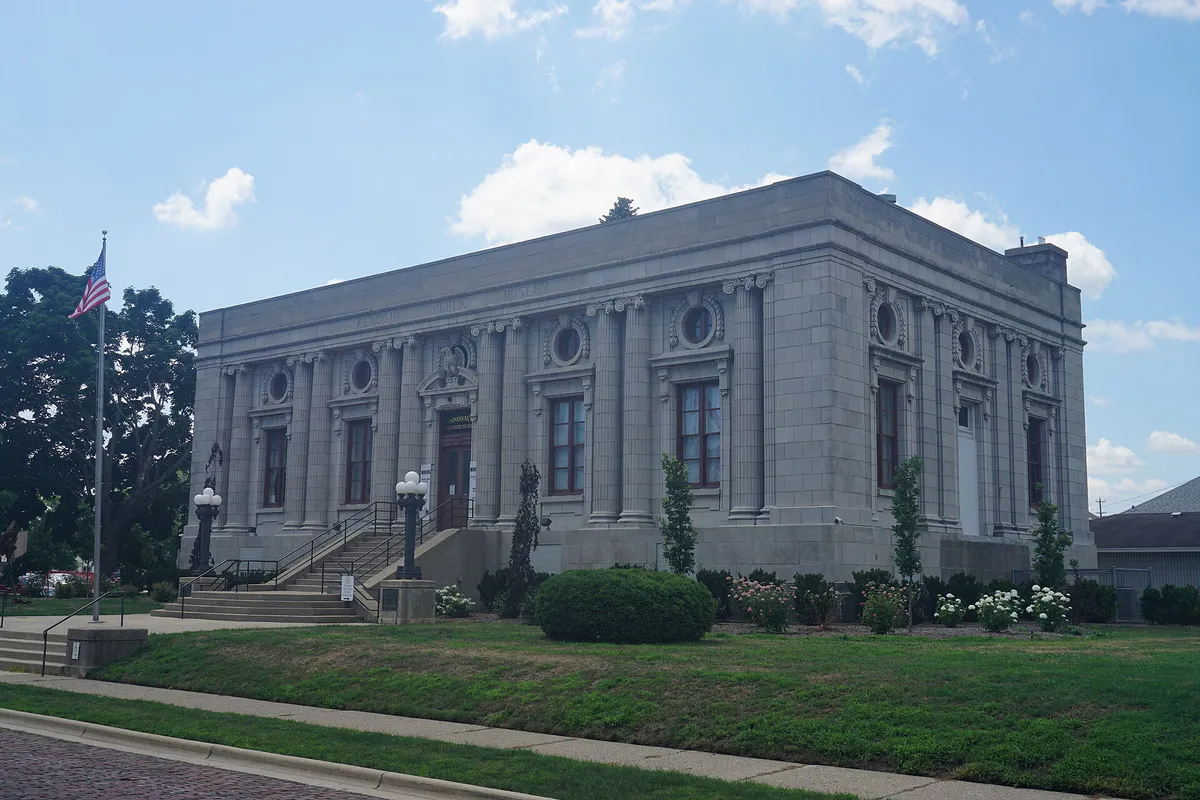
museum in Kenosha, Wisconsin, United States
botanical garden
naval training base for the United States Navy, outside of Chicago, Illinois
concert hall and movie theater in Waukegan, Illinois, United States
military museum in Zion, Illinois
zoo in Wisconsin, United States
water park in Gurnee, Illinois
Notable places are selected from structured public destination data and ranked for relevance, prominence, proximity, and variety.
Local decision signals
A useful local recommendation depends on how the city actually works. These conditions affect where to go, what to do, and whether a plan makes sense right now.
Kenosha uses a strict grid where Streets run east-west (numbers increase moving south) and Avenues run north-south (numbers increase moving west).
Onshore winds off Lake Michigan keep shoreline districts substantially cooler in spring and early summer than areas near I-94, seven miles inland.
Driving between I-94 and Downtown via Highway 50 (75th St) or Highway 158 (52nd St) takes 15 to 20 minutes due to frequent traffic signals and commercial development.
Restored 1951 PCC streetcars operate on a 2-mile loop connecting the Metra Station, Downtown shops, HarborPark, and shoreline museums.
Kenosha Station (5414 13th Avenue) is the northern terminal of Metra's Union Pacific North line, providing direct rail connections to Chicago.
Key attractions—including Southport Lighthouse tower climbs, Velodrome track racing, outdoor HarborMarket, and daily streetcar runs—operate primarily May through October.
Downtown contains nearly 4,000 free public spaces, including street spots, surface lots, and a 354-stall garage at 8th Avenue between 56th and 57th Streets.
Neighborhood context
Neighborhoods are not interchangeable. Each area offers a different balance of atmosphere, transportation, food, nightlife, activities, and planning friction.
Best for: Walkable sightseers, museum visitors, lakefront dining, and streetcar riders
Situated along the Lake Michigan shoreline, this redeveloped waterfront district features public promenades, sculpture walks, marinas, local brewpubs, and major cultural institutions.
Best for: Architecture enthusiasts, historic strolls, and quiet neighborhood exploration
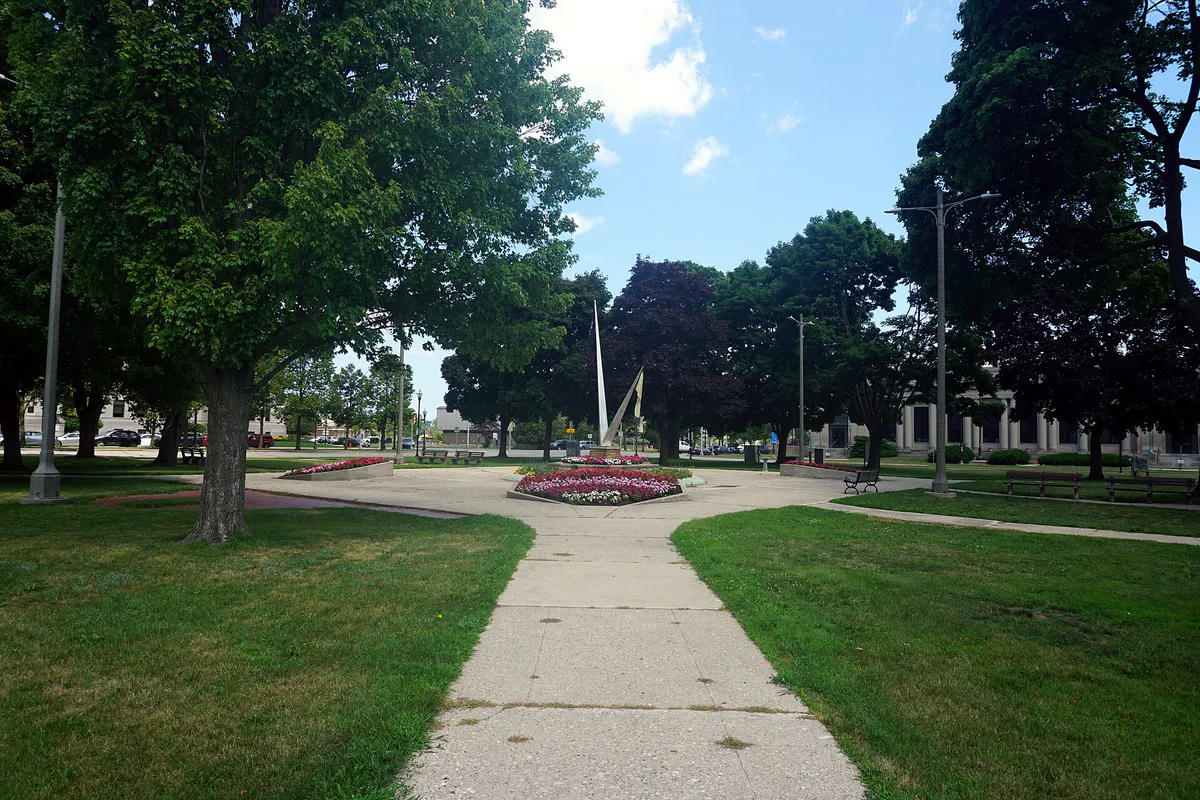
Centered around a New England-style town common anchored by the Gilbert M. Simmons Memorial Library, featuring Victorian homes, historic churches, and the birthplace of Orson Welles.
Best for: Scenic lakefront walks and historic estate architecture
Known as Kenosha's Mansion District, this neighborhood south of Downtown features 19th and early 20th-century grand homes overlooking Lake Michigan, including French Renaissance Revival estates.
Best for: Neoclassical civic architecture and indoor dinosaur exhibits
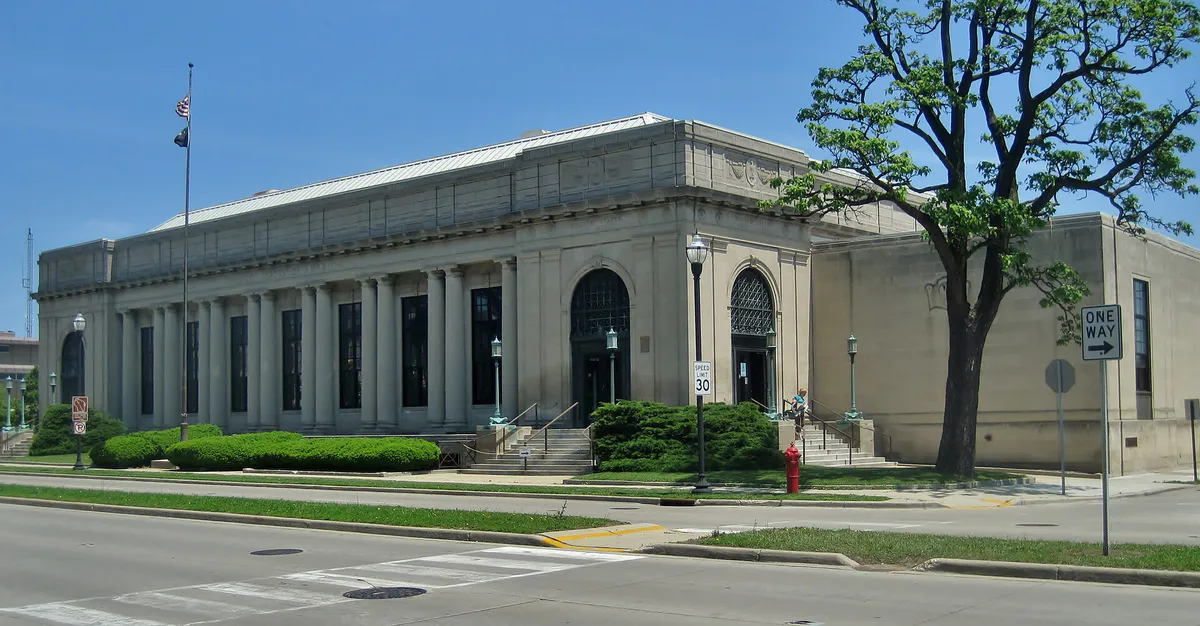
Anchored around 56th Street and Sheridan Road, this 1920s district houses government structures, the U.S. Post Office building, Reuther High School, and the Dinosaur Discovery Museum.
Best for: Commercial history and preserved late-19th-century streetscapes
A locally designated historic district along 55th Street and 11th Avenue showcasing preserved late-19th-century commercial and residential structures.
Best for: Traditional commercial exploration and local revitalization efforts
A historic commercial hub centered at 22nd Avenue and 63rd Street undergoing active neighborhood planning and community redevelopment.
Best for: Outdoor nature parks, collegiate campus views, and bike trail access
Encompasses northern Kenosha and the Village of Somers, anchored by Carthage College along the shoreline, UW-Parkside inland, and the 350-acre Petrifying Springs Park.
Best for: Highway convenience, hotel access, and big-box retail stops
Located 7 miles west of Downtown along I-94/41, this area contains major distribution hubs, corporate parks, national hotel chains, and retail centers.
Explore your options
Select a structured plan based on your preferred style of travel and transit choices.
Ideal for solo travelers and couples departing from Chicago or Milwaukee via transit without a private car.
Designed for families seeking interactive, budget-friendly activities close to the lake.
Tailored for architecture enthusiasts and history buffs seeking preserved 19th-century sites.
Focused on outdoor greenbelts, river parks, and local food staples in Somers and North Kenosha.
Practical local guidance
Avoid common local surprises by keeping these practical transit, parking, and operational details in mind.
A simpler way to decide
Follow these steps for an easy day trip taking the train directly to Kenosha's lakefront attractions.
Take the Union Pacific North line directly to its terminal stop at Kenosha Station (5414 13th Avenue), located seven blocks west of the harbor.
Walk outside the station to the streetcar platform. Have $1.00 exact cash or $3.50 for an all-day pass ready to board the restored PCC streetcar.
Ride the loop east toward the lake and disembark at HarborPark to visit the Kenosha Public Museum and Civil War Museum.
Walk west onto 6th Avenue or 56th Street to explore local brewpubs, coffee shops, galleries, or Franks Diner.
Reboard the streetcar to ride toward the Civic Center Historic District to explore the Dinosaur Discovery Museum.
Complete the streetcar loop back to 13th Avenue in time for your scheduled Metra departure back toward Chicago.
Common local questions
These are common situations people face when trying to decide where to eat, what to do, where to get drinks, or how to spend their time in Kenosha.
Kenosha planning questions
Practical answers for people deciding where to eat, what to do, where to go, or how to make plans in Kenosha.
The Electric Streetcar loop passes directly by the Kenosha Metra Station terminal at 5414 13th Avenue. Passengers can step off the train and board the streetcar right outside to reach Downtown shops, HarborPark, and lakefront museums.
General admission is free at both the Kenosha Public Museum and the Dinosaur Discovery Museum (donations accepted). The Civil War Museum offers free entry to its main building, while access to the immersive 'Fiery Trial' exhibit costs $15 for adults, $12 for seniors/military, $8 for youth ages 12–17, and is free for children 11 and under.
Downtown offers nearly 4,000 free parking spots, including street parking, surface lots, and a free 354-stall parking garage located at 8th Avenue between 56th and 57th Streets. Note that overnight parking is prohibited in the garage between 3:00 AM and 5:00 AM.
Seasonal attractions—including Southport Lighthouse climbs, outdoor HarborMarket dates, Tuesday night Velodrome track racing, and the Petrifying Springs Biergarten—operate primarily from May through October.
Driving the 7-to-8-mile distance from I-94 to Downtown Kenosha via Highway 50 (75th St) or Highway 158 (52nd St) takes 15 to 20 minutes due to city speed limits and commercial traffic signals.
Established in 1950 at 3203 52nd Street, Tenuta's is an iconic Italian market, specialty deli, and liquor store known for paninis, muffalettas, imported cheeses, and its seasonal outdoor sausage grill operating in warm weather months.
Yes, the 55-foot lighthouse tower is open for climbs from May through October (Thursday through Sunday). Admission is $10 for adults (ages 12+) and $5 for children ages 8–11. Climbers must be at least 8 years old.
Spectators can watch track cycling at the Washington Park Velodrome (1901 Washington Rd), built in 1927 as the oldest operating track cycling velodrome in the U.S. Viewing from 'The Hill' is free during summer Tuesday night races.
Library Park is designed around a New England-style town common anchored by the Gilbert M. Simmons Memorial Library. The surrounding district contains 42 historic contributing properties built between 1843 and 1930, including the birthplace of Orson Welles.
In late fall and early winter, Lake Michigan moderates freezing temperatures along the immediate coast. However, lake-effect snow bands can create localized, heavy snowfall events along eastern Kenosha relative to inland areas.
Source transparency
Official and locally relevant sources used to verify the practical information presented in this Kenosha decision guide.
Kenosha decision engine
Tell Adventria what kind of experience you want, set your practical limits, and turn the options in Kenosha into one workable plan.
Choose a Kenosha Plan