Capitol Square & Downtown
Best for
Civic architecture, high-end farm-to-table dining, state house tours, and performing arts.
 AdventriaLocalOpen App
Local Decision Guide for Madison, WI
Trying to decide what to do in Madison? Adventria helps you cut through the options and choose a good-enough plan without endless scrolling. Madison's land-locked Isthmus creates a distinctive urban landscape where two lakes dictate traffic patterns, vibrant academic calendars alter neighborhood crowds, and distinct neighborhood pockets demand tailored decision-making. Whether you need a low-cost family afternoon, a reservation-free date night, or a game-day survival route, this guide cuts through generic travel advice to help you make practical, location-smart choices.
The local decision problem
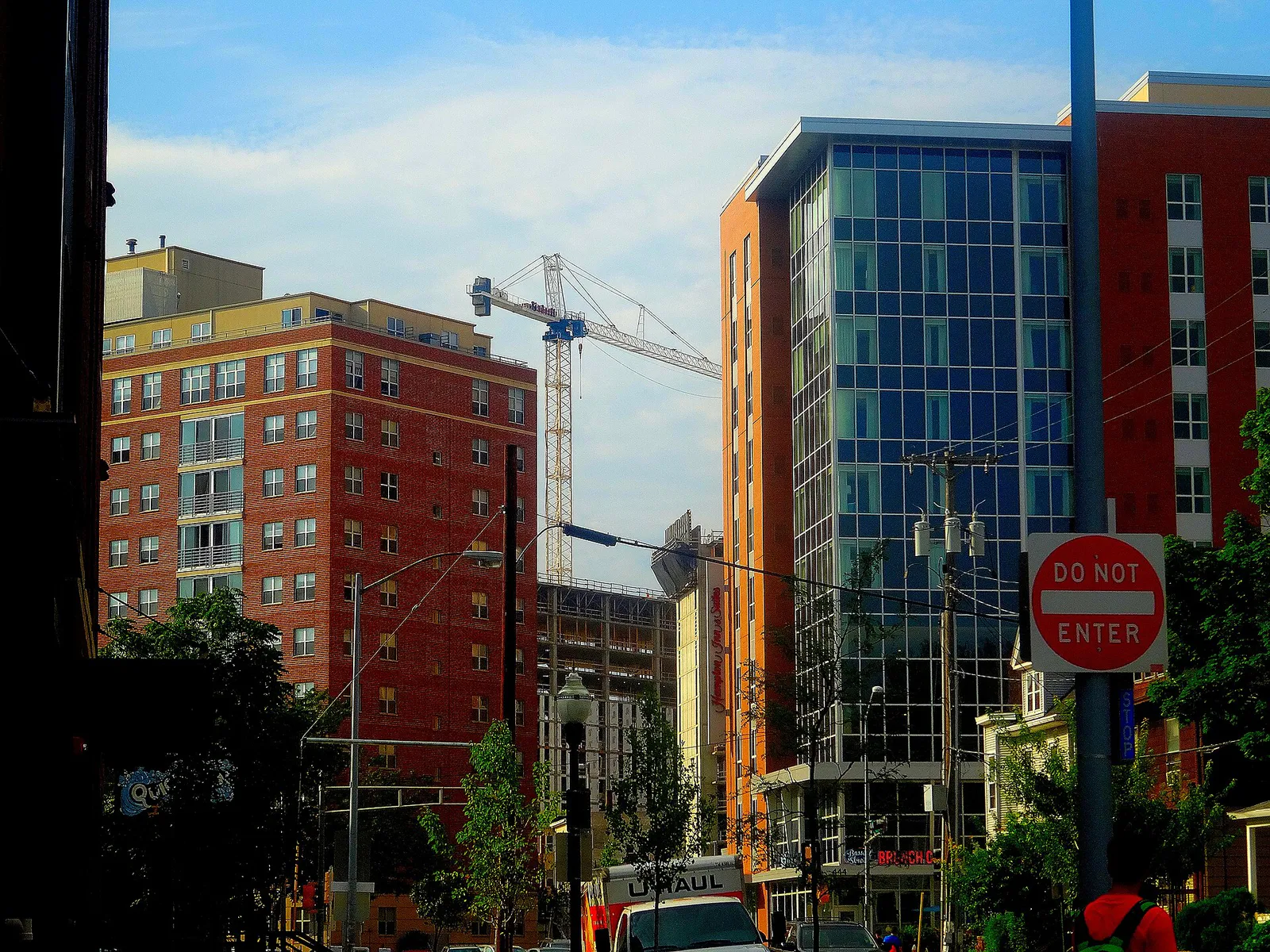
Navigating Madison's unique geography, seasonal shifts, and event-driven gridlock to plan outings, meals, and activities across distinct lake-bound neighborhoods.
That is where Adventria comes in. Adventria helps narrow the options in Madison around practical factors like location, distance, budget, vibe, who you are with, and the kind of experience you actually want, so research can turn into a decision.
Let Adventria narrow the optionsPick the right part of town
Different parts of Madison work for different kinds of plans. Start with the experience you want, then narrow the map.
Best for
Civic architecture, high-end farm-to-table dining, state house tours, and performing arts.
Best for
Student energy, quick global dining, waterfront sunsets, and free museums.
Best for
Indie shopping, craft beer taverns, co-ops, and bohemian neighborhood vibe.
Best for
Botanical gardens, redeveloped industrial venues, local theater, and family bike rides.
Best for
Boutique shopping, farm-to-table bistros, quiet neighborhood strolls, and free zoo access.
Best for
Game-day tailgating, sports bars, historic diners, and arena events.
This is a quick starting point. The full guide covers 7 local neighborhoods and districts in Madison.
Eat & drink
When the decision is less about what to do and more about where to eat or grab a drink, start here. These local cues narrow the food and drink decision without turning dinner or a night out into another hour of comparison.
Head to Willy Street or State Street for high-turnover, walk-up options. On Willy Street, Weary Traveler Freehouse offers legendary comfort food in a cozy, reservation-free atmosphere. On State Street, grab Russian dumplings at Paul's Pelmeni or global street food near campus. If you are near Capitol Square, Tornado Steak House's late-night lounge menu provides a classic supper club experience without needing a prime-time dinner table.
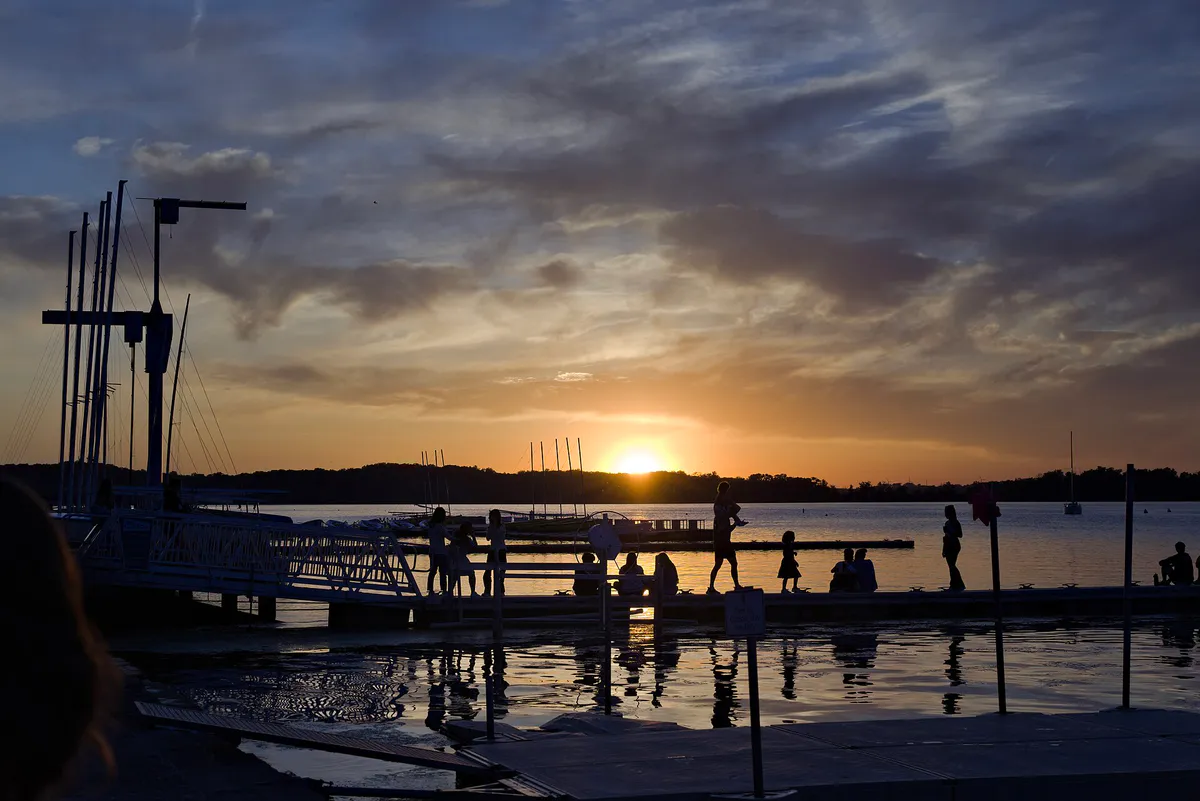
Garver Feed Mill on the East Side provides expansive indoor and outdoor seating, allowing large groups to order individually from local vendors, including craft beer and Ian's Pizza. During summer months, the outdoor lawn at Memorial Union Terrace easily accommodates groups of any size, offering waterfront views, bratwursts, and live sunset music without requiring seat reservations.
Still comparing options? Adventria can narrow the choice around budget, distance, vibe, and who you are with.
Decide with AdventriaPlan by situation
Start with the kind of plan you are actually trying to make. These city-specific ideas narrow the choice around who you are with, what you want to spend, the weather, and the kind of outing you want.
For an outdoor plan from Madison, compare trails, state parks, national parks within trip range, and scenic drives. Options in the current city guide include Governor Nelson State Park and Military Ridge State Trail.
For a short escape from Madison, compare Wisconsin Dells and Rockford. More options are listed in the trip section below.
For an upscale evening, reserve dinner at The Harvey House behind the historic train depot or Tornado Steak House near Capitol Square, followed by a live performance at Overture Center or drinks along King Street. For a casual daytime date, rent Trek BCycles, ride the Lake Monona Loop, stop at Olbrich Botanical Gardens, and grab wood-fired pizza and drinks inside Garver Feed Mill.
Pair a morning at the free Henry Vilas Zoo with a picnic playground stop at adjacent Vilas Park on Lake Wingra. In winter, bring skates to the free public ice skating lagoons at Tenney Park or Vilas Park, complete with heated warming shelters. For an interactive indoor option, visit the Madison Children's Museum on Capitol Square followed by quick, casual slices nearby.
When weather keeps you indoors, head to the indoor Bolz Conservatory at Olbrich Botanical Gardens, a 50-foot glass pyramid warm with tropical plants and waterfalls. Alternatively, gather at Garver Feed Mill on the East Side, which features ample indoor seating, artisanal coffee, pizza, and local craft brews. The Madison Central Library downtown offers expansive reading rooms and city views, while the UW Geology Museum provides indoor fossil exhibits perfect for all ages.
Madison excels at zero-cost entry. Visit the Henry Vilas Zoo in the Vilas neighborhood for a completely free, top-rated zoo experience with nearby lake park access. Explore over 22,000 works at the Chazen Museum of Art on campus, or take a free guided tour inside the Wisconsin State Capitol. Weather permitting, walk the 1,200 acres of trails at the UW Arboretum or explore the outdoor grounds of Olbrich Botanical Gardens along Lake Monona.
Grab a coffee along Monroe Street or Willy Street before finding a quiet nook at the Madison Central Library or Memorial Union's indoor study lounges. Later in the day, clear your head with a peaceful solo walk along the UW Lakeshore Nature Preserve path out to Picnic Point for a signature view of the state capitol across Lake Mendota.
Outdoors nearby
Use these nearby outdoor options when the plan calls for a trail, protected landscape, park, or drive instead of another indoor stop. Proximity here is geographic, not a promise about driving time.
Get out of town
When staying in town is not the answer, these nearby destinations give you a smaller starting set for a day trip, overnight escape, or weekend away.
Destination relationships are screened geographically. Straight-line proximity is not presented as road mileage or estimated travel time.
Local landmarks & attractions
These notable destinations offer a starting point when you want something specific to see, visit, or build into a day around Madison. Distances are approximate from the city area.
state capitol building of the U.S. state of Wisconsin
zoo in the United States
art museum in Madison, Wisconsin
Outdoor stadium in Madison, Wisconsin
music venue and former movie theater in Madison, Wisconsin, United States
amusement park located in Marshall, Wisconsin, United States
botanical garden in Madison, Wisconsin, United States
historical museum in Wisconsin, United States
Notable places are selected from structured public destination data and ranked for relevance, prominence, proximity, and variety.
Local decision signals
A useful local recommendation depends on how the city actually works. These conditions affect where to go, what to do, and whether a plan makes sense right now.
At barely eight blocks wide between Mendota and Monona, all east-west movement compresses through a small handful of thoroughfares like Johnson, Gorham, and Williamson.
UW-Madison home football Saturdays transform Regent Street, Monroe Street, and campus into dense pedestrian zones, inflating hotel rates and filling parking stalls early.
Every Saturday morning from April through November, Capitol Square streets close completely for the Dane County Farmers' Market, altering downtown traffic flows.
Key civic assets including the Henry Vilas Zoo, Chazen Museum of Art, UW Geology Museum, and the State Capitol offer completely free admission year-round.
Lakes Mendota and Monona shift from summer paddleboarding and patio gatherings to winter ice fishing, snow kiting, and ice skating when ice reaches safe thickness.
Downtown arteries alternate direction in strict pairings (e.g., Johnson eastbound vs. Gorham westbound; Doty vs. Wilson), requiring deliberate route selection.
The East-West Bus Rapid Transit system provides 15-minute weekday frequencies with dedicated lanes, serving as a reliable alternative to downtown parking fees.
Neighborhood context
Neighborhoods are not interchangeable. Each area offers a different balance of atmosphere, transportation, food, nightlife, activities, and planning friction.
Best for: Civic architecture, high-end farm-to-table dining, state house tours, and performing arts.
The elevated civic heart of the city surrounding the Wisconsin State Capitol. High-density condo living mixes with corporate offices, cultural venues like Overture Center, and acclaimed dining destinations.
Best for: Student energy, quick global dining, waterfront sunsets, and free museums.
A pedestrian-dominated commercial strip linking downtown to the UW-Madison campus. Packed with budget-friendly global eateries, iconic student watering holes, and direct access to Lake Mendota's Memorial Union Terrace.
Best for: Indie shopping, craft beer taverns, co-ops, and bohemian neighborhood vibe.
Positioned on the Near East Side, Williamson Street offers historic Victorian homes, neighborhood co-ops, eclectic dining options, and laid-back music venues with strong community roots.
Best for: Botanical gardens, redeveloped industrial venues, local theater, and family bike rides.
Extending along Lake Monona's eastern shore, Atwood features residential bungalows, Olbrich Botanical Gardens, the historic Barrymore Theatre, and community food hubs like Garver Feed Mill.
Best for: Boutique shopping, farm-to-table bistros, quiet neighborhood strolls, and free zoo access.
A polished, 1.5-mile corridor southwest of campus flanked by Lake Wingra and historic homes. Features independent shops, artisanal bakeries, and seamless access to Henry Vilas Zoo.
Best for: Game-day tailgating, sports bars, historic diners, and arena events.
Located directly south of Camp Randall Stadium, this corridor transforms on Badger game days into a high-energy hub filled with sports taverns, outdoor beer gardens, and classic breakfast spots.
Best for: Modern mid-rise apartments, live concert venues, and emerging tech hubs.
A rapidly modernized transit corridor lined with tech offices, residential apartments, and popular music spaces like The Sylvee and High Noon Saloon, anchored by historic Tenney Park.

Madison local guide
Madison's daily movement and urban identity are shaped by the Isthmus—a strip of land barely eight blocks wide in certain stretches, squeezed between Lake Mendota to the north and Lake Monona to the south. This geographical pinch means east-west vehicular traffic must squeeze through a tightly constrained set of historical thoroughfares, making travel time between the Far West Side and Near East Side highly sensitive to peak hours and local events.
Understanding the city requires recognizing its distinct cultural poles. Capitol Square acts as the civic and fine-dining anchor, while the State Street pedestrian mall bridges the gap to the massive University of Wisconsin campus. East of the Capitol, neighborhoods like Willy Street and Atwood offer an independent, community-oriented atmosphere with local co-ops, historic venues, and craft brew pubs. West of campus, Monroe Street and Hilldale present polished retail, quiet residential streets, and easy access to natural preserves.
Seasonality drastically changes how residents use the city. Summer centers around open-air markets, terrace sunsets, and lake watersports. Winter shifts activity indoors to historic supper clubs and climate-controlled conservatories, or directly onto frozen lakes for ice skating, snow kiting, and community winter festivals.
Explore your options
Match your outing goals to the neighborhood designed to deliver the best experience.
Ideal for structured dates, cultural performances, and civic exploration.
Best for budget-friendly dining, walk-in energy, and waterfront sunsets.
Perfect for indie live music, casual craft beer, and botanical gardens.
Tailored for family outings, outdoor recreation, and boutique shopping.
A simpler way to decide
Follow this step-by-step sequence to experience Madison's highlight traditions without getting caught in traffic or crowd bottlenecks.
Park in a city garage like Capitol Square North before 8:00 AM to secure a spot before peak crowds arrive for the Dane County Farmers' Market.
Follow local tradition by walking counter-clockwise around the Capitol grounds, picking up hot spicy cheese bread from Stella's Bakery and fresh cheese curds.
Walk down the pedestrian corridor, stopping at independent shops or grabbing a quick mid-morning espresso on your way toward campus.
Take advantage of free admission at the Chazen Museum of Art on campus or loop back to tour the State Capitol interior and observation deck.
End your afternoon on Lake Mendota at the Terrace. Grab a pitcher of local beer, a bratwurst, or Babcock Hall ice cream and relax in the iconic Sunburst chairs.
Common local questions
These are common situations people face when trying to decide where to eat, what to do, where to get drinks, or how to spend their time in Madison.
Madison planning questions
Practical answers for people deciding where to eat, what to do, where to go, or how to make plans in Madison.
No. Downtown, Capitol Square, State Street, and the UW Campus are exceptionally walkable. For longer trips along the Isthmus, Trek BCycle electric bike-share stations and Metro Transit's Bus Rapid Transit (Rapid Route A) provide fast, convenient options without the hassle of downtown parking.
Yes. Henry Vilas Zoo is one of the nation's few remaining admission-free, community-supported zoos. It is open year-round, making it one of the best budget-friendly destinations for families in the region.
Walking down State Street or riding a BCycle directly to the dock station near Lake Mendota is ideal. Free campus bus routes like Route 80 drop riders right near the Union. Driving directly to campus parking ramps can be tricky during peak hours, so parking downtown and walking or taking transit is recommended.
Winter brings ice fishing, snow kiting, and ice skating. Once city officials verify safe ice thickness, frozen lakes and park lagoons at Tenney, Vilas, and Elver Parks open for public ice skating with warming houses and rentals available.
Use City of Madison public garages such as Capitol Square North, State Street Capitol, or Wilson Street Garage. They offer accessible hourly rates and cap evening and weekend rates.
A traditional supper club features prime steaks, seafood, relish trays, and Wisconsin Brandy Old Fashioneds in a classic, cozy atmosphere. Tornado Steak House off Capitol Square delivers an authentic vintage supper club feel, while The Harvey House behind the historic train depot presents a modern high-end interpretation.
The outdoor market on Capitol Square runs every Saturday morning from April through November. During winter months, the market shifts indoors as the Late Winter Market at Garver Feed Mill.
Paved city bike paths and commuter routes do not require a pass. However, a State Trail Pass is required for cyclists aged 16 and older on state-managed trail segments, such as parts of the Capital City State Trail.
Source transparency
Official and locally relevant sources used to verify the practical information presented in this Madison decision guide.
Madison decision engine
Tell Adventria what kind of experience you want, set your practical limits, and turn the options in Madison into one workable plan.
Choose a Madison Plan