CapitolRiver Council (Downtown & Lowertown)
Best for
Sports, theater, historic loft dining, and transit connections
 AdventriaLocalOpen App
Saint Paul Local Decision Matrix
Trying to decide what to do in Saint Paul? Adventria helps you cut through the options and choose a good-enough plan without endless scrolling. Saint Paul is a city defined by historic neighborhood districts, steep river bluffs, deep cultural roots, and distinct daily rhythms. Whether you are seeking a last-minute dinner spot, navigating an event night along West 7th, or looking for indoor winter escapes, this guide provides real-time decision frameworks tailored to Saint Paul's unique urban layout.
The local decision problem
Navigating Saint Paul's distinct neighborhood enclaves, river topography, skyway operational shifts, event-day arena surges, and winter parking rules to make real-time outing decisions.
That is where Adventria comes in. Adventria helps narrow the options in Saint Paul around practical factors like location, distance, budget, vibe, who you are with, and the kind of experience you actually want, so research can turn into a decision.
Let Adventria narrow the optionsPick the right part of town
Different parts of Saint Paul work for different kinds of plans. Start with the experience you want, then narrow the map.
Best for
Sports, theater, historic loft dining, and transit connections
Best for
Victorian architecture, romantic date nights, and neighborhood pubs
Best for
Pre-game hockey dining, craft microbreweries, and historic saloons
Best for
Southeast Asian cuisine, food halls, and light-rail access
Best for
Collegiate strolls, independent coffee shops, and casual shopping
Best for
Family outings, botanical gardens, and charming village pockets
This is a quick starting point. The full guide covers 8 local neighborhoods and districts in Saint Paul.
Eat & drink
When the decision is less about what to do and more about where to eat or grab a drink, start here. These local cues narrow the food and drink decision without turning dinner or a night out into another hour of comparison.
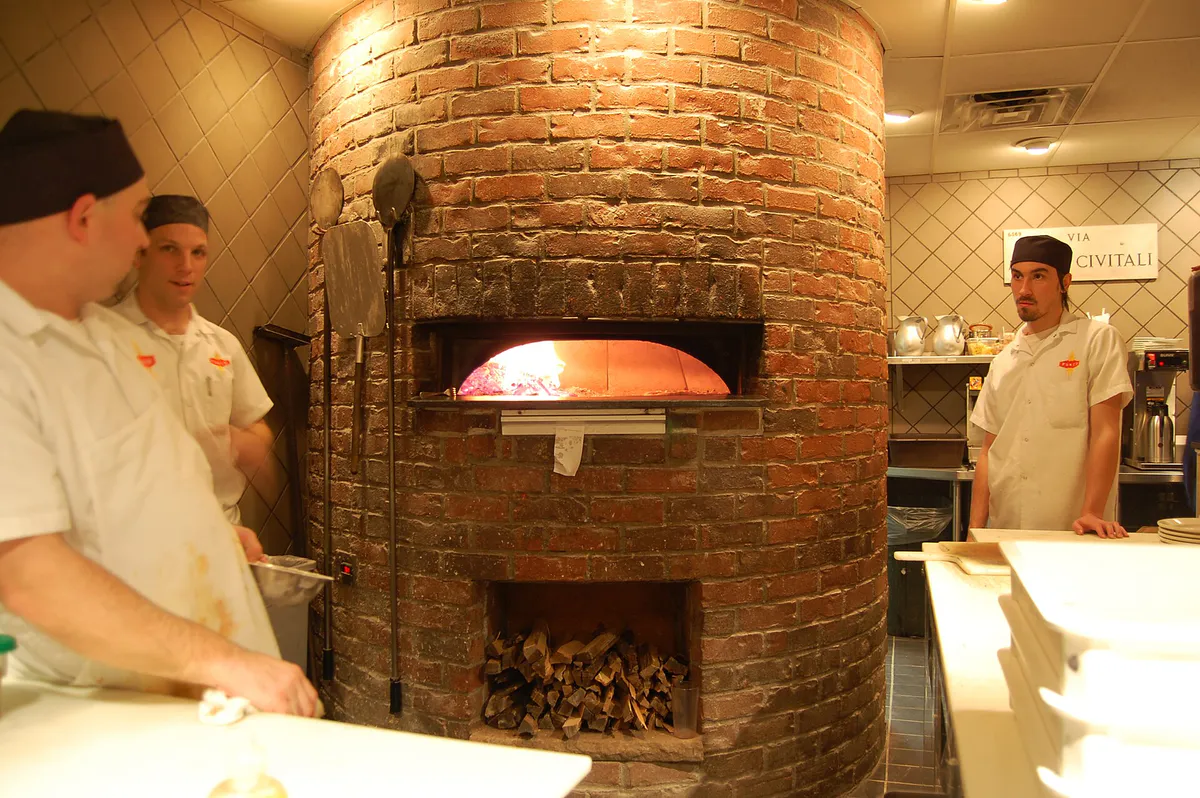
For immediate, walk-in dining without booking ahead, head straight to Cossetta Italian Market & Eatery on West 7th Street for cafeteria-style slices, pasta, and cannoli. Alternatively, visit the food halls at Hmong Town Marketplace (Como Ave) or Hmong Village (Johnson Pkwy) for quick, stall-served stuffed chicken wings, sticky rice, and pho. If you are near Lowertown or Highland Park, casual spots like Gambit Brewing Co., Cecil's Deli, or Punch Neapolitan Pizza offer easy walk-in seating with minimal wait times.
When an 18,000-person crowd floods Downtown and West 7th, plan dinner at least two to three hours before puck drop. Grab pub fare at Tom Reid's Hockey City Pub or Patrick McGovern's early, or secure craft lagers and bratwurst at Waldmann Brewery slightly further down West 7th away from the immediate arena bottleneck. If you lack game tickets, embrace the electric ambient atmosphere in Lowertown craft taprooms like Barrel Theory Beer Co. or catch live indie music at the nearby Palace Theatre.
Still comparing options? Adventria can narrow the choice around budget, distance, vibe, and who you are with.
Decide with AdventriaPlan by situation
Start with the kind of plan you are actually trying to make. These city-specific ideas narrow the choice around who you are with, what you want to spend, the weather, and the kind of outing you want.
Start with early evening drinks on the cozy garden patio or fireside dining room at W.A. Frost & Co. on Cathedral Hill, or sample craft taps at The Gnome Craft Pub. Walk hand-in-hand past the illuminated Cathedral of Saint Paul down Selby Avenue before heading downtown for a Saint Paul Chamber Orchestra or Broadway performance at the Ordway Center for the Performing Arts. End the night with craft cocktails or craft beers in Lowertown, taking a quiet stroll through Rice Park.
Kick off a weekend morning at the Minnesota Children's Museum downtown, where kids can conquer a four-story indoor climbing tower and maker spaces. Follow up with lunch at Cossetta for kid-approved pizza slices, or head over to Como Regional Park to see polar bears and spark interest in the indoor sunken garden. During warmer months, catch an affordable, entertaining afternoon minor league baseball game with the St. Paul Saints at CHS Field in Lowertown.
Escape severe winter cold or heavy rain inside the glass dome of the Marjorie McNeely Conservatory at Como Park, where palm trees and tropical plant collections maintain warm, humid conditions year-round. Nearby, the Science Museum of Minnesota on the downtown bluffs offers sprawling indoor exhibits and an Omnitheater. Families can spend hours across the 10 play zones at the Minnesota Children's Museum downtown, while history enthusiasts can take guided tours through the heated 36,000-square-foot Gilded Age James J. Hill House on Summit Avenue.
Enjoy a full weekend without heavy spending by visiting the Como Park Zoo & Marjorie McNeely Conservatory (free entry, suggested $4 donation). Take a self-guided architectural walking tour along Summit Avenue to admire 4.5 miles of Victorian mansions, or wander through the historic Minnesota State Capitol building for free public access. Take in panoramic skyline views from Indian Mounds Regional Park on the East Side, and browse local artist stalls at the Lowertown Farmers Market near Union Depot on weekend mornings.
Spend a solo afternoon browsing independent titles at SubText Books in Downtown Saint Paul or Micawber's Books in Saint Anthony Park. Grab a single-origin pour-over along Grand Avenue, then rent a seasonal e-bike or walk along the Samuel H. Morgan Regional Trail flanking the Mississippi River bluffs. If you prefer cultural immersion, grab lunch at an authentic pho stall in Frogtown along University Avenue and explore the art galleries inside Lowertown's converted brick warehouses.
Gather a group for a craft brewery tour along West 7th Street, bouncing between Bad Weather Brewing's rotating food trucks and taproom patio and Waldmann Brewery's historic 1857 German lager saloon. Alternatively, head to Lowertown to combine pints at Barrel Theory Beer Co. with a group game night or casual food hall sampling at Hmong Town Marketplace on Como Avenue, where everyone can order from different stall vendors.
For an outdoor plan from Saint Paul, compare trails, state parks, national parks within trip range, and scenic drives. Options in the current city guide include State Capitol Ground and Gateway State Trail.
Outdoors nearby
Use these nearby outdoor options when the plan calls for a trail, protected landscape, park, or drive instead of another indoor stop. Proximity here is geographic, not a promise about driving time.
Get out of town
When staying in town is not the answer, these nearby destinations give you a smaller starting set for a day trip, overnight escape, or weekend away.
Destination relationships are screened geographically. Straight-line proximity is not presented as road mileage or estimated travel time.
Local landmarks & attractions
These notable destinations offer a starting point when you want something specific to see, visit, or build into a day around Saint Paul. Distances are approximate from the city area.
contemporary art center in Minneapolis, Minnesota, United States
multi-purpose arena in St. Paul, MN, USA
zoo and conservatory in Saint Paul, Minnesota, United States
art museum in Minneapolis, Minnesota
amusement park inside Mall of America
center for theater performance, production, education, and professional training in Minneapolis, Minnesota
zoo in Apple Valley, Minnesota, United States
baseball stadium in Minneapolis, Minnesota, USA
Notable places are selected from structured public destination data and ranked for relevance, prominence, proximity, and variety.
Local decision signals
A useful local recommendation depends on how the city actually works. These conditions affect where to go, what to do, and whether a plan makes sense right now.
Saint Paul's 5-mile, 47-block enclosed second-story skyway network bridges downtown offices and venues, but individual segments lock early on weeknights (6:00–8:00 PM) and have limited weekend hours. Always have a street-level walking route ready after dark.
Declarations mandate strict parking bans starting at 9:00 PM on designated Night Plow routes (all signed arterials and downtown) and 8:00 AM the next morning on residential Day Plow routes. Towing is immediate.
I-35E between I-94 and MN-5 (West 7th) features a unique 45 mph speed limit and a total ban on trucks over 9,000 lbs to protect historic residential neighborhoods, shifting commercial traffic away from central districts.
Wild hockey games and concerts at Xcel Energy Center choke West 7th Street, MLS matches at Allianz Field restrict Snelling and University Avenues, and St. Paul Saints home games fill Lowertown ramps.
Deep limestone bluffs split riverfront parkland (Harriet Island) from hilltop neighborhoods (Dayton's Bluff, Summit Hill). River crossings like the Smith Avenue High Bridge and Wabasha Bridge act as vital neighborhood connectors.
Unlike high-volume suburban strips, many chef-owned bistros, museum venues, and historic pubs in Cathedral Hill and Lowertown close on Mondays and Tuesdays or end kitchen service early on weeknights.
Neighborhood context
Neighborhoods are not interchangeable. Each area offers a different balance of atmosphere, transportation, food, nightlife, activities, and planning friction.
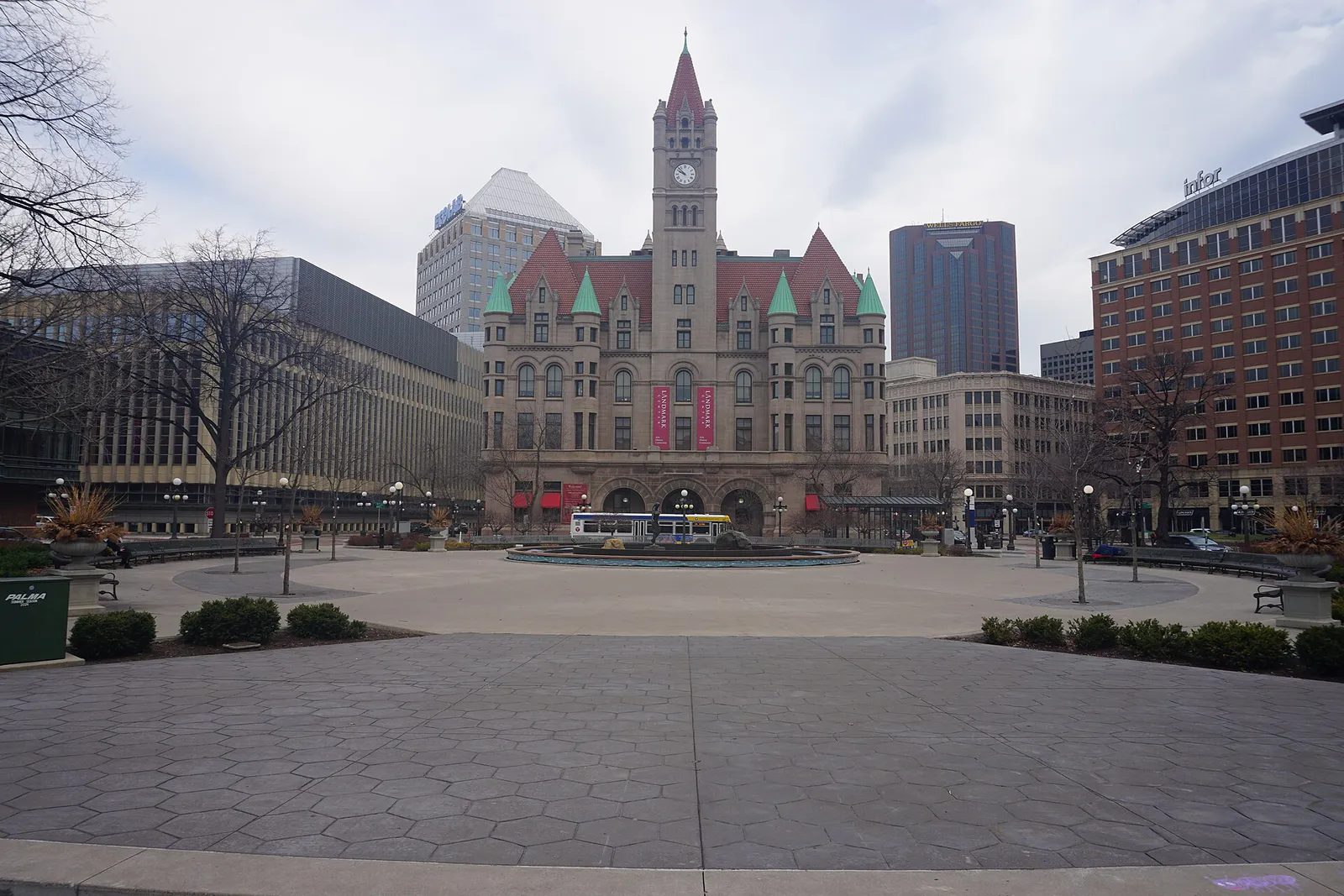
Best for: Sports, theater, historic loft dining, and transit connections
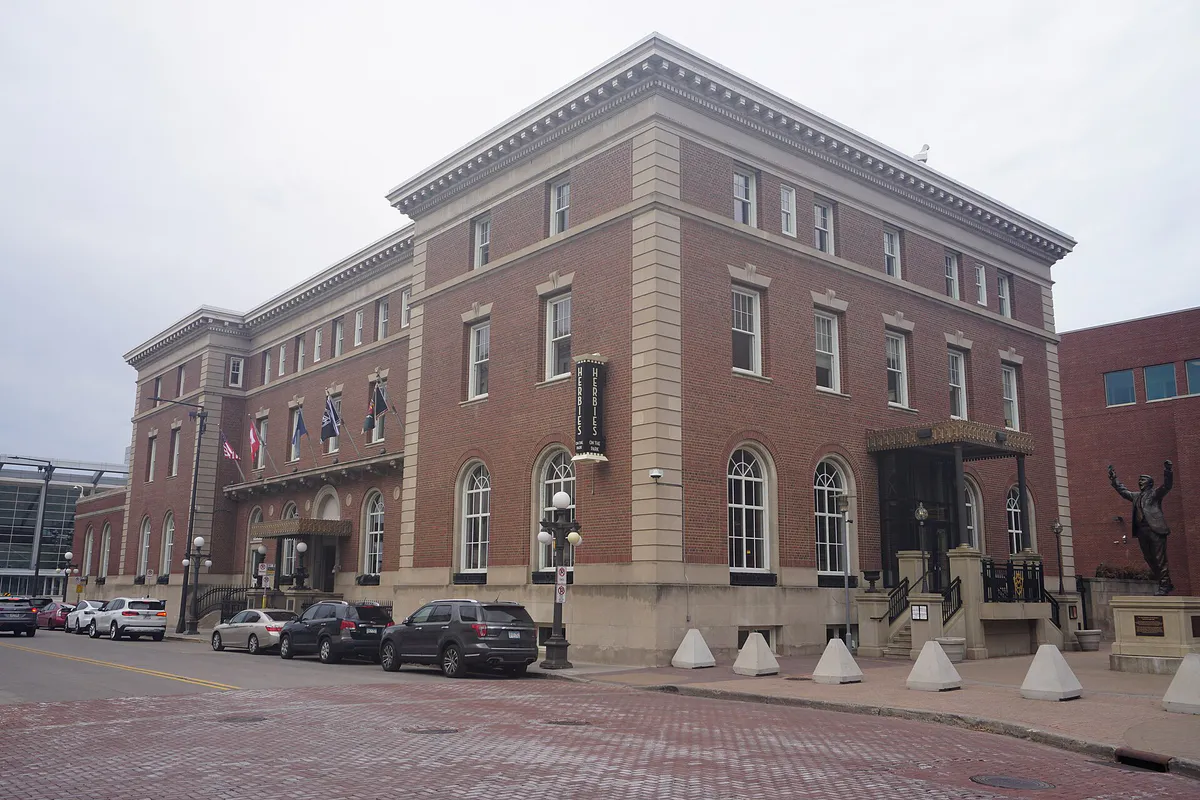
The civic and cultural center anchored by Rice Park, Union Depot, CHS Field, and the Xcel Energy Center. Lowertown offers brick-warehouse architecture, craft taprooms, and a vibrant weekend farmers market.
Best for: Victorian architecture, romantic date nights, and neighborhood pubs
Framed by Summit Avenue mansions and the Classical Renaissance Cathedral of Saint Paul. Lined with tree-canopied streets, historic brownstones, outdoor dining patios, and cozy gastro-pubs along Selby Avenue.
Best for: Pre-game hockey dining, craft microbreweries, and historic saloons
A historic working-class corridor running southwest toward Fort Snelling. Packed with energetic event-day taverns, Italian markets, and restored 19th-century breweries.
Best for: Southeast Asian cuisine, food halls, and light-rail access
A diverse, vibrant neighborhood along the METRO Green Line. Home to incredible Hmong, Vietnamese, Cambodian, and East African restaurants, specialty groceries, and bustling food markets.
Best for: Collegiate strolls, independent coffee shops, and casual shopping
Anchored by Macalester College and St. Catherine University, Mac-Groveland centers around the tree-lined Grand Avenue commercial district with walkable bookstores, bakeries, and casual eateries.
Best for: Family outings, botanical gardens, and charming village pockets
Home to the sprawling Como Regional Park, free zoo, historic conservatory, and lake. Nearby Saint Anthony Park offers a European-style brick village strip nestled near the university campus.
Best for: Latino heritage, Mexican bakeries, and blufftop overlooks
Located directly south across the river from Downtown. Centered along Cesar Chavez Avenue, featuring authentic Mexican taquerias, vibrant murals, and historic sandstone cave tours.
Best for: River bluff recreation, sustainable shopping, and quiet residential dining
Sits in the southwestern bend of the Mississippi River. Features the Highland Village shopping hub, expansive parkways, and the modern Highland Bridge sustainable neighborhood development.
Saint Paul local guide
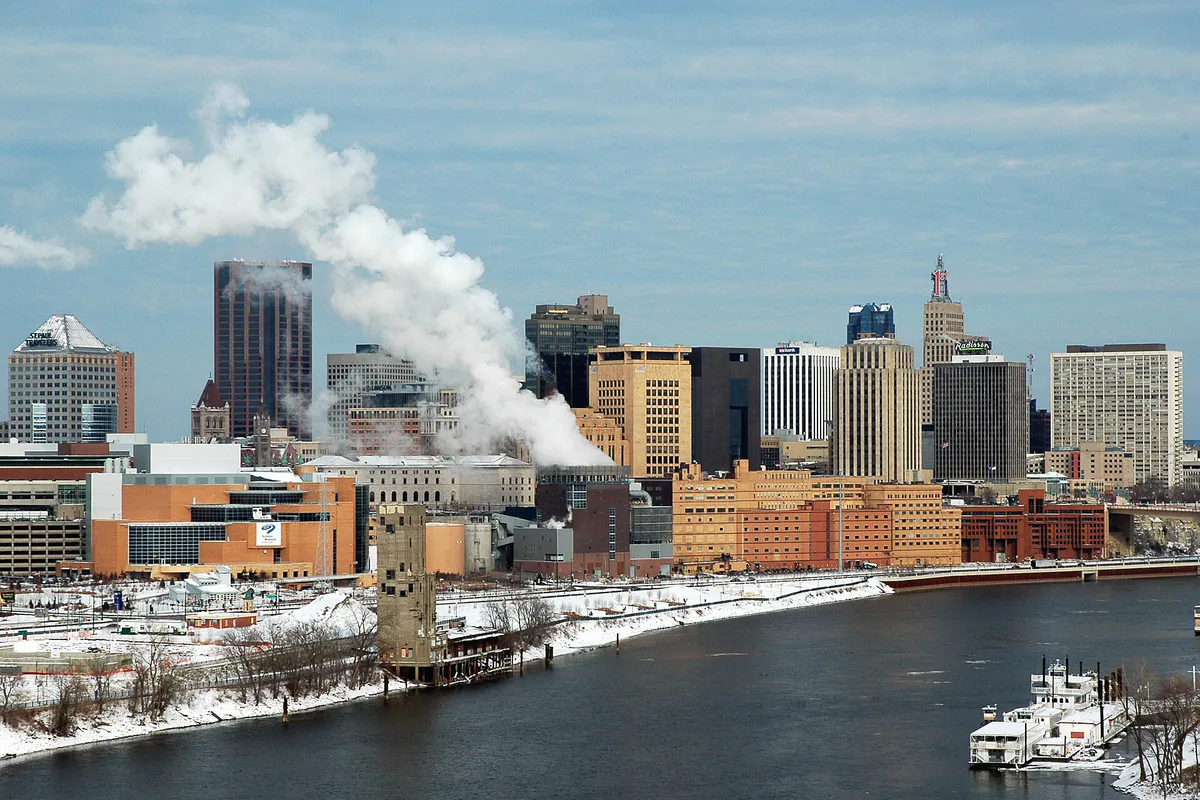
Saint Paul operates on a fundamentally different rhythm than its Twin City neighbor, Minneapolis. Governed by a unique grassroots District Council System established in 1975, Saint Paul is composed of 17 distinct planning districts. Each neighborhood retains its own commercial hubs, architectural character, and cultural identity. From the Victorian brownstones of Cathedral Hill and Summit Park to the bustling Southeast Asian commercial nodes along University Avenue in Frogtown, moving through Saint Paul feels like traveling through a tapestry of self-contained historic villages.
Navigating the city requires understanding its natural topography and seasonal factors. The Mississippi River carves dramatic S-curves through Saint Paul, establishing steep limestone bluffs that divide lower floodplains and industrial corridors from high residential crests like Dayton's Bluff and Highland Park. Key river bridges—such as the Smith Avenue High Bridge and Wabasha Street Bridge—serve as essential pinch points for cross-town travel. Meanwhile, major transportation arteries like Interstate 94 bisect the city east-to-west, physically separating northern districts like Frogtown and Hamline-Midway from southern neighborhoods like Summit-University and Mac-Groveland.
Daily activity patterns are strongly influenced by civic schedules, arena events, and winter weather constraints. Downtown Saint Paul serves as the state's political and legal hub around the Minnesota State Capitol complex during the day, but evening energy shifts toward venue nodes. West 7th Street becomes an energetic corridor when the Minnesota Wild play at Xcel Energy Center, while Lowertown pulses around CHS Field during St. Paul Saints baseball season and Mears Park outdoor concert series in the summer. Understanding these localized rhythms allows residents and visitors to seamlessly timing dinners, transit routes, and spontaneous outings.
Explore your options
Match your mood and group needs with Saint Paul's distinct neighborhood corridors.
Perfect for romantic dinners, architecture walks, and cozy fireside pub drinks along historic tree-lined avenues.
Ideal for pre-game gatherings, group beer crawls, and bustling pre-concert dinners near sports arenas.
Tailored for adventurous food lovers seeking authentic Southeast Asian markets, food halls, and Mexican bakeries.
Focused on all-ages interactive play, animal exhibits, botanical gardens, and spacious city parks.
A simpler way to decide
Follow this sequence to quickly adapt your plans based on weather, event schedules, and neighborhood parking constraints.
Before selecting a dining district, verify if the Minnesota Wild are playing at Xcel Energy Center, Minnesota United FC at Allianz Field, or the St. Paul Saints at CHS Field. If an event is scheduled, choose a neighborhood outside that venue's immediate traffic radius.
During sub-zero winter temperatures, target climate-controlled hubs like Como Conservatory or Downtown museums. During pleasant weather, lean toward outdoor patio dining in Cathedral Hill or blufftop park walks.
Pick a consolidated walkable strip based on your goals: Selby Avenue for historic bistro dining, West 7th for craft beer and casual bites, or Lowertown for loft bars and ballpark energy.
If visiting Downtown or Lowertown, utilize public parking ramps like Lawson or World Trade Center. If visiting Frogtown or Midway, consider taking the METRO Green Line to avoid arterial street congestion.
If your primary restaurant choice has a long wait, pivot immediately to high-capacity casual spots like Cossetta, Cecil's Deli, or neighborhood craft taprooms that do not require advance reservations.
Common local questions
These are common situations people face when trying to decide where to eat, what to do, where to get drinks, or how to spend their time in Saint Paul.
Saint Paul planning questions
Practical answers for people deciding where to eat, what to do, where to go, or how to make plans in Saint Paul.
While both cities feature extensive second-story climate-controlled skyway networks, Saint Paul's skyway spans 5 miles over 47 blocks. Unlike Minneapolis, Saint Paul's skyways operate on highly variable building-by-building schedules. Individual skyway bridges and building doors frequently lock early in the evening (between 6:00 PM and 8:00 PM) and offer reduced access on weekends, meaning pedestrians should be prepared to drop down to street level after regular office hours.
The METRO Green Line light rail provides direct, continuous urban rail service connecting Union Depot in Lowertown Saint Paul to Downtown Minneapolis along University Avenue. It runs frequently throughout the day, serving key intermediate hubs including the Minnesota State Capitol, Frogtown, Hamline-Midway (Allianz Field), and the University of Minnesota.
Saint Paul offers outstanding budget-friendly cultural destinations. Admission to the Como Park Zoo & Marjorie McNeely Conservatory is free (with a voluntary $4 donation suggested). Free self-guided tours are available inside the Minnesota State Capitol building, and public parks like Rice Park, Mears Park, and Indian Mounds Regional Park cost nothing to explore.
Major arena events and Wild hockey games bring up to 18,000 visitors into Downtown Saint Paul and the West 7th corridor. Parking ramps along Kellogg Boulevard fill rapidly, and nearby restaurants like Cossetta, Tom Reid's, and Patrick McGovern's experience heavy wait times two to three hours prior to event start times. Plan to arrive early or dine in Cathedral Hill or Lowertown before heading to the arena.
Frogtown (the Thomas–Dale neighborhood) and the University Avenue corridor are the cultural heart of Saint Paul's Southeast Asian communities. The area features world-class Vietnamese pho shops, Hmong specialty grocers, Cambodian eateries, and two massive food market halls—Hmong Town Marketplace and Hmong Village—offering authentic street food, stuffed chicken wings, green papaya salad, and purple sticky rice.
When a Snow Emergency is declared, parking bans occur in two phases: Night Plow routes (signed arterials, bus routes, and all Downtown streets) are plowed starting at 9:00 PM. Day Plow routes (residential side streets) are plowed starting at 8:00 AM the next day. Parking on an unplowed route during its active plow window results in immediate ticketing and towing.
Summit Avenue features the longest preserved stretch of Victorian-era mansions in the United States, stretching 4.5 miles from the Cathedral of Saint Paul to the Mississippi River. Key highlights include the massive 36,000-square-foot James J. Hill House, the F. Scott Fitzgerald house (399 Summit Ave), and landmark Gilded Age churches and brownstones.
Yes, key commercial and cultural districts are highly accessible without a car. Downtown, Lowertown, Cathedral Hill, Frogtown, and Midway are well-connected by the METRO Green Line light rail and the METRO A-Line Bus Rapid Transit (BRT) along Snelling Avenue. Seasonal e-scooters and dedicated bikeways like the Capital City Bikeway make urban transit straightforward.
Source transparency
Official and locally relevant sources used to verify the practical information presented in this Saint Paul decision guide.
Saint Paul decision engine
Tell Adventria what kind of experience you want, set your practical limits, and turn the options in Saint Paul into one workable plan.
Choose a Saint Paul Plan