Downtown Scranton (The Electric City Core)
Best for
Walkable historic touring, broadway performances, civic events, and dining along Penn Avenue.
 AdventriaLocalOpen App
NORTHEASTERN PENNSYLVANIA LOCAL GUIDE
Trying to decide what to do in Scranton? Adventria helps you cut through the options and choose a good-enough plan without endless scrolling. Whether you are looking for classic regional pizza, organizing a family trip underground, or planning an evening around historic Downtown venues, this guide solves real logistics across Scranton's valley neighborhoods.
The local decision problem
How to efficiently plan dining, transit, outdoor activities, and historic outings across Scranton's distinct river valley topography.
That is where Adventria comes in. Adventria helps narrow the options in Scranton around practical factors like location, distance, budget, vibe, who you are with, and the kind of experience you actually want, so research can turn into a decision.
Let Adventria narrow the optionsPick the right part of town
Different parts of Scranton work for different kinds of plans. Start with the experience you want, then narrow the map.
Best for
Walkable historic touring, broadway performances, civic events, and dining along Penn Avenue.
Best for
Student housing, proximity to Nay Aug Park, and historic residential Victorian architecture.
Best for
Quiet tree-lined residential walks, grand Colonial homes, and proximity to Marywood University.
Best for
Neighborhood pizzerias, classic taverns, and exploring working-class community roots.
Best for
Industrial heritage history, iron blast furnaces, and traditional food spots along Cedar Avenue.
Best for
Exploring early settlement history, river bend enclaves, and neighborhood commerce.
This is a quick starting point. The full guide covers 7 local neighborhoods and districts in Scranton.
Eat & drink
When the decision is less about what to do and more about where to eat or grab a drink, start here. These local cues narrow the food and drink decision without turning dinner or a night out into another hour of comparison.
For an iconic local lunch, visit Coney Island Lunch on Lackawanna Avenue or Coney Island of Scranton on Cedar Avenue for authentic Texas wieners—short split hot dogs topped with mustard, onions, and Greek-spiced chili sauce. If you prefer regional pizza, grab individual cuts of tray-baked pizza at neighborhood establishments like Maroni's Pizza House in West Scranton.
Start with West Side (West Scranton). Located across the Lackawanna River along Main Avenue, West Scranton includes recognized enclaves like Hyde Park, Bellevue, Tripp's Park, and Keyser Valley.
Still comparing options? Adventria can narrow the choice around budget, distance, vibe, and who you are with.
Decide with AdventriaPlan by situation
Start with the kind of plan you are actually trying to make. These city-specific ideas narrow the choice around who you are with, what you want to spend, the weather, and the kind of outing you want.
For a day trip from Scranton, compare Hudson and Princeton. More options are listed in the trip section below.
For an outdoor plan from Scranton, compare trails, state parks, national parks within trip range, and scenic drives. Options in the current city guide include Archbald Pothole State Park and Lackawanna State Park.
Pair dinner at an upscale Italian restaurant in Downtown Scranton or a short drive south to an authentic Old Forge pizzeria tray house with an evening show at the Weinberg Theatre inside the Scranton Cultural Center.
Steamtown National Historic Site offers free entry to its grounds, roundhouse, and locomotive display galleries. Next door at Nay Aug Park, entry is free to explore the David Wenzel Tree House overlooking Nay Aug Gorge. The Everhart Museum provides free admission for children 12 and under.
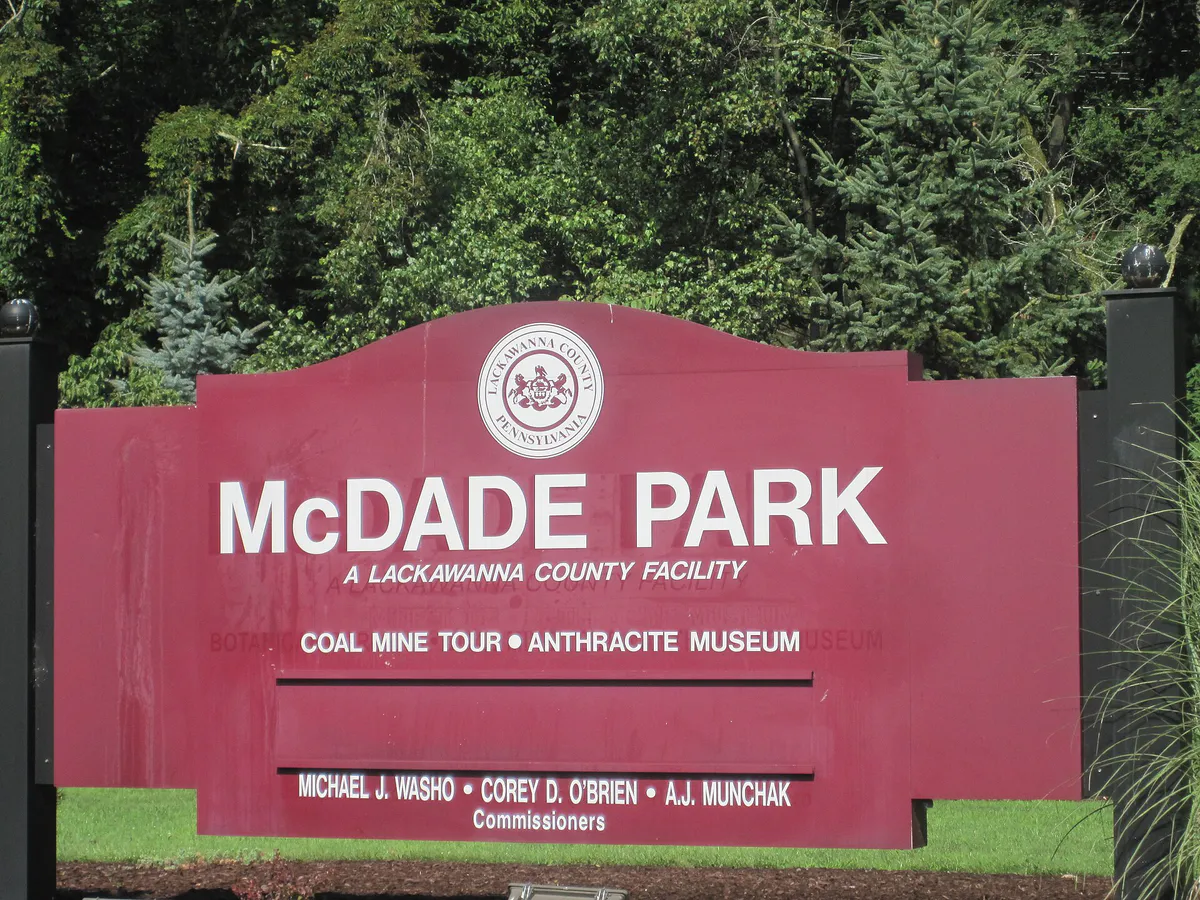
Head to McDade Park for the Lackawanna Coal Mine Tour, which descends 300 feet underground into a climate-controlled 53°F environment regardless of surface weather. Alternative indoor choices include exploring the Steamtown History and Technology Museums or browsing the Everhart Museum galleries.
Outdoors nearby
Use these nearby outdoor options when the plan calls for a trail, protected landscape, park, or drive instead of another indoor stop. Proximity here is geographic, not a promise about driving time.
Get out of town
When staying in town is not the answer, these nearby destinations give you a smaller starting set for a day trip, overnight escape, or weekend away.
Destination relationships are screened geographically. Straight-line proximity is not presented as road mileage or estimated travel time.
Local landmarks & attractions
These notable destinations offer a starting point when you want something specific to see, visit, or build into a day around Scranton. Distances are approximate from the city area.
transport museum in Scranton, Pennsylvania
theater in Scranton, Pennsylvania, USA
motorsport track in the United States
Art and natural history museum in Scranton, Pennsylvania, U.S.
monument in Wyoming, United States of America
community park and arboretum in Scranton and Taylor, Lackawanna County in northeastern Pennsylvania, United States
Notable places are selected from structured public destination data and ranked for relevance, prominence, proximity, and variety.
Local decision signals
A useful local recommendation depends on how the city actually works. These conditions affect where to go, what to do, and whether a plan makes sense right now.
On-street parking meters in Downtown Scranton operate Monday through Friday from 8:00 AM to 7:00 PM. On-street parking is free on Saturdays, Sundays, and official city holidays.
The Lackawanna River and rail lines separate Downtown from West Scranton. Bridges like Mulberry Street Viaduct and Lackawanna Avenue Bridge carry primary cross-river traffic.
The Lackawanna Coal Mine Tour in McDade Park operates seasonally from April through November, maintaining a constant 53°F subterranean climate regardless of surface weather.
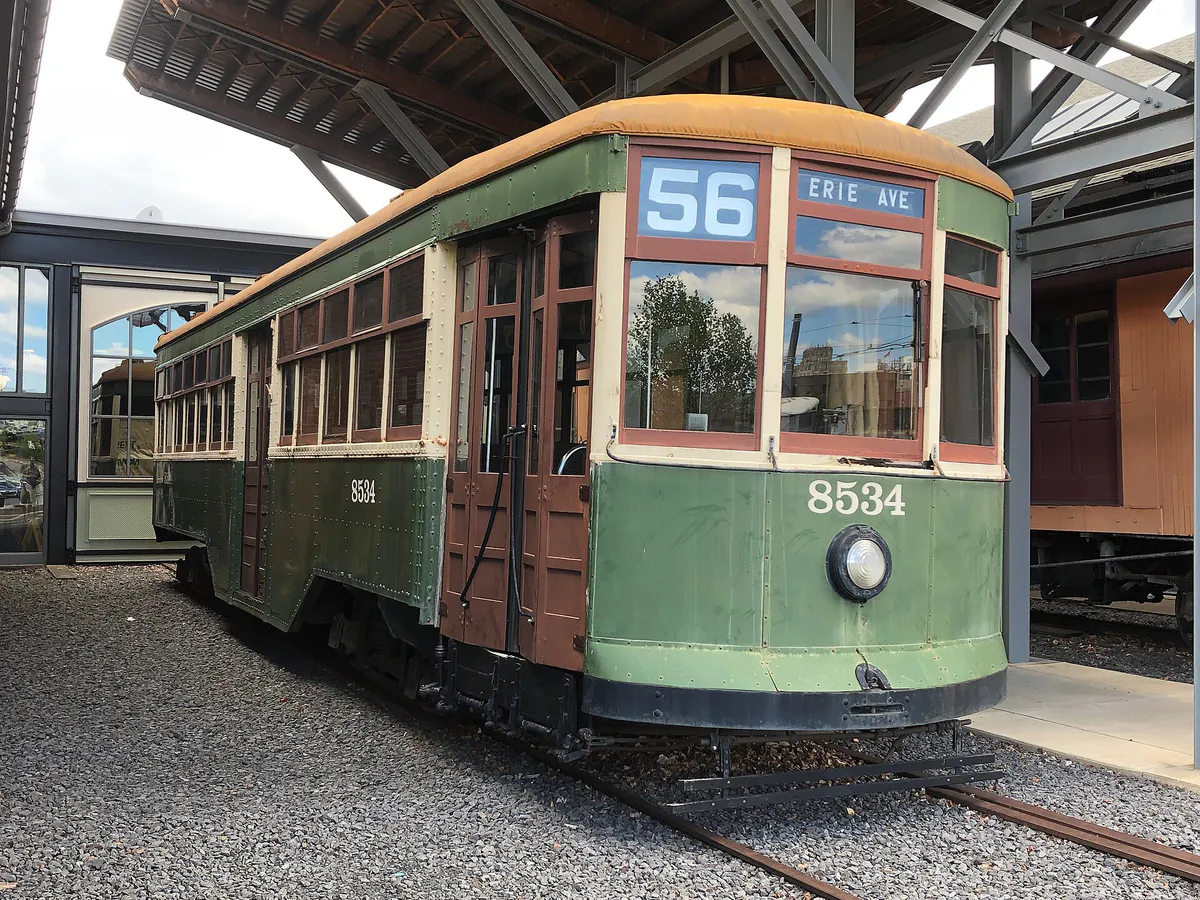
The Electric City Trolley Museum offers outdoor scenic trolley runs from April through October, passing through the historic Crown Avenue Tunnel to PNC Field.
When classes are in session at the University of Scranton, Marywood University, and Lackawanna College, residential street parking tightens significantly in the Hill Section and Green Ridge.
COLTS runs two specialized Evening City Circle shuttle routes (71 North and 72 South) until 1:00 AM Monday through Saturday, linking Downtown to shopping and entertainment hubs.
Regional pizza in the valley is ordered by the 'tray' (never 'pie') and served in individual 'cuts,' with distinct Red and White crust and cheese configurations.
Neighborhood context
Neighborhoods are not interchangeable. Each area offers a different balance of atmosphere, transportation, food, nightlife, activities, and planning friction.
Best for: Walkable historic touring, broadway performances, civic events, and dining along Penn Avenue.
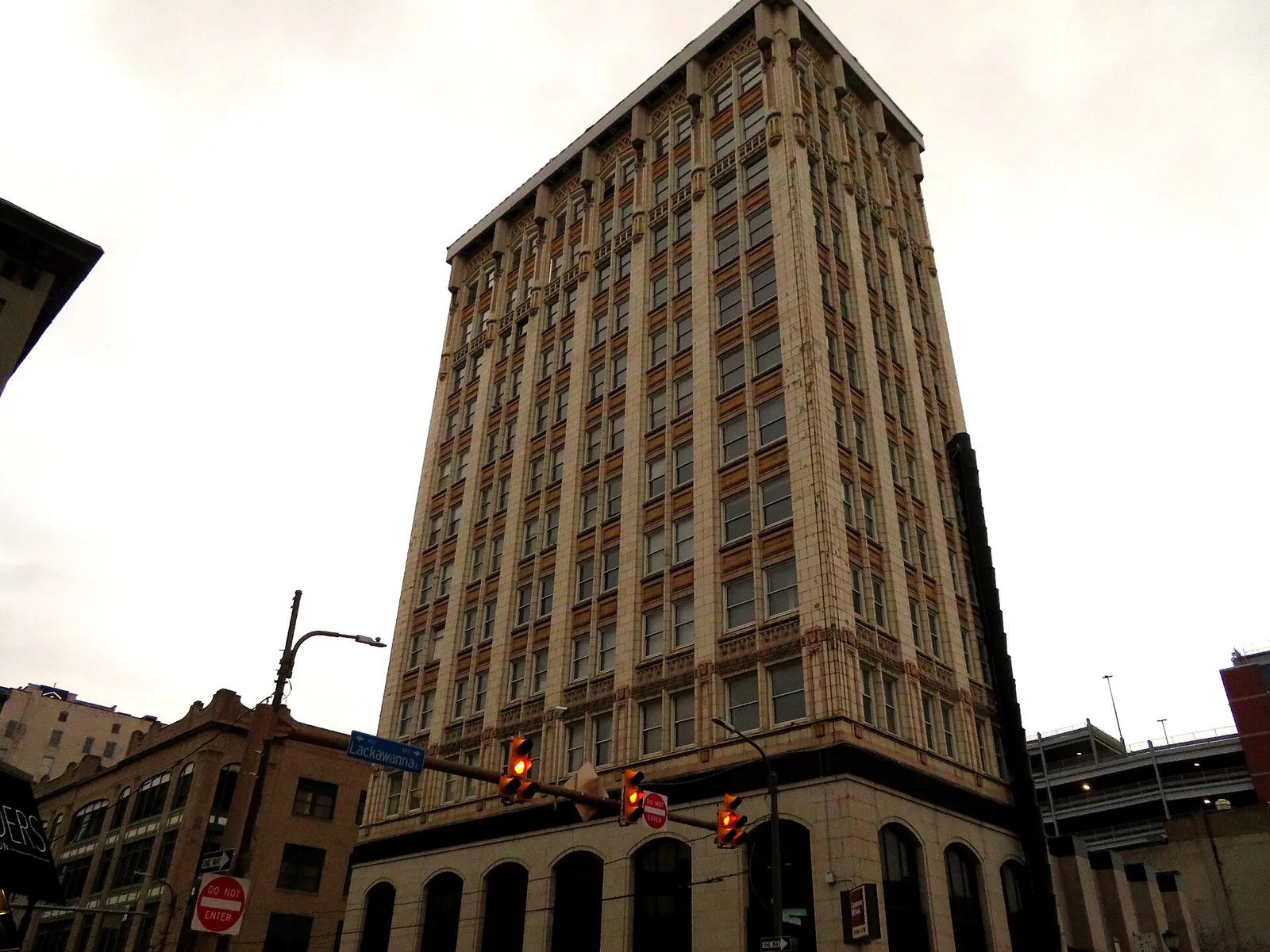
Centered on Courthouse Square and Lackawanna Avenue, Downtown features historic architecture, converted lofts, corporate offices, and central event venues.
Best for: Student housing, proximity to Nay Aug Park, and historic residential Victorian architecture.
Rising sharply east of Downtown near the University of Scranton and Lackawanna College, this neighborhood is divided into Lower, Middle, and Upper Hill.
Best for: Quiet tree-lined residential walks, grand Colonial homes, and proximity to Marywood University.
A north-central neighborhood known for wide residential avenues, historic homes, and a suburban atmosphere within city limits.
Best for: Neighborhood pizzerias, classic taverns, and exploring working-class community roots.
Located across the Lackawanna River along Main Avenue, West Scranton includes recognized enclaves like Hyde Park, Bellevue, Tripp's Park, and Keyser Valley.
Best for: Industrial heritage history, iron blast furnaces, and traditional food spots along Cedar Avenue.
Stretching south of Roaring Brook and the Lackawanna River, South Scranton contains the Iron District and historic immigrant neighborhood corridors.
Best for: Exploring early settlement history, river bend enclaves, and neighborhood commerce.
Includes the historic Providence settlement area along North Main Avenue, as well as distinct enclaves like Bulls Head, The Plot, and Park Place.
Best for: Elevated residential living, valley views, and quick access to mountain ridgelines.
Perched on the mountain slopes overlooking the Lackawanna River Valley, offering mid-century and modern single-family residential areas.
Explore your options
Scranton's culinary identity is shaped by late 19th- and early 20th-century European immigrant traditions, yielding unique regional food categories.
Baked on rectangular metal pans and ordered as full or half 'trays.' Distinctive for its crispy-yet-chewy crust and propriety cheese blend.
A quick-service staple served continuously in Scranton since the 1920s.
The primary downtown corridor for evening dining, craft brewing, and sit-down meals.
A simpler way to decide
Follow this sequence to combine Scranton's primary historic sites, local dining traditions, and scenic parks into a seamless single-day itinerary.
Arrive at 350 Cliff Street in Downtown Scranton. Explore the 1902 locomotive roundhouse, Big Boy engine #4012, and the History and Technology Museums with free admission.
Walk adjacent to the Electric City Trolley Museum. Check excursion run times to take a scenic 5.5-mile vintage trolley ride through the 4,747-foot Crown Avenue Tunnel.
Head into Downtown Scranton to Lackawanna Avenue for a quick lunch of Texas wieners topped with mustard, raw onions, and Greek chili sauce.
Drive west to McDade Park for the Lackawanna Coal Mine Tour. Descend 300 feet underground into Slope #190 for a guided walk through historic anthracite coal gangways.
Travel east to Nay Aug Park. Walk out onto the barrier-free David Wenzel Tree House for elevated views of Nay Aug Gorge and Roaring Brook.
Cap the day by ordering a tray of Old Forge-style red or white pizza at a historic local establishment in West Scranton or neighboring Old Forge.
Common local questions
These are common situations people face when trying to decide where to eat, what to do, where to get drinks, or how to spend their time in Scranton.
Scranton planning questions
Practical answers for people deciding where to eat, what to do, where to go, or how to make plans in Scranton.
Yes. On-street metered parking in Downtown Scranton is free on Saturdays and Sundays, as well as on official city holidays. Paid meter enforcement applies Monday through Friday from 8:00 AM to 7:00 PM.
Vehicular and pedestrian traffic moves across the Lackawanna River using primary bridges including the Mulberry Street Viaduct, Lackawanna Avenue Bridge, Elm Street Bridge, and Olive Street Bridge.
The Coal Mine Tour in McDade Park operates seasonally, opening in early April and running through November 30. It is closed during the winter months.
In Northeastern Pennsylvania, Old Forge-style pizza is baked in rectangular pans and ordered as a whole 'tray' (rather than a 'pie'). An individual slice cut from the tray is referred to as a 'cut.'
Yes. Both attractions are located on the historic railroad yard site at 300–350 Cliff Street in Downtown Scranton, sharing adjacent parking facilities.
Standard COLTS daytime routes operate until approximately 6:00 PM. However, COLTS operates two specialized Evening City Circle routes (71 North and 72 South) running until 1:00 AM Monday through Saturday.
The underground mine maintains a constant year-round temperature of 53°F. Visitors are encouraged to bring a light jacket or sweater and wear comfortable walking shoes.
Key urban trailheads with parking and river access include the Olive Street Trailhead, 7th Avenue Trailhead, Broadway Street Trailhead, and Elm Street Trailhead.
Park entry and access to the museum galleries at Steamtown National Historic Site are free. Additionally, children 12 and under receive free admission at the Everhart Museum in Nay Aug Park.
The Lackawanna Transit Center, located at 30 Lackawanna Avenue in Downtown Scranton, serves as the primary hub for COLTS local buses and regional intercity bus carriers.
Source transparency
Official and locally relevant sources used to verify the practical information presented in this Scranton decision guide.
Scranton decision engine
Tell Adventria what kind of experience you want, set your practical limits, and turn the options in Scranton into one workable plan.
Choose a Scranton Plan