Central West End (CWE)
Best for
High-density walkable dining, sidewalk cafes, boutique shopping, and medical campus access.
 AdventriaLocalOpen App
St. Louis Neighborhood & Urban Planning Guide
Trying to decide what to do in St. Louis? Adventria helps you cut through the options and choose a good-enough plan without endless scrolling. St. Louis is a historic urban tapestry of 79 distinct city neighborhoods, world-class free cultural institutions, and deeply rooted culinary traditions. Whether you are dodging Cardinals game-day garage surges, planning a zero-cost family afternoon in Forest Park, or finding live blues in Soulard, this guide breaks down local spatial realities, transit quirks, and district trade-offs.
The local decision problem
How to navigate St. Louis's distinct neighborhood enclaves, tax-funded free cultural institutions, seasonal climate shifts, and game-day friction to build frictionless local itineraries.
That is where Adventria comes in. Adventria helps narrow the options in St. Louis around practical factors like location, distance, budget, vibe, who you are with, and the kind of experience you actually want, so research can turn into a decision.
Let Adventria narrow the optionsPick the right part of town
Different parts of St. Louis work for different kinds of plans. Start with the experience you want, then narrow the map.
Best for
High-density walkable dining, sidewalk cafes, boutique shopping, and medical campus access.
Best for
Historic red-brick nightlife, live blues music, patio bars, and Cajun/Creole dining.
Best for
Authentic Italian trattorias, specialty delis, bakeries, and traditional neighborhood dining.
Best for
Multicultural dining along South Grand, leafy Victorian park strolls, and independent retail.
Best for
LGBTQ+ nightlife, independent craft breweries, live performance, and late-night street food.
Best for
Major league sports, national monuments, riverfront views, and large-scale entertainment.
This is a quick starting point. The full guide covers 8 local neighborhoods and districts in St. Louis.
Eat & drink
When the decision is less about what to do and more about where to eat or grab a drink, start here. These local cues narrow the food and drink decision without turning dinner or a night out into another hour of comparison.
For places to eat in St. Louis, start with Central West End (CWE) or The Hill depending on the kind of stop you want. Start with Central West End (CWE) for high-density walkable dining, sidewalk cafes, boutique shopping, and medical campus access.. Centered along Euclid Avenue, CWE features historic turn-of-the-century architecture, upscale French and American dining, coffee shops, and direct access to Forest Park and MetroLink. The Hill works for authentic Italian trattorias, specialty delis, bakeries, and traditional neighborhood dining.. Louis southwest of downtown, filled with family-run restaurants, Italian grocery stores, bocce courts, and the birthplace of toasted ravioli.
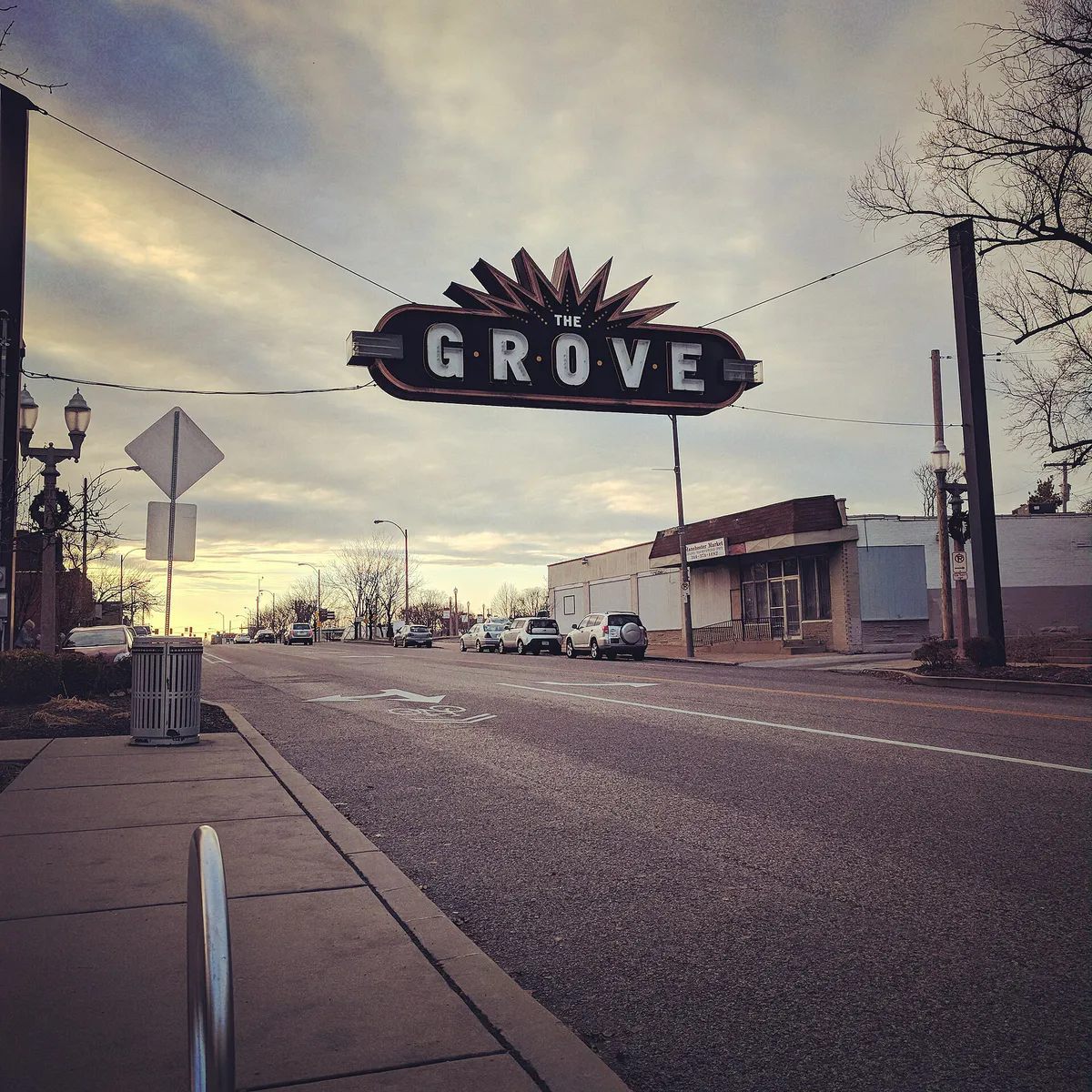
Catch live blues music and Cajun food at Broadway Oyster Bar or explore the brick taverns of Soulard. If you want high-energy dancing and craft beer, head to Manchester Avenue in The Grove. For a cultural evening, check show schedules at the Fabulous Fox Theatre or Powell Hall in the Grand Center Arts District.
Still comparing options? Adventria can narrow the choice around budget, distance, vibe, and who you are with.
Decide with AdventriaPlan by situation
Start with the kind of plan you are actually trying to make. These city-specific ideas narrow the choice around who you are with, what you want to spend, the weather, and the kind of outing you want.
Plan a late Friday afternoon visit to the Saint Louis Art Museum (open late until 9 PM with free admission), then walk across Art Hill at sunset. Transition to Central West End for cocktails and French bistro dining, or grab speakeasy drinks downtown before catching live blues in Soulard.
For zero-cost entertainment, take kids to the Saint Louis Zoo and the interactive Saint Louis Science Center in Forest Park. If you want a high-energy interactive venue and don't mind paid admission, head to the multi-story industrial playground at City Museum or The Magic House children's museum in Kirkwood.
When severe rain or winter cold strikes, spend hours exploring the four indoor climbing floors of the City Museum. Marvel at the 41 million glass mosaic tiles inside the Cathedral Basilica of Saint Louis, or tour the indoor exhibits at the Missouri History Museum and St. Louis Aquarium at Union Station.
St. Louis is one of the most budget-friendly cities in the United States. Thanks to local tax subsidies, the Saint Louis Zoo, Art Museum, Science Center, History Museum, and Gateway Arch Museum galleries cost zero dollars to enter. Pack a picnic for Forest Park or Tower Grove Park for a completely free day out.
St. Louis is exceptionally friendly to solo travelers. Spend a quiet morning remote-working or reading at a coffee shop in Maplewood or the Central West End. Walk through free gallery spaces like the Pulitzer Arts Foundation and Contemporary Art Museum in Midtown, then grab a single seat for dinner at the City Foundry STL food hall.
Avoid complex reservation logistics by choosing spacious gathering venues with diverse food options. City Foundry STL features over 15 food vendors under one roof with ample communal seating. Alternatively, reserve space at Urban Chestnut Bierhall in The Grove or head to outdoor social venues like 9 Mile Garden.
For an outdoor plan from St. Louis, compare trails, state parks, national parks within trip range, and scenic drives. Options in the current city guide include Horshoe Lake State Park and Frank Holten State Park.
Outdoors nearby
Use these nearby outdoor options when the plan calls for a trail, protected landscape, park, or drive instead of another indoor stop. Proximity here is geographic, not a promise about driving time.
Get out of town
When staying in town is not the answer, these nearby destinations give you a smaller starting set for a day trip, overnight escape, or weekend away.
Destination relationships are screened geographically. Straight-line proximity is not presented as road mileage or estimated travel time.
Local landmarks & attractions
These notable destinations offer a starting point when you want something specific to see, visit, or build into a day around St. Louis. Distances are approximate from the city area.
non-profit organization in the USA
art museum in St. Louis, Missouri
monument in St. Louis, Missouri
arena in St. Louis, Missouri, United States
zoo in St. Louis, Missouri
theater and former movie theater in St. Louis, Missouri, United States
art museum in St. Louis, Missouri
stadium in St. Louis, Missouri, US
Notable places are selected from structured public destination data and ranked for relevance, prominence, proximity, and variety.
Local decision signals
A useful local recommendation depends on how the city actually works. These conditions affect where to go, what to do, and whether a plan makes sense right now.
Tax-supported regional funding provides 100% free general admission to the Saint Louis Zoo, Art Museum, Science Center, and Missouri History Museum.
Known locally as 'The Great Divorce,' the strict municipal separation between St. Louis City and St. Louis County alters parking rules, police jurisdiction, and road maintenance across Skinker and McCausland.
Cardinals baseball at Busch Stadium and CITY SC soccer at CITYPARK cause severe downtown traffic slowdowns and spike parking garage rates from $10 to $40.
The Red and Blue light rail lines run straight through the central East-West corridor, connecting Lambert Airport, Clayton, CWE, Grand Center, Downtown, and Illinois.
Summer heat indexes routinely cross 100°F with severe afternoon thunderstorms, requiring morning park plans and afternoon indoor transitions.
Deep-rooted food traditions include toasted ravioli, St. Louis-style pizza with Provel cheese, gooey butter cake, pork steaks, and frozen custard concretes.
At over 1,300 acres, Forest Park is larger than NYC's Central Park, housing major museums, lakes, golf courses, and trails within a single central footprint.
Neighborhood context
Neighborhoods are not interchangeable. Each area offers a different balance of atmosphere, transportation, food, nightlife, activities, and planning friction.
Best for: High-density walkable dining, sidewalk cafes, boutique shopping, and medical campus access.
Centered along Euclid Avenue, CWE features historic turn-of-the-century architecture, upscale French and American dining, coffee shops, and direct access to Forest Park and MetroLink.
Best for: Historic red-brick nightlife, live blues music, patio bars, and Cajun/Creole dining.
One of the city's oldest residential enclaves, famous for French-German brick architecture, continuous farmers market operations since 1779, game-day shuttles, and Mardi Gras celebrations.
Best for: Authentic Italian trattorias, specialty delis, bakeries, and traditional neighborhood dining.
The historic Italian-American heart of St. Louis southwest of downtown, filled with family-run restaurants, Italian grocery stores, bocce courts, and the birthplace of toasted ravioli.
Best for: Multicultural dining along South Grand, leafy Victorian park strolls, and independent retail.
Residential neighborhoods flanking Tower Grove Park and the Missouri Botanical Garden. Known for historic brick bungalows and South Grand's international food strip.
Best for: LGBTQ+ nightlife, independent craft breweries, live performance, and late-night street food.
St. Louis's primary nightlife strip stretched along Manchester Avenue, anchored by craft brew halls, dance venues, comedy clubs, and global casual eats.
Best for: Major league sports, national monuments, riverfront views, and large-scale entertainment.
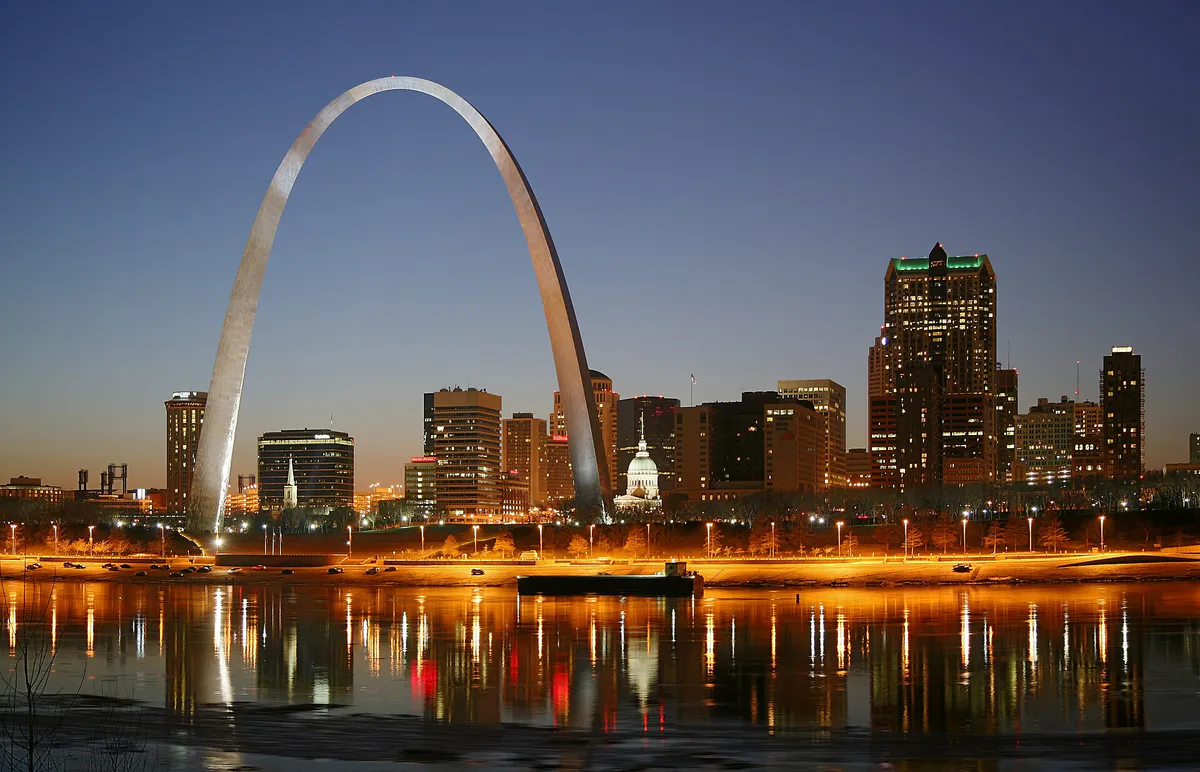
The commercial center along the Mississippi River housing Gateway Arch National Park, Busch Stadium, CITYPARK, Enterprise Center, and historic Union Station.
Best for: Live concert venues, vintage record shopping, neon streetscapes, and casual global dining.
An energetic six-block entertainment corridor straddling the city and University City border near Washington University, featuring concert halls and the St. Louis Walk of Fame.
Best for: Broadway national tours, symphony performances, contemporary art galleries, and museum visits.
Midtown's cultural core home to the Fabulous Fox Theatre, Powell Hall, Contemporary Art Museum St. Louis (CAM), and the Pulitzer Arts Foundation.
Explore your options
Each St. Louis entertainment hub offers distinct architectural character, transit connectivity, and culinary strengths.
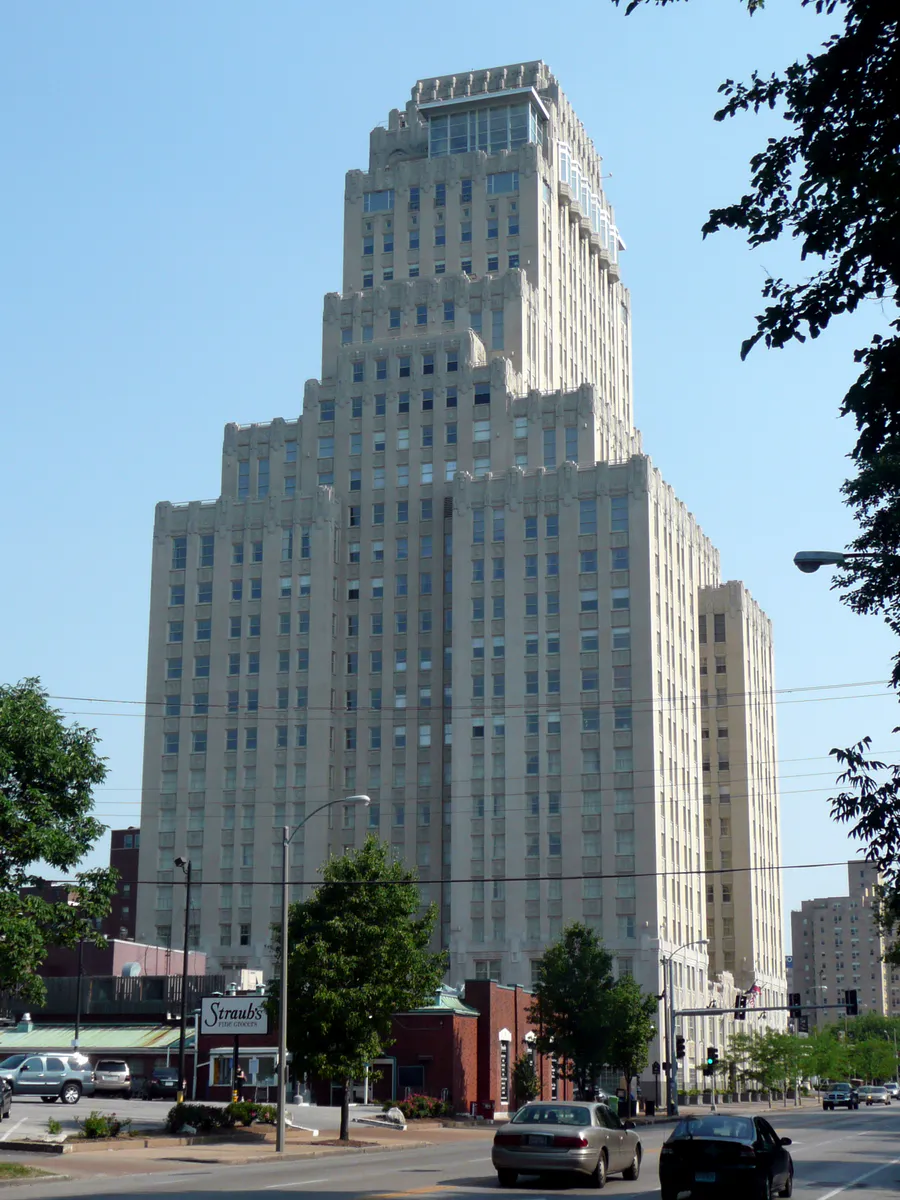
High-density urban core combining fine dining, medical centers, and cultural anchors.
Historic brick residential neighborhoods rich in ethnic culinary heritage and nightlife.
The commercial and professional sports hub bordering Gateway Arch National Park.
Vibrant commercial strips dedicated to music, performance, and indie nightlife.
Practical local guidance
Keep these local operational factors in mind when building your St. Louis daily plans:
A simpler way to decide
Follow this step-by-step decision pattern to maximize your time while minimizing transit friction.
Choose an open-air morning destination based on the weather—such as the Saint Louis Zoo in Forest Park, the Missouri Botanical Garden, or a historic market in Soulard or Tower Grove.
Match your lunch location to your morning anchor: head to The Hill for Italian delis after Forest Park, or South Grand for international fare after Tower Grove.
Spend early afternoon hours inside free climate-controlled galleries like the Saint Louis Art Museum, Missouri History Museum, or the Cathedral Basilica mosaic displays.
Check stadium fixtures or Grand Center theater times. If sports games are active downtown, pivot your evening plans toward Central West End, The Grove, or Maplewood.
Conclude your night with live blues at Broadway Oyster Bar, craft beer halls in The Grove, or board games and drinks in Soulard.
Common local questions
These are common situations people face when trying to decide where to eat, what to do, where to get drinks, or how to spend their time in St. Louis.
St. Louis planning questions
Practical answers for people deciding where to eat, what to do, where to go, or how to make plans in St. Louis.
MetroLink light rail is highly efficient along the central East-West corridor, directly connecting Lambert Airport, Clayton, Central West End, Grand Center, Downtown, and Illinois. MetroBus covers broader regional areas, though driving or ride-sharing is often faster for north-south travel between South City neighborhoods.
The Zoo Museum District (ZMD) is a local tax-supported district that funds free general admission to premier cultural institutions in Forest Park, including the Saint Louis Zoo, Saint Louis Art Museum, Saint Louis Science Center, and Missouri History Museum.
When the Cardinals play at Busch Stadium or St. Louis CITY SC plays at CITYPARK, event rates apply at downtown parking garages, raising prices from standard $5–$10 daily rates to $20–$40. Consider riding MetroLink to Civic Center or Stadium stations to bypass congestion.
High summer humidity frequently pushes heat indexes past 100°F in July and August. Schedule outdoor walking tours, zoo visits, and park strolls early in the morning, and transition to air-conditioned indoor museums or food halls by early afternoon.
Local specialties include toasted ravioli (crispy fried ravioli topped with parmesan, served on The Hill), St. Louis-style thin-crust pizza topped with Provel cheese, gooey butter cake, pork steaks, and frozen custard concretes from Ted Drewes.
The Great Divorce refers to the 1876 political split that made St. Louis City an independent municipality separate from St. Louis County. Crossing borders like Skinker Boulevard changes municipal services, traffic enforcement, and street parking regulations.
Top indoor choices include exploring the multi-story indoor climbing paths at City Museum, viewing 41 million glass mosaic tiles inside Cathedral Basilica of Saint Louis, or visiting the indoor galleries of the Saint Louis Science Center and Missouri History Museum.
While the overall metro area is car-dependent, specific urban enclaves are exceptionally walkable for solo visitors, including Central West End, Delmar Loop, South Grand, Downtown, and Clayton.
Source transparency
Official and locally relevant sources used to verify the practical information presented in this St. Louis decision guide.
St. Louis decision engine
Tell Adventria what kind of experience you want, set your practical limits, and turn the options in St. Louis into one workable plan.
Choose a St. Louis Plan