Downtown St. Petersburg (DTSP) & Waterfront Arts
Best for
Museums, high-end dining, and waterfront parklands
 AdventriaLocalOpen App
Local Decision Guide
Trying to decide what to do in St. Petersburg? Adventria helps you cut through the options and choose a good-enough plan without endless scrolling. St. Petersburg spans an urban waterfront on Tampa Bay and barrier island beaches along the Gulf of Mexico. Navigating Pinellas County requires balancing geography, afternoon summer storms, and transit corridors like the SunRunner.
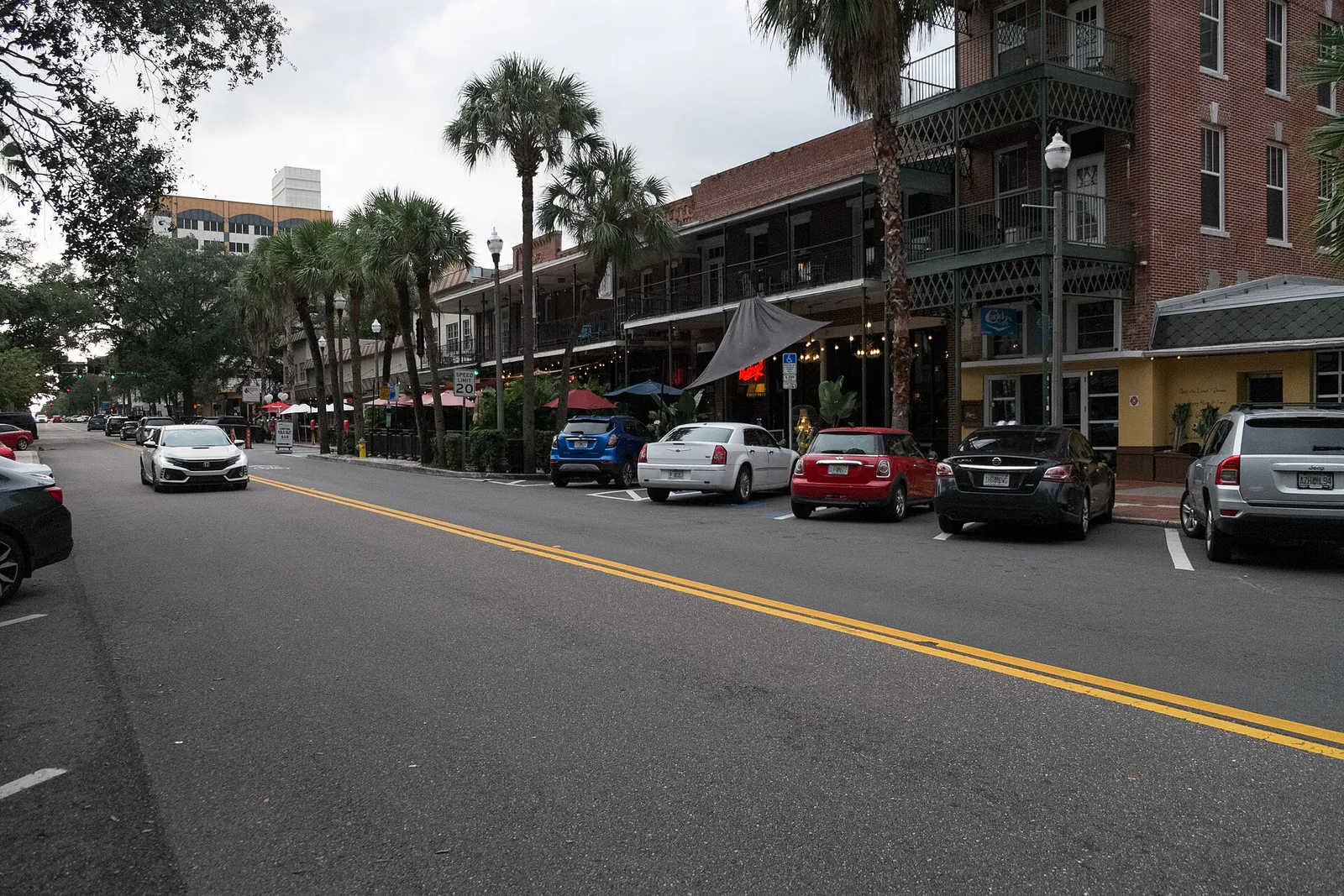
The local decision problem
Navigating district friction, transit options, and seasonal weather windows to plan local activities in St. Petersburg, FL.
That is where Adventria comes in. Adventria helps narrow the options in St. Petersburg around practical factors like location, distance, budget, vibe, who you are with, and the kind of experience you actually want, so research can turn into a decision.
Let Adventria narrow the optionsPick the right part of town
Different parts of St. Petersburg work for different kinds of plans. Start with the experience you want, then narrow the map.
Best for
Museums, high-end dining, and waterfront parklands
Best for
Family recreation, waterfront views, and outdoor dining
Best for
Craft cocktails, modern dining, and boutique shopping
Best for
Vintage shopping, craft breweries, and LGBTQ+-friendly venues
Best for
Immersive art, glassblowing hotshops, and large studios
Best for
Architecture walks and quiet residential waterfront park access
This is a quick starting point. The full guide covers 7 local neighborhoods and districts in St. Petersburg.
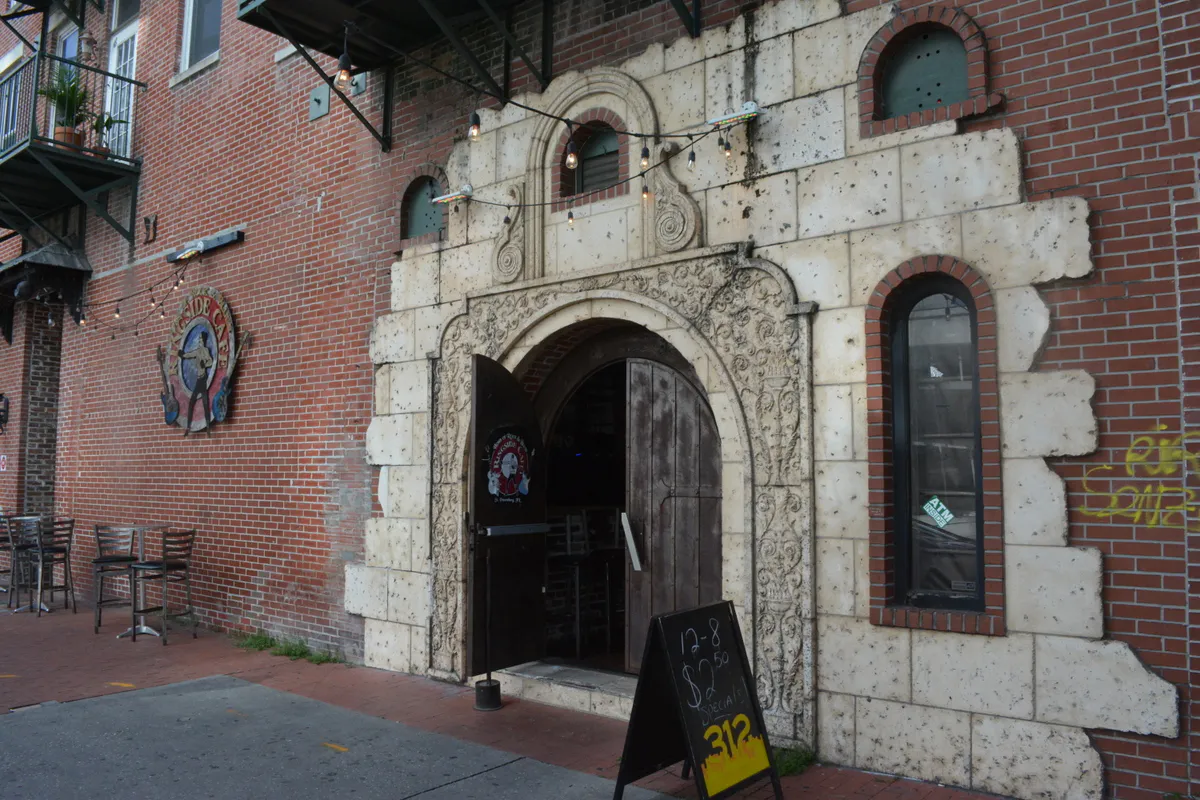
Eat & drink
Trying to decide where to eat in St. Petersburg? Start with the local dining context below and narrow the decision around the kind of meal or experience you actually want.
Choose Beach Drive NE for high-end European, steakhouse, or seafood dining with sidewalk views of North Straub Park. For casual bistros, craft cocktail spots, and microbreweries, head to Central Avenue in the EDGE District or Grand Central District.
Still comparing options? Adventria can narrow the choice around budget, distance, vibe, and who you are with.
Decide with AdventriaPlan by situation
Start with the kind of plan you are actually trying to make. These city-specific ideas narrow the choice around who you are with, what you want to spend, the weather, and the kind of outing you want.
Head to the St. Pete Pier District to utilize the Glazer Family Playground, Majeed Foundation Splash Pad, and calm Spa Beach, or pair Great Explorations Children's Museum with Sunken Gardens.
Avoid afternoon thunderstorms by booking climate-controlled indoor attractions like FloridaRAMA, the Chihuly Collection, Imagine Museum, or the downtown museum corridor.
Visit Boyd Hill Nature Preserve for low-cost admission ($3 adults), spend $6 per car to explore Fort De Soto Park beaches, or attend the Friday Night Shuffleboard ($10 non-members, BYOB).
Cycle the urban segments of the 38+ mile Pinellas Trail, browse independent galleries along the Central Arts District (300-700 blocks), or work from local coffee shops in Grand Central.
For an outdoor plan from St. Petersburg, compare trails, state parks, national parks within trip range, and scenic drives. Options in the current city guide include Skyway Fishing Pier State Park and Cockroach Bay Preserve State Park.
Combine an evening walk along Beach Drive NE with a visit to The Dalí Museum during discounted Thursday late-night entry, followed by drinks at a Pier rooftop or a casual match at the St. Petersburg Shuffleboard Club.
Book group court time or visit the Friday Night Shuffleboard, visit high-capacity microbreweries like 3 Daughters Brewing or Green Bench, or explore the 15,000 sq ft immersive art spaces at FloridaRAMA.
Outdoors nearby
Use these nearby outdoor options when the plan calls for a trail, protected landscape, park, or drive instead of another indoor stop. Proximity here is geographic, not a promise about driving time.
Get out of town
When staying in town is not the answer, these nearby destinations give you a smaller starting set for a day trip, overnight escape, or weekend away.
Destination relationships are screened geographically. Straight-line proximity is not presented as road mileage or estimated travel time.
Local landmarks & attractions
These notable destinations offer a starting point when you want something specific to see, visit, or build into a day around St. Petersburg. Distances are approximate from the city area.
art museum in St. Petersburg, Florida, United States
botanical park in St. Petersburg, Florida, United States
stadium in St. Petersburg, Florida
African-themed animal theme park in Tampa, Florida
non-profit organization in the USA
performing arts center and concert hall in St. Petersburg, Florida
indoor stadium in Tampa, Florida, USA
historic district in Florida, United States
Notable places are selected from structured public destination data and ranked for relevance, prominence, proximity, and variety.
Local decision signals
A useful local recommendation depends on how the city actually works. These conditions affect where to go, what to do, and whether a plan makes sense right now.
Downtown St. Petersburg sits on Tampa Bay, while open ocean beaches like St. Pete Beach lie 9 to 12 miles west on the Gulf of Mexico.
The SunRunner connects Downtown St. Pete to St. Pete Beach via 1st Avenues N/S, requiring cashless payment via tap cards or the Flamingo Fares app.
Daily afternoon thunderstorms occur reliably between 2:00 PM and 6:00 PM from June through September; plan outdoor activities for morning hours.
Algal blooms on Gulf barrier islands occasionally shift outdoor plans inland or toward bay-side waterfront parks like Vinoy Park.
Commuter traffic across Tampa Bay bridges (Howard Frankland, Gandy) spikes during peak weekday hours, while the Sunshine Skyway charges tolls and closes in 40+ mph winds.
Central Avenue divides North and South street grids, serving as a continuous arts and dining spine through Central Arts, EDGE, and Grand Central districts.
The St. Petersburg Shuffleboard Club opens to non-members on Friday nights for a public, BYOB-friendly community gathering.
Neighborhood context
Neighborhoods are not interchangeable. Each area offers a different balance of atmosphere, transportation, food, nightlife, activities, and planning friction.
Best for: Museums, high-end dining, and waterfront parklands
The urban civic core along Tampa Bay featuring high-rise residences, municipal marinas, and major institutions like The Dalí Museum and Museum of Fine Arts.
Best for: Family recreation, waterfront views, and outdoor dining
A 26-acre municipal park extending into Tampa Bay with Spa Beach, splash pads, a playground, fishing deck, and multiple food venues.
Best for: Craft cocktails, modern dining, and boutique shopping
A historic 7-block main street district along Central Avenue between 9th and 16th Streets with converted storefronts and microbreweries.
Best for: Vintage shopping, craft breweries, and LGBTQ+-friendly venues
Designated Florida Main Street stretching from 16th to 31st Streets along Central Avenue, featuring antique stores and local taprooms.
Best for: Immersive art, glassblowing hotshops, and large studios
A former industrial zone south of Grand Central housing venue spaces like FloridaRAMA, ArtsXchange, and Duncan McClellan Gallery.
Best for: Architecture walks and quiet residential waterfront park access
Historic 1920s enclave north of downtown with brick streets, leading to North Shore Park and the upscale Snell Isle residential island.
Best for: African American heritage preservation and community arts
Centered along 22nd Street South, historically the commercial hub during segregation and now a designated Florida Main Street.
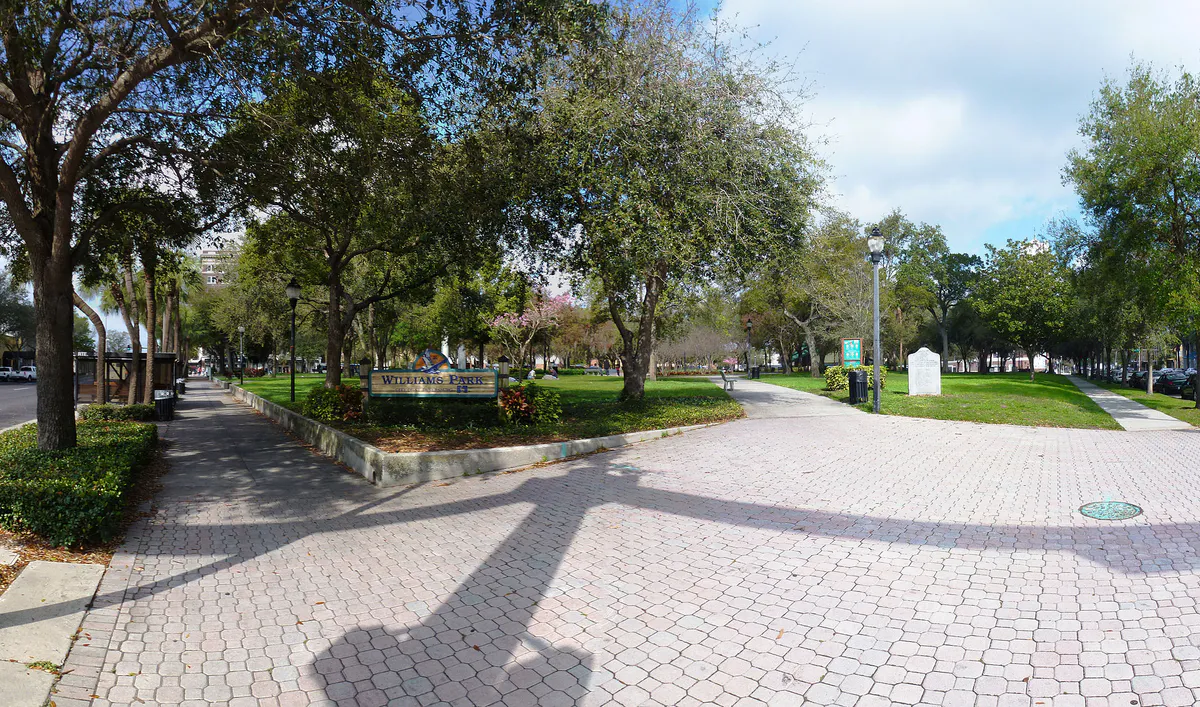
St. Petersburg local guide
A common misconception for newcomers in St. Petersburg is equating the downtown waterfront with Gulf Coast ocean beaches. Downtown St. Petersburg (DTSP) sits directly on Tampa Bay, offering calm water, municipal marinas, and manicured waterfront lawns like Vinoy Park and Spa Beach, but no expansive ocean surf. The open waters of the Gulf of Mexico—including St. Pete Beach, Treasure Island, and Pass-a-Grille—are located 9 to 12 miles west, connected via major causeways like the Pinellas Bayway.
Central Avenue functions as the primary east-west arterial dividing North and South street addresses. Along this corridor, distinct commercial hubs emerge: the high-density Central Arts District, the energetic 7-block EDGE District, the vintage and brewery-rich Grand Central District, and the redeveloped Warehouse Arts District. Navigating these hubs efficiently relies on understanding how transit routes link downtown to the barrier islands.
Explore your options
St. Petersburg offers a distinct mix of world-class art collections, historic botanical grounds, and extensive coastal nature preserves.
Located on One Dalí Boulevard along the downtown waterfront, this facility houses the largest collection of Dalí artwork outside Europe within a storm-fortified geodesic glass enclosure known as the Enigma.
A century-old historic botanical landmark on 4th Street North featuring over 50,000 tropical plant species, Chilean flamingos, and winding paved trails.
Spanning 1,136 acres across five interconnected keys at the southern tip of Pinellas County, offering historic military fort ruins, three miles of beaches, a dog beach, and boat ramps.
A 15,000-square-foot indoor immersive art experience in the Warehouse Arts District showcasing Florida-inspired installations from over 70 local and regional artists.
Practical local guidance
Essential travel facts to reduce friction when navigating St. Petersburg and avoiding unnecessary parking fees.
A simpler way to decide
Follow these step-by-step decisions to manage environmental variables during Florida's summer and seasonal weather cycles.
Before traveling to barrier island beaches, review current Florida Fish and Wildlife (FWC) reports for Red Tide algal blooms along the Gulf coast.
If Gulf beaches experience high algae concentrations, shift outdoor itineraries to Tampa Bay waterfront parks like Vinoy Park or inland sanctuaries like Boyd Hill Nature Preserve.
Book visits to outdoor sites like Sunken Gardens, Fort De Soto, or cycling on the Pinellas Trail between 8:00 AM and 11:30 AM before maximum heat and storm risks develop.
Plan to be inside climate-controlled museums such as The Dalí, Museum of Fine Arts, or FloridaRAMA during the peak storm window between 2:00 PM and 6:00 PM.
Avoid re-parking fees across multiple districts by leaving your vehicle in SouthCore or Sundial garages and using the SunRunner or Downtown Looper to move around.
Common local questions
These are common situations people face when trying to decide where to eat, what to do, where to get drinks, or how to spend their time in St. Petersburg.
St. Petersburg planning questions
Practical answers for people deciding where to eat, what to do, where to go, or how to make plans in St. Petersburg.
Downtown St. Petersburg (DTSP) is an urban district located on Tampa Bay with museums, high-rise residential towers, and waterfront parks. St. Pete Beach is a separate barrier island municipality located 9 to 12 miles west on the Gulf of Mexico, accessible via causeways.
The SunRunner is a Bus Rapid Transit system running along 1st Avenue North and 1st Avenue South. It connects Downtown St. Pete directly to St. Pete Beach. Service is cashless; riders pay using contactless payment cards, digital wallets, or the Flamingo Fares app.
Between June and September, afternoon rainstorms are common between 2:00 PM and 6:00 PM. Head indoors to major museums like The Dalí Museum, Museum of Fine Arts, The James Museum, Imagine Museum, or FloridaRAMA in the Warehouse Arts District.
Yes, the Downtown Looper Trolley is a free circulator serving major downtown hotels, waterfront parks, parking garages, and cultural institutions like The Dalí Museum.
Convenient parking options include the Sundial Garage (117 2nd Ave N) and SouthCore Garage (101 1st Ave S), both within short walking distance of Beach Drive, or designated surface lots directly in the Pier District.
Hosted at the St. Petersburg Shuffleboard Club on Mirror Lake Drive every Friday night from 7:00 PM to 10:00 PM, this public event invites non-members to play shuffleboard. It is BYOB-friendly (no glass) and offers free instruction from volunteers.
Fort De Soto Park is located at the southern tip of the Pinellas peninsula, approximately a 20-to-30-minute drive south of downtown. Entry requires a per-vehicle fee plus toll bridge passes across the Pinellas Bayway.
Craft breweries are heavily concentrated in the EDGE District, Grand Central District, and Warehouse Arts District along and adjacent to Central Avenue. Notable anchors include Green Bench Brewing Co. and 3 Daughters Brewing.
Yes, the Pinellas Trail is a paved, 38+ mile rail-trail that begins in Downtown St. Petersburg and extends north through Pinellas County to Tarpon Springs, completely separated from motor vehicle traffic.
If Red Tide affects Gulf barrier island beaches, shift your plans to bay-side locations like the St. Pete Pier, Vinoy Park, or inland nature areas like Boyd Hill Nature Preserve and Sunken Gardens.
Source transparency
Official and locally relevant sources used to verify the practical information presented in this St. Petersburg decision guide.
St. Petersburg decision engine
Tell Adventria what kind of experience you want, set your practical limits, and turn the options in St. Petersburg into one workable plan.
Choose a St. Petersburg Plan