Downtown / Moody Street
Best for
Global dining, historic mill architecture, and walkable nightlife
 AdventriaLocalOpen App
City Decision & Planning Guide
Trying to decide what to do in Waltham? Adventria helps you cut through the options and choose a good-enough plan without endless scrolling. Whether you are deciding where to park for dinner on Moody Street, looking for free art and historic estate walks, or trying to avoid peak commute bottlenecks across the Charles River, this guide details how to plan your time in Waltham effectively.
The local decision problem
Navigating river and rail bottlenecks, seasonal Moody Street parking shifts, and university calendar dynamics while choosing between historic estates, contemporary art spaces, and dense dining corridors.
That is where Adventria comes in. Adventria helps narrow the options in Waltham around practical factors like location, distance, budget, vibe, who you are with, and the kind of experience you actually want, so research can turn into a decision.
Let Adventria narrow the optionsPick the right part of town
Different parts of Waltham work for different kinds of plans. Start with the experience you want, then narrow the map.
Best for
Global dining, historic mill architecture, and walkable nightlife
Best for
Brandeis access, converted mill condos, and local neighborhood eateries
Best for
Victorian architecture and proximity to Prospect Hill hiking
Best for
Waterfront strolls, public boat launches, and quiet residential streets
Best for
Quiet suburban walking near the Weston border
Best for
Historic West End transit connections and arterial access
This is a quick starting point. The full guide covers 7 local neighborhoods and districts in Waltham.
Eat & drink
Trying to decide where to eat in Waltham? Start with the local dining context below and narrow the decision around the kind of meal or experience you actually want.
Moody Street features dense, multi-block dining choices. For casual pub fare and craft tap lists, check out The Gaff or Tempo. If you want popular breakfast or brunch specialties, In A Pickle draws high early morning traffic. For Latin American and Southeast Asian choices, explore options like Amuleto Mexican Table, Guanachapi’s, El Sabor Salvadoreño for Salvadoran pupusas, or Baan Thai and Wakuwaku Ramen. Expect heavy dinner crowds on weekends, especially during university terms.
Still comparing options? Adventria can narrow the choice around budget, distance, vibe, and who you are with.
Decide with AdventriaPlan by situation
Start with the kind of plan you are actually trying to make. These city-specific ideas narrow the choice around who you are with, what you want to spend, the weather, and the kind of outing you want.
Escape rain or winter cold by stepping inside the heated glasshouses at the Lyman Estate, which house tropical foliage and historic plant collections. You can also spend a rainy afternoon indoors exploring the multi-room exhibits at the Charles River Museum or browsing modern art collections at the Rose Art Museum.
Waltham provides several major low-cost outings: admission and visitor parking at the Rose Art Museum are always free, walking the grounds at Gore Place costs nothing, and hiking to the summit overlooks at Prospect Hill Park or biking the Mass Central Rail Trail provides completely free outdoor recreation.
For large group gatherings with no formal reservations required, the spacious indoor taproom and outdoor patio at Mighty Squirrel Brewing Co. offers scalable seating and rotating food trucks. For private events or scheduled group outings, check booking availability at the Charles River Museum, which hosts events for up to 180 guests.
For an outdoor plan from Waltham, compare trails, state parks, national parks within trip range, and scenic drives. Options in the current city guide include Charles River Reservation and Beaver Brook North Reservation.
Start with a quiet afternoon walk through the climate-controlled historic greenhouses at the Lyman Estate, followed by an hour viewing works at the Rose Art Museum. Drive down to Downtown Waltham, park in the Spruce Street or Walnut Street municipal lot, and walk over to Moody Street for dinner and cocktails at Bistro 781 or Tempo.
Bring kids to Gore Place to see the rare-breed farm sheep and run around the nature playscape area. Next, head into the Charles River Museum of Industry & Innovation to explore hands-on exhibits featuring early American engineering, historic watchmaking, and steam engines housed inside the original 1814 mill building.
Enjoy a low-pressure solo outing by biking or jogging along the Mass Central Rail Trail (MCRT) or the paved Charles River Greenway. Follow it up with a quiet walk through the Rose Art Museum or an hour spent reading along the riverbank near the Charles River Museum.
Outdoors nearby
Use these nearby outdoor options when the plan calls for a trail, protected landscape, park, or drive instead of another indoor stop. Proximity here is geographic, not a promise about driving time.
Get out of town
When staying in town is not the answer, these nearby destinations give you a smaller starting set for a day trip, overnight escape, or weekend away.
Destination relationships are screened geographically. Straight-line proximity is not presented as road mileage or estimated travel time.
Local landmarks & attractions
These notable destinations offer a starting point when you want something specific to see, visit, or build into a day around Waltham. Distances are approximate from the city area.
art museum in Boston, Massachusetts, United States
multi-purpose arena in Boston, Massachusetts, United States
public aquarium in Boston, Massachusetts, USA
ballpark in Boston, Massachusetts; home of the Boston Red Sox
art museum in Boston, Massachusetts, United States
state capitol building for the Commonwealth of Massachusetts
amusement park in Salem, New Hampshire
botanical garden in Boston, MA
Notable places are selected from structured public destination data and ranked for relevance, prominence, proximity, and variety.
Local decision signals
A useful local recommendation depends on how the city actually works. These conditions affect where to go, what to do, and whether a plan makes sense right now.
From late May to early September, two-way traffic remains open on Moody Street, but on-street parking lanes are converted into outdoor dining spaces behind protective barriers. Drivers should head directly to municipal side-street lots.
The vehicle road leading up Prospect Hill opens daily from 10:00 AM to dusk between April and October. From November through March, the road is closed to motor vehicles, requiring a walk from the lower gate to reach the summit overlooks.
With over 10,000 combined students at Brandeis University and Bentley University, local dining demand around Moody and Main Streets increases noticeably between September and May, easing during mid-summer break.
During declared winter snow emergencies, all on-street parking across Waltham is prohibited. Vehicles must be moved into designated municipal lots to prevent towing during plow operations.
Traffic moving north-south across the Charles River is concentrated across five main bridges (Moody, Elm, Prospect, South, and Newton Streets). East-west vehicular flow along Main Street (Route 20) slows during peak morning and evening commute windows.
The 50-acre grounds of Gore Place are accessible to the public for walking daily from dawn to dusk without an admission fee, providing predictable open outdoor space near the Watertown line.
Neighborhood context
Neighborhoods are not interchangeable. Each area offers a different balance of atmosphere, transportation, food, nightlife, activities, and planning friction.
Best for: Global dining, historic mill architecture, and walkable nightlife
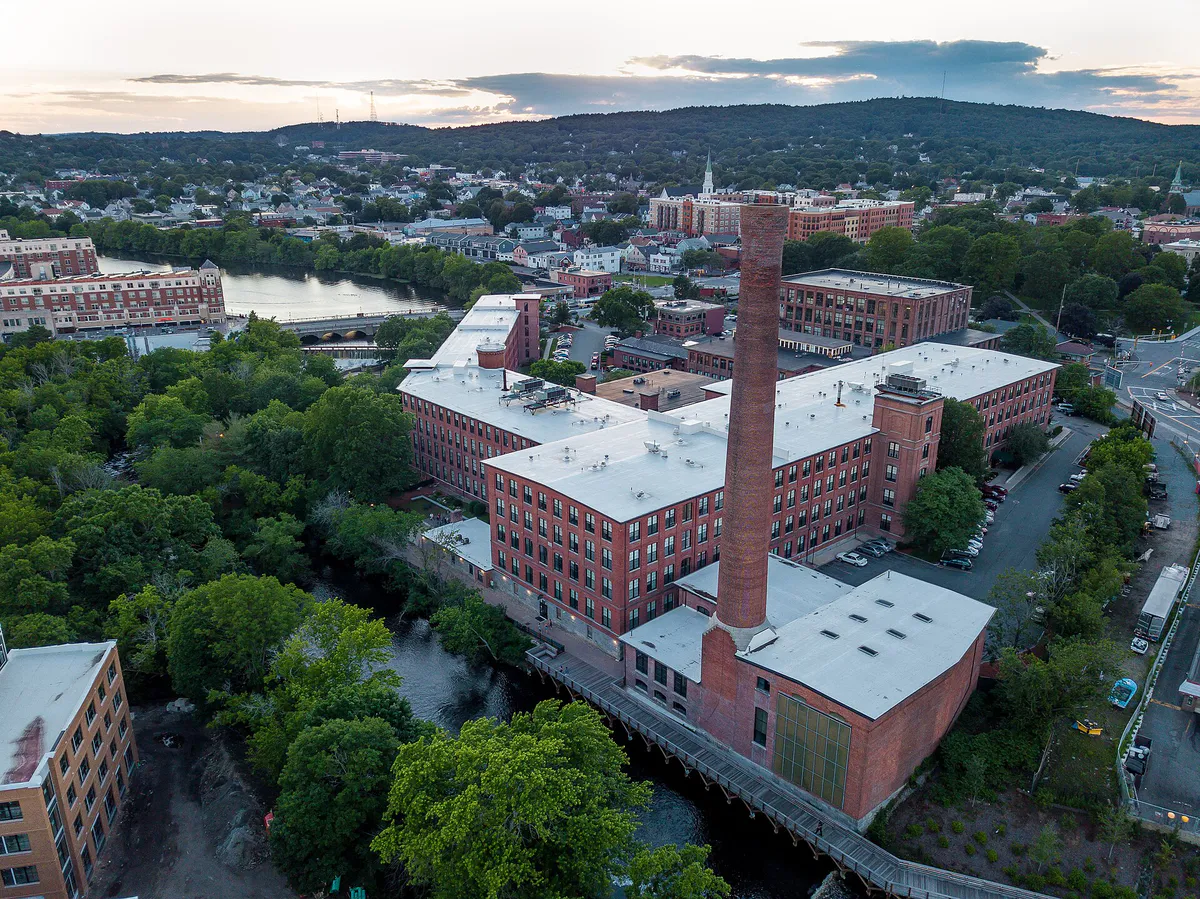
Centered on Moody Street between Main Street and High Street, this dense urban commercial corridor is famous for its concentration of multi-ethnic restaurants, municipal parking options, and access to the Charles Riverwalk.
Best for: Brandeis access, converted mill condos, and local neighborhood eateries
Stretching south of the Charles River toward Newton and Brandeis University, this historic worker neighborhood features multi-family housing, student rentals, and easy access to the Brandeis/Roberts commuter rail stop.
Best for: Victorian architecture and proximity to Prospect Hill hiking
Situated on the eastern slope of Prospect Hill north of the commuter rail tracks, this historic residential neighborhood features steep residential streets and direct foot trails into Prospect Hill Park.
Best for: Waterfront strolls, public boat launches, and quiet residential streets
A northern Waltham enclave surrounding Hardy Pond that offers community parkland, localized outdoor recreation, and straightforward access to Trapelo Road.
Best for: Quiet suburban walking near the Weston border
A mid-20th-century residential neighborhood located on the city's West End, defined by single-family homes and an active local neighborhood identity.
Best for: Historic West End transit connections and arterial access
Positioned around the intersection of Main Street (Route 20) and Weston Road, named after Civil War general Nathaniel P. Banks, serving as a primary western gateway into the city center.
Best for: High-tech business visits, corporate lodging, and reservoir access
The commercial district running along Interstate 95 / Route 128, home to corporate headquarters, technology labs, major hotels, and executive office complexes.
Explore your options
These iconic local destinations define Waltham's historical identity, blending 19th-century industrial innovation, early American estate preservation, and modern artistic expression.
A 50-acre historic estate built in 1806 for Massachusetts Governor Christopher Gore. The grounds feature a working farm with rare Leicester Longwool sheep, public walking paths, and nature playscapes.
Located in the historic 1814 Boston Manufacturing Company mill building at 154 Moody Street, exploring early American engineering, textile machinery, and precision watchmaking.
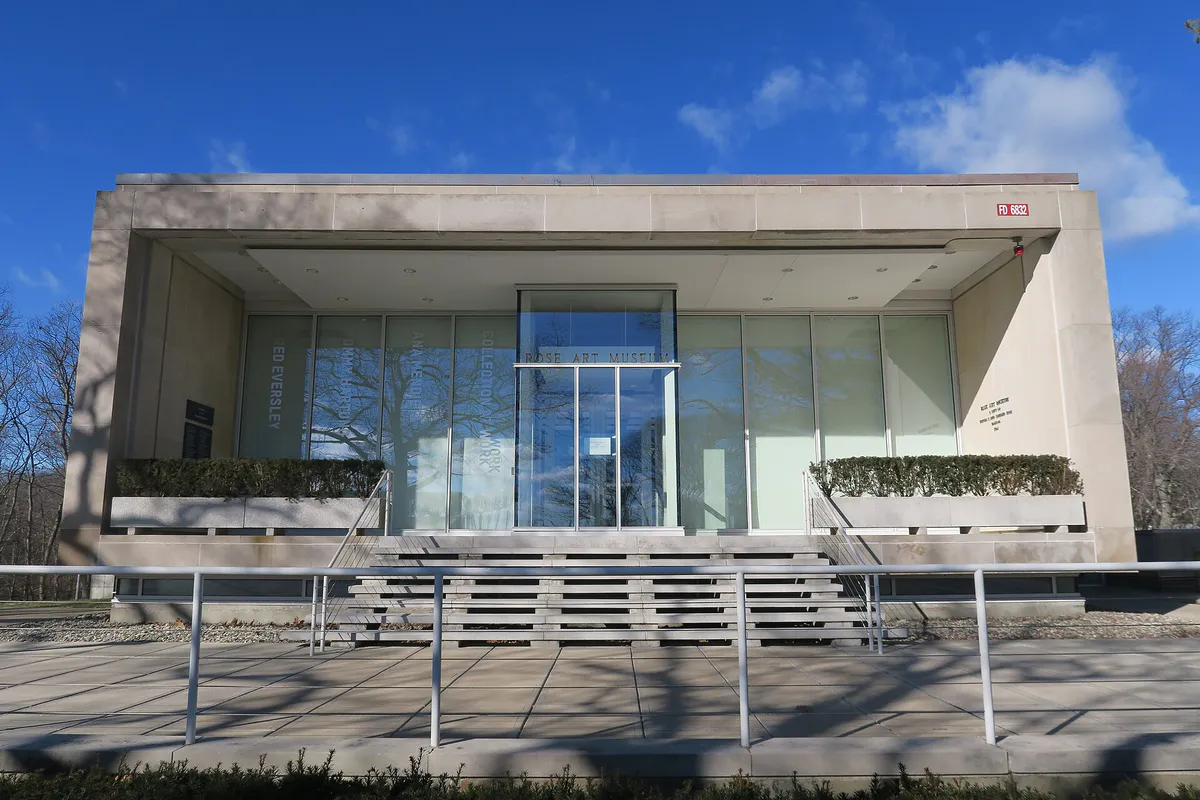
Situated on the Brandeis University campus at 415 South Street, housing a modern and contemporary art collection featuring works by major 20th-century American artists.
A 37-acre historic New England country estate featuring an 1793 Federal-style mansion and historic glasshouses dating back to 1804–1840.
Practical local guidance
When visiting Moody Street for dining or walking along the river, on-street parking fills quickly—and is eliminated along Moody Street itself during the summer outdoor dining program. Use these designated municipal off-street parking lots situated within a short walk of Restaurant Row:
A simpler way to decide
Follow these logical planning steps to balance parking, outdoor activities, and dining without getting caught in local traffic friction points.
Verify whether Brandeis and Bentley are in session, as university schedules impact evening restaurant wait times. Also check if seasonal events like the April Sheepshearing Festival or summer Moody Street dining rules are active.
Head early to Prospect Hill Park for a hike up to Big Prospect summit, or take a morning walk through the 50-acre grounds at Gore Place before local vehicle traffic builds.
Visit the Lyman Estate Greenhouses (open Tuesday–Saturday) or explore the Rose Art Museum on South Street, taking advantage of free visitor parking.
Drive toward Downtown Waltham and navigate directly to the Spruce Street, Walnut Street, or Embassy Deck municipal parking lots rather than searching for street parking along Main or Moody Streets.
Walk along Moody Street to choose among Mexican, Salvadoran, Thai, Japanese ramen, or traditional pub dining, concluding your outing with a stroll along the Charles River Greenway.
Common local questions
These are common situations people face when trying to decide where to eat, what to do, where to get drinks, or how to spend their time in Waltham.
Waltham planning questions
Practical answers for people deciding where to eat, what to do, where to go, or how to make plans in Waltham.
Yes, designated visitor parking spaces are available on the Brandeis University campus directly adjacent to the Rose Art Museum, and admission to the museum is always free.
Between late May and early September, two-way vehicular traffic remains open on Moody Street, but on-street parking lanes are replaced by jersey barriers for outdoor dining tables. Drivers should park in municipal off-street lots such as Spruce Street, Walnut Street, or Crescent Street.
The summit vehicle access road inside Prospect Hill Park is open daily from 10:00 AM until dusk between April and October. From November through March, the vehicle gate remains closed, though pedestrian hiking access is permitted year-round.
When the City of Waltham declares a snow emergency parking ban, all on-street parking is prohibited. Residents and visitors must move their vehicles into municipal lots, such as the Spruce Street, Walnut Street, or Embassy Deck facilities, to allow snow plows to clear streets.
The MBTA Fitchburg Commuter Rail line departs from Waltham Station (75 Carter Street) and reaches Boston's North Station in under 30 minutes. Express and local MBTA buses (such as Route 70) also connect Waltham to Newton, Watertown, and Cambridge.
No tickets or reservations are required to walk the 50-acre historic grounds at Gore Place. The grounds are free and open to the public daily from dawn until dusk, though guided tours of the 1806 mansion require tickets.
The Rose Art Museum is open during academic terms, but closes briefly during mid-summer for exhibition rotations before reopening for the fall university term. It is best to verify current gallery schedules before planning a mid-summer visit.
Bicyclists can ride along the Mass Central Rail Trail (MCRT), which runs east-west through central Waltham connecting toward Belmont, or follow the paved sections of the Charles River Greenway running along the riverbank.
Source transparency
Official and locally relevant sources used to verify the practical information presented in this Waltham decision guide.
Waltham decision engine
Tell Adventria what kind of experience you want, set your practical limits, and turn the options in Waltham into one workable plan.
Choose a Waltham Plan