Logan Circle & 14th Street Corridor
Best for
High-end patio dining, boutique shopping, and craft cocktail lounges.
 AdventriaLocalOpen App
Local Decision Guide
Trying to decide what to do in Washington? Adventria helps you cut through the options and choose a good-enough plan without endless scrolling. Planning time in the nation's capital requires more than picking a landmark on a map. From navigating four distinct address quadrants and timing free museum entries to decoding restaurant service fees and choosing the right transit mode, local context transforms a frustrating trip into a seamless experience. Use this guide to make confident decisions across Washington's historic neighborhoods, waterfronts, and cultural corridors.
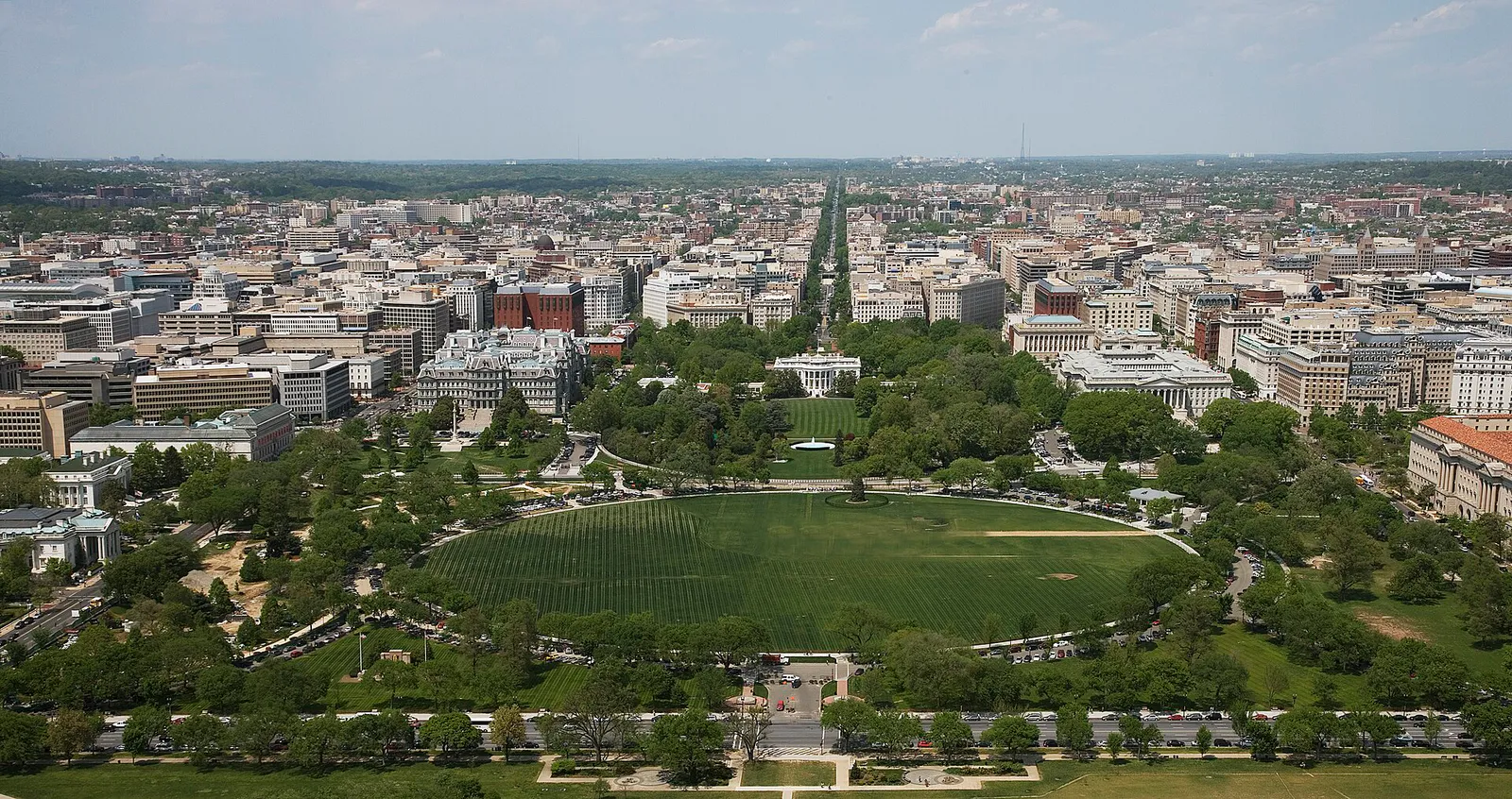
The local decision problem
Navigating quadrant geography, timed museum entry rules, transit adjustments, and dining surcharges while deciding how to spend time efficiently in Washington.
That is where Adventria comes in. Adventria helps narrow the options in Washington around practical factors like location, distance, budget, vibe, who you are with, and the kind of experience you actually want, so research can turn into a decision.
Let Adventria narrow the optionsPick the right part of town
Different parts of Washington work for different kinds of plans. Start with the experience you want, then narrow the map.
Best for
High-end patio dining, boutique shopping, and craft cocktail lounges.
Best for
Live music venues, historic African American heritage, and late-night dining.
Best for
Cobblestone strolling, historic architecture, and waterfront dining.
Best for
Gourmet food halls, artisanal shopping, and casual group gatherings.
Best for
Maritime views, waterfront concert halls, and fresh seafood markets.
Best for
Historic neighborhood walks, weekend farmers markets, and political bistros.
This is a quick starting point. The full guide covers 8 local neighborhoods and districts in Washington.
Eat & drink
When the decision is less about what to do and more about where to eat or grab a drink, start here. These local cues narrow the food and drink decision without turning dinner or a night out into another hour of comparison.
Head directly to Union Market in NoMa or Western Market in Foggy Bottom for high-quality vendor stalls without booking ahead. For sit-down meals, line up early at popular counter-service spots like Call Your Mother Deli, or drop by the bustling bar counters along the 14th Street NW or Barracks Row corridors, where full dinner menus are served to walk-ins.
Catch a free show at 6:00 PM on the Kennedy Center's Millennium Stage before heading to the U Street Corridor for jazz at Bohemian Caverns or live rock at 9:30 Club or The Atlantis. If you prefer waterfront views with drinks, visit The Wharf or Navy Yard for rooftop bars and craft breweries overlooking the water.
Still comparing options? Adventria can narrow the choice around budget, distance, vibe, and who you are with.
Decide with AdventriaPlan by situation
Start with the kind of plan you are actually trying to make. These city-specific ideas narrow the choice around who you are with, what you want to spend, the weather, and the kind of outing you want.
Rent a double kayak at Key Bridge Boathouse in Georgetown for sunset views of the Potomac skyline, or stroll through the quiet terraced gardens at Dumbarton Oaks. For an evening date, reserve seats at a cozy bistro in Logan Circle or enjoy cocktails under the glass canopy at Kogod Courtyard before catching a play at Studio Theatre.
Skip crowded downtown lines by heading to the National Zoo in Woodley Park (advance pass required) early in the morning when animals are active and paths are clear. Alternatively, visit the National Air and Space Museum's Udvar-Hazy Center near Dulles Airport for massive hanger displays, or let kids explore the outdoor fountain splashes at Yards Park in Navy Yard.
Spend the afternoon inside the National Portrait Gallery and Smithsonian American Art Museum in Penn Quarter. The building features expansive indoor galleries and the vast glass-enclosed Kogod Courtyard, complete with indoor plants, free public Wi-Fi, and a café. Alternatively, explore interactive language exhibits at Planet Word or walk through the tropical indoor glasshouse at the U.S. Botanic Garden.
Walk the illuminated 2.2-mile National Mall loop at dusk when ambient monument lighting is active, attend the free 6:00 PM daily performance on the Kennedy Center Millennium Stage, explore the 446 acres of the U.S. National Arboretum in Northeast D.C., or admire contemporary installations at the Hirshhorn Sculpture Garden.
Take a quiet walk through the East Building of the National Gallery of Art to admire modern masterpieces and light-filled architecture. Follow up with a solo coffee and a book along the shaded benches of Dupont Circle or browse independent titles at Kramer's, then take a stroll along the Metropolitan Branch Trail.
Gather at Union Market in NE, where group members can independently order from dozens of vendors—ranging from Ethiopian and coastal seafood to vegan tacos—and sit together in the central hall or rooftop patio. Dacha Beer Garden (Shaw or Navy Yard) also works well for large groups needing casual outdoor space and varied drink menus.
For an outdoor plan from Washington, compare trails, state parks, national parks within trip range, and scenic drives. Options in the current city guide include Matthew Henson State Park Unit #3 and Matthew Henson State Park Unit #4.
Outdoors nearby
Use these nearby outdoor options when the plan calls for a trail, protected landscape, park, or drive instead of another indoor stop. Proximity here is geographic, not a promise about driving time.
Get out of town
When staying in town is not the answer, these nearby destinations give you a smaller starting set for a day trip, overnight escape, or weekend away.
Destination relationships are screened geographically. Straight-line proximity is not presented as road mileage or estimated travel time.
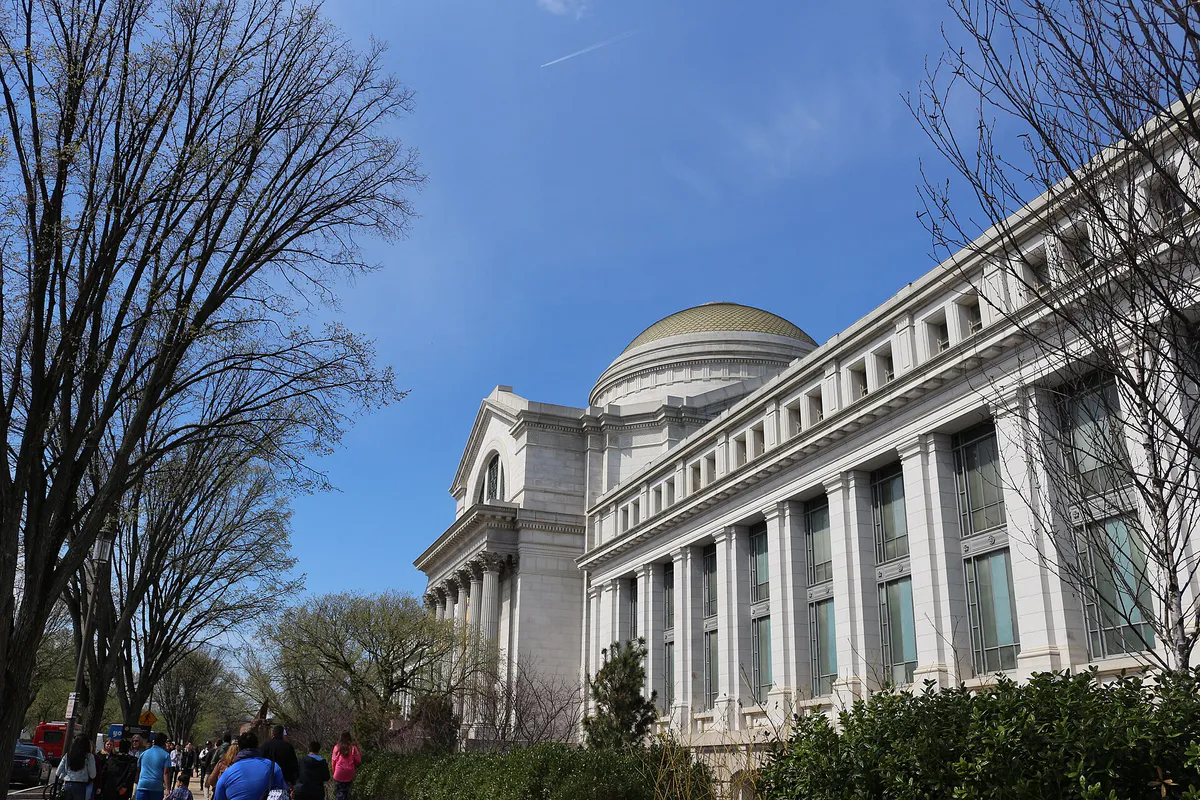
Local landmarks & attractions
These notable destinations offer a starting point when you want something specific to see, visit, or build into a day around Washington. Distances are approximate from the city area.
official residence and office of the President of the United States
group of museums and research centers administered by the United States government
zoological park in Washington, D.C., United States
national cemetery in Virginia, United States
multi-purpose arena in Washington, D.C.
(de facto) national library of the United States of America
theater in Washington, DC
meeting place of the United States Congress
Notable places are selected from structured public destination data and ranked for relevance, prominence, proximity, and variety.
Local decision signals
A useful local recommendation depends on how the city actually works. These conditions affect where to go, what to do, and whether a plan makes sense right now.
Every address in Washington ends with NW, NE, SW, or SE. Omitting the quadrant can direct you miles away to an identical street address across town.
The DC Circulator permanently ceased operations in late 2024, and the DC Streetcar was retired in early 2026; both service networks have been integrated into WMATA Metrobus routes like the D20.
Most District restaurants place an automatic service fee or surcharge (typically 10% to 22%) on final checks to cover base payroll following changes to tipped wage laws.
Metrorail uses contact-free mobile payment via SmarTrip. A unique out-of-station virtual transfer exists between Farragut North (Red Line) and Farragut West (Blue/Orange/Silver Lines).
Physical paper guest parking passes are obsolete in residential zones; local parking enforcement uses the digital ParkDC Permit system linked to guest license plates.
While all Smithsonian venues are free, popular spots like Air & Space and NMAAHC require advance timed passes, whereas Natural History and the National Gallery of Art allow free walk-in entry.
Rock Creek Park physically cuts across Upper Northwest, while the Potomac and Anacostia rivers create major transit choke points across key bridges during rush hours.
Neighborhood context
Neighborhoods are not interchangeable. Each area offers a different balance of atmosphere, transportation, food, nightlife, activities, and planning friction.
Best for: High-end patio dining, boutique shopping, and craft cocktail lounges.
Centered on vibrant 14th Street NW, this district features historic Victorian rowhouses alongside bustling multi-level restaurants, home design studios, and contemporary theater space.
Best for: Live music venues, historic African American heritage, and late-night dining.
Historically known as 'Black Broadway,' U Street and Shaw are filled with legendary jazz clubs, music houses like 9:30 Club, Ethiopian eateries, and iconic half-smoke counters.
Best for: Cobblestone strolling, historic architecture, and waterfront dining.
Washington's oldest commercial district offers upscale retail along M Street and Wisconsin Avenue, scenic riverwalk views, historic canals, and classic tavern dining.
Best for: Gourmet food halls, artisanal shopping, and casual group gatherings.
A redeveloped industrial zone anchored by Union Market, featuring dozens of local food vendors, pop-up markets, breweries, and modern urban apartment plazas.
Best for: Maritime views, waterfront concert halls, and fresh seafood markets.
A dense waterfront strip along the Washington Channel housing luxury hotels, seafood piers, the historic Municipal Fish Market, and concert venues like The Anthem.
Best for: Historic neighborhood walks, weekend farmers markets, and political bistros.
Anchored by the U.S. Capitol and Library of Congress, this green residential district features brick sidewalks, Barracks Row dining, and outdoor weekend market stalls.
Best for: Game day sports bars, riverfront parks, and energetic outdoor beer gardens.
Surrounding Nationals Park along the Anacostia River, Navy Yard offers modern high-rise living, sprawling waterside green spaces at Yards Park, and craft breweries.
Best for: Eclectic nightlife, international street food, vintage shopping, and dive bars.
Focused along 18th Street NW, Adams Morgan provides a casual, energetic alternative to downtown with global eateries, live music taverns, and classic rowhouse charm.
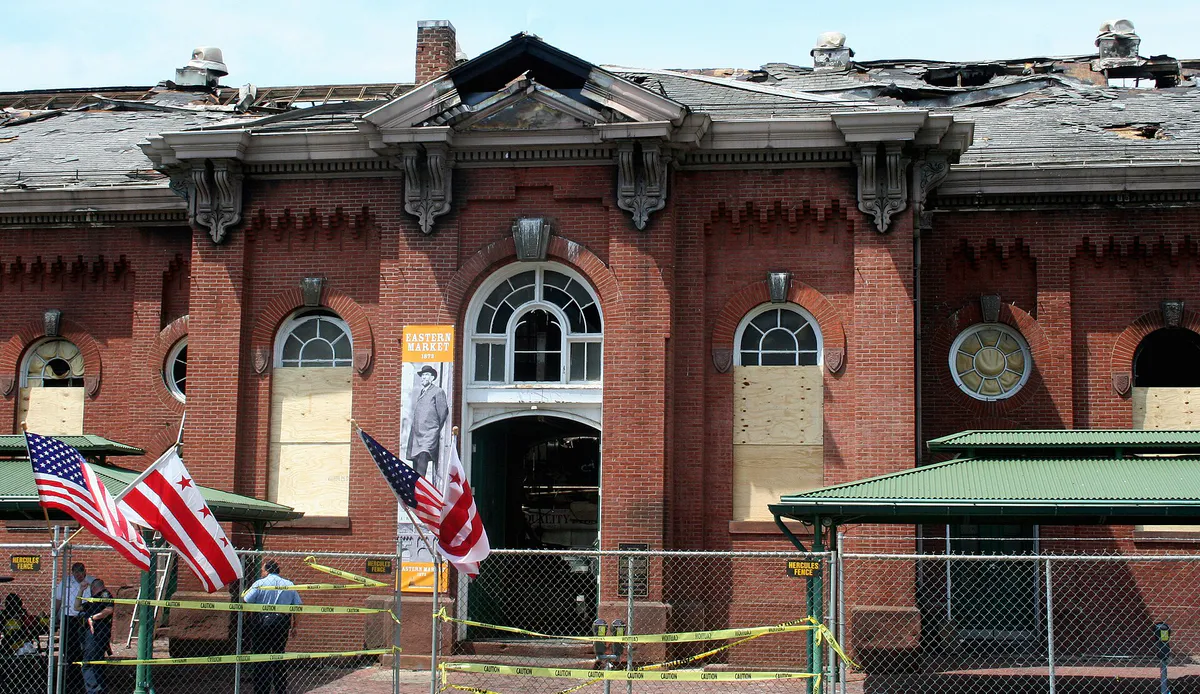
Explore your options
While Washington is famous for free museum admission, access policies vary across institutions. Structure your days around these four entrance categories.
No advance reservations required. Walk straight into world-class collections along the National Mall.
Free admission, but strict digital entry passes must be secured online weeks or months in advance.
Ideal options for late afternoons when central Mall museums close their doors around 5:30 PM.
Specialized non-Smithsonian institutions requiring paid admission or specific online registration.
Practical local guidance
Avoid common local delays and extra costs by reviewing these practical operational factors before leaving your stay.
A simpler way to decide
Experiencing Washington's open-air memorials at night lets you skip summer heat and heavy tour bus crowds. Follow this 2.5-mile walking route.
Exit the Metro at Smithsonian Station (Blue/Orange/Silver) and walk to the base of the Washington Monument for a 360-degree night view of the illuminated city axis.
Head west down the hill toward the World War II Memorial, viewing the illuminated fountains and granite pillars reflecting against the water.
Walk along the northern edge of the Reflecting Pool toward the Lincoln Memorial. Ascend the marble steps to view the lit statue of Abraham Lincoln and the cityscape looking east.
Descend the Lincoln steps and explore the adjacent Korean War Veterans Memorial statues and the quiet polished granite wall of the Vietnam Veterans Memorial.
Follow the walking paths along the Tidal Basin to the Martin Luther King, Jr. Memorial and the sprawling outdoor stone rooms of the Franklin Delano Roosevelt Memorial.
Conclude your walk by heading north along 23rd Street NW to Foggy Bottom-GWU Metro Station for your return trip.
Common local questions
These are common situations people face when trying to decide where to eat, what to do, where to get drinks, or how to spend their time in Washington.
Washington planning questions
Practical answers for people deciding where to eat, what to do, where to go, or how to make plans in Washington.
No. All Smithsonian museums offer free admission, but several high-demand locations—including the National Air and Space Museum on the Mall, the National Museum of African American History and Culture, and the National Zoo—require free advance timed-entry passes reserved online. Others, like Natural History and American History, allow walk-in entry.
No. The District Department of Transportation permanently terminated the DC Circulator bus system in late 2024. Key transit routes previously covered by the Circulator have been absorbed into expanded WMATA Metrobus services.
Due to Initiative 82 wage regulations, many D.C. restaurants include a standard service fee to fund higher base hourly wages for kitchen and floor staff. Review the receipt notes or ask your server to clarify whether the fee goes directly to staff payroll.
Because Georgetown has no Metrorail station, the easiest options are riding WMATA Metrobus routes (such as the 31 or 33 along Wisconsin Avenue), taking a Capital Bikeshare ride along the waterfront path, or walking 15 minutes west from Foggy Bottom-GWU Station.
If you tap out at Farragut North (Red Line) and tap into Farragut West (Blue/Orange/Silver Lines) within 30 minutes using the same SmarTrip card or mobile wallet, the system automatically counts it as a single continuous trip without charging an extra entry fee.
For activities within District limits, renting a car is generally unnecessary and expensive. Metrorail, Metrobus, rideshares, and Capital Bikeshare cover almost all major corridors, while parking garages downtown and at hotels frequently charge high daily rates.
Peak bloom typically occurs between late March and early April. To avoid severe pedestrian congestion, visit the Tidal Basin early in the morning between 6:00 AM and 7:30 AM, or go on a weekday late afternoon.
Check the museum's official booking site early on the morning of your visit. Institutions like the National Museum of African American History and Culture release a limited batch of same-day passes online at 8:15 AM every morning.
Yes. Outdoor memorials—including the Lincoln, Washington, Jefferson, MLK Jr., and WWII memorials—are accessible 24 hours a day, 365 days a year. National Park Service Rangers are typically on-site until late evening to answer questions.
D.C. uses the ParkDC Permit system. D.C. residents register guest vehicle license plates digitally online or via app, granting visitors permission to park in Residential Permit Parking (RPP) zones without receiving physical paper permits.
Source transparency
Official and locally relevant sources used to verify the practical information presented in this Washington decision guide.
Washington decision engine
Tell Adventria what kind of experience you want, set your practical limits, and turn the options in Washington into one workable plan.
Choose a Washington Plan