The Fan District
Best for
Walkable Victorian streets, corner cafes, quiet strolls
 AdventriaLocalOpen App
The Definitive RVA Local Decision Engine
Trying to decide what to do in Richmond? Adventria helps you cut through the options and choose a good-enough plan without endless scrolling. Whether you are navigating the James River rapids, choosing between Scott's Addition breweries, or exploring the Victorian streets of The Fan, Richmond rewards local friction knowledge. Here is your operational decision guide to living, visiting, and dining across RVA.
The local decision problem
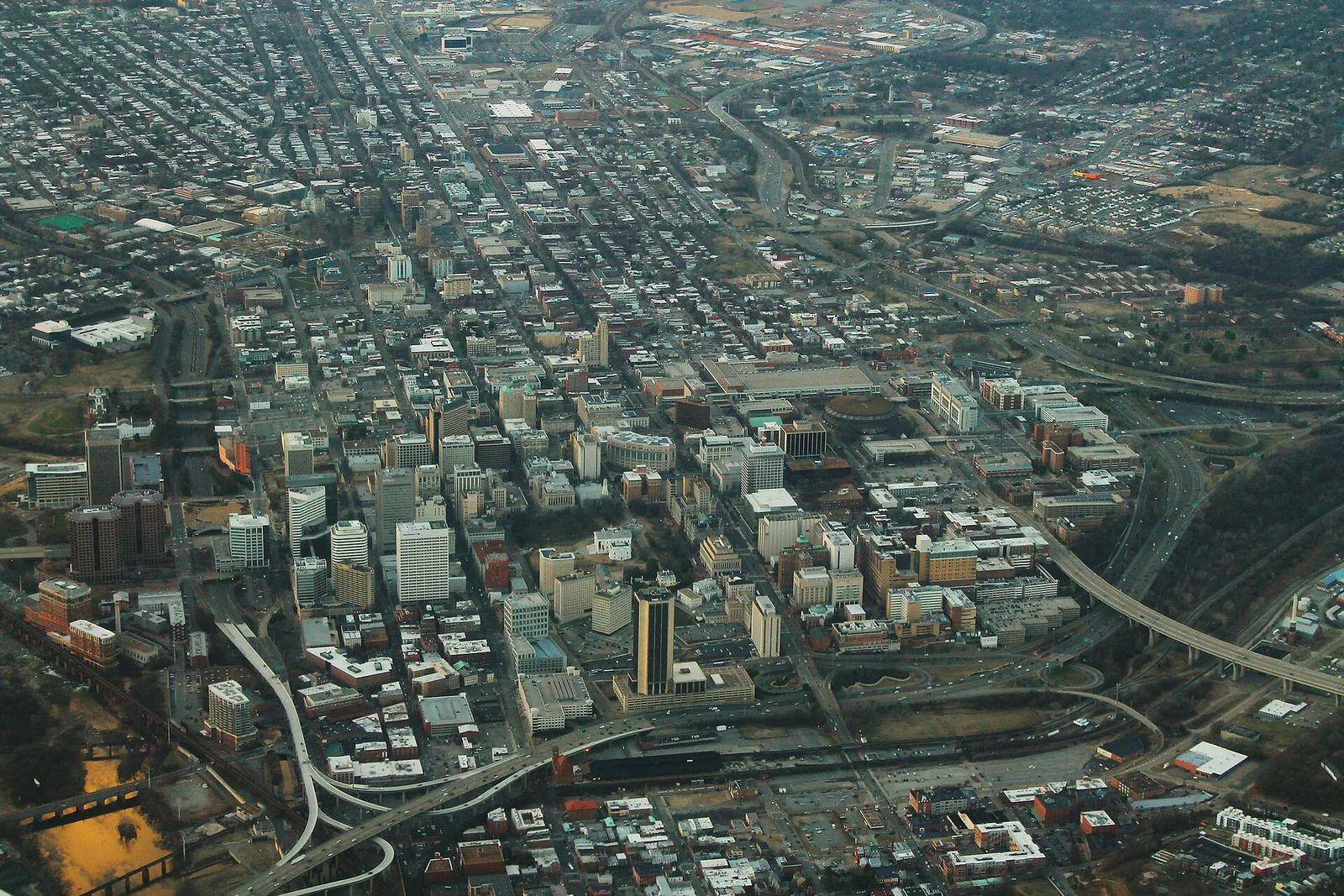
Navigating Richmond's hyper-local historic districts, parking rules, James River water safety thresholds, and craft beverage corridors without getting trapped in traffic or missing unscripted spots.
That is where Adventria comes in. Adventria helps narrow the options in Richmond around practical factors like location, distance, budget, vibe, who you are with, and the kind of experience you actually want, so research can turn into a decision.
Let Adventria narrow the optionsPick the right part of town
Different parts of Richmond work for different kinds of plans. Start with the experience you want, then narrow the map.
Best for
Walkable Victorian streets, corner cafes, quiet strolls
Best for
World-class art collections, quiet residential walks, architectural history
Best for
Craft beer tours, group entertainment, rooftop lounges
Best for
Indie boutiques, vintage shopping, casual dining, historic cinema
Best for
Destination dining, romantic river views, historic architecture
Best for
Cobblestone streetscapes, nightlife, riverfront access, deep history
This is a quick starting point. The full guide covers 8 local neighborhoods and districts in Richmond.
Eat & drink
When the decision is less about what to do and more about where to eat or grab a drink, start here. These local cues narrow the food and drink decision without turning dinner or a night out into another hour of comparison.
Carytown offers line-and-counter options ranging from ramen to French bistros with rapid turnaround. In the Fan, corner mainstays like Joe's Inn cater to drop-in diners seeking hearty pasta without advance bookings.
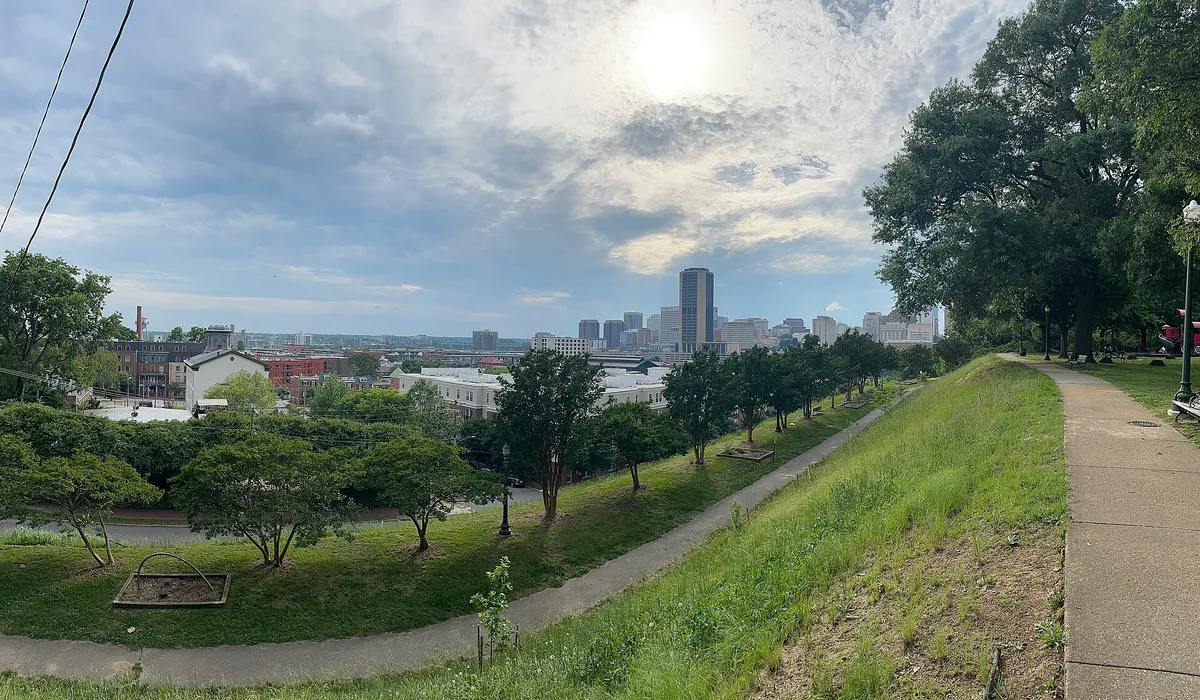
Start with a sunset panorama at Libby Hill Park in Church Hill, followed by dinner at The Roosevelt or wood-fired pastries at Sub Rosa. Alternatively, browse the galleries at the Virginia Museum of Fine Arts during Friday 'After 5' drinks on the Robins Sculpture Garden lawn.
Still comparing options? Adventria can narrow the choice around budget, distance, vibe, and who you are with.
Decide with AdventriaPlan by situation
Start with the kind of plan you are actually trying to make. These city-specific ideas narrow the choice around who you are with, what you want to spend, the weather, and the kind of outing you want.
Visit Maymont to see river otters at the Robins Nature Center and pet goats at the farm. Follow it with interactive physics labs at the Science Museum of Virginia or pedal boating on Fountain Lake at Byrd Park.
Explore the sprawling, free permanent collection at the VMFA, catch a planetarium show in The Dome at the Science Museum of Virginia, or take in a second-run movie beneath the grand chandelier of the historic Byrd Theatre in Carytown.
Take the free GRTC Pulse BRT to the VMFA for zero-cost gallery browsing. Afterwards, walk across the T. Tyler Potterfield Memorial Bridge above the James River rapids, and explore the historic farm and Japanese gardens at Maymont (suggested donation).
Grab a pour-over coffee in Jackson Ward or The Fan, tuck into a secluded bench at Scuffletown Park, and enjoy a quiet walk through the Institute for Contemporary Art (ICA) or the quiet rooms of the VMFA.
Head straight to Scott's Addition, where large craft taprooms like Ardent and The Veil accommodate groups without reservations. Walk between venues to play retro arcade games at The Circuit or indoor mini-golf at Hotel Greene.
For an outdoor plan from Richmond, compare trails, state parks, national parks within trip range, and scenic drives. Options in the current city guide include Pocahontas State Park and Powhatan State Park.
For a short escape from Richmond, compare Williamsburg and Charlottesville. More options are listed in the trip section below.
Outdoors nearby
Use these nearby outdoor options when the plan calls for a trail, protected landscape, park, or drive instead of another indoor stop. Proximity here is geographic, not a promise about driving time.
Get out of town
When staying in town is not the answer, these nearby destinations give you a smaller starting set for a day trip, overnight escape, or weekend away.
Destination relationships are screened geographically. Straight-line proximity is not presented as road mileage or estimated travel time.
Local landmarks & attractions
These notable destinations offer a starting point when you want something specific to see, visit, or build into a day around Richmond. Distances are approximate from the city area.
art museum in Richmond, Virginia
state capitol building of the U.S. state of Virginia
zoo in the United States
amusement park in Doswell, Virginia, United States of America
historic theater in Richmond, Virginia
motorsport track in the United States
museum
cemetery in Richmond, Virginia, United States
Notable places are selected from structured public destination data and ranked for relevance, prominence, proximity, and variety.
Local decision signals
A useful local recommendation depends on how the city actually works. These conditions affect where to go, what to do, and whether a plan makes sense right now.
River levels dictate safety: under 5 ft is prime for swimming and tubing; 5–9 ft triggers a mandatory Coast Guard-approved life jacket (PFD) law; over 9 ft requires expert permits.
All GRTC buses, including the rapid-transit Pulse line along Broad Street, operate 100% fare-free.
Street parking in The Fan (Zones 1 & 2) is capped at 2 hours for visitors on weekdays from 7 AM to 10 PM without local permits.
Concerts at The National, Altria Theater, and Carpenter Theatre saturate parking and fill nearby dining in the Arts District between 5:30 PM and 7:30 PM.
Heavy pedestrian foot traffic across Belvidere, Main, and Cary Streets causes significant weekday driver delays during college terms.
Active freight tracks separate Scott's Addition from the Museum District, restricting vehicle crossings primarily to Arthur Ashe Boulevard.
The Boulevard Bridge connecting Arthur Ashe Boulevard to the Southside requires a $0.35 toll, payable via E-ZPass or exact cash.
Neighborhood context
Neighborhoods are not interchangeable. Each area offers a different balance of atmosphere, transportation, food, nightlife, activities, and planning friction.
Best for: Walkable Victorian streets, corner cafes, quiet strolls
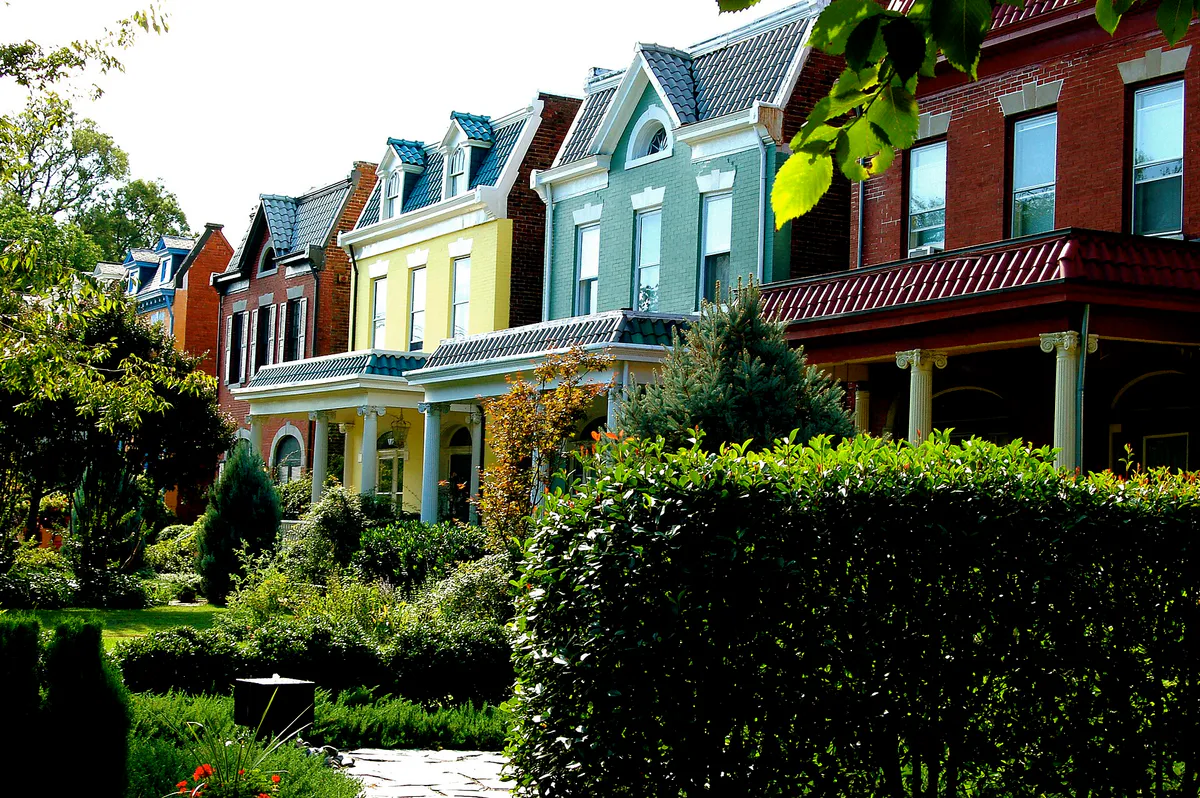
A dense neighborhood of late 19th-century rowhouses fan-shaped out from VCU, filled with corner bistros, tree canopies, and historic charm.
Best for: World-class art collections, quiet residential walks, architectural history
Adjacent to The Fan across Arthur Ashe Boulevard, featuring 1920s brick Colonials and home to major institutions like the VMFA and VMHC.
Best for: Craft beer tours, group entertainment, rooftop lounges
A former industrial area turned entertainment powerhouse, featuring over ten breweries, cideries, arcades, and rooftop bars.
Best for: Indie boutiques, vintage shopping, casual dining, historic cinema
The 'Mile of Style' running along West Cary Street, housing over 200 local shops, coffee houses, and the historic 1928 Byrd Theatre.
Best for: Destination dining, romantic river views, historic architecture
Richmond's oldest neighborhood sitting high on a bluff, famous for St. John's Church, Libby Hill Park sunsets, and James Beard-nominated dining.
Best for: Cobblestone streetscapes, nightlife, riverfront access, deep history
Historic tobacco warehouse district along the river featuring late-night venues, the Poe Museum, Holocaust Museum, and the Canal Walk.
Best for: Black heritage, soul food classics, contemporary art, First Fridays
Known as the Harlem of the South, offering incredible soul food institutions, gallery spaces, and the Maggie L. Walker National Historic Site.
Best for: River access, urban climbing, modern loft living, skyline views
Located across the James River on the Southside, connected via the pedestrian Potterfield Bridge and packed with industrial loft conversions.
Richmond local guide
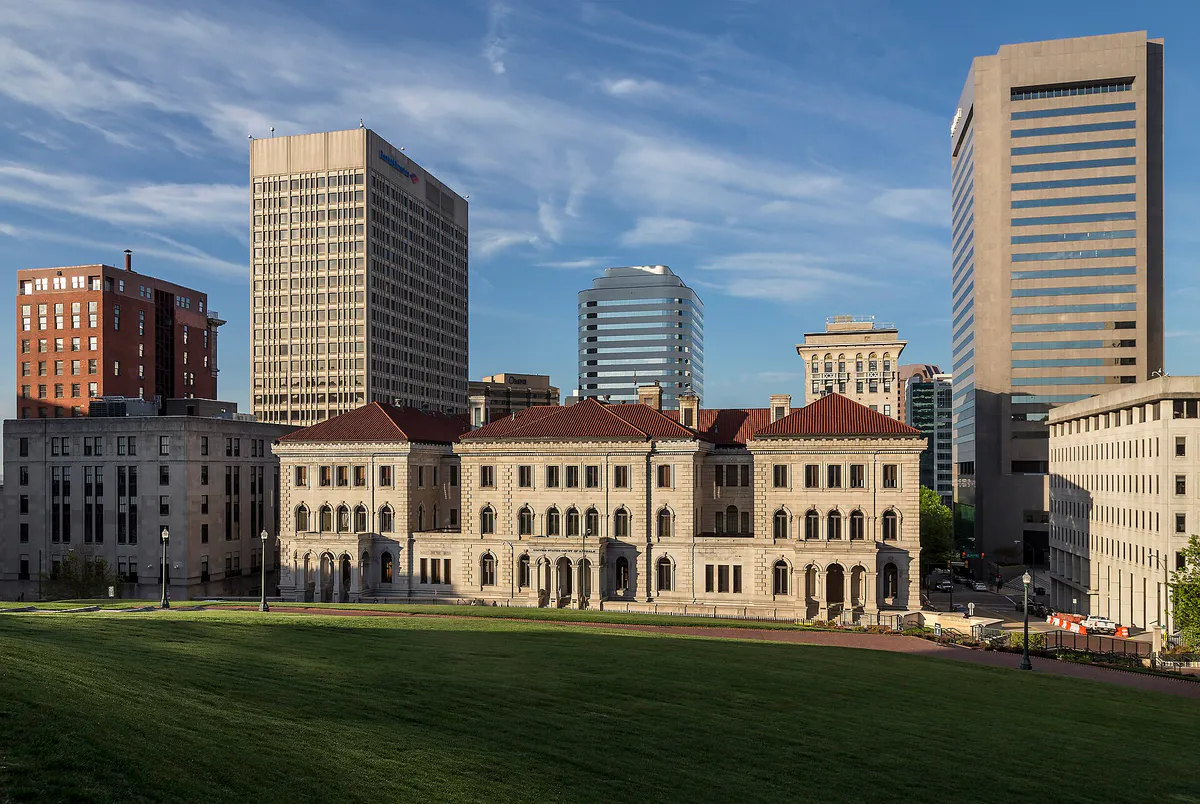
Richmond is a city defined by natural and structural boundaries that directly influence travel time and neighborhood choices. The James River divides the city into Northside historic districts and Southside post-industrial enclaves. Crossing between them requires choosing the right bridge: the Lee Bridge provides direct access to Belle Isle and Forest Hill, while the Manchester Bridge links Downtown directly to Manchester's loft district.
Within the northern core, physical barriers mandate planning ahead. CSX railroad lines separate Scott's Addition from the Museum District, narrowing vehicular crossings to Arthur Ashe Boulevard and Boulevard/Lombardy overpasses. Simultaneously, the sprawl of Virginia Commonwealth University (VCU) creates intense pedestrian and shuttle congestion around Monroe Park along Broad, Main, and Belvidere Streets during normal academic hours.
Timing your drives around highway bottlenecks is equally critical. The I-95 and I-64 overlap, locally known as the mixing bowl, backs up predictably during morning and evening rush hours. By taking advantage of the fare-free GRTC Pulse rapid transit bus line along Broad Street, you can bypass core gridlock entirely when traveling between East and West end hubs.
Explore your options
Choose where to spend your day based on your immediate priorities for mobility, dining density, and local atmosphere.
Scott's Addition offers the highest concentration of taprooms, cideries, distilleries, and activity-driven entertainment venues in Virginia.
Church Hill delivers cobblestone-adjacent streets, historic architecture, national-caliber bakeries, and sweeping river sunset overlooks.
The Museum District and The Fan feature continuous tree-lined avenues, world-class free art institutions, and neighborhood corner bistros.
Carytown packs nine continuous blocks of independent clothing boutiques, vintage vinyl, coffee roasters, and historic cinematic culture.
Practical local guidance
Keep these non-negotiable local dynamics in mind when planning your itinerary across the city.
A simpler way to decide
Follow this operational sequence to make the most of a full day without needing advance reservations.
Start early in Church Hill with wood-fired baked goods from Sub Rosa Bakery, then stroll over to Libby Hill Park to take in the iconic river bend view.
Head to Maymont to explore the Japanese Garden and grounds, or walk across the suspension bridge to Belle Isle to climb the river boulders.
Park in a public lot behind Carytown and walk along West Cary Street for global lunch options, local bookshops, and vintage boutiques.
Walk or hop a quick ride to the Virginia Museum of Fine Arts. Enjoy free entry to the permanent galleries or sit outside in the Robins Sculpture Garden.
Finish your evening in Scott's Addition. Drop into taprooms like Ardent or The Veil, then grab dinner without advance bookings at local casual spots.
Common local questions
These are common situations people face when trying to decide where to eat, what to do, where to get drinks, or how to spend their time in Richmond.
Richmond planning questions
Practical answers for people deciding where to eat, what to do, where to go, or how to make plans in Richmond.
Not strictly. If you stay near Broad Street, the GRTC Pulse bus rapid transit line is completely free and connects key corridors from Scott's Addition through Downtown to Rocketts Landing. Walking is easy within neighborhoods like The Fan, Museum District, and Carytown, though a car or ride-share helps for crossing the river or reaching Northside attractions like Lewis Ginter Botanical Garden.
Yes, the VMFA's vast permanent collection galleries are free and open 365 days a year, including major holidays. Special ticketed exhibitions require paid admission, but general access, the Robins Sculpture Garden, and Friday evening events are completely free.
Street parking in The Fan is heavily governed by residential permit zones (Zones 1 and 2). Non-residents can park on marked streets for up to two hours during enforced hours (typically weekdays 7 AM to 10 PM). If staying longer, park in unregulated zones or utilize public parking structures in adjacent Carytown or Downtown.
Spring (April–May) and Autumn (September–November) offer the best weather for outdoor exploration. Spring brings blooms across Maymont and local parks, while autumn features comfortable temperatures, fall foliage along the river, and prime craft brewery patio weather.
Always check the Westham River Gauge prior to your visit. Water level dictates whether swimming or tubing is safe, and life jackets are mandatory between 5.0 and 9.0 feet. Additionally, check water quality reports from James River Watch after heavy rainfall due to potential urban runoff.
Scott's Addition is the primary engine for craft drink venues, arcade bars, and social spots open late. Shockoe Bottom also features high-density nightlife along East Cary and Main Streets, with dance clubs, sports bars, and live music halls.
The main access point is the hanging pedestrian suspension bridge located under the Robert E. Lee Bridge on Tredegar Street. Paid and metered surface parking is available near Historic Tredegar and Brown's Island.
Take advantage of zero-fare GRTC bus rides, enjoy free daily admission at the VMFA and Virginia Holocaust Museum, walk across the Potterfield Bridge, hike the James River Park System trails, and explore Maymont's gardens and farm for a small suggested donation.
Source transparency
Official and locally relevant sources used to verify the practical information presented in this Richmond decision guide.
Richmond decision engine
Tell Adventria what kind of experience you want, set your practical limits, and turn the options in Richmond into one workable plan.
Choose a Richmond Plan