Kerrytown District / Old Fourth Ward
Best for
Daytime specialty markets, artisanal food, historic brick architecture, and acoustic music
 AdventriaLocalOpen App
City Logistics & Planning Playbook
Trying to decide what to do in Ann Arbor? Adventria helps you cut through the options and choose a good-enough plan without endless scrolling. Whether you are planning an afternoon out, trying to navigate game day closures, or deciding where to take out-of-town guests, this guide provides clear logistics for Ann Arbor. Understand how campus boundaries, river crossings, parking rules, and seasonal changes affect your daily choices across the city's distinct districts.
The local decision problem
Navigating Ann Arbor daily decisions around transportation, parking, seasonal shifts, university events, and activity selection without encountering local friction.
That is where Adventria comes in. Adventria helps narrow the options in Ann Arbor around practical factors like location, distance, budget, vibe, who you are with, and the kind of experience you actually want, so research can turn into a decision.
Let Adventria narrow the optionsPick the right part of town
Different parts of Ann Arbor work for different kinds of plans. Start with the experience you want, then narrow the map.
Best for
Daytime specialty markets, artisanal food, historic brick architecture, and acoustic music
Best for
Evening dining, craft cocktails, live music, and Social District strolling
Best for
Cultural institutions, indie film theaters, museum visits, and campus edge energy
Best for
Casual dining, quick-service coffee, student nightlife, and late-night stops
Best for
Quiet residential walks, historic architecture viewing, and low-friction neighborhood proximity
Best for
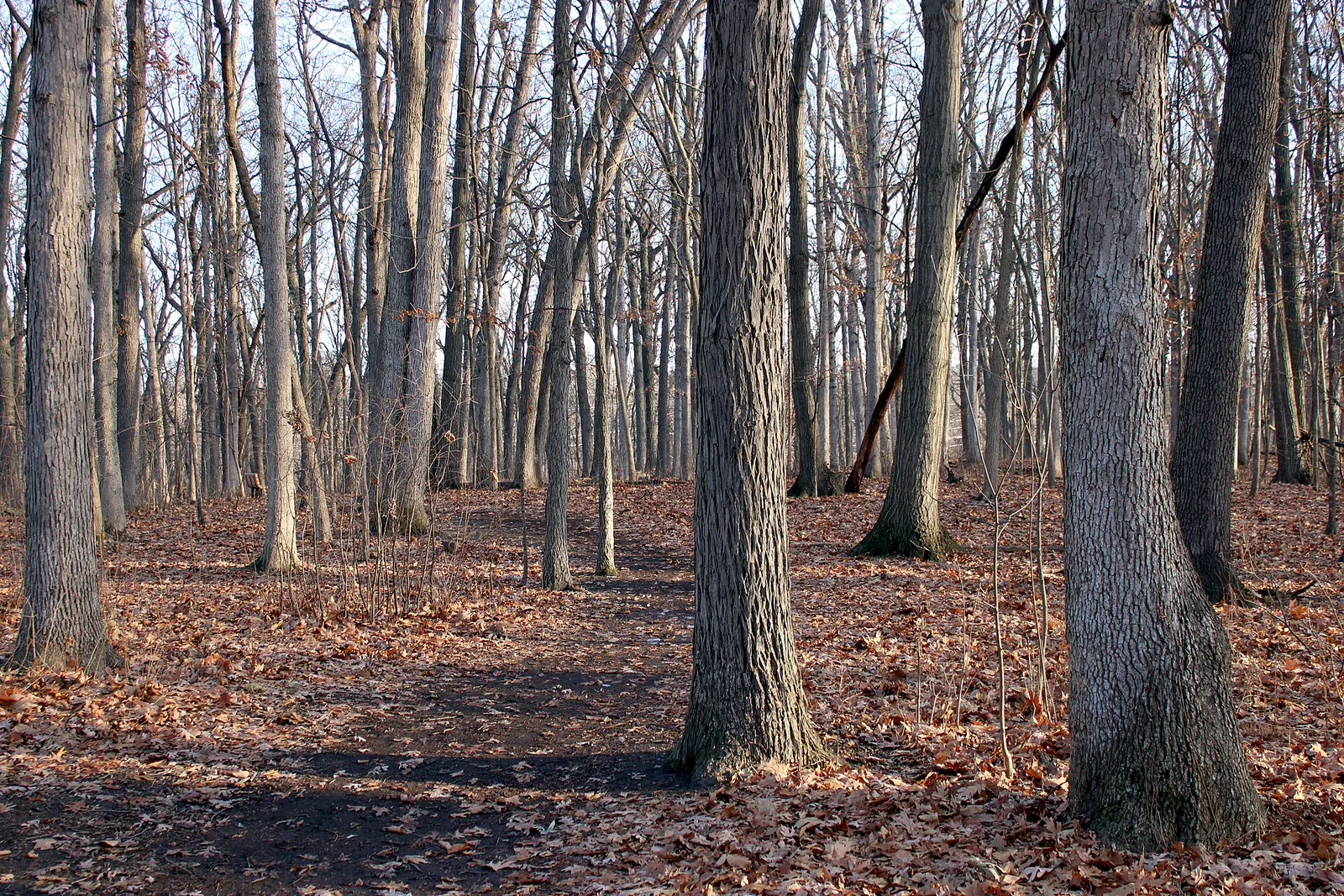
Elevated views, community gardens, and walks near river bluffs
This is a quick starting point. The full guide covers 8 local neighborhoods and districts in Ann Arbor.
Eat & drink
When the decision is less about what to do and more about where to eat or grab a drink, start here. These local cues narrow the food and drink decision without turning dinner or a night out into another hour of comparison.
For formal sit-down dining, head to the Main Street District along Main, Ashley, and Washington streets. Prime weekend seatings (6:00 PM–9:00 PM) often require advance reservations. For daytime or early evening artisanal options, choose Kerrytown, keeping in mind that high-profile spots like Zingerman's Delicatessen experience heavy midday crowds but shorter lines before 11:00 AM or after 2:30 PM.
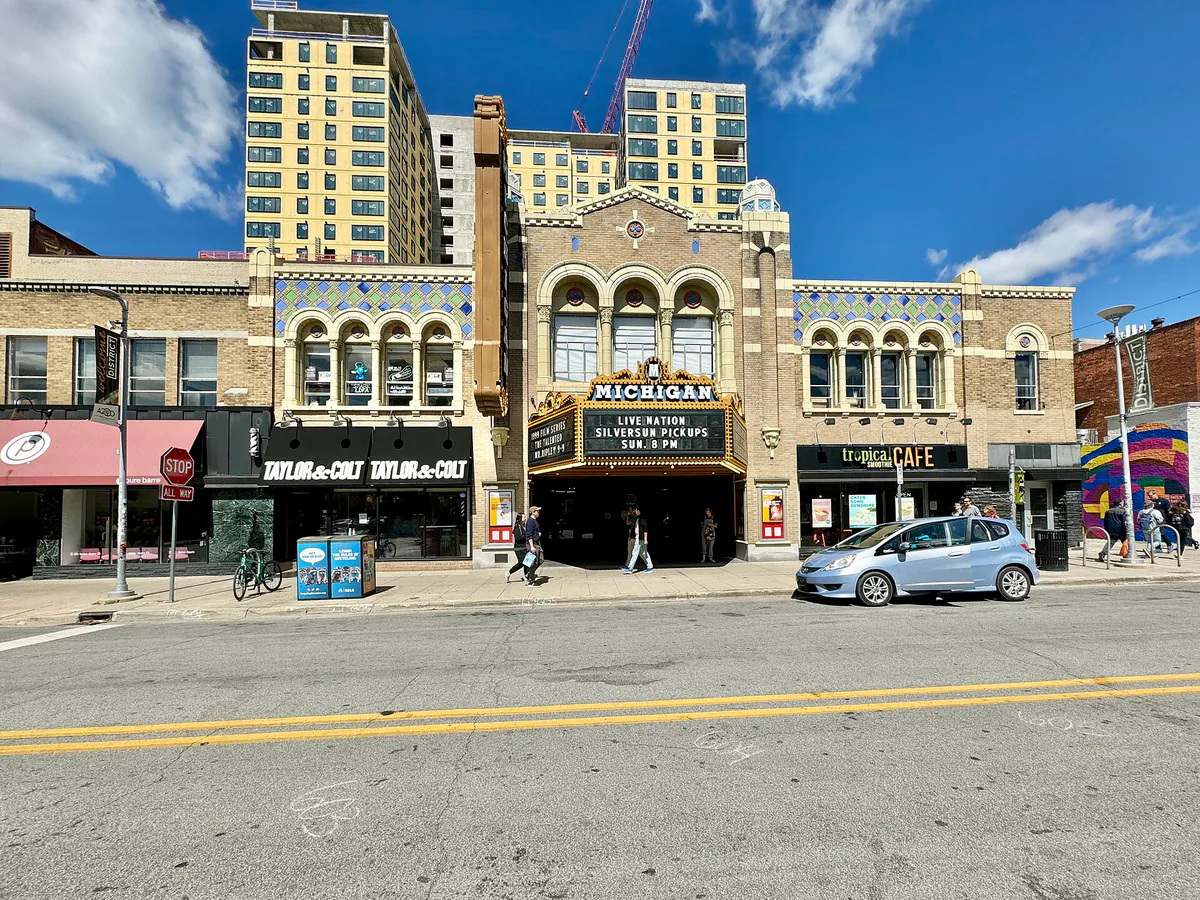
Start with a drink inside the Downtown Social District (10:00 AM–11:00 PM) carrying a designated clear cup between First St and Thayer St. Catch an independent film at the Michigan Theater or State Theatre, attend a live acoustic performance at The Ark on Main Street, or listen to chamber music and jazz at Kerrytown Concert House.
Still comparing options? Adventria can narrow the choice around budget, distance, vibe, and who you are with.
Decide with AdventriaPlan by situation
Start with the kind of plan you are actually trying to make. These city-specific ideas narrow the choice around who you are with, what you want to spend, the weather, and the kind of outing you want.
Spend a rainy day visiting free campus museums (UMMA, Kelsey Archaeology, Natural History Museum with Planetarium shows) or the Ann Arbor Hands-On Museum. Alternatively, visit the indoor tropical conservatory at Matthaei Botanical Gardens or browse the multi-level book stacks at Literati Bookstore.
Grab coffee in Kerrytown, browse independent books at Literati Bookstore or Dawn Treader Book Shop, and explore the global collections at UMMA (free entry). You can also bring a bike or walking shoes to the Huron River segment of the B2B Trail, starting near Bandemer or Argo Park.
For an outdoor plan from Ann Arbor, compare trails, state parks, national parks within trip range, and scenic drives. Options in the current city guide include Maybury State Park and Hayes State Park.
Begin with a late-afternoon walk through Nichols Arboretum along the Huron River or through the Peony Garden (in seasonal bloom late May/early June). Move downtown for dinner in the Main Street District or Kerrytown, followed by a show at The Ark or an independent screening at the historic Michigan Theater.
Visit the Ann Arbor Hands-On Museum downtown, featuring interactive STEAM exhibits across 10 gallery areas, or the U-M Museum of Natural History to view mastodons and dinosaur fossils. Follow up with pedal boats or playground time at the 69-acre Gallup Park.
Take advantage of zero-cost access to UMMA, Kelsey Museum, U-M Natural History Museum, and Central Campus architecture. Visit the Hands-On Museum on Thursday evenings after 5:00 PM for discounted $5.00 entry, attend free Sonic Lunch concerts at Liberty Plaza in the summer (Thursdays 11:30 AM–1:30 PM), or walk the 5.6-mile B2B Trail river segment.
Head to Argo Park Livery to rent individual tubes for the Argo Cascades (no advance booking required) or arrange a multi-person raft or canoe outing along the Huron River from Argo to Gallup Park. Afterwards, gather in the Downtown Social District where individuals can grab beverages from participating venues.
Outdoors nearby
Use these nearby outdoor options when the plan calls for a trail, protected landscape, park, or drive instead of another indoor stop. Proximity here is geographic, not a promise about driving time.
Get out of town
When staying in town is not the answer, these nearby destinations give you a smaller starting set for a day trip, overnight escape, or weekend away.
Destination relationships are screened geographically. Straight-line proximity is not presented as road mileage or estimated travel time.
Local landmarks & attractions
These notable destinations offer a starting point when you want something specific to see, visit, or build into a day around Ann Arbor. Distances are approximate from the city area.
American football stadium in Ann Arbor, Michigan: home of the Michigan Wolverines football team
art museum in Ann Arbor, Michigan
arboretum on the campus of the University of Michigan in Ann Arbor, Michigan, US
theater and movie theater in Ann Arbor, Michigan, United States
archaeology museum in Newberry Hall
botanical garden
listed on the NRHP in Ann Arbor, Michigan
American roadside attraction
Notable places are selected from structured public destination data and ranked for relevance, prominence, proximity, and variety.
Local decision signals
A useful local recommendation depends on how the city actually works. These conditions affect where to go, what to do, and whether a plan makes sense right now.
Operates 10:00 AM to 11:00 PM daily. Licensed 16 oz clear cups allowed outdoors between First St and Thayer St, connecting Main St and State St.
All City and Downtown Development Authority (DDA) parking structures and metered on-street spaces are free on Sundays from 4:00 AM to Monday 4:00 AM.
University of Michigan Campus Buses (MBus) are free and open to the general public without requiring student ID or fare payment.
Argo and Gallup liveries adjust tube and craft rentals based on Huron River flow rates in cubic feet per second (cfs) after rain events.
Michigan Stadium seats 107,601 people; game day road bans take effect around S. Main, Keech, Kipke, and Hoover as early as 6:00 AM.
Mid-July event closes nearly 30 downtown blocks to vehicular traffic; remote Park & Ride shuttles are essential for central access.
Library Lane Garage offers a $5.00 flat rate for entries after 3:00 PM (out by 6:00 AM next day) and all day Saturday.
Neighborhood context
Neighborhoods are not interchangeable. Each area offers a different balance of atmosphere, transportation, food, nightlife, activities, and planning friction.
Best for: Daytime specialty markets, artisanal food, historic brick architecture, and acoustic music
Located directly north of Central Campus, featuring 19th-century buildings, cobblestone walkways, the Ann Arbor Farmers Market, Zingerman's Delicatessen, and intimate performance venues.
Best for: Evening dining, craft cocktails, live music, and Social District strolling
The civic and commercial core along South Main, Ashley, and Washington streets. Home to fine dining, independent shops, cocktail lounges, and The Ark folk music venue.
Best for: Cultural institutions, indie film theaters, museum visits, and campus edge energy
Interfaces downtown with U-M Central Campus. Features the Michigan Theater, State Theatre, Nickels Arcade, UMMA, and the Kelsey Museum of Archaeology.
Best for: Casual dining, quick-service coffee, student nightlife, and late-night stops
Positioned on the southeastern edge of Central Campus along South University Avenue. Characterized by high-density student housing, casual bars, and quick food options.
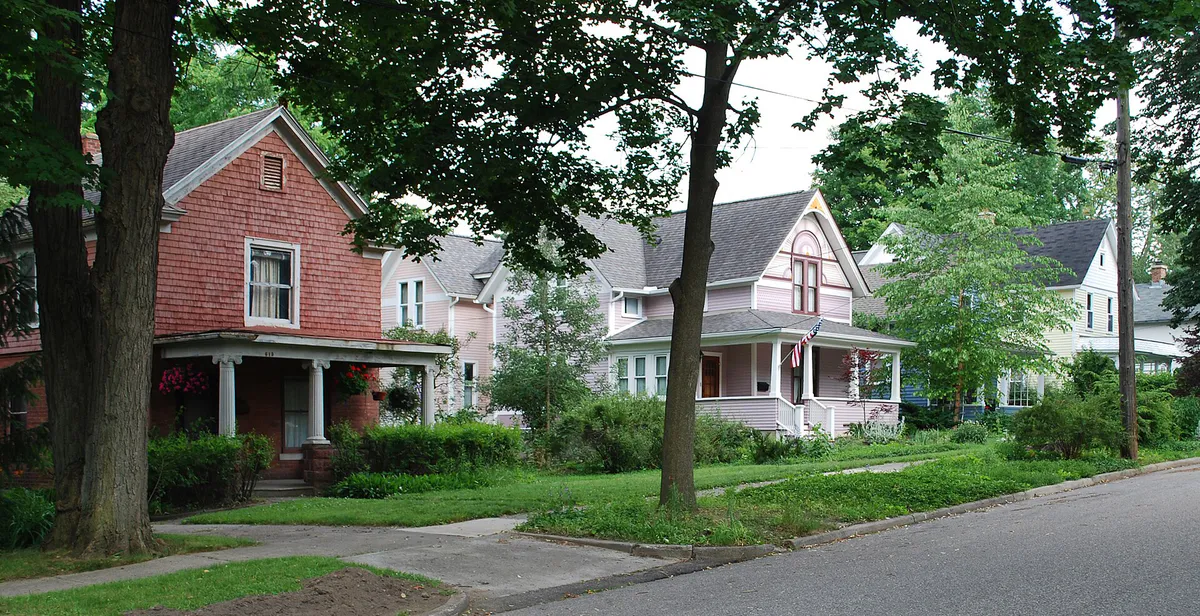
Best for: Quiet residential walks, historic architecture viewing, and low-friction neighborhood proximity
Extends west from First Street, featuring 19th- and early-20th-century Craftsman and Victorian homes on tree-canopied streets within walking distance of Main Street.
Best for: Elevated views, community gardens, and walks near river bluffs
Sloped area northwest of downtown, north of Miller Avenue and west of Main Street. Known for historic cottages, quiet residential streets, and proximity to Huron River bluffs.
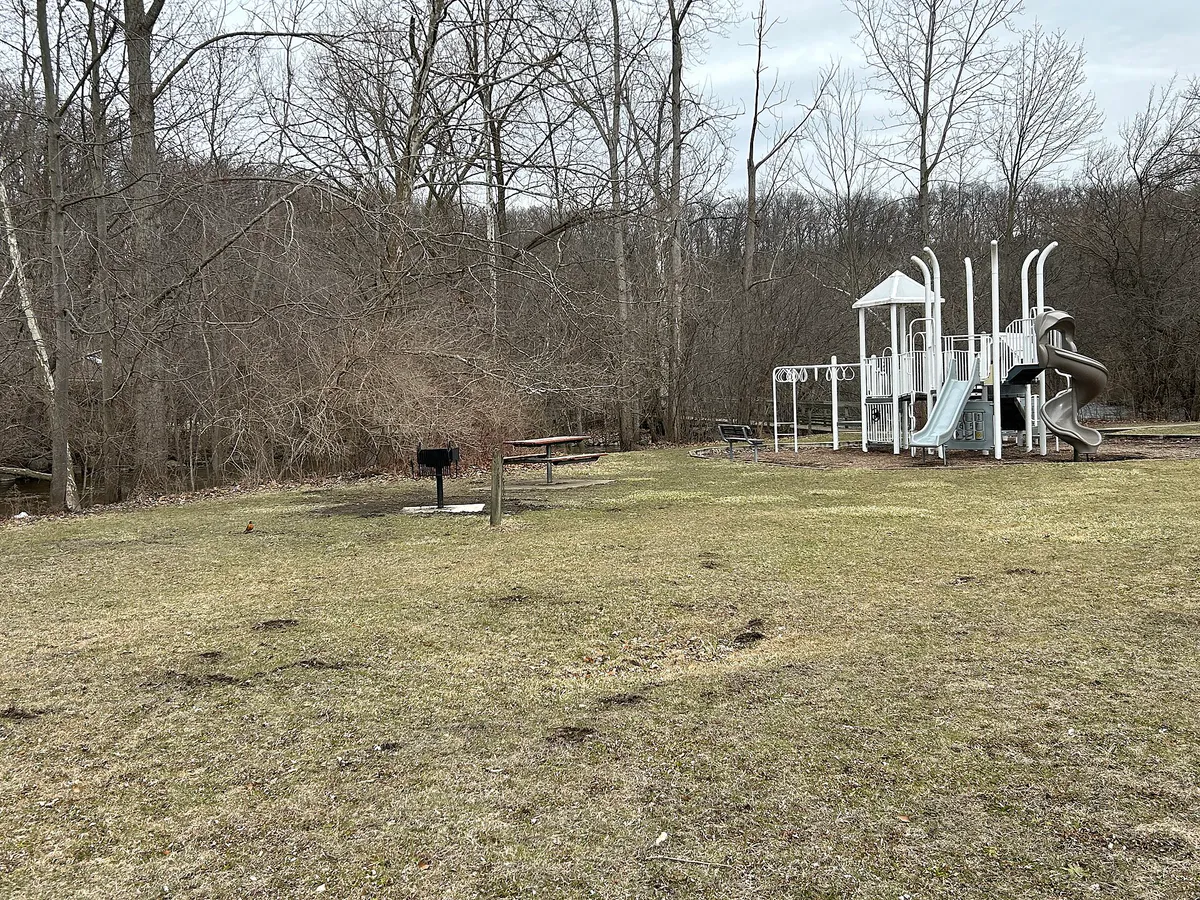
Best for: Family recreation, historic single-family neighborhood strolls, and park access
Located south of Hill Street near Central and South Campus. Anchored by a 15-acre central park with single-family homes under large mature trees.
Best for: Huron River access, Argo Cascades, B2B Trail biking, and medical campus proximity
Situated north of the Huron River bordering North Campus. Offers riverfront park connections, modern condos, and direct access to Argo Park & Livery.
Ann Arbor local guide
Planning a trip or daily routine in Ann Arbor requires an understanding of how the Huron River, rail lines, and University of Michigan land holdings shape traffic patterns. The Huron River bisects northern Ann Arbor, creating a partition between Central/South Ann Arbor and North Campus/Northside. Vehicular river crossings are limited to specific corridors—including Broadway Street, Maiden Lane, Fuller Road, and Huron Parkway—which frequently bottleneck during morning and evening commute hours.
Additionally, active rail corridors parallel the river valley and pass west of downtown, creating intermittent chokepoints at grade crossings near Depot Street, Main Street, and the Old West Side. Simultaneously, the University of Michigan owns roughly 22% of downtown land and nearly 10% of total municipal land. This physical footprint divides non-university commercial zones, placing Central Campus directly between South University and the Main Street/State Street/Kerrytown commercial districts.
Understanding these boundaries allows you to park once and traverse the city on foot, by bike, or via public transportation, rather than attempting short vehicular trips across heavy commuter corridors like Washtenaw Avenue, S. State Street, or Plymouth Road.
Explore your options
Choose the correct mode of transit based on your destination and timing within the city core.
The primary public bus network serving Ann Arbor and Washtenaw County, centered at Blake Transit Center downtown.
High-frequency campus shuttle connecting Central, North, Medical, and Athletic campuses.
Managed by the Downtown Development Authority (DDA) through PCI Municipal Services.
Direct transit options connecting downtown Ann Arbor with regional destinations.
Practical local guidance
Ann Arbor activities fluctuate significantly based on seasonal weather, river conditions, and academic cycles.
A simpler way to decide
Follow these steps to minimize travel friction, avoid parking challenges, and navigate local rules easily.
Verify whether it is a U-M Home Football Saturday, University Move-In week, or Art Fair weekend before selecting your travel date and parking garage.
Target the Library Lane Structure ($5 evening/Saturday rate) or Maynard Structure for direct walkability to State Street, Main Street, and Central Campus.
Walk through Nickels Arcade, view free exhibits at the U-M Museum of Art (UMMA) or Kelsey Archaeology Museum, and explore the Law Quadrangle.
If enjoying alcoholic drinks, purchase a designated 16 oz clear cup from a licensed venue between 10:00 AM and 11:00 PM to carry drinks through outdoor commons areas and participating shops.
Walk or bike the Border to Border (B2B) Trail along the Huron River, or hop on an MBus shuttle to cross over to North Campus or Medical sectors without driving.
Secure tickets in advance for shows at The Ark, Michigan Theater, or Hill Auditorium, or make dinner reservations along Main Street during peak 6:00 PM–9:00 PM hours.
Common local questions
These are common situations people face when trying to decide where to eat, what to do, where to get drinks, or how to spend their time in Ann Arbor.
Ann Arbor planning questions
Practical answers for people deciding where to eat, what to do, where to go, or how to make plans in Ann Arbor.
Yes. All City of Ann Arbor and Downtown Development Authority (DDA) parking structures, surface lots, and metered on-street spaces are free on Sundays from 4:00 AM Sunday until 4:00 AM Monday.
Yes. The U-M bus network is free and open to the general public. Riders do not need to show student ID or pay a fare to board.
Between 10:00 AM and 11:00 PM daily, patrons can buy alcoholic drinks in designated single-use clear Social District cups (up to 16 oz) from participating licensed venues and walk outdoors within designated boundaries from First St to Thayer St.
The Library Lane Structure offers a $5.00 flat rate for entries after 3:00 PM (valid until 6:00 AM next day) and all day Saturday. The surface lot at 415 W. Washington also offers a $5.00 daily flat rate.
Michigan Stadium seats over 107,000 people. Streets around the stadium (South Main, Keech, Hoover, Kipke) face severe access restrictions or closures starting early morning. Travelers not attending the game should avoid the South Main and Stadium Blvd corridors and use Kerrytown or Northside routes instead.
No. Tube rentals at Argo Park Livery ($14.00 for a 2-hour window) are offered on a first-come, first-served basis. Tubers must be at least 8 years old and wear shoes.
The University of Michigan Museum of Art (UMMA), the Kelsey Museum of Archaeology, and the U-M Museum of Natural History all offer free general admission (planetarium shows require a ticket).
Argo and Gallup liveries operate seasonally from spring to mid-October. Heavy rainfall increases Huron River flow rates (measured in cubic feet per second, cfs), which can cause temporary safety suspensions for tube rentals or river kayak trips.
The Michigan Flyer / AirRide bus service offers direct intercity transit between downtown Ann Arbor (Blake Transit Center) and DTW airport terminals without needing long-term airport parking.
The Ann Arbor Art Fair takes place annually over three days in mid-July (Thursday–Saturday). It closes nearly 30 downtown blocks to cars, fills parking structures early, and attracts roughly 500,000 visitors. Visitors should use remote Park & Ride shuttles.
Source transparency
Official and locally relevant sources used to verify the practical information presented in this Ann Arbor decision guide.
Ann Arbor decision engine
Tell Adventria what kind of experience you want, set your practical limits, and turn the options in Ann Arbor into one workable plan.
Choose a Ann Arbor Plan