Downtown Athens
Best for
Live music venues, high-density nightlife, independent coffee, historic retail, and walking to UGA North Campus.
 AdventriaLocalOpen App
Local Decision Guide
Trying to decide what to do in Athens? Adventria helps you cut through the options and choose a good-enough plan without endless scrolling. Whether you are avoiding undergraduate game day crowds, seeking chef-driven dining in Five Points, or navigating fare-free transit, this guide provides clear pathways for making real-time decisions across Athens-Clarke County.
The local decision problem
Navigating academic calendar traffic, game day surges, dual transit networks, and distinct district identities to make friction-free local decisions in Athens, Georgia.
That is where Adventria comes in. Adventria helps narrow the options in Athens around practical factors like location, distance, budget, vibe, who you are with, and the kind of experience you actually want, so research can turn into a decision.
Let Adventria narrow the optionsPick the right part of town
Different parts of Athens work for different kinds of plans. Start with the experience you want, then narrow the map.
Best for
Live music venues, high-density nightlife, independent coffee, historic retail, and walking to UGA North Campus.
Best for
Chef-driven fine dining, artisan bakeries, quiet wine bars, and upscale walkable residential streets.
Best for
Relaxed neighborhood pubs, NY-style pizza, local microbreweries, and unpretentious evening hangs.
Best for
Historic architecture walks, shady oak-canopied streets, and direct proximity to Prince Avenue cafes.
Best for
Industrial adaptively-reused complexes, Victorian cottage aesthetics, art communities, and craft beer facilities.
Best for
Suburban shopping centers, accessible multi-family housing, public parks, and disc golf.
This is a quick starting point. The full guide covers 8 local neighborhoods and districts in Athens.
Eat & drink
When the decision is less about what to do and more about where to eat or grab a drink, start here. These local cues narrow the food and drink decision without turning dinner or a night out into another hour of comparison.
For an iconic local lunch Downtown, opt for soul food at Weaver D's Delicious Fine Foods or globally inspired street dishes at The World Famous. If you are near Five Points, grab artisan baked pastries at Independent Baking Co. or vintage soda fountain fare at ADD Drug Store. In Normaltown, head to Automatic Pizza for NY-style slices in a converted service station.
Check the door at the historic 40 Watt Club or Flicker Theatre & Bar for independent live bills. If you prefer craft cocktails and rooftop views, visit the Georgia Theatre Rooftop overlooking Downtown. For a quieter evening away from undergraduate crowds, grab draft beers and gourmet hot dogs at Hi-Lo Lounge in Normaltown.
Still comparing options? Adventria can narrow the choice around budget, distance, vibe, and who you are with.
Decide with AdventriaPlan by situation
Start with the kind of plan you are actually trying to make. These city-specific ideas narrow the choice around who you are with, what you want to spend, the weather, and the kind of outing you want.
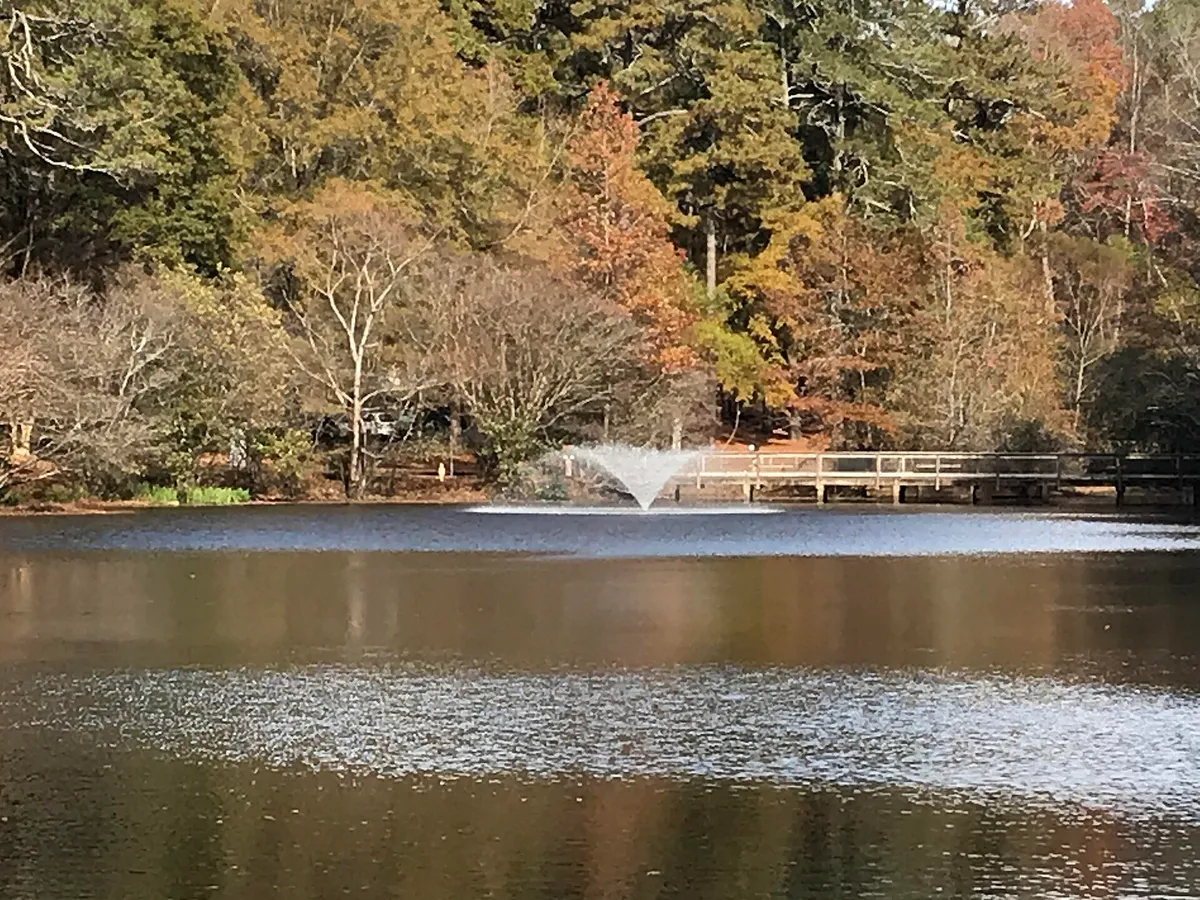
For an outdoor plan from Athens, compare trails, state parks, national parks within trip range, and scenic drives. Options in the current city guide include North Oconee River Greenway and Watson Mill Bridge State Park.
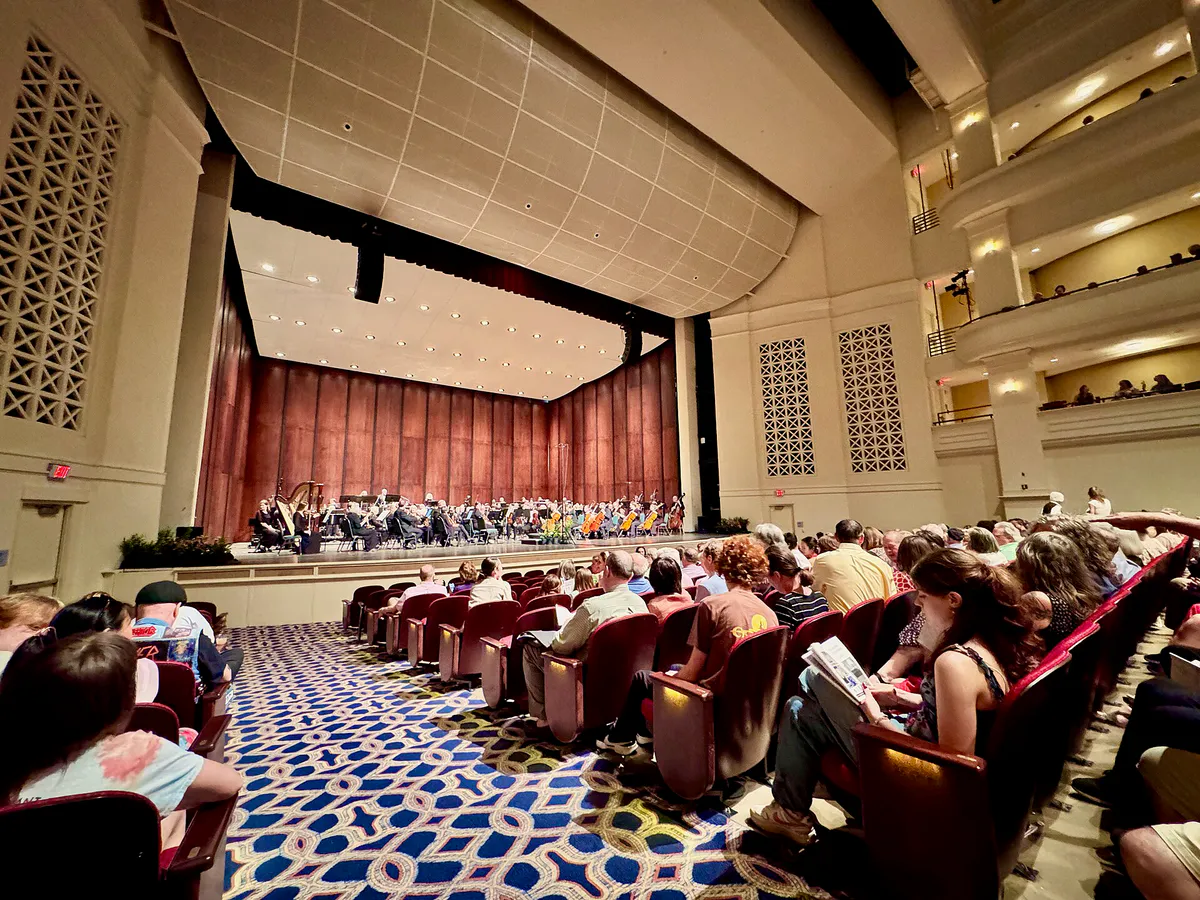
Reserve a table in Five Points at Five and Ten for Southern-French fusion or ZZ & Simone's for upscale Italian, followed by wine at The Expat. If remaining Downtown, pair Mediterranean-inspired dishes at The National with an evening performance at the historic Morton Theatre.
Take kids to Bear Hollow Zoo inside Memorial Park to view native Georgia wildlife like black bears, river otters, and bobcats for free. Follow up with a visit to Sandy Creek Park to enjoy the Lake Chapman swimming beach, non-motorized boat rentals, and expansive playground space.
Escape rain at the Georgia Museum of Art, which offers fully covered indoor access and direct deck parking under the building at 90 Carlton Street. Alternatively, spend an afternoon playing from the collection of 1,000+ titles at The Rook & Pawn board game cafe Downtown.
Browse independent books at Avid Bookshop in Five Points before getting coffee at a nearby cafe. Take a quiet, solo walk along the 7.23-mile paved North Oconee River Greenway or drop into the free Lyndon House Arts Center to view rotating contemporary exhibits by local artists.
Gather a large group at Terrapin Beer Co.'s outdoor beer garden, which provides ample seating and lawn space. For active recreation, play the 29-hole disc golf course at Sandy Creek Park or reserve space at Akins Ford Arena inside The Classic Center for public events.
Take advantage of 100% fare-free public transit on ACC Transit or UGA Campus Transit to visit completely free venues: the State Botanical Garden, Bear Hollow Zoo, Georgia Museum of Art, Sandy Creek Nature Center, and Lyndon House Arts Center.
Outdoors nearby
Use these nearby outdoor options when the plan calls for a trail, protected landscape, park, or drive instead of another indoor stop. Proximity here is geographic, not a promise about driving time.
Get out of town
When staying in town is not the answer, these nearby destinations give you a smaller starting set for a day trip, overnight escape, or weekend away.
Destination relationships are screened geographically. Straight-line proximity is not presented as road mileage or estimated travel time.
Local landmarks & attractions
These notable destinations offer a starting point when you want something specific to see, visit, or build into a day around Athens. Distances are approximate from the city area.
botanical garden
stadium in Athens, Georgia US
museum in Athens, Georgia, USA
theater in Athens, Georgia, United States
historic house museum and National Historic Landmark in Athens, Georgia
Athens, Georgia, listed on the National Register of Historic Places in Clarke County, Georgia
arboretum in Athens, Georgia, USA
a Confederate monument in Athens, Georgia, United States
Notable places are selected from structured public destination data and ranked for relevance, prominence, proximity, and variety.
Local decision signals
A useful local recommendation depends on how the city actually works. These conditions affect where to go, what to do, and whether a plan makes sense right now.
Home UGA football Saturdays add over 100,000 visitors, raising Downtown deck rates to $40–$50 flat event pricing and heavily stalling interior corridors. Non-football errands and casual dining shift to Normaltown, Boulevard, or the Eastside.
Both ACC Transit (city routes) and UGA Campus Transit (university corridors) operate 100% fare-free and are open to the general public without university ID requirements.
The State Botanical Garden strictly prohibits all pets on its grounds, whereas Sandy Creek Park offers five private rentable dog parks and dedicated trail space.
Major north-south campus corridors like Lumpkin Street, Sanford Drive, and South Milledge Avenue experience intense pedestrian and vehicular choke points roughly 10 minutes prior to every hour on weekdays.
Downtown street meters and public parking decks offer free parking on Sundays and select municipal holidays, making Sunday the easiest window for central strolls.
Between late May and early August, student population drops from over 40,000 to roughly 10,000–15,000, drastically easing wait times at restaurants and eliminating traffic delays.
The Middle and North Oconee Rivers bisect the county with limited bridge crossings, making East Broad Street, Lexington Road, and College Station Road recurring bottlenecks during commute hours.
Neighborhood context
Neighborhoods are not interchangeable. Each area offers a different balance of atmosphere, transportation, food, nightlife, activities, and planning friction.
Best for: Live music venues, high-density nightlife, independent coffee, historic retail, and walking to UGA North Campus.
Bounded by Dougherty and Broad Streets, this historic urban core features early 20th-century commercial blocks packed with over 80 bars, iconic music halls, craft brewpubs, and diverse global dining.
Best for: Chef-driven fine dining, artisan bakeries, quiet wine bars, and upscale walkable residential streets.
Centered around the historic intersection of South Milledge and South Lumpkin, this pedestrian-friendly neighborhood village serves faculty, graduate students, and families seeking refined food and historic residential architecture.
Best for: Relaxed neighborhood pubs, NY-style pizza, local microbreweries, and unpretentious evening hangs.
Located northwest of Downtown along Prince Avenue near the UGA Health Sciences Campus, Normaltown offers a laid-back, community-focused strip anchored by local diners, cozy bars, and bungalow homes.
Best for: Historic architecture walks, shady oak-canopied streets, and direct proximity to Prince Avenue cafes.
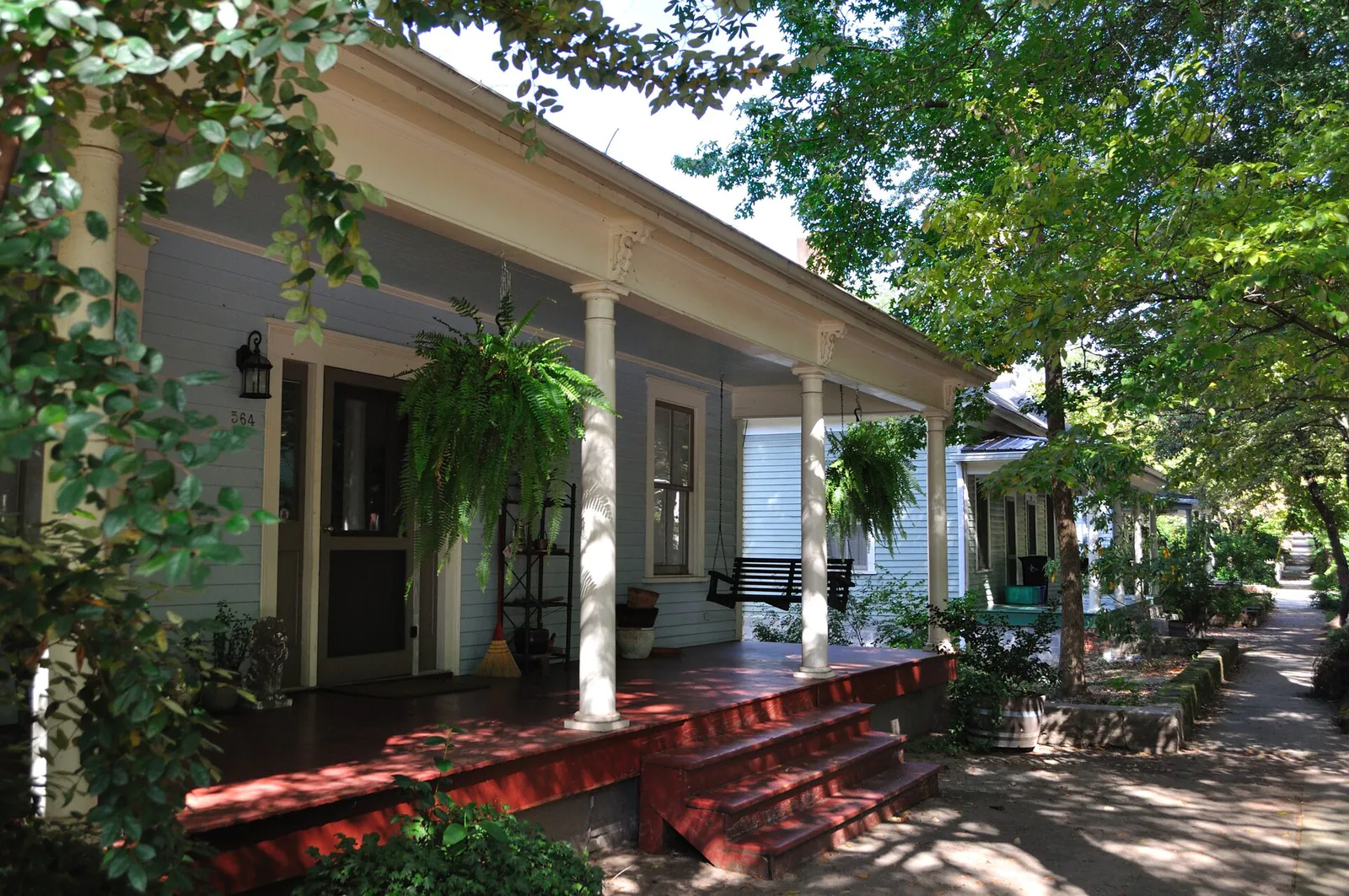
Athens' oldest residential suburb, established in 1834 immediately west of Downtown. Characterized by preserved Greek Revival, Victorian, and Craftsman homes subject to strict historic preservation standards.
Best for: Industrial adaptively-reused complexes, Victorian cottage aesthetics, art communities, and craft beer facilities.
A late 19th-century streetcar suburb north of West Broad Street, featuring converted manufacturing complexes like Southern Mill and a distinct artistic residential footprint.
Best for: Suburban shopping centers, accessible multi-family housing, public parks, and disc golf.
Positioned east of the North Oconee River along Barnett Shoals and Gaines School Roads, providing broad commercial plazas, accessible value dining, and proximity to Southeast Clarke Park.
Best for: Big-box retail convenience, auto services, commercial strip centers, and suburban subdivisions.
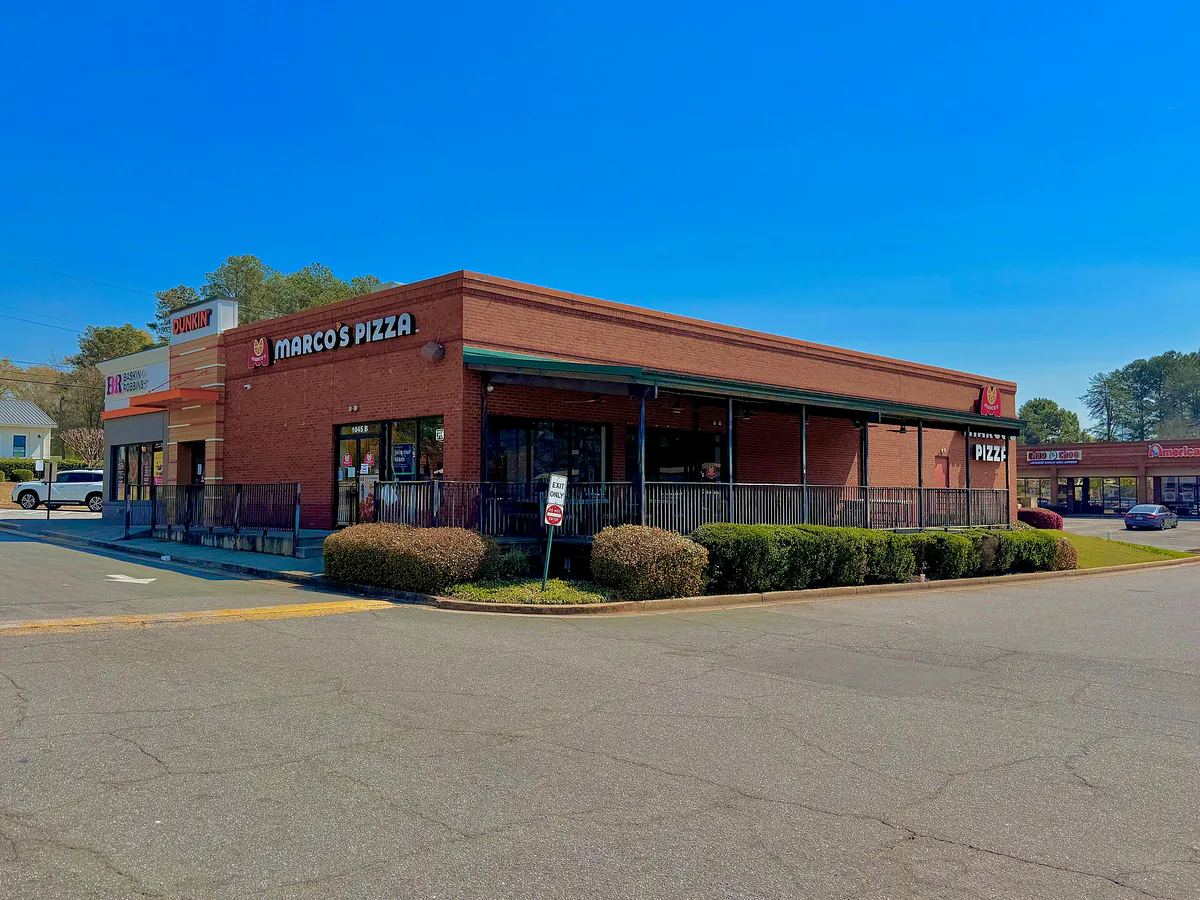
Extending along the Atlanta Highway corridor toward Oconee County, this commercial bypass corridor is built for vehicular convenience and large-format shopping.
Best for: Small-town historic park settings, trail connection hubs, and quiet outdoor events.
An incorporated municipality situated on the eastern border of Clarke County, serving as a primary anchor along the multi-use Firefly Trail.
Athens local guide
Athens-Clarke County operates as a consolidated city-county government spanning roughly 121 square miles—geographically the smallest county in Georgia. Its urban structure revolves around the immediate boundary between Downtown Athens and the University of Georgia campus. Broad Street serves as the dividing line: commercial, civic, and nightlife blocks sit directly to the north, while UGA's Historic North Campus stretches southward. Interior travel relies heavily on key arterial roads including Prince Avenue, Milledge Avenue, Lumpkin Street, and Gaines School Road, surrounded by the 19-mile Loop 10 perimeter highway.
Navigating the city smoothly requires aligning your plans with the academic calendar. During the Fall and Spring semesters, over 40,000 enrolled students shape local movement, driving high demand for dining and creating recurring weekday traffic congestion around hourly class changes. Conversely, the summer session (late May through early August) transforms the county into 'locals season,' characterized by minimal travel delays, easy parking, and relaxed dining availability across all districts.
Topography also plays a decisive structural role. Positioned in the Georgia Piedmont, the terrain features rolling hills, red clay soils, and major waterways. The Middle Oconee and North Oconee Rivers run through the county, creating physical barriers that funnel vehicular traffic toward a small handful of bridge crossings. Anticipating these choke points—especially along East Broad Street and College Station Road—allows residents and visitors to cross town without unexpected delays.
Explore your options
Each commercial node in Athens maintains a distinct culinary focus, crowd profile, and operational rhythm.
A refined neighborhood hub south of campus catering to faculty, alumni, graduate students, and food enthusiasts seeking chef-driven dining.
A high-density district combining landmark Athens eateries, global street food, high-volume student nightlife, and historic live venues.
An unpretentious corridor along Prince Avenue offering relaxed pub food, NY-style pizza, and casual microbrewery spaces.
Practical local guidance
Athens provides an exceptional density of high-value cultural and outdoor destinations that charge no admission fees.
Common local questions
These are common situations people face when trying to decide where to eat, what to do, where to get drinks, or how to spend their time in Athens.
Athens planning questions
Practical answers for people deciding where to eat, what to do, where to go, or how to make plans in Athens.
Yes. Both ACC Transit (operating 18 city routes) and UGA Campus Transit (operating university routes) are 100% fare-free and open to the general public without requiring student or military IDs.
On home football Saturdays, municipal parking decks in Downtown Athens transition from standard hourly rates to flat event pricing, typically around $40–$50 per vehicle. Non-game street parking fills quickly.
Sandy Creek Park allows dogs and features five private rentable dog parks, a public off-leash park, and extensive trails. Paved trails like the North Oconee River Greenway and Firefly Trail also welcome leashed dogs. However, pets are strictly prohibited at the State Botanical Garden of Georgia.
Excellent indoor options include visiting the Georgia Museum of Art (which has direct covered parking under the building), playing board games at The Rook & Pawn Downtown, browsing Avid Bookshop in Five Points, or exploring exhibits at the Lyndon House Arts Center.
Head to the Five Points neighborhood village, home to chef-driven spots like Five and Ten, ZZ & Simone's, and The Expat. Cobbham and Normaltown also offer sophisticated, local-centric dining options.
Yes. Admission and parking at the State Botanical Garden of Georgia are 100% free, providing access to over 300 acres of gardens, conservatories, and river trails.
On weekdays during Fall and Spring semesters, major campus corridors like Lumpkin Street, Sanford Drive, and South Milledge Avenue experience notable traffic and pedestrian congestion roughly 10 minutes prior to every hour as classes transition.
Historic independent venues like the 40 Watt Club and Flicker Theatre & Bar regularly sell admission at the door for local bills. The Georgia Theatre Rooftop also provides open access for casual evening drinks and live music.
Downtown street meters and public parking decks are enforced Monday through Saturday from 8:00 a.m. to 10:00 p.m., but are 100% free on Sundays (excluding game day event shifts).
The Firefly Trail is a multi-use paved rail-trail starting at East Broad Street in Downtown and running over 5.75 miles east through Winterville. The North Oconee River Greenway also connects Downtown southward past Dudley Park.
Source transparency
Official and locally relevant sources used to verify the practical information presented in this Athens decision guide.
Athens decision engine
Tell Adventria what kind of experience you want, set your practical limits, and turn the options in Athens into one workable plan.
Choose a Athens Plan