Uptown (City Center)
Best for
Museums, major league sports, performing arts, and high-density urban energy.
 AdventriaLocalOpen App
Queen City Decision Guide
Trying to decide what to do in Charlotte? Adventria helps you cut through the options and choose a good-enough plan without endless scrolling. Navigating Charlotte efficiently requires understanding its hub-and-spoke geography, distinct urban corridors, and event schedules. Whether avoiding I-77 bottlenecks during evening commutes, dodging game-day parking surges in Uptown, or choosing between South End breweries and Plaza Midwood dive bars, this guide helps you align your schedule, group, and budget with the right part of the Queen City.
The local decision problem
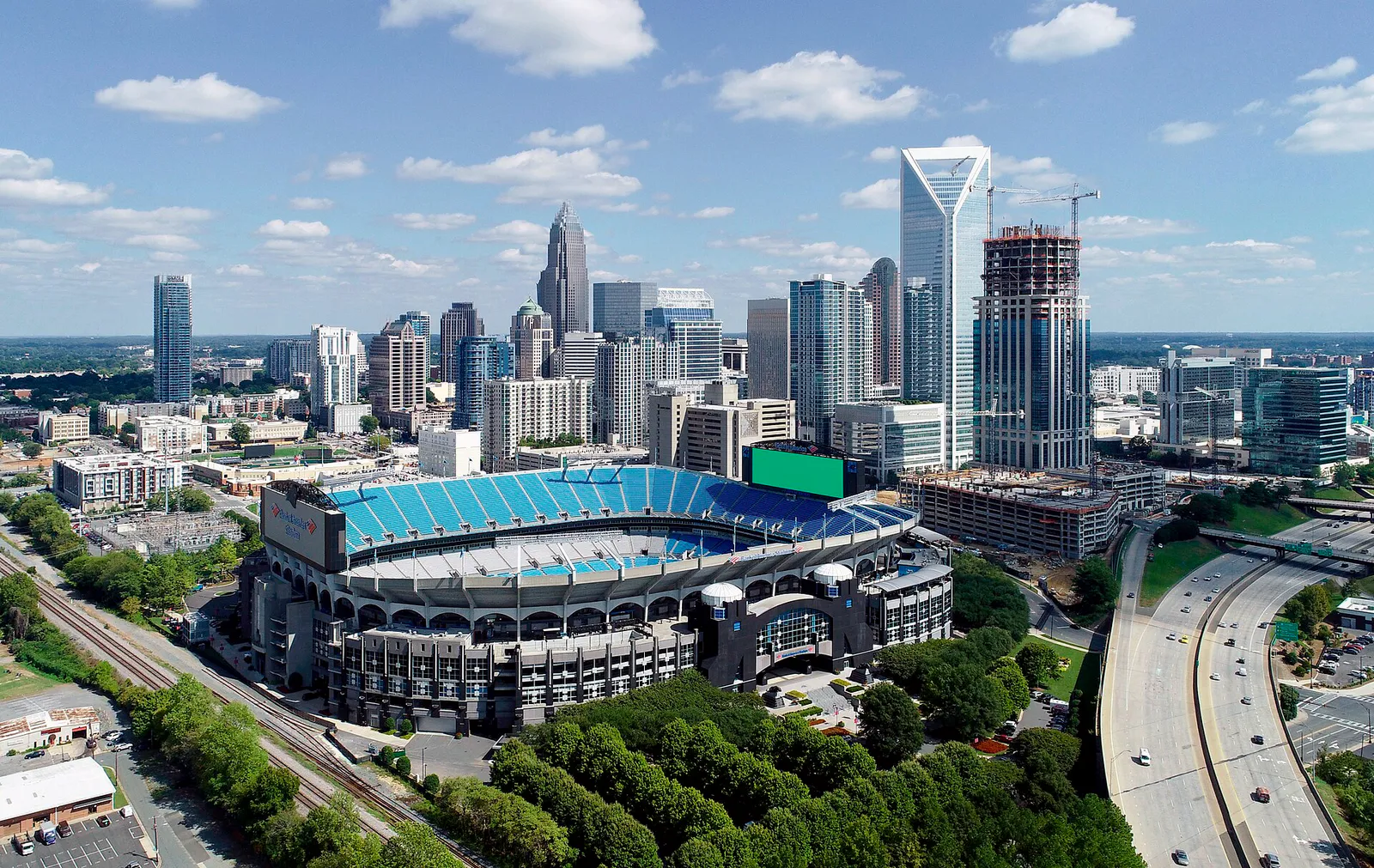
How to navigate Charlotte's distinct radial corridors, heavy stadium event congestion, and sudden seasonal weather shifts without getting trapped in traffic or choosing the wrong neighborhood vibe.
That is where Adventria comes in. Adventria helps narrow the options in Charlotte around practical factors like location, distance, budget, vibe, who you are with, and the kind of experience you actually want, so research can turn into a decision.
Let Adventria narrow the optionsPick the right part of town
Different parts of Charlotte work for different kinds of plans. Start with the experience you want, then narrow the map.
Best for
Museums, major league sports, performing arts, and high-density urban energy.
Best for
Brewery crawls, energetic nightlife, modern apartments, tech hubs, and Rail Trail walks.
Best for
Live indie music, street art, craft beer, and casual bohemian dining.
Best for
Eclectic dining, iconic dive bars, vintage shopping, and craft cocktail lounges.
Best for
Tree-lined strolls, historic bungalow architecture, Latta Park, and relaxed bistro dining.
Best for
Industrial adaptive reuse, outdoor food stalls, art installations, and group hangouts.
This is a quick starting point. The full guide covers 8 local neighborhoods and districts in Charlotte.
Eat & drink
When the decision is less about what to do and more about where to eat or grab a drink, start here. These local cues narrow the food and drink decision without turning dinner or a night out into another hour of comparison.
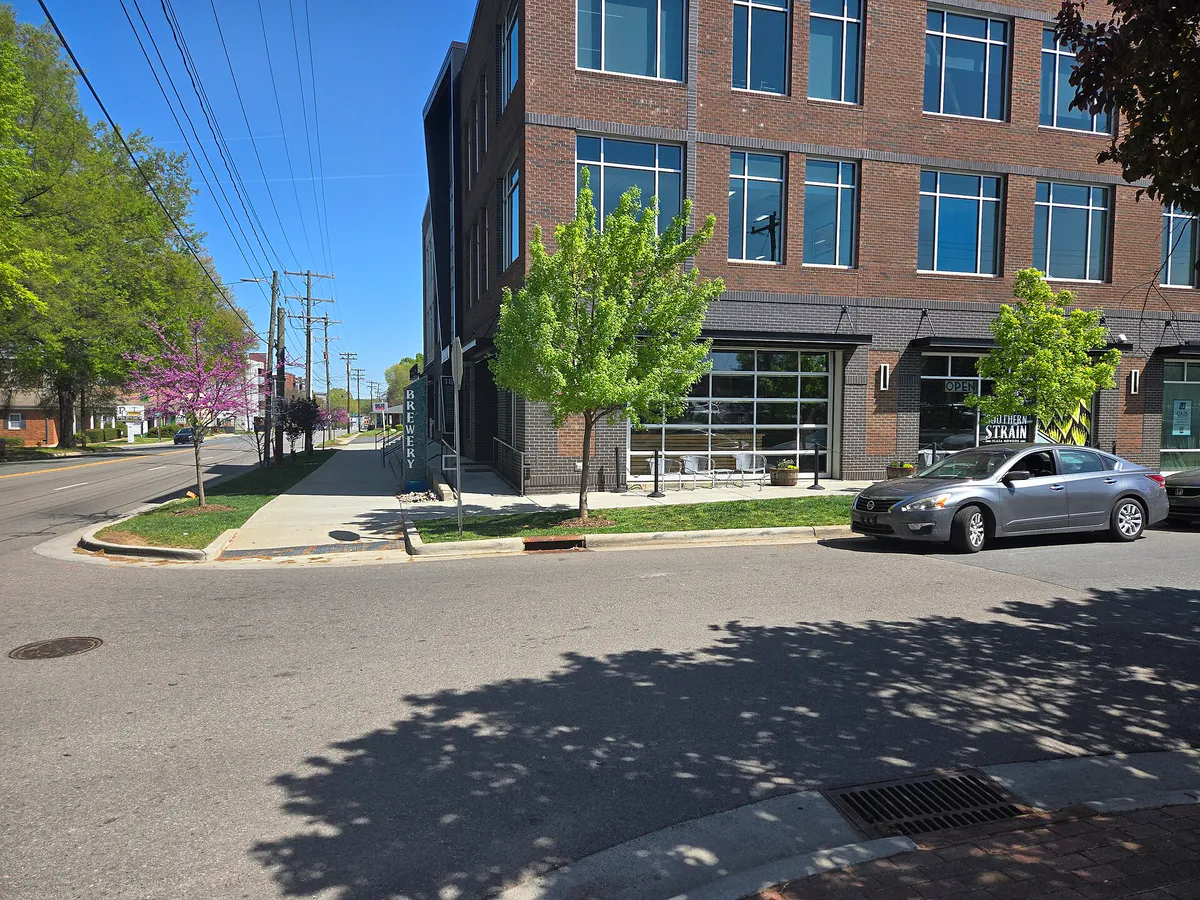
Head to Central Avenue in Plaza Midwood for a mix of James Beard-nominated comfort food and neighborhood diners, or explore the open-air food stalls along the Boileryard at Camp North End. If you are near the LYNX Blue Line, get off at East/West Boulevard in South End for high-density casual options ranging from taco windows to patio bistros without needing advanced reservations.
For intimate indie rock and acoustic sets, take the LYNX Blue Line to 36th Street in NoDa and visit Neighborhood Theatre or The Evening Muse. If you prefer eclectic dive bars, live DJ sets, and rooftop views, head to Plaza Midwood along Central Avenue or check out the high-energy brewery clusters along South End's Rail Trail.
Still comparing options? Adventria can narrow the choice around budget, distance, vibe, and who you are with.
Decide with AdventriaPlan by situation
Start with the kind of plan you are actually trying to make. These city-specific ideas narrow the choice around who you are with, what you want to spend, the weather, and the kind of outing you want.
Begin with an early evening walk through the historic residential paths of Fourth Ward in Uptown. Catch sunset drinks at an Uptown rooftop lounge overlooking the city skyline, then take a short rideshare to Plaza Midwood or Dilworth for dinner in a converted craftsman bungalow.
Head directly to Uptown's First Ward to visit ImaginOn: The Joe & Joan Martin Center, an interactive youth library and theater facility. Pair it with Discovery Place Science on North Tryon Street for hands-on aquariums, physics labs, and an IMAX dome theater.
Visit the Levine Center for the Arts in Uptown to tour three adjacent museums (Mint, Bechtler, Gantt) at a relaxed pace. Afterward, grab a book or laptop and sit outdoors at First Ward Park, or bike down the South End Rail Trail stop-by-stop.
Take advantage of Wednesday Night Live for free 5:00 PM to 9:00 PM entry to Uptown's premier art museums. Explore public art installations and self-guided mural walks across NoDa and Camp North End, or picnic at Freedom Park and Romare Bearden Park at zero cost.
Gather at the US National Whitewater Center for open-air lawn seating, ziplining, and whitewater rafting access. Alternatively, book a lane at 10 Park Lanes on Montford Drive or meet at the expansive outdoor patio spaces at Camp North End or South End brewery compounds.
For an outdoor plan from Charlotte, compare trails, state parks, national parks within trip range, and scenic drives. Options in the current city guide include Crowders Mountain State Park and Andrew Jackson State Park.
For a short escape from Charlotte, compare Hickory and Gastonia. More options are listed in the trip section below.
Outdoors nearby
Use these nearby outdoor options when the plan calls for a trail, protected landscape, park, or drive instead of another indoor stop. Proximity here is geographic, not a promise about driving time.
Get out of town
When staying in town is not the answer, these nearby destinations give you a smaller starting set for a day trip, overnight escape, or weekend away.
Destination relationships are screened geographically. Straight-line proximity is not presented as road mileage or estimated travel time.
Local landmarks & attractions
These notable destinations offer a starting point when you want something specific to see, visit, or build into a day around Charlotte. Distances are approximate from the city area.
amusement park in North and South Carolina
museum in Charlotte, North Carolina
motorsport track in North Carolina, USA
botanical gardens at the University of North Carolina at Charlotte
multi-purpose concert hall and theatre in Charlotte, North Carolina, United States
neighborhood of Charlotte, North Carolina, United States
non-profit organization in the USA
arena in North Carolina, United States
Notable places are selected from structured public destination data and ranked for relevance, prominence, proximity, and variety.
Local decision signals
A useful local recommendation depends on how the city actually works. These conditions affect where to go, what to do, and whether a plan makes sense right now.
Panthers NFL games, Charlotte FC matches, and major Spectrum Center concerts push Uptown parking garage rates from standard $5–$10 rates up to $30–$50+, while blocking I-277 exit ramps. Parking at suburban light rail lots (Scaleybark, Tyvola) bypasses the gridlock completely.
July and August heat brings 1:00 PM to 5:00 PM severe lightning and pop-up rain showers. Schedule open-air activities at the US National Whitewater Center or Freedom Park before midday, reserving indoor museums for the afternoon.
From late March through mid-April, heavy yellow pine pollen coats outdoor seating, vehicles, and greenway benches across Mecklenburg County. Outdoor patio dining becomes challenging for allergy-sensitive individuals during these weeks.
The Levine Center for the Arts cultural facilities (Mint Museum Uptown, Bechtler Museum of Modern Art, Harvey B. Gantt Center) offer free admission every Wednesday from 5:00 PM to 9:00 PM.
The 3.5-mile paved South End Rail Trail and the 19-mile Little Sugar Creek Greenway provide continuous, traffic-free walking and cycling corridors connecting NoDa, Uptown, South End, Dilworth, and Midtown.
Many non-profit cultural institutions, historic properties, and independent galleries across Uptown and Plaza Midwood close on Mondays and Tuesdays, requiring day-of-week adjustments for museum visits.
Neighborhood context
Neighborhoods are not interchangeable. Each area offers a different balance of atmosphere, transportation, food, nightlife, activities, and planning friction.
Best for: Museums, major league sports, performing arts, and high-density urban energy.
Divided into four distinct Wards centered at Trade and Tryon Streets. First Ward houses cultural venues and UNCC Center City; Second Ward contains government hubs and the NASCAR Hall of Fame; Third Ward holds Bank of America Stadium, Truist Field, and Romare Bearden Park; Fourth Ward is a quiet historic residential pocket.
Best for: Brewery crawls, energetic nightlife, modern apartments, tech hubs, and Rail Trail walks.
Located directly south of Uptown along the LYNX Blue Line light rail. Converted industrial textile mills now house craft breweries, open-air food halls, and high-rise apartments centered around the paved 3.5-mile Rail Trail.
Best for: Live indie music, street art, craft beer, and casual bohemian dining.
Charlotte's historic mill village transformed into an arts district around 36th and North Davidson Streets. Features brightly painted murals, historic mill homes, independent live music venues, and neighborhood taprooms.
Best for: Eclectic dining, iconic dive bars, vintage shopping, and craft cocktail lounges.
An independent creative neighborhood east of Uptown along Central Avenue. Known for historic 1920s Craftsman bungalows, James Beard-nominated dining, established dive bars, and vintage clothing boutiques.
Best for: Tree-lined strolls, historic bungalow architecture, Latta Park, and relaxed bistro dining.
Charlotte's oldest streetcar suburb, located south of Uptown and directly adjacent to South End. Offers peaceful oak-canopied residential streets alongside the active East Boulevard dining and shopping corridor.
Best for: Industrial adaptive reuse, outdoor food stalls, art installations, and group hangouts.
A 75-acre former WWII military depot and missile assembly facility converted into a sprawling creative campus just north of Uptown, filled with food stalls, retail shops, sprawling lawns, and public art.
Best for: Scenic drives, grand historic estates, willow oak canopies, and road cycling.
Prestigious residential enclaves directly south of Uptown defined by winding roads designed by John Nolen, Tudor and Colonial Revival mansions, and the famous Queens Road cycling loop.
Best for: Nature trails, suburban shopping, and activities near UNC Charlotte.
The northern anchor of Charlotte surrounding the UNC Charlotte campus. Houses expansive research parks, the Boardwalk at University Place, Reedy Creek Nature Preserve, and direct light rail transit to Uptown.
Explore your options
Match your mood, party, and transit preferences with the ideal Charlotte district.
Best for major athletic matches, Broadway shows, modern art museums, and skyline views.
Best for social outdoor taprooms, vibrant patio dining, energetic weekend crowds, and light rail convenience.
Best for eclectic independent dining, historic dive bars, live indie music, vintage shops, and street murals.
Best for creative industrial spaces, group hangouts, public lawn games, and Black cultural heritage.
Practical local guidance
Use these tactical rules to pivot your plans based on real-time local conditions.
A simpler way to decide
Follow this step-by-step framework to maximize your time across Charlotte's major corridors.
Verify whether major games or stadium concerts are taking place at Bank of America Stadium or Spectrum Center. This determines whether you should drive or rely on the LYNX Blue Line.
Start your day with outdoor movement before heat peaks. Choose between the Whitewater Center trails, a walk along Little Sugar Creek Greenway, or breakfast at Camp North End.
Head into Uptown during peak afternoon heat or unpredictable rain. Tour the Levine Center for the Arts museums or visit Discovery Place Science.
Take the light rail south to East/West Boulevard station. Stroll the 3.5-mile Rail Trail and stop at outdoor taprooms and coffee shops.
For live music, take the train north to NoDa (36th St Station). For eclectic cocktail spots and dive bars, head east to Plaza Midwood.
Common local questions
These are common situations people face when trying to decide where to eat, what to do, where to get drinks, or how to spend their time in Charlotte.
Charlotte planning questions
Practical answers for people deciding where to eat, what to do, where to go, or how to make plans in Charlotte.
The LYNX Blue Line light rail is Charlotte's primary transit spine, running continuously from UNC Charlotte down through NoDa, Uptown, and South End. Paired with the CityLYNX Gold Line streetcar and walkable linear paths like the South End Rail Trail, you can easily access key dining, arts, and nightlife districts without driving.
Uptown and South End offer the highest walkability and direct light rail transit access. Uptown puts you steps from major museums, sports venues, and theaters, while South End places you in the heart of Charlotte's brewery, dining, and Rail Trail scene.
Avoid driving on I-277, Morehead Street, or Graham Street within two hours of kickoff. Instead, park at a peripheral LYNX Blue Line light rail lot (such as Scaleybark, Tyvola, or University City Blvd) and take the train directly into Uptown.
Top free options include visiting the Levine Center for the Arts museums during Wednesday Night Live (5:00 PM – 9:00 PM), exploring public art at Camp North End and NoDa, walking the Little Sugar Creek Greenway, and relaxing in Freedom Park or Romare Bearden Park.
Head to Uptown's climate-controlled museum hubs. Explore the Mint Museum Uptown, Bechtler Museum of Modern Art, and Harvey B. Gantt Center on the Levine Center campus, or visit Discovery Place Science and the NASCAR Hall of Fame.
The Whitewater Center is located about 12 miles west of Uptown Charlotte along the Catawba River. It typically takes 20 to 25 minutes to drive via US-74 West or I-85 West, depending on peak commuter traffic.
NoDa (North Davidson Arts District) is Charlotte's traditional indie music hub, featuring iconic venues like Neighborhood Theatre and The Evening Muse. Plaza Midwood also offers live local sets at places like Snug Harbor and Petra's.
Autumn (October through November) offers clear skies, pleasant temperatures in the mid-60s to 70s, and colorful fall foliage. Spring (April and May) is also scenic, though you should check pollen levels during late March and early April.
Families enjoy Discovery Place Science and ImaginOn in Uptown, Freedom Park's expansive playgrounds and paved walking loops, and open-air white-water rafting, flatwater kayaking, and ziplines at the US National Whitewater Center.
Source transparency
Official and locally relevant sources used to verify the practical information presented in this Charlotte decision guide.
Charlotte decision engine
Tell Adventria what kind of experience you want, set your practical limits, and turn the options in Charlotte into one workable plan.
Choose a Charlotte Plan