Canal Park
Best for
First-time visitors, ship watching, waterfront dining, and Lakewalk access.
 AdventriaLocalOpen App
Local Decision Briefing
Trying to decide what to do in Duluth? Adventria helps you cut through the options and choose a good-enough plan without endless scrolling. Plan activities, dining, and travel across Duluth's steep 600-foot ridge. Learn how Lake Superior's shoreline microclimates, freighter schedules, and parking rules shape real daily choices across every district.

The local decision problem
Navigating Duluth's steep terrain, distinct waterfront districts, and severe lake microclimates to choose the right activities, dining, and transit routes.
That is where Adventria comes in. Adventria helps narrow the options in Duluth around practical factors like location, distance, budget, vibe, who you are with, and the kind of experience you actually want, so research can turn into a decision.
Let Adventria narrow the optionsPick the right part of town
Different parts of Duluth work for different kinds of plans. Start with the experience you want, then narrow the map.
Best for
First-time visitors, ship watching, waterfront dining, and Lakewalk access.
Best for
Craft breweries, hard cider, wood-fired dining, and local artisan maker shops.
Best for
Historic theater outings, central transit connections, skywalk walking, and historic brewpubs.
Best for
Sand dunes, quiet lakefront beaches, and recreation away from high-density commercial centers.
Best for
Estate tours, historic architecture, streamside hiking, and residential lake views.
Best for
Ski resort access, outdoor adventure parks, and gateway travel to the St. Louis River.
This is a quick starting point. The full guide covers 8 local neighborhoods and districts in Duluth.

Eat & drink
Trying to decide where to eat in Duluth? Start with the local dining context below and narrow the decision around the kind of meal or experience you actually want.
If you want Lake Superior views and step-outside access to shoreline paths, head to Canal Park for waterfront dining or historic warehouse brewpubs. If you prefer craft taprooms, house-smoked BBQ, artisan ice cream, and wood-fired pizza without lakeside crowds, choose the Lincoln Park Craft District along West Superior Street.
Still comparing options? Adventria can narrow the choice around budget, distance, vibe, and who you are with.
Decide with AdventriaPlan by situation
Start with the kind of plan you are actually trying to make. These city-specific ideas narrow the choice around who you are with, what you want to spend, the weather, and the kind of outing you want.
For an outdoor plan from Duluth, compare trails, state parks, national parks within trip range, and scenic drives. Options in the current city guide include Wild Rivers State Trail and Jay Cooke State Park.
Avoid rain or extreme winter winds by navigating Downtown via the continuous 3.5-mile indoor Skywalk network, which connects hotels, dining, parking ramps, and the DECC. Spend the afternoon warm inside the Lake Superior Railroad Museum or Fitger's indoor shopping complex.
Walk right into the Lake Superior Maritime Visitor Center in Canal Park for free self-guided exhibits, or take an unreserved stroll through the Leif Erikson Rose Garden. Most craft beer taprooms in Lincoln Park operate with casual counter-service or walk-up seating.
Start with fresh micro-roasted coffee in Downtown Duluth along Superior Street, then ride or walk the car-free Lakewalk trail. For longer trips, board a Duluth Transit Authority bus using the front bike racks to shuttle your bike up the steep hill to access ridgeline trailheads.
Tour the 12-acre historic Glensheen Mansion estate along London Road, checking seasonal summer Wednesday schedules for outdoor Concerts on the Pier. Afterward, drive up to Enger Tower Park to watch the sunset over the harbor and ring the Japanese Peace Bell.
Visit the Great Lakes Aquarium on Harbor Drive to touch freshwater sturgeon and observe river otters. Afterward, take a short trip to the Lake Superior Railroad Museum inside the St. Louis County Depot to explore historic steam locomotives and train displays.
Explore the Leif Erikson Rose Garden or watch fall raptor migrations at Hawk Ridge Nature Reserve along East Skyline Parkway completely free. During winter months, walk through the Bentleyville Tour of Lights at Bayfront Festival Park with complimentary hot cocoa and treats.
Outdoors nearby
Use these nearby outdoor options when the plan calls for a trail, protected landscape, park, or drive instead of another indoor stop. Proximity here is geographic, not a promise about driving time.
Get out of town
When staying in town is not the answer, these nearby destinations give you a smaller starting set for a day trip, overnight escape, or weekend away.
Destination relationships are screened geographically. Straight-line proximity is not presented as road mileage or estimated travel time.
Local landmarks & attractions
These notable destinations offer a starting point when you want something specific to see, visit, or build into a day around Duluth. Distances are approximate from the city area.
zoo in Duluth, Minnesota, United States
railroad museum in Duluth, Minnesota
theatre, music venue and movie theater in Duluth, Minnesota, United States
railway museum in Minnesota, United States
arena & convention center in Duluth, MN
historic district in Minnesota, United States
building in Duluth, Minnesota
baseball field in Duluth, Minnesota
Notable places are selected from structured public destination data and ranked for relevance, prominence, proximity, and variety.
Local decision signals
A useful local recommendation depends on how the city actually works. These conditions affect where to go, what to do, and whether a plan makes sense right now.
Temperatures at lake level in Canal Park can be 10°F to 20°F lower than neighborhoods on top of the hill during summer.
Freighter openings stall road traffic to Park Point for 15 to 25 minutes per lift during the shipping season.
East-west Streets run flat along the slope, while north-south Avenues climb straight up 600 feet with steep gradients.
Climate-controlled elevated walkways connect Downtown parking ramps, office towers, the transit center, and the DECC.
Residential street parking swaps sides every Sunday between 4:00 PM and 8:00 PM year-round for plowing and sweeping.
Over 40 miles of singletrack connect city parks along the bluff, subject to wet-weather and spring thaw closures.
Vehicle access gates to high-elevation points like Enger Tower open May 1 and close with the first heavy winter snow.
Neighborhood context
Neighborhoods are not interchangeable. Each area offers a different balance of atmosphere, transportation, food, nightlife, activities, and planning friction.
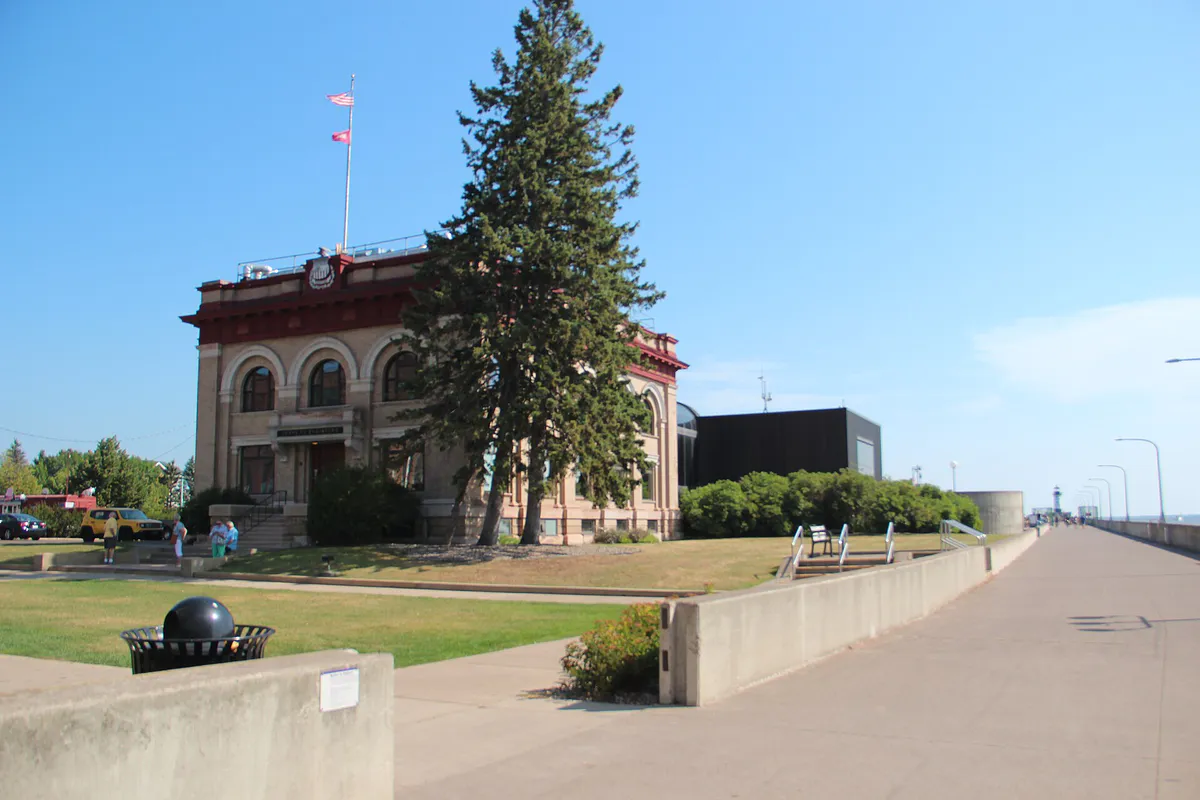
Best for: First-time visitors, ship watching, waterfront dining, and Lakewalk access.
A high-density waterfront district located directly along Lake Superior and the Duluth Ship Canal. Packed with converted brick warehouses, hotels, eateries, and heavy pedestrian traffic.
Best for: Craft breweries, hard cider, wood-fired dining, and local artisan maker shops.
A revitalized urban industrial stretch centered on West Superior Street, featuring taprooms, cider houses, artisan bakeries, and outdoor gearing manufacturers.
Best for: Historic theater outings, central transit connections, skywalk walking, and historic brewpubs.
Duluth's commercial and civic core, home to restored arts venues along Superior Street, the central bus station, and skywalk links across Interstate 35.
Best for: Sand dunes, quiet lakefront beaches, and recreation away from high-density commercial centers.
A long, narrow sand spit extending 7 miles into Lake Superior past the Lift Bridge. Exclusively residential and park land, accessible via a single roadway.
Best for: Estate tours, historic architecture, streamside hiking, and residential lake views.
An established east-side neighborhood surrounding Tischer Creek, known for tree-lined avenues, Glensheen Mansion, and scenic shoreline access along London Road.
Best for: Ski resort access, outdoor adventure parks, and gateway travel to the St. Louis River.
A historic working-class neighborhood along Grand Avenue serving as the primary base for Spirit Mountain, alpine coasters, and river estuary exploration.
Best for: Big-box retail shopping, regional mall stops, airport transfers, and weather bypass routes.
The suburban commercial corridor situated on the high plateau above the escarpment, anchored by Miller Trunk Highway and Duluth International Airport.
Best for: Medical center visits, student housing, steep avenue drives, and neighborhood park access.
High-density residential sectors rising sharply directly north of Downtown, housing major regional hospital complexes and urban parks like Chester Park.
Explore your options
Match your activity goals, parking tolerances, and dining preferences to the distinct spatial character of Duluth's key neighborhoods.
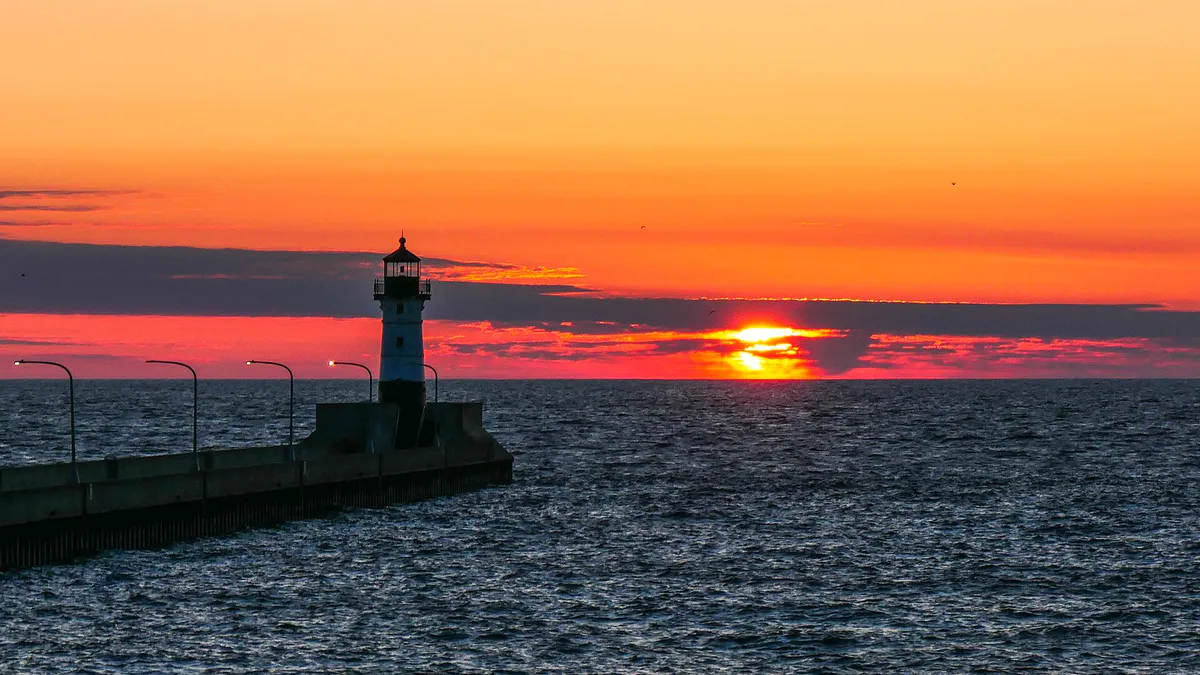
The focal point for maritime tourism, ship watching, and direct Lake Superior access.
A walkable, three-block industrial corridor along West Superior Street dedicated to local food and craft drinks.
The historic civic center featuring performing arts venues, historic architecture, and climate-controlled walkways.
The top-of-the-ridge commercial plateau, removed from shoreline temperature drops.
Practical local guidance
These activities require no advance bookings or high admission costs, making them easy additions to flexible daily plans.
Common local questions
These are common situations people face when trying to decide where to eat, what to do, where to get drinks, or how to spend their time in Duluth.
Duluth planning questions
Practical answers for people deciding where to eat, what to do, where to go, or how to make plans in Duluth.
Because Lake Superior's cold surface water cools shoreline air, Canal Park and the Lakewalk can be 10°F to 20°F colder than hilltop areas like Duluth Heights during summer. Always bring an extra windbreaker or sweatshirt when spending time on the waterfront.
Bridge lifts for commercial freighters or tall marine traffic halt vehicle and pedestrian crossings across the canal for roughly 15 to 25 minutes per opening, causing traffic backups into Canal Park.
Use the Downtown Skywalk system, a continuous climate-controlled network spanning over 3.5 miles. It links parking ramps, hotels, office buildings, the transit center, and crosses I-35 directly to the DECC.
Duluth enforces alternate-side calendar parking year-round. Vehicle owners must move their cars to the opposite side of the street every Sunday between 4:00 PM and 8:00 PM.
University of Minnesota Duluth (UMD) students ride all fixed-route Duluth Transit Authority (DTA) buses for free using their activated campus card through the U-Pass program.
No. Singletrack dirt trails on the Duluth Traverse are closed during spring thaw (April to May) and following heavy rain events to prevent trail erosion and severe surface damage.
Yes. The Great Lakes Aquarium provides discounted Limited Income Access tickets at the ticket desk for individuals presenting valid EBT or Medical Assistance cards.
Vehicle gates to Enger Tower Drive open seasonally on May 1 and close strictly upon the first significant winter snowfall, though foot access remains available.
The central hub for the Duluth Transit Authority (DTA) is the Duluth Transportation Center (DTC), located at 228 W. Michigan Street in Downtown Duluth.
Interstate 35 terminates in Downtown Duluth near Canal Park, causing major traffic spikes on Friday afternoons from northbound travelers and Sunday afternoons from southbound traffic.
Source transparency
Official and locally relevant sources used to verify the practical information presented in this Duluth decision guide.
Duluth decision engine
Tell Adventria what kind of experience you want, set your practical limits, and turn the options in Duluth into one workable plan.
Choose a Duluth Plan