Waterfront & Battleship Cove District
Best for
Maritime history, scenic river walks, live performance, and harbor views
 AdventriaLocalOpen App
Local Navigation & Decision Guide
Trying to decide what to do in Fall River? Adventria helps you cut through the options and choose a good-enough plan without endless scrolling. Whether you are commuting on South Coast Rail, exploring historic mill enclaves, or sampling Azorean delicacies in Flint Village, this guide provides practical strategies to streamline your time in Fall River.
The local decision problem
How to navigate Fall River's unique geography, vibrant Portuguese culinary scene, historic districts, and waterfront attractions without friction.
That is where Adventria comes in. Adventria helps narrow the options in Fall River around practical factors like location, distance, budget, vibe, who you are with, and the kind of experience you actually want, so research can turn into a decision.
Let Adventria narrow the optionsPick the right part of town
Different parts of Fall River work for different kinds of plans. Start with the experience you want, then narrow the map.
Best for
Maritime history, scenic river walks, live performance, and harbor views
Best for
True crime exploration, 19th-century architecture, and central urban access
Best for
Victorian architecture viewing, tree-lined strolls, and museum archives
Best for
Authentic Azorean gastronomy, local bakeries, and vibrant market shopping
Best for
Boston commuter rail access, retail plazas, and higher education
Best for
Lakeside recreation, local beaches, and residential quiet near Rhode Island
This is a quick starting point. The full guide covers 7 local neighborhoods and districts in Fall River.
Eat & drink
Trying to decide where to eat in Fall River? Start with the local dining context below and narrow the decision around the kind of meal or experience you actually want.
For authentic Azorean and mainland Portuguese meals, head to institutions like Sagres or T.A. Restaurant for cacoila, shrimp Mozambique, or salt cod. For gourmet food shopping and light bites, visit Portugalia Marketplace on Bedford Street to explore its climate-controlled salt cod room and espresso bar. Local bakeries such as Barcelos Bakery or Cinderella Bakery in Flint Village provide fresh daily rolls, bifanas, and malasadas.
Still comparing options? Adventria can narrow the choice around budget, distance, vibe, and who you are with.
Decide with AdventriaPlan by situation
Start with the kind of plan you are actually trying to make. These city-specific ideas narrow the choice around who you are with, what you want to spend, the weather, and the kind of outing you want.
For an outdoor plan from Fall River, compare trails, state parks, national parks within trip range, and scenic drives. Options in the current city guide include Fall River Heritage State Park and Dighton Rock State Park.
For an overnight getaway from Fall River, compare Beacon and Saratoga Springs. More options are listed in the trip section below.
Take an afternoon walk along the Taunton River Boardwalk at Heritage State Park, passing under the Gates of Ponta Delgada replica. Enjoy dinner at Sagres or Caravela, then head to an evening acoustic performance at Narrows Center for the Arts in the waterfront mill district.
Climb through warship hatches and submarine quarters at Battleship Cove, ride the Battleship Fall River Carousel, or engage with interactive exhibits at the Children's Museum of Greater Fall River on Central Street. For outdoor activity, bike the flat, paved Quequechan River Rail Trail starting at Britland Park.
Stay dry indoors while exploring inside decks and museum quarters of the USS Massachusetts, browsing trial documents and Victorian artifacts at the Fall River Historical Society on Rock Street, or spending hours inside Portugalia Marketplace's food hall, cheese counter, and wine repository.
Visit Heritage State Park and walk the riverfront boardwalk for free, explore the Olmsted-designed slopes of Kennedy Park, hike Copicut Woods, or walk the Quequechan Rail Trail. Pair these activities with budget-friendly bakery items like warm chouriço rolls or fresh malasadas from Barcelos Bakery.
Outdoors nearby
Use these nearby outdoor options when the plan calls for a trail, protected landscape, park, or drive instead of another indoor stop. Proximity here is geographic, not a promise about driving time.
Get out of town
When staying in town is not the answer, these nearby destinations give you a smaller starting set for a day trip, overnight escape, or weekend away.
Destination relationships are screened geographically. Straight-line proximity is not presented as road mileage or estimated travel time.
Local landmarks & attractions
These notable destinations offer a starting point when you want something specific to see, visit, or build into a day around Fall River. Distances are approximate from the city area.
maritime museum in Fall River, Massachusetts, USA
home venue of the New England Patriots and the New England Revolution
state capitol building of the U.S. state of Rhode Island
non-profit organization in the USA
boulder etched with petroglyphs
theater in Providence, Rhode Island
athletic complex and recreation center located in Newport, Rhode Island, United States
3rd Oldest Zoo in the United States
Notable places are selected from structured public destination data and ranked for relevance, prominence, proximity, and variety.
Local decision signals
A useful local recommendation depends on how the city actually works. These conditions affect where to go, what to do, and whether a plan makes sense right now.
With nearly half the population sharing Portuguese roots, Azorean regional dishes like cacoila, shrimp Mozambique, and fresh malasadas define daily food culture across Flint Village and Bedford Street.
Fall River climbs sharply from the Taunton River waterfront up granite hills toward Downtown and Corky Row, making bus connections or driving ideal when moving between lower and upper districts.
Interstate 195 separates the Taunton River waterfront from Historic Downtown and Corky Row, requiring pedestrians to use specific elevated overpasses or street underpasses to cross.
The Charles M. Braga Jr. Memorial Bridge carries I-195 over the Taunton River, creating significant peak-hour commuter congestion between Fall River, Somerset, and Rhode Island.
Snow bans mandate single-side street parking (North side on East-West streets, West side on North-South streets) with designated municipal overflow lots open across the city.
The MBTA South Coast Rail terminal at Fall River Depot (825 Davol St) provides single-seat Commuter Rail access directly to Boston South Station.
Neighborhood context
Neighborhoods are not interchangeable. Each area offers a different balance of atmosphere, transportation, food, nightlife, activities, and planning friction.
Best for: Maritime history, scenic river walks, live performance, and harbor views
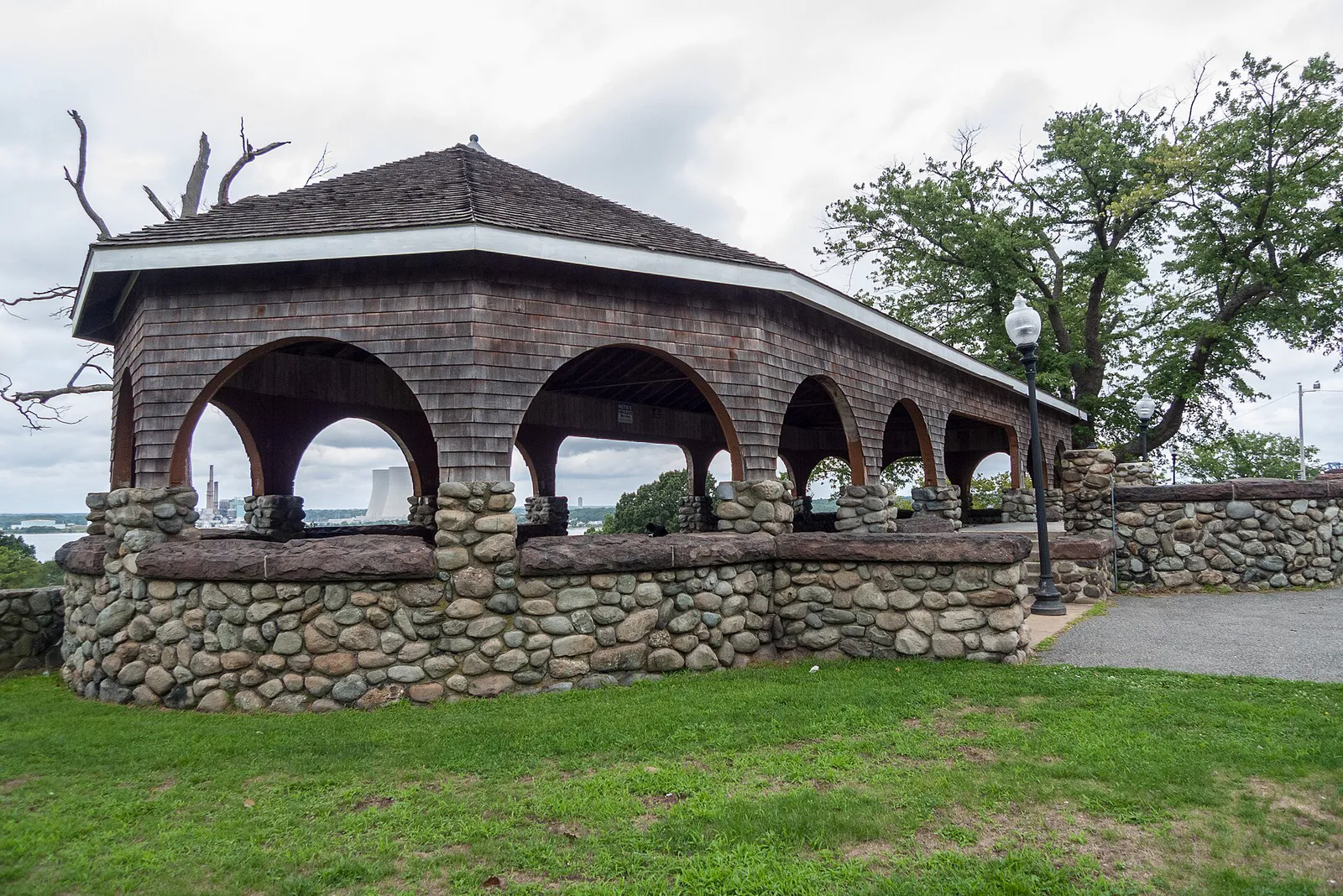
Bounded by the Taunton River and Mount Hope Bay, this area houses historic naval exhibits at Battleship Cove, Fall River Heritage State Park, the Marine Museum, and live acoustic music at Narrows Center for the Arts.
Best for: True crime exploration, 19th-century architecture, and central urban access
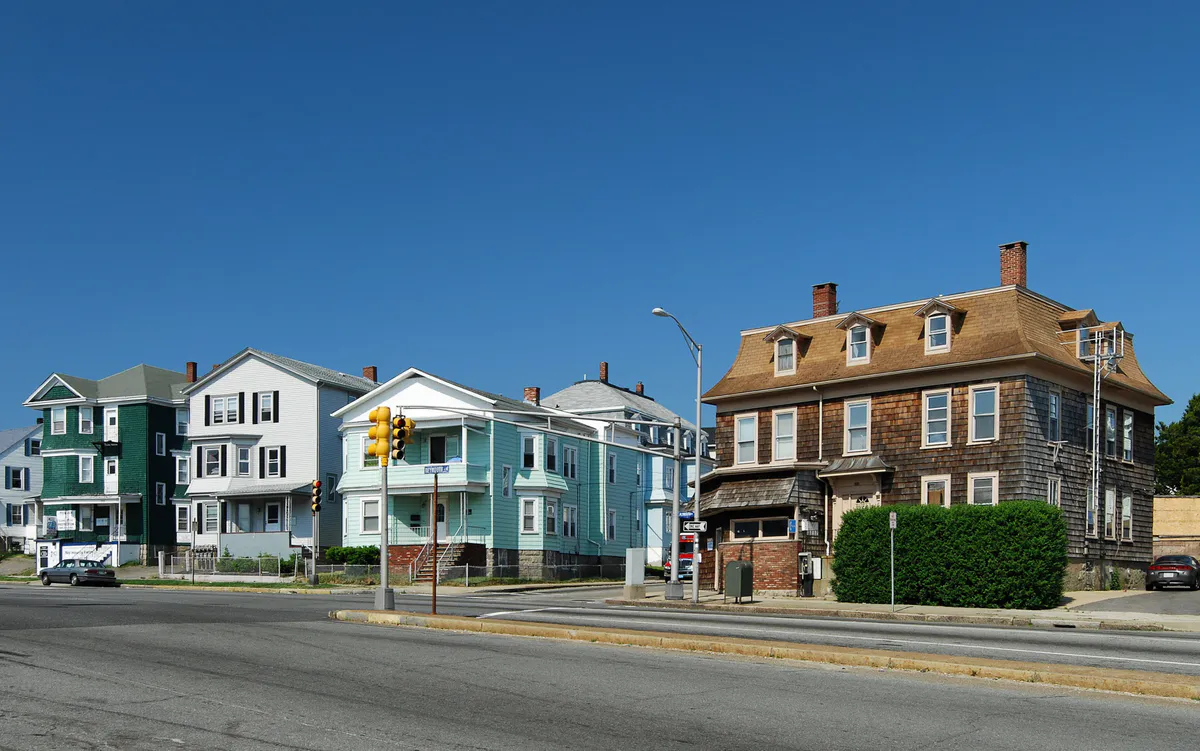
Centered around Main, Bedford, and Second Streets, this historic zone features the Andrew J. Borden House, preserved mill housing, classic triple-deckers, and the central Government Center complex built over I-195.
Best for: Victorian architecture viewing, tree-lined strolls, and museum archives
Situated on high ground north and east of downtown, The Highlands features grand Victorian mansions, Maplecroft, the Fall River Historical Society, and preserved residential architecture.
Best for: Authentic Azorean gastronomy, local bakeries, and vibrant market shopping
Extending along Pleasant Street toward South Watuppa Pond, this former mill district is now a hub for Portuguese markets, traditional bakeries, bodegas, and converted textile mills.
Best for: Boston commuter rail access, retail plazas, and higher education
Spanning along North Main Street and Davol Street, the North End contains Bristol Community College, regional shopping centers, and the MBTA South Coast Rail terminal at Fall River Depot.
Best for: Lakeside recreation, local beaches, and residential quiet near Rhode Island
Bordering Tiverton, Rhode Island, and Mount Hope Bay, this district encompasses Cook Pond, historic Globe Mills, Sandy Beach, and quiet coastal residential pockets.
Best for: Trail running, nature walks, and wilderness exploration
Located on the eastern fringe of the city, this region serves as the access point for the Southeastern Massachusetts Bioreserve, Copicut Woods, and eastern trailheads of the Quequechan River Rail Trail.
Fall River local guide
Fall River's urban structure reflects its rich history as a 19th-century textile manufacturing titan built along natural water routes. Over half of the municipal area consists of water and protected forest, dominated by the Taunton River, Mount Hope Bay, and the North and South Watuppa Ponds. The city rises sharply from the riverbank up steep granite hills toward Historic Downtown, Corky Row, and The Highlands. Navigating between the waterfront and upper residential neighborhoods on foot involves steep incline walking, making local bus connections or driving preferable for those managing mobility limitations.
The city's transport infrastructure presents distinct operational patterns. Interstate 195 cuts directly through the urban center, separating Downtown and Corky Row from the Taunton River waterfront, while the Charles M. Braga Jr. Memorial Bridge carries heavy regional traffic over the Taunton River toward Rhode Island. During morning and evening peak hours, traffic on the bridge creates significant congestion along highway ramps and arterial streets like Davol Street and Milliken Boulevard.
For regional travel, MBTA South Coast Rail provides direct passenger rail service from Fall River Depot at 825 Davol Street straight to Boston South Station. Local transit is centered at the Louis D. Petitpas Bus Terminal downtown, where Southeastern Regional Transit Authority (SRTA) buses run key routes connecting North Main, South Main, Pleasant Street, and Bristol Community College. Driving remains straightforward throughout the city, though metered street parking and winter snow emergency rules require attention.
Explore your options
These primary institutional anchors define Fall River's maritime, architectural, and culinary landscape.
Located along Water Street, this maritime museum features the world's largest collection of historic naval vessels, highlighted by the WWII battleship USS Massachusetts, the destroyer USS Joseph P. Kennedy Jr., and submarine USS Lionfish.
Situated in a converted textile mill at 489 Bedford Street, this 20,000-square-foot gourmet food hall is a national landmark for Azorean and Portuguese food, wine, and specialty imports.
Fall River's Victorian-era dark history centers on the 1892 Borden case, spanning preserved residential structures, archives, and rural cemetery landscapes.
Beyond industrial history, Fall River features expansive protected wilderness and open-air recreational paths crossing urban and forest landscapes.
Practical local guidance
Enjoy these open-access, zero-reservation activities whenever you have free time in the city.
A simpler way to decide
Follow these practical steps to navigate city travel, timing, and local logistics effectively.
Decide whether your trip centers on the Waterfront (Battleship Cove, Marine Museum), Downtown & Corky Row (Borden history, municipal sites), or Flint Village (Portuguese gastronomy and market shopping).
If traveling from Boston, take MBTA South Coast Rail directly to Fall River Depot on Davol Street, or review SRTA bus routes connecting the station to Downtown and Bristol Community College.
Recognize that walking from Water Street up to Main Street or Corky Row involves a steep granite hill climb and crossing under or over I-195. Plan short bus or vehicle trips between waterfront and hilltop destinations.
Reserve tours at the 230 Second Street Borden site weeks in advance during October, and plan for heavy local traffic around Kennedy Park during the Great Feast of the Holy Ghost in late August.
When traveling between December and March, monitor forecast updates for active snow bans, strictly parking on the designated side of the street or using municipal snow lots like the Cash Street Lot.
Common local questions
These are common situations people face when trying to decide where to eat, what to do, where to get drinks, or how to spend their time in Fall River.
Fall River planning questions
Practical answers for people deciding where to eat, what to do, where to go, or how to make plans in Fall River.
Fall River is nationally recognized as a hub for authentic Portuguese and Azorean cuisine. Signature local dishes include chouriço and linguiça sausages, cacoila (marinated pork), bacalhau (salt cod), shrimp Mozambique, bifana cutlet sandwiches, sweet bread (massa sovada), and fresh malasadas.
The MBTA South Coast Rail provides direct Commuter Rail service from Boston South Station to Fall River Depot, located at 825 Davol Street (Zone 8). The station features high-level platform boarding, covered bike racks, and daily park-and-ride parking spaces.
Portugalia Marketplace is located at 489 Bedford Street in a restored textile mill. It spans 20,000 square feet and features a climate-controlled salt cod room, over 1,400 Portuguese wine labels, an espresso cafe, cheese and charcuterie counters, and specialty imported goods.
When a winter parking ban is declared (typically with 3+ inches of snow forecasted), vehicles must park strictly on the North side of East-West streets and the West side of North-South streets. Municipal snow lots, such as the Flint Lot on Cash Street and Columbia Street Lot, are opened for off-street parking.
For paved multi-use trails, use the 2.5-mile Alfred J. Lima Quequechan River Rail Trail, which features wooden trestle bridges across South Watuppa Pond. For natural wilderness hiking, visit Copicut Woods at 1700 Indian Town Road, offering 5.4 miles of forest trails.
While the physical distance is short, walking from Water Street up to Main Street requires climbing a steep granite hill and passing through highway overpasses beneath I-195. Visitors with mobility concerns or strollers may prefer driving or taking a local SRTA bus.
The primary case sites are the crime scene house at 230 Second Street (Corky Row), Maplecroft Queen Anne Victorian mansion at 306 French Street (The Highlands), the Borden family plot inside Oak Grove Cemetery at 765 Prospect Street, and artifact archives at the Fall River Historical Society at 451 Rock Street.
The Narrows Center for the Arts at 16 Anawan Street is a premier 430-seat non-profit venue located on the third floor of a historic mill overlooking Battleship Cove, featuring acoustic concerts, art galleries, and a BYOB policy for patrons.
Source transparency
Official and locally relevant sources used to verify the practical information presented in this Fall River decision guide.
Fall River decision engine
Tell Adventria what kind of experience you want, set your practical limits, and turn the options in Fall River into one workable plan.
Choose a Fall River Plan