The Strip (Unincorporated Paradise)
Best for
First-time visitors, mega-resort spectacles, fine dining, and major production shows.
 AdventriaLocalOpen App
Las Vegas Decision Matrix
Trying to decide what to do in Las Vegas? Adventria helps you cut through the options and choose a good-enough plan without endless scrolling. Planning a day or night in Las Vegas requires understanding spatial scale, extreme heat thresholds, and distinct local neighborhoods. Whether you are aiming to explore craft breweries in the Arts District, find late-night Asian dining along Spring Mountain Road, or hike Red Rock Canyon without getting stranded, this guide outlines real transit realities and district-by-district trade-offs.
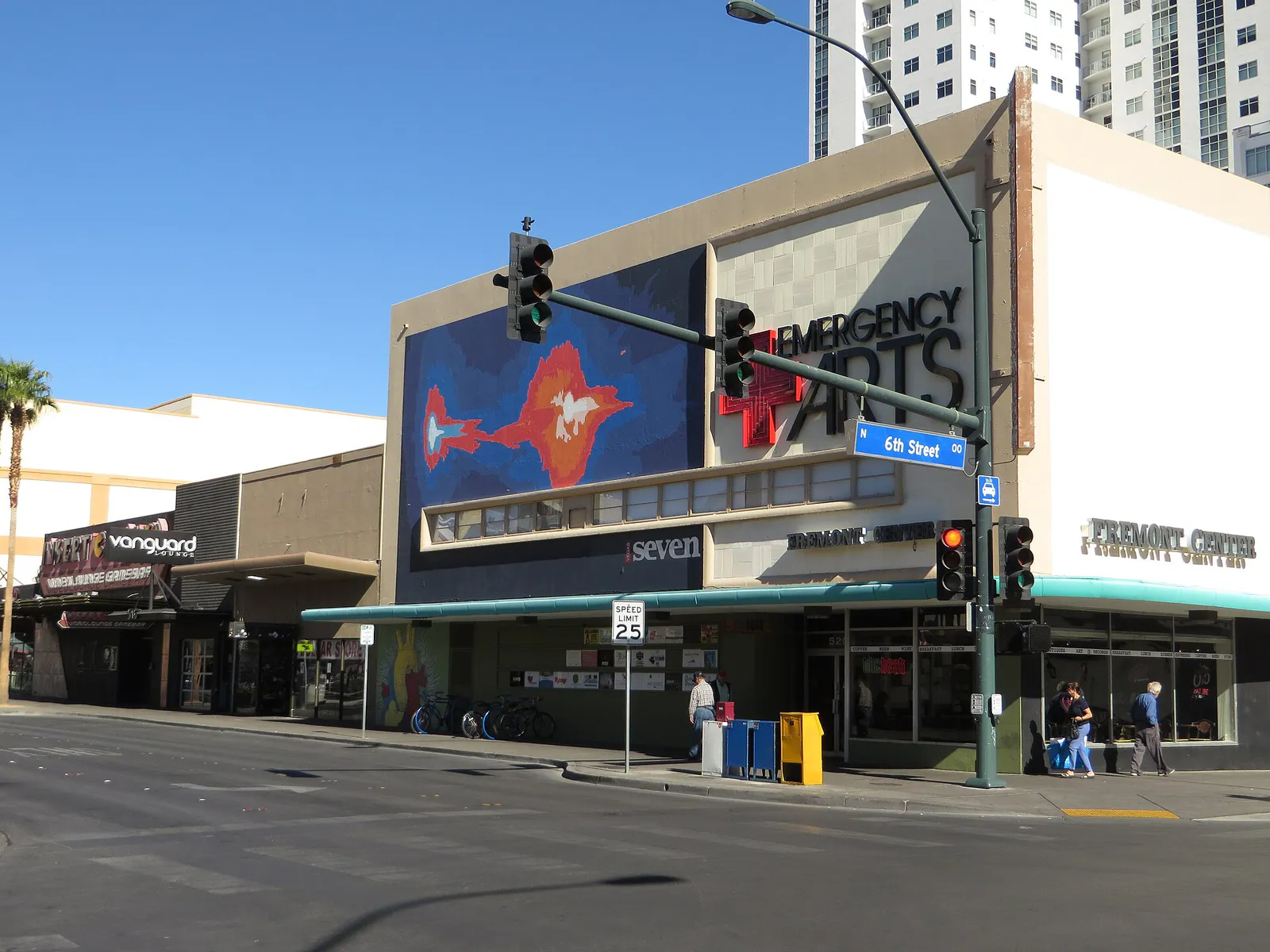
The local decision problem
How to navigate Las Vegas effectively by choosing the right district, timing, and transit mode across casino, urban, and desert environments.
That is where Adventria comes in. Adventria helps narrow the options in Las Vegas around practical factors like location, distance, budget, vibe, who you are with, and the kind of experience you actually want, so research can turn into a decision.
Let Adventria narrow the optionsPick the right part of town
Different parts of Las Vegas work for different kinds of plans. Start with the experience you want, then narrow the map.
Best for
First-time visitors, mega-resort spectacles, fine dining, and major production shows.
Best for
Vintage casino vibes, budget-friendly gaming, and historic urban exploring.
Best for
Local craft beer, indie dining, vintage clothing, and casual dates.
Best for
Late-night Asian cuisine, authentic regional dining, and speakeasy lounges.
Best for
Walkable nightlife, craft cocktail bars, live music, and open-air retail.
Best for
Outdoor recreation, master-planned suburban dining, and family outings.
This is a quick starting point. The full guide covers 8 local neighborhoods and districts in Las Vegas.
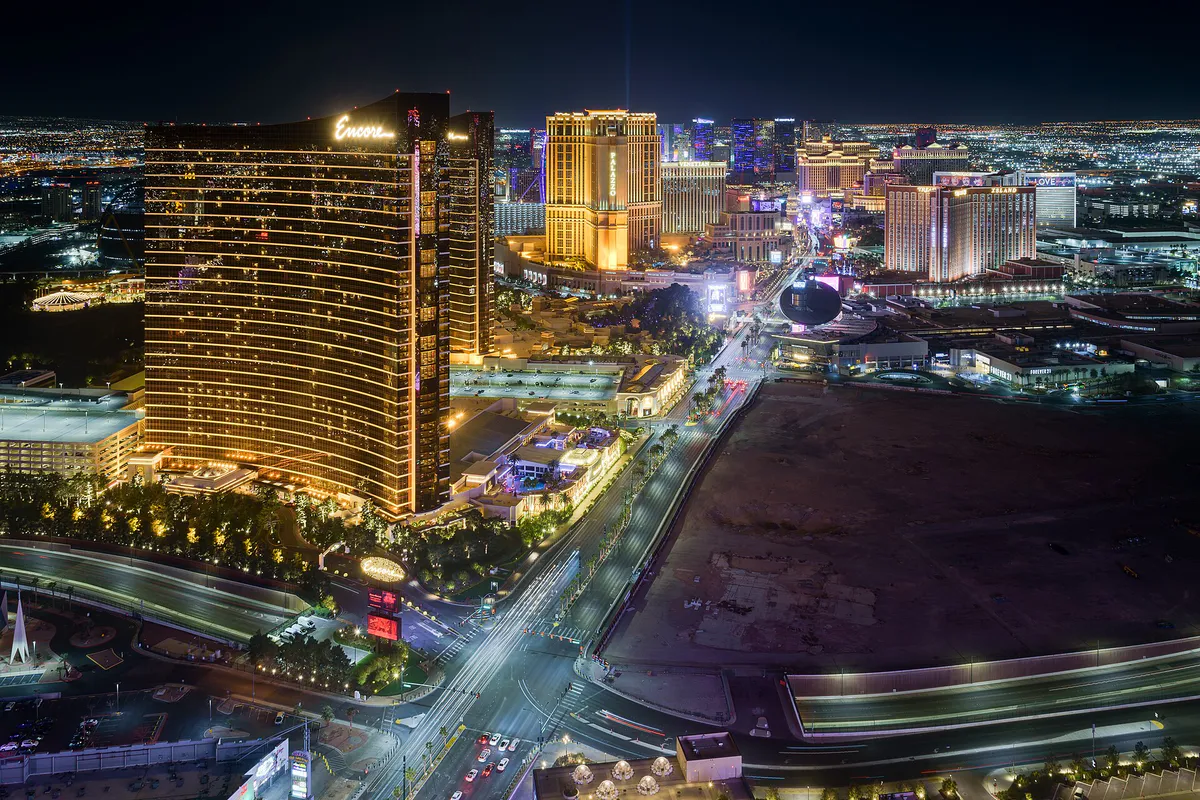
Eat & drink
When the decision is less about what to do and more about where to eat or grab a drink, start here. These local cues narrow the food and drink decision without turning dinner or a night out into another hour of comparison.
Avoid high-end Strip resort restaurants that book out weeks ahead. Head to the Spring Mountain Chinatown corridor, where dozens of izakayas, noodle shops, and Korean BBQ venues utilize swift digital waitlists or walk-in seating up to 2:00 AM. Alternatively, explore the Arts District along Main Street for casual microbrewery kitchens and artisanal sandwich spots, or visit Downtown Container Park for quick counter-service options.
Skip megaclub velvet lines and dress code restrictions by visiting Fremont East or the Arts District. Fremont East features dense block-to-block lounge hopping with live indie music and relaxed entry. The Arts District along Main Street offers a laid-back craft beer scene, retro arcade bars, and intimate cocktail lounges like Velveteen Rabbit without resort price hikes.
Still comparing options? Adventria can narrow the choice around budget, distance, vibe, and who you are with.
Decide with AdventriaPlan by situation
Start with the kind of plan you are actually trying to make. These city-specific ideas narrow the choice around who you are with, what you want to spend, the weather, and the kind of outing you want.
Pair an early evening walk through the Arts District's vintage shops with craft cocktails at an underground speakeasy like The Underground inside the Mob Museum's basement. Alternatively, reserve a timed late-night entry tour through the illuminated outdoor Neon Boneyard, followed by late-night small plates along Spring Mountain Road.
Take kids to the 3-story Discovery Children's Museum in Symphony Park, followed by a visit to the nearby Springs Preserve to explore botanical gardens, splash pads, and interactive desert wildlife exhibits. Outdoor options include watching live Triple-A baseball at Las Vegas Ballpark in Summerlin or feeding ducks at Sunset Park near the airport.
While rare, heavy desert rains require staying clear of flash-flood-prone outdoor washes. Spend the day touring indoor cultural institutions like the Atomic Museum, browsing the Nevada State Museum, or exploring the Bellagio Conservatory and Fine Art Gallery under cover.
Explore the outdoor Bellagio Fountain shows and indoor botanical displays, view the flamingos at the Flamingo Wildlife Habitat, browse shipping-container boutiques at Downtown Container Park, and play retro arcade titles for change at the Pinball Hall of Fame.
Las Vegas is uniquely comfortable for solo travelers. Spend an afternoon playing vintage games at the Pinball Hall of Fame near the Welcome Sign, where games cost quarters and no admission fee applies. For meals, take advantage of solo-friendly counter seating along Spring Mountain's ramen bars or sit at the bar in Arts District breweries where locals gather.
Book a large-table Korean BBQ or hot pot experience along Spring Mountain Road, where interactive cooking accommodates large parties easily. For activities, rent private hitting bays at local golf venues, organize an axe-throwing tournament in DTLV, or catch a live show at the Smith Center.
For an outdoor plan from Las Vegas, compare trails, state parks, national parks within trip range, and scenic drives. Options in the current city guide include Floyd Lamb State Park and Old Las Vegas Mormon Fort State Historic Park.
Outdoors nearby
Use these nearby outdoor options when the plan calls for a trail, protected landscape, park, or drive instead of another indoor stop. Proximity here is geographic, not a promise about driving time.
Get out of town
When staying in town is not the answer, these nearby destinations give you a smaller starting set for a day trip, overnight escape, or weekend away.
Destination relationships are screened geographically. Straight-line proximity is not presented as road mileage or estimated travel time.
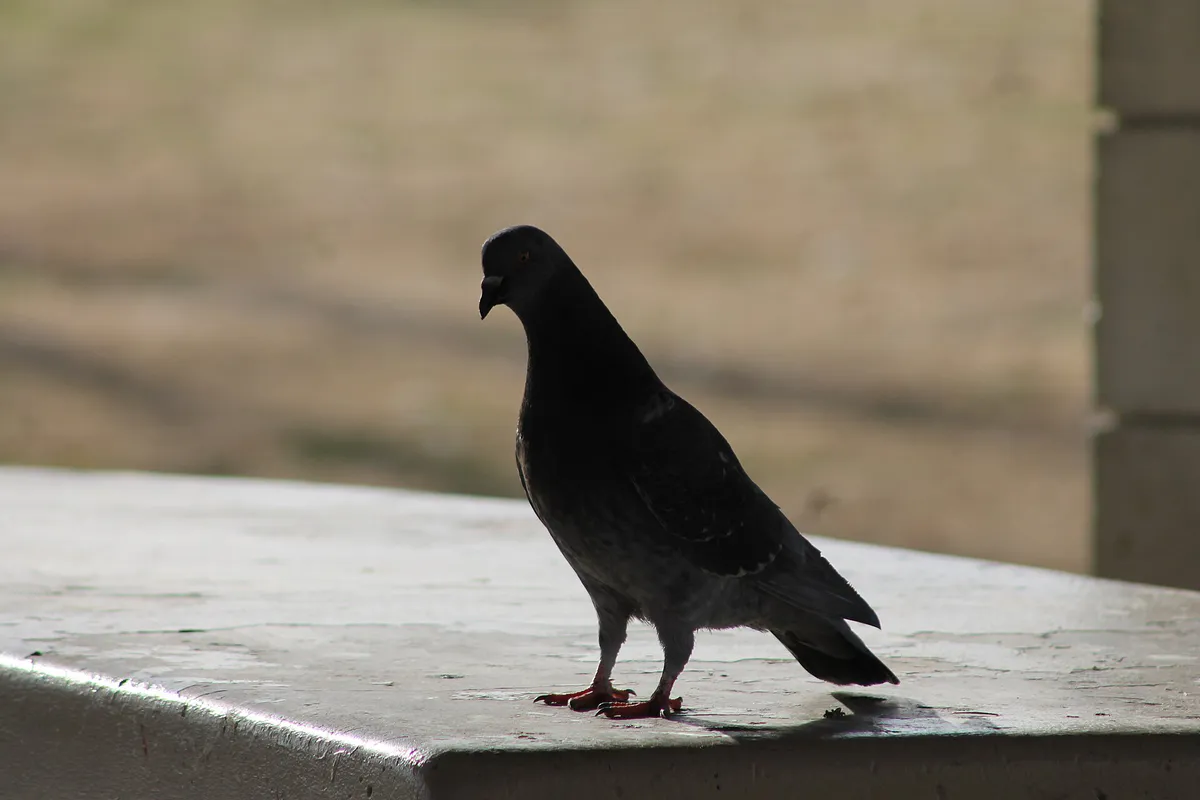
Local landmarks & attractions
These notable destinations offer a starting point when you want something specific to see, visit, or build into a day around Las Vegas. Distances are approximate from the city area.
hotel, casino, and tower located in Las Vegas
music and entertainment arena in Las Vegas, Nevada, United States
approximately 4 mile stretch of Las Vegas Boulevard in Paradise, Winchester, and Las Vegas in Nevada, United States, with many resorts, shows, and casinos
ferris wheel in Las Vegas, Nevada
multi-purpose arena on the Las Vegas Strip
art museum in Las Vegas, Nevada
aquarium in Nevada, United States
casino hotel in Paradise, Nevada
Notable places are selected from structured public destination data and ranked for relevance, prominence, proximity, and variety.
Local decision signals
A useful local recommendation depends on how the city actually works. These conditions affect where to go, what to do, and whether a plan makes sense right now.
Resorts on Las Vegas Boulevard appear adjacent mapwise, but walking between two neighboring towers typically requires 0.5 to 1 mile through indoor corridors, gaming floors, and elevated street skywalks.
From June through September, afternoon highs consistently breach 105°F to 115°F. Direct sun exposure makes urban walking hazardous between 11:00 AM and 6:00 PM unless elevated to Mount Charleston.
Nevada gaming statutes strictly ban minors under 21 from stopping or standing anywhere on active casino floors, restricting family foot traffic to designated perimeter walkways.
Driving the 13-mile scenic loop at Red Rock Canyon National Conservation Area mandates an advance timed reservation reservation from October 1 through May 31.
Valley-wide room rates, restaurant wait times, and rideshare surge pricing spike sharply during major events like CES or Formula 1, shifting value to off-Strip nodes.
Most mega-resorts charge compulsory daily resort fees alongside tiered parking rates, though valid Nevada driver's licenses unlock complimentary self-parking windows at select properties.
Localized summer monsoons send violent storm runoff into low-lying intersections and garage ramps within minutes; standing water on roadways should never be driven through.
Neighborhood context
Neighborhoods are not interchangeable. Each area offers a different balance of atmosphere, transportation, food, nightlife, activities, and planning friction.
Best for: First-time visitors, mega-resort spectacles, fine dining, and major production shows.
The world-famous 4.2-mile corridor of Las Vegas Boulevard. Packed with iconic resort towers, celebrity chef establishments, expansive casinos, and high-energy nightclubs.
Best for: Vintage casino vibes, budget-friendly gaming, and historic urban exploring.
The city's original urban core anchored by the Fremont Street Experience LED canopy. Offers legacy gambling halls, lower table minimums, and continuous street entertainment.
Best for: Local craft beer, indie dining, vintage clothing, and casual dates.
An 18-block bohemian hub centered around Main Street and Charleston Boulevard. Converted warehouses house microbreweries, art studios, and relaxed cocktail lounges.
Best for: Late-night Asian cuisine, authentic regional dining, and speakeasy lounges.
Stretching west along Spring Mountain Road across I-15. Features over 150 Asian dining establishments offering Japanese izakayas, Korean BBQ, Dim Sum, and tiki bars.
Best for: Walkable nightlife, craft cocktail bars, live music, and open-air retail.
Extending east of the covered Fremont Street mall. Highly walkable strip with local bars, retro speakeasies, indie venues, and Downtown Container Park.
Best for: Outdoor recreation, master-planned suburban dining, and family outings.
Located on the far western valley rim against Red Rock Canyon. Features Downtown Summerlin's open-air shops, Las Vegas Ballpark, and suburban park networks.
Best for: Suburban escapes, craft beer spots, Lake Mead access, and family days.
Nevada's second-largest city occupying the southeast valley. Encompasses Green Valley, Lake Las Vegas, and the historic Water Street district.
Best for: Modern mixed-use developments, stadium events, and neighborhood eats.
A booming southwest district housing Allegiant Stadium off I-15, along with modern commercial communities like UnCommons featuring top-tier casual dining.
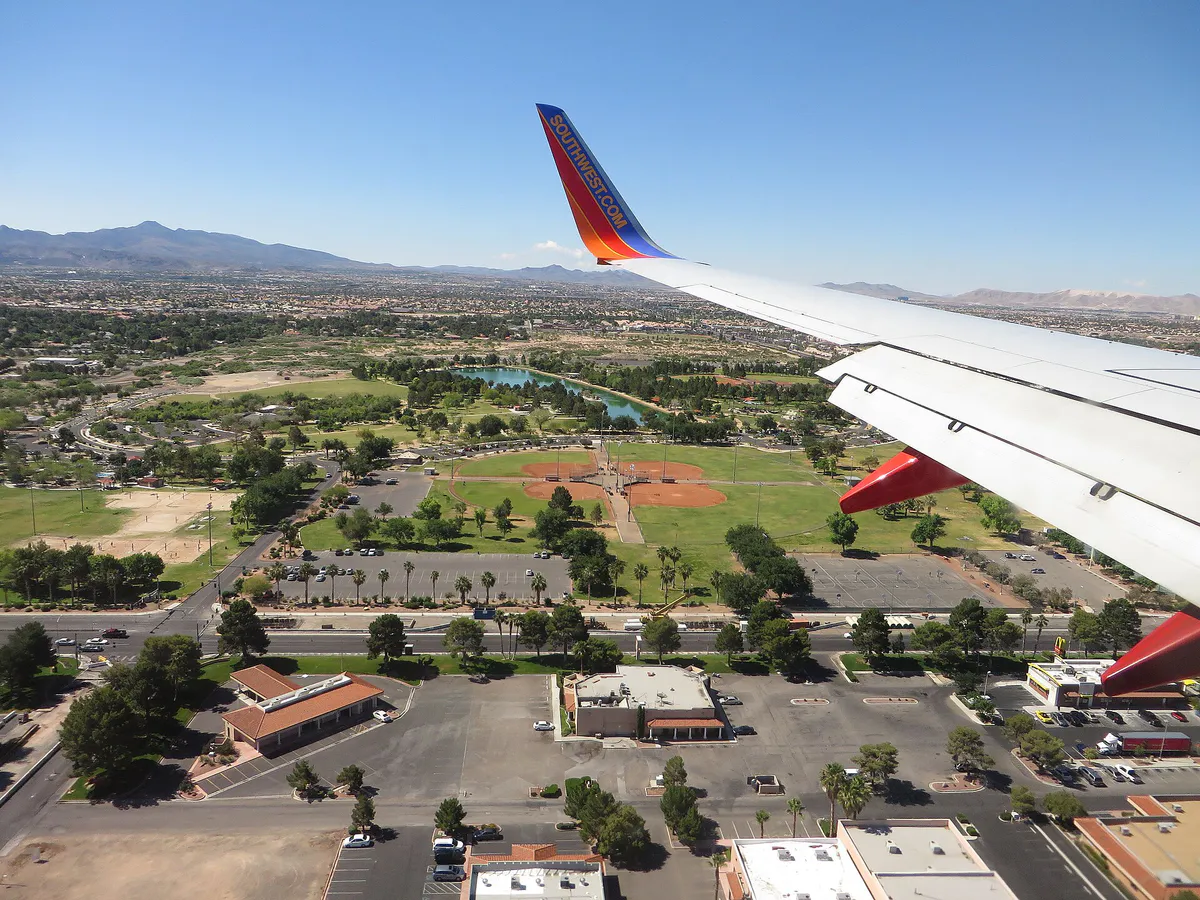
Explore your options
Match your outing style to the correct geographic node to minimize travel friction and avoid unexpected costs.
The valley's creative core, ideal for relaxed afternoons and casual evenings.
The premier culinary strip for locals and informed visitors.
Historic gaming mixed with high-density nightlife.
Suburban refinement and immediate access to sandstone wilderness.
Practical local guidance
Keep these operational realities in mind to avoid unnecessary fees, legal complications, and heat issues.
A simpler way to decide
Follow this step-by-step sequence to navigate reservations, timing, and trail selection at Red Rock Canyon.
Check whether your visit falls between October 1 and May 31. If so, a timed entry reservation is mandatory for vehicle entry to the scenic drive between 8:00 AM and 5:00 PM.
Access Recreation.gov to select your entry time slot. Secure your reservation days or weeks in advance during peak spring and autumn weekends.
Plan to pass through the entry gate early in your timed window to beat both desert heat and midday parking congestion at popular trailheads.
Bring at least one gallon of water per person, proper trail footwear, and sun protection. Cell phone reception drops significantly inside the canyon.
Drive the paved loop, pulling over at designated parking areas for Calico Tanks, Ice Box Canyon, or High Point Overlook. Drive slowly and yield to cyclists.
After completing the loop, head 10 minutes east into Downtown Summerlin or Chinatown along Spring Mountain Road for a post-hike meal.
Common local questions
These are common situations people face when trying to decide where to eat, what to do, where to get drinks, or how to spend their time in Las Vegas.
Las Vegas planning questions
Practical answers for people deciding where to eat, what to do, where to go, or how to make plans in Las Vegas.
Walking is feasible between adjacent resorts within small clusters (such as Bellagio to Cosmopolitan or LINQ to Harrah's), but walking the full length of the Strip is tiring and time-consuming. Distances are deceptive, and pedestrian skywalks require extra walking time.
Nevada residents presenting a valid Nevada driver's license at garage exit gates receive 3 hours of complimentary self-parking at most MGM Resorts and Caesars Entertainment properties. Other independent resorts like SAHARA and Treasure Island offer free self-parking to all visitors.
If you plan to remain within DTLV, the Arts District, and the Strip, a rental car is unnecessary. You can utilize the RTC Deuce bus, rideshares, or the RTC Bike Share system. A car is only needed for outdoor trips to Red Rock Canyon, Mount Charleston, or Lake Mead.
Top family options include the Discovery Children's Museum, Springs Preserve, the Pinball Hall of Fame, Shark Reef Aquarium at Mandalay Bay, Las Vegas Ballpark minor-league games, and scenic day trips to Mount Charleston.
Head to Mount Charleston in the Spring Mountains, located 45 minutes northwest of the city. Elevations over 8,000 feet keep temperatures roughly 20°F to 30°F cooler than the valley floor. Indoor destinations like Area15 or Springs Preserve museums also offer climate-controlled escapes.
Timed entry permits are required for vehicle access to the 13-mile Scenic Drive between October 1 and May 31 for entry times from 8:00 AM to 5:00 PM. Reservations must be booked online via Recreation.gov.
The Las Vegas Monorail operates on an elevated track along the east side of the Strip from MGM Grand to SAHARA, bypassing road traffic entirely. The RTC Deuce bus runs directly on Las Vegas Boulevard from South Strip to Downtown, making it slower due to traffic but useful for direct street stops.
The Spring Mountain Corridor (Chinatown) is the premier destination for late-night food, featuring izakayas, Korean BBQ, noodle shops, and dim sum open until 2:00 AM or later.
High-end Strip steakhouses and nightclubs strictly enforce smart casual or upscale dress codes (no athletic wear, jerseys, baggy apparel, or open-toed shoes for men). Conversely, venues in the Arts District, Fremont East, and Chinatown welcome casual attire.
Source transparency
Official and locally relevant sources used to verify the practical information presented in this Las Vegas decision guide.
Las Vegas decision engine
Tell Adventria what kind of experience you want, set your practical limits, and turn the options in Las Vegas into one workable plan.
Choose a Las Vegas Plan