Downtown (The Golden Triangle & Cultural District)
Best for
Theater performances, pre-show dining, and seamless light rail connections
 AdventriaLocalOpen App
Adventria Pittsburgh Decision Engine
Trying to decide what to do in Pittsburgh? Adventria helps you cut through the options and choose a good-enough plan without endless scrolling. Pittsburgh's 446 bridges, steep bluffs, and distinct river-valley neighborhoods make moving through the city unique. Use this guide to solve real-world choices across dining, public transit, game day logistics, and cultural events.
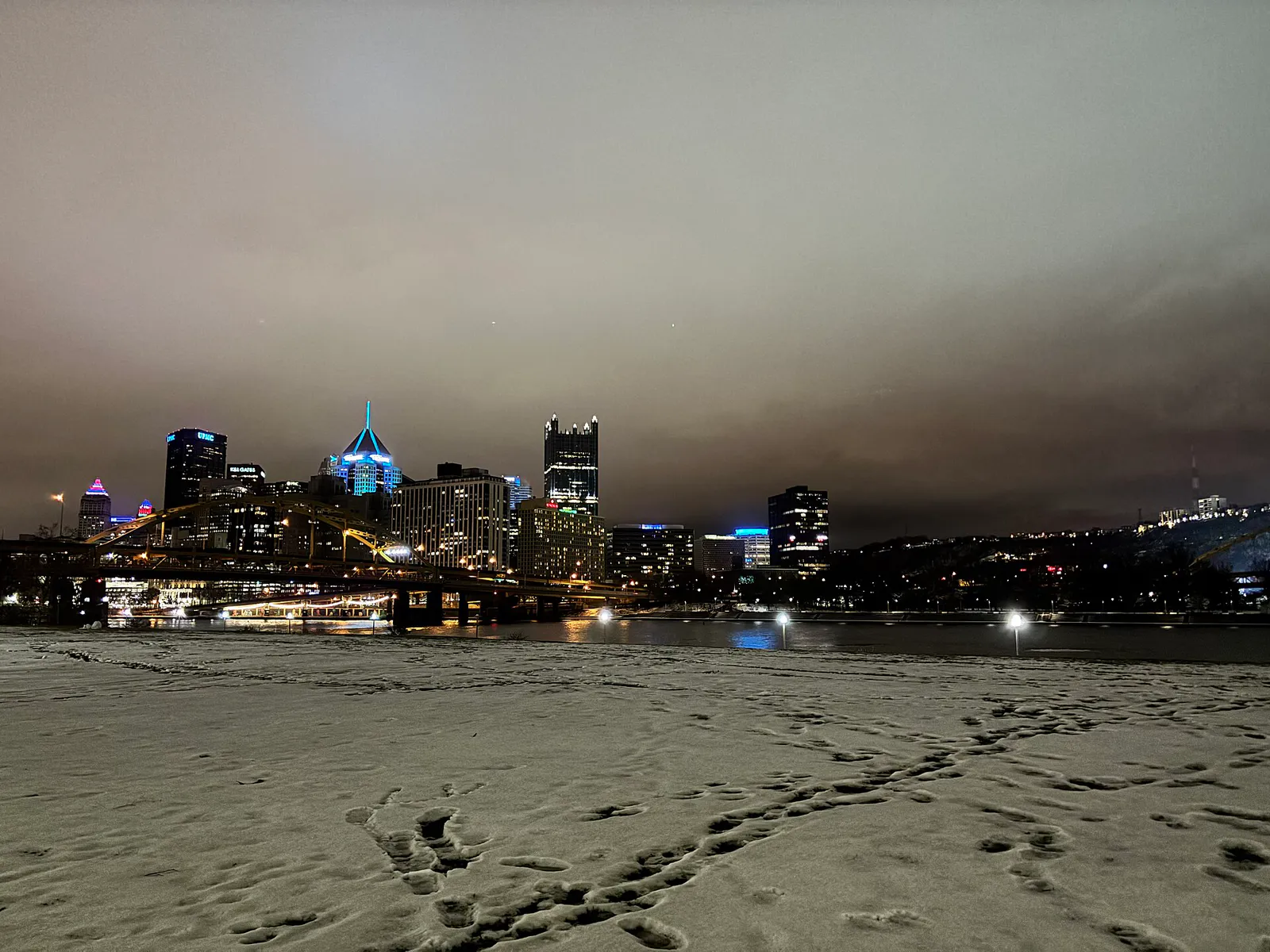
The local decision problem
How to navigate Pittsburgh's three-river topography, steep hillside bluffs, bridge bottlenecks, and distinct micro-neighborhoods to seamlessly plan dining, cultural outings, and event transit.
That is where Adventria comes in. Adventria helps narrow the options in Pittsburgh around practical factors like location, distance, budget, vibe, who you are with, and the kind of experience you actually want, so research can turn into a decision.
Let Adventria narrow the optionsPick the right part of town
Different parts of Pittsburgh work for different kinds of plans. Start with the experience you want, then narrow the map.
Best for
Theater performances, pre-show dining, and seamless light rail connections
Best for
Craft breweries, boutique shopping, modern dining, and cocktail lounges
Best for
Morning food shopping, specialty Italian grocers, and local merchandise
Best for
World-class Carnegie museums, university architecture, and botanical gardens
Best for
Continuous pub corridors, live music, late-night dining, and city stair hikes
Best for
Blufftop skyline vistas, incline rides, and romantic dinner settings
This is a quick starting point. The full guide covers 8 local neighborhoods and districts in Pittsburgh.
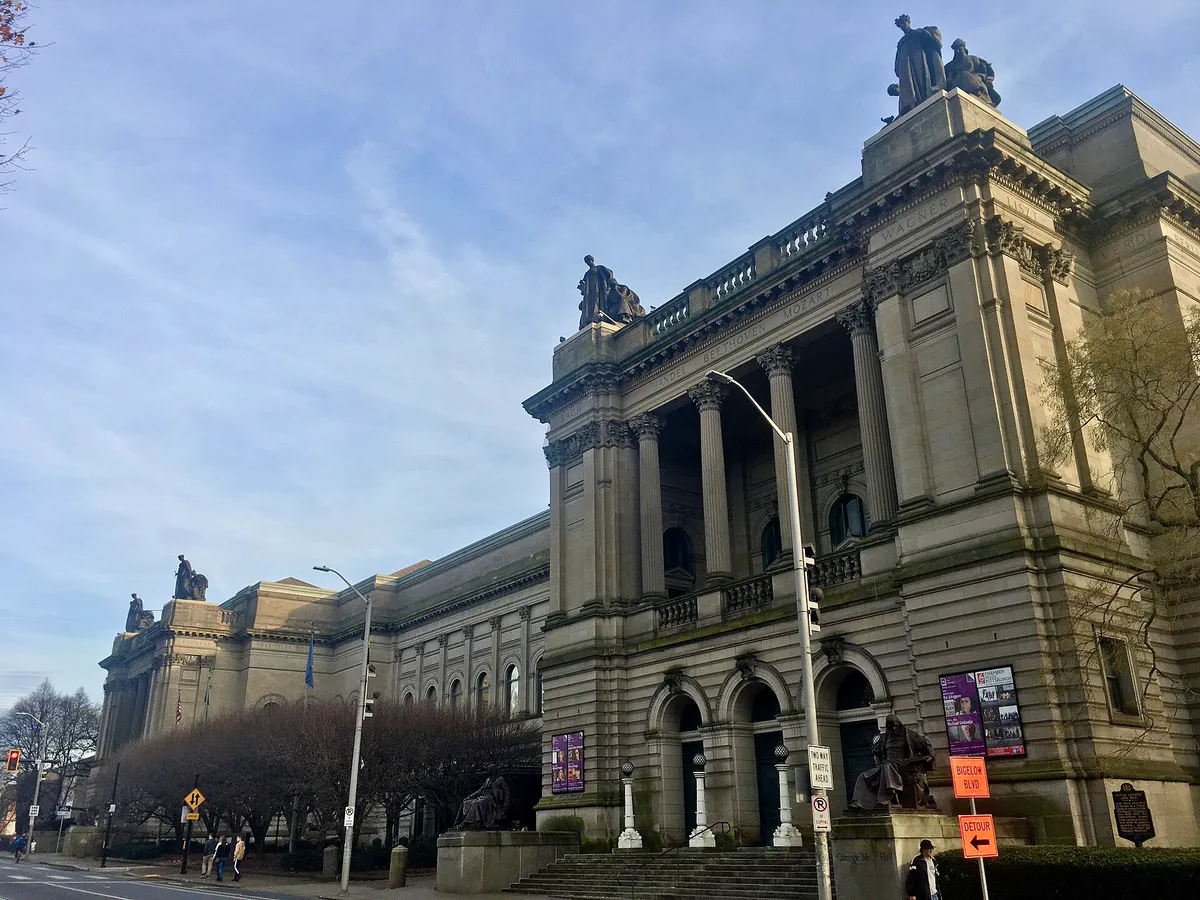
Eat & drink
When the decision is less about what to do and more about where to eat or grab a drink, start here. These local cues narrow the food and drink decision without turning dinner or a night out into another hour of comparison.
Head to the Strip District morning markets along Penn Avenue. Skip generic chain counters and grab a classic stacked sandwich at the original Primanti Bros. on 18th Street, or pick up fresh pierogies from local specialty markets. In Bloomfield along Liberty Avenue, explore family-owned red-sauce Italian spots, or visit classic Polish delis in the East End.
Start with cocktail hour or pre-theater dining along Penn or Liberty avenues, then catch a show at Heinz Hall, Benedum Center, or O'Reilly Theater. For informal nightlife, cross over to Market Square for outdoor patio dining, or catch live jazz at Con Alma.
Still comparing options? Adventria can narrow the choice around budget, distance, vibe, and who you are with.
Decide with AdventriaPlan by situation
Start with the kind of plan you are actually trying to make. These city-specific ideas narrow the choice around who you are with, what you want to spend, the weather, and the kind of outing you want.
Ride the historic Duquesne Incline from West Carson Street up to Mount Washington at sunset, then walk along Grandview Avenue to overlook restaurants like Altius or Monterey Bay Fish Grotto. For a intimate, walkable date, book dinner in Lawrenceville along Butler Street followed by drinks at a craft cocktail lounge.
Head to the North Side cluster: visit the Children's Museum of Pittsburgh and the National Aviary inside Allegheny Commons Park. Take advantage of the Heinz History Center in the Strip District where admission for youth 17 and under is completely free year-round via the Kamin initiative.
Spend the day indoors at Oakland's Carnegie Museums of Art & Natural History, which share a massive combined building under one ticket. You can also explore six climate-controlled floors of Western Pennsylvania history at the Heinz History Center or stay warm inside the Victorian glasshouses of Phipps Conservatory.
Walk Point State Park and tour the historic Fort Pitt Blockhouse (built in 1764) for free. Explore the 31 international Nationality Rooms inside Pitt's Cathedral of Learning, stroll through Randyland's public art courtyard, or hike the South Side Slopes city steps.
Spend hours exploring the expansive Carnegie Museums of Art and Natural History in Oakland on a single ticket, or read inside the grand Carnegie Library Main Branch. Rent a POGOH e-bike to cruise the 33-mile Three Rivers Heritage Trail, or tour the 7 floors of The Andy Warhol Museum on the North Shore.
Gather a group in the Strip District for a self-guided food market stroll, or set up a picnic on the Great Lawn at North Shore Riverfront Park. Walk-in entry is easy at large venues like the Heinz History Center or the Carnegie Museums complex in Oakland.
For an outdoor plan from Pittsburgh, compare trails, state parks, national parks within trip range, and scenic drives. Options in the current city guide include Point State Park and Allegheny Islands State Park.
Outdoors nearby
Use these nearby outdoor options when the plan calls for a trail, protected landscape, park, or drive instead of another indoor stop. Proximity here is geographic, not a promise about driving time.
Get out of town
When staying in town is not the answer, these nearby destinations give you a smaller starting set for a day trip, overnight escape, or weekend away.
Destination relationships are screened geographically. Straight-line proximity is not presented as road mileage or estimated travel time.
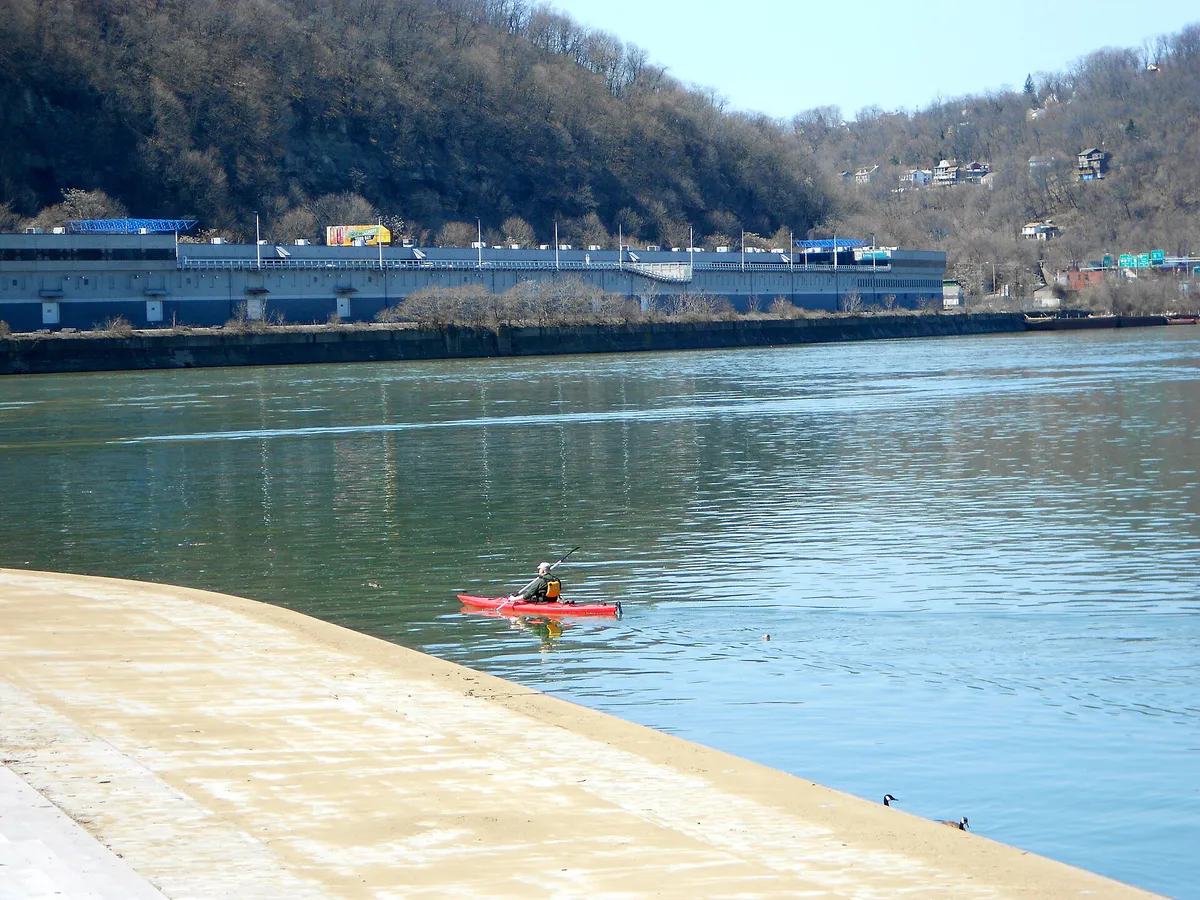
Local landmarks & attractions
These notable destinations offer a starting point when you want something specific to see, visit, or build into a day around Pittsburgh. Distances are approximate from the city area.
natural history museum in Pittsburgh, Pennsylvania, United States
non-profit organization in the USA
American football stadium that is home to the Pittsburgh Steelers and Pittsburgh Panthers
museum in Pittsburgh, Pennsylvania
Notable places are selected from structured public destination data and ranked for relevance, prominence, proximity, and variety.
Local decision signals
A useful local recommendation depends on how the city actually works. These conditions affect where to go, what to do, and whether a plan makes sense right now.
Point State Park marks where the Allegheny and Monongahela rivers join to form the Ohio River, defining the Golden Triangle.
Pittsburgh contains more bridges than Venice, Italy. River crossings funnel traffic into key bridge chokepoints.
Light rail ('The T') rides are 100% free between six stations spanning Downtown and the North Shore.
Two cable-powered funiculars climb Mount Washington: the yellow Monongahela Incline and the historic red Duquesne Incline.
An unwritten local driving custom where oncoming traffic yields to let the first left-turning vehicle clear an intersection at a green light.
Over 700 public staircases built into steep hillsides serve as official, legal public pedestrian rights-of-way.
North Shore game days close the Roberto Clemente Bridge to cars and trigger riverboat shuttles across the Monongahela.
Neighborhood context
Neighborhoods are not interchangeable. Each area offers a different balance of atmosphere, transportation, food, nightlife, activities, and planning friction.
Best for: Theater performances, pre-show dining, and seamless light rail connections
The commercial and arts core framed by the Allegheny and Monongahela rivers. Features 14 blocks of venues along Penn and Liberty avenues, historic Market Square, and Point State Park.
Best for: Craft breweries, boutique shopping, modern dining, and cocktail lounges
A high-density, trendy corridor running along Butler Street lined with converted industrial spaces, indie coffee shops, modern farm-to-table dining, and art galleries.
Best for: Morning food shopping, specialty Italian grocers, and local merchandise
A linear market district along Penn and Smallman streets packed with historic specialty food purveyors, wholesale fishmongers, industrial coffee roasters, and Steelers gear stalls.
Best for: World-class Carnegie museums, university architecture, and botanical gardens
The city's academic and medical epicenter, home to the University of Pittsburgh's 42-story Cathedral of Learning, Carnegie Mellon University, Carnegie Museums, and Phipps Conservatory.
Best for: Continuous pub corridors, live music, late-night dining, and city stair hikes
The Flats feature a historic commercial stretch along East Carson Street packed with bars and venues. The Slopes rise steeply behind, linked by narrow roads and city steps.
Best for: Blufftop skyline vistas, incline rides, and romantic dinner settings
Promontory bluffs perched high above Downtown. Grandview Avenue offers famous overlook platforms, fine dining spots, and upper terminals for the Mon and Duquesne inclines.
Best for: Stadium sports events, outdoor concert venues, and riverfront trails
The waterfront entertainment corridor housing PNC Park, Acrisure Stadium, Stage AE, and the Kamin Science Center, connected directly to Downtown via light rail and riverwalk bridges.
Best for: Historic Victorian architecture, immersive art exhibits, and bird sanctuaries
Historic residential enclaves featuring 19th-century brick rowhouses, the Mattress Factory art museum, Randyland, National Aviary, and pub dining along East Ohio Street.
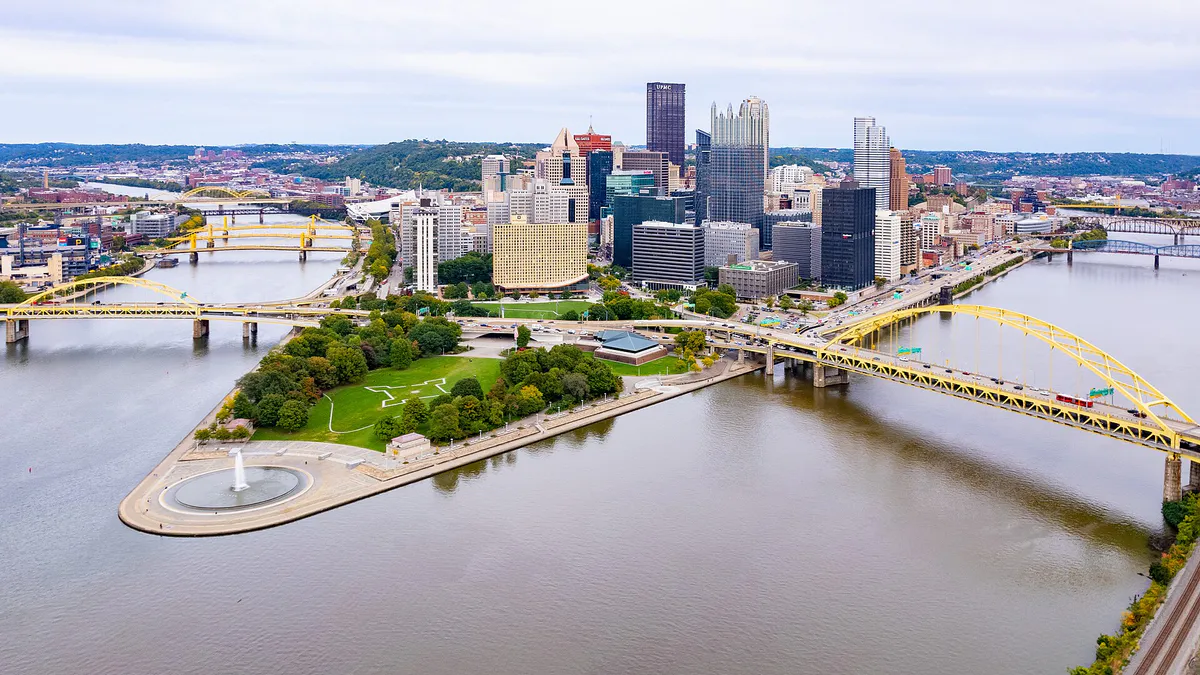
Pittsburgh local guide
Pittsburgh's urban footprint is carved by three major waterways: the Allegheny River flowing from the north and the Monongahela River flowing from the south meet at Point State Park to form the Ohio River. Because these rivers slice through high shale bluffs, the city relies on 446 bridges and major hillside tunnels to connect its 90 recognized neighborhoods. Travel friction in Pittsburgh rarely comes from sheer mile distance; instead, it is dictated by bridge chokepoints, tunnel bottlenecks, and sudden topographically enforced detours.
When planning daily movement, drivers must account for major commuter bottlenecks like the Fort Pitt Tunnel under Mount Washington, the Squirrel Hill Tunnel along I-376, and the Liberty Tunnels connecting the South Hills to Downtown. Downtown itself operates on two competing 18th-century street grids aligned to opposing riverbanks. These grids collide abruptly along Liberty Avenue, creating 90-degree street jogs where numbered streets along the Allegheny riverfront instantly turn into numbered avenues along the Monongahela.
Pedestrian and transit movement requires navigating steep elevations. The city maintains over 700 official public staircases ('City Steps') built directly into hillsides to connect hilltop residents with valley transit stops. Understanding which river quadrant your destination sits in—East End, North Side, South Side, or Downtown—is essential for picking the right bridge crossing and avoiding costly transit delays.
Practical local guidance
Keep these key local decision variables in mind when navigating events, driving, and weather conditions across Allegheny County.
A simpler way to decide
Follow this logically sequenced itinerary to experience top districts without doubling back over river bridges.
Start early along Penn Avenue in the Strip District. Grab coffee and walk past specialty market stalls at Pennsylvania Macaroni Co. and Mancini's Bread to sample local delicacies.
Take a short drive or bus ride east into Oakland. Explore the combined Carnegie Museums of Art and Natural History on a single ticket, then admire the grand Cathedral of Learning.
Head west to the North Shore. Walk the Three Rivers Heritage Trail along the river, tour the Andy Warhol Museum, or cool off by the riverfront Water Steps.
Park on West Carson Street and take the red Duquesne Incline car up Mount Washington to photograph the Golden Triangle skyline as the city lights turn on.
Finish your day along Butler Street in Lawrenceville. Enjoy dinner at a modern bistro, followed by craft beers or cocktails at an industrial taproom.
Common local questions
These are common situations people face when trying to decide where to eat, what to do, where to get drinks, or how to spend their time in Pittsburgh.
Pittsburgh planning questions
Practical answers for people deciding where to eat, what to do, where to go, or how to make plans in Pittsburgh.
Rides on 'The T' light rail are completely free between six core stations: First Avenue, Steel Plaza, Wood Street, and Gateway in Downtown, plus North Side and Allegheny stations on the North Shore. No ticket or pass is required when boarding and exiting within this zone.
The Monongahela Incline (painted yellow) connects Station Square to Grandview Avenue near the East Carson Street corridor and accepts PRT passes, mobile apps, and credit cards. The Duquesne Incline (painted red) is located further west on Carson Street, offers historic wooden cars with a museum display at the top, and is operated by a preservation non-profit.
The 'Pittsburgh Left' is an informal local custom where oncoming traffic at a green light yields to allow the first left-turning vehicle to clear the intersection. While widely practiced, it is not a legal right-of-way law. Exercise caution, wait for explicit driver signaling, and yield when uncertain.
Park in a Downtown garage (like First Avenue) or Station Square lot, then ride the free light rail T-line directly to North Side Station. Alternatively, ride the Gateway Clipper river shuttle boat across the river for a panoramic water approach.
Yes, through the Kamin 'Free for Kids' initiative, youth ages 17 and under receive completely free admission to the Senator John Heinz History Center year-round. Children age 5 and under also ride free on Pittsburgh Regional Transit.
Pittsburgh's winter weather brings freeze-thaw cycles that create icy patches on steep hillside streets. Avoid driving up narrow brick or cobblestone roads in hillside neighborhoods like South Side Slopes during active snow events, sticking instead to major flat valley corridors like Penn and Butler streets.
Pittsburgh's 700+ city step staircases function as legal public pedestrian rights-of-way maintained by the city. They connect hillside residents directly to lower transit stops and river valleys, making them popular for urban fitness hikes.
Phipps Conservatory strongly encourages advance timed tickets online, especially during peak weekend hours and seasonal flower shows. Carnegie Museums of Art and Natural History routinely accommodate drop-in walk-up visitors at their admissions desk.
The RAD Pass is a community program funded by the Allegheny Regional Asset District that allows Allegheny County Library cardholders to reserve free advance admission passes to institutions like the Carnegie Museums, Heinz History Center, and Mattress Factory.
Source transparency
Official and locally relevant sources used to verify the practical information presented in this Pittsburgh decision guide.
Pittsburgh decision engine
Tell Adventria what kind of experience you want, set your practical limits, and turn the options in Pittsburgh into one workable plan.
Choose a Pittsburgh Plan