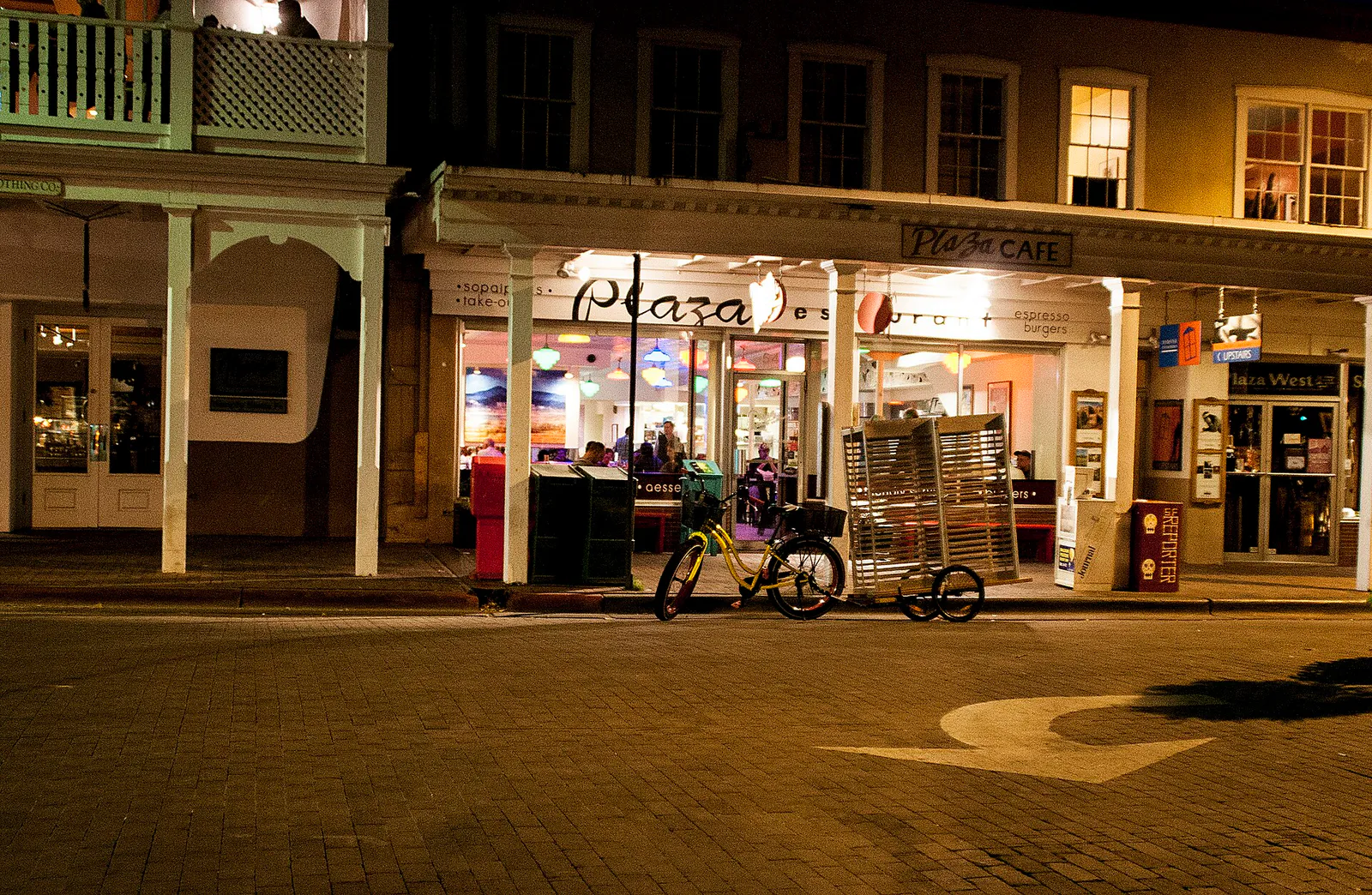
Santa Fe Plaza / Downtown Historic District
Best for
Historic landmarks, central artisan markets, traditional New Mexican architecture, and walkable museum hopping.
 AdventriaLocalOpen App
Santa Fe Local Decision Guide
Trying to decide what to do in Santa Fe? Adventria helps you cut through the options and choose a good-enough plan without endless scrolling. Whether you are adjusting to 7,200-foot elevation, navigating early restaurant kitchen closures, or balancing foothill hikes with gallery browsing, this guide provides clear local trade-offs for planning your days and nights in Santa Fe.
The local decision problem
Navigating high elevation, early kitchen closures, monsoon timing, and booking requirements across Santa Fe's historic and arts districts.
That is where Adventria comes in. Adventria helps narrow the options in Santa Fe around practical factors like location, distance, budget, vibe, who you are with, and the kind of experience you actually want, so research can turn into a decision.
Let Adventria narrow the optionsPick the right part of town
Different parts of Santa Fe work for different kinds of plans. Start with the experience you want, then narrow the map.
Best for
Historic landmarks, central artisan markets, traditional New Mexican architecture, and walkable museum hopping.
Best for
Pedestrian art gallery walks, sculpture gardens, and romantic fine dining in converted historic adobes.
Best for
Contemporary art, farmers markets, craft breweries, cinema, and commuter transit connections.
Best for
In-depth cultural museum visits, Indigenous art history, and botanical gardens set against foothill views.
Best for
Local craft breweries, maker spaces, coffee houses, and non-touristy community creative hubs.
Best for
Immersive entertainment, practical retail services, local regional eateries, and expansive municipal parks.
This is a quick starting point. The full guide covers 8 local neighborhoods and districts in Santa Fe.
Eat & drink
When the decision is less about what to do and more about where to eat or grab a drink, start here. These local cues narrow the food and drink decision without turning dinner or a night out into another hour of comparison.
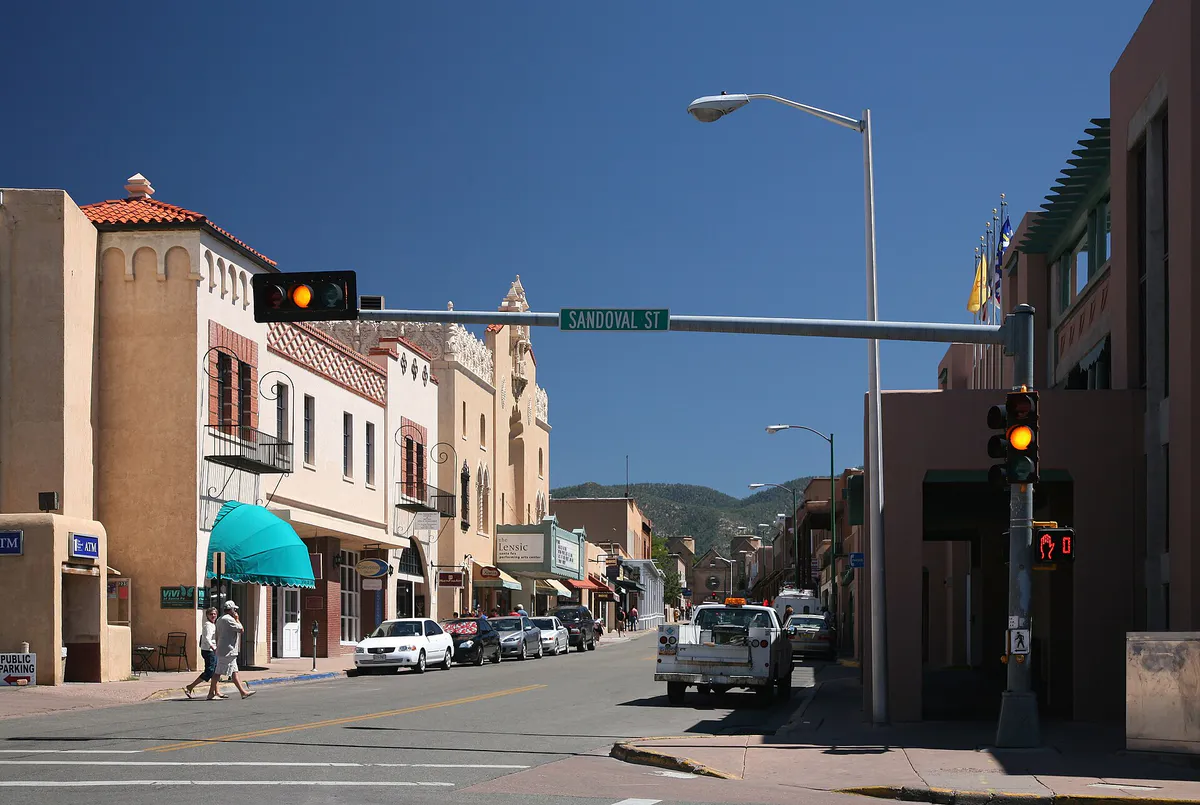
With most sit-down restaurant kitchens closing between 8:00 PM and 9:00 PM, late arrivals should target saloon establishments like Del Charro, which serves green chile cheeseburgers and casual meals until midnight. For unscheduled daytime dining, try Plaza or Railyard cafes like Tune-Up Cafe or Cafecito, or grab walk-up burritos at the Santa Fe Farmers' Market on weekend mornings.
Begin early with sunset drinks at Coyote Cantina or a downtown rooftop venue before restaurant kitchens close at 8:30 PM. Afterward, collect stamps on the Santa Fe Margarita Trail, catch a live show at the Lensic Performing Arts Center, or head to Boxcar or Del Charro for late-night music and casual lounge drinks.
Still comparing options? Adventria can narrow the choice around budget, distance, vibe, and who you are with.
Decide with AdventriaPlan by situation
Start with the kind of plan you are actually trying to make. These city-specific ideas narrow the choice around who you are with, what you want to spend, the weather, and the kind of outing you want.
For an outdoor plan from Santa Fe, compare trails, state parks, national parks within trip range, and scenic drives. Options in the current city guide include Hyde Memorial State Park and Morphy Lake State Park.
When afternoon monsoon thunderstorms hit between 1:00 PM and 4:00 PM in July and August, move indoors to Meow Wolf on Cerrillos Road, spend hours inside the state museums on Museum Hill, browse art at the IAIA Museum of Contemporary Native Arts, or read at Garcia Street Books.
Book a private outdoor hot tub soak framed by pine trees at Ten Thousand Waves spa in the foothills, followed by dinner along Canyon Road at Geronimo. During summer opera season, prepare a custom tailgate picnic with charcuterie and wine to enjoy in the Santa Fe Opera parking lot three hours before showtime while watching the sunset over the Jemez Mountains.
Reserve timed tickets for Meow Wolf’s House of Eternal Return on Cerrillos Road, where kids can explore interactive secret passages and immersive art spaces. Follow up with outdoor play at Railyard Park playground, a stroll along the Santa Fe River Greenway, or a visit to SWAN Park on the Southside.
Ride the free Santa Fe Pickup shuttle loop connecting the Plaza, historic sites, and the Railyard District. Hike the Dale Ball Trails network at no cost, walk the public sculpture paths in Railyard Park, browse open galleries on Canyon Road, and check state museum schedules for free Friday evening admission windows.
Santa Fe is exceptionally friendly to solo travelers. Spend a morning touring the Georgia O'Keeffe Museum downtown, buy a coffee at a Midtown cafe, and dedicate the afternoon to self-guided gallery hopping along Canyon Road. The Dale Ball Trails also offer safe, clearly marked foothill paths for solo trail runners and hikers.
Organize a group tailgate at the Santa Fe Opera upper parking lot, where groups can set up picnic tables prior to summer performances. For daytime outings, reserve group space at local craft breweries in the Midtown/Siler Arts District or arrange a group hike along the lower sections of the Santa Fe Rail Trail.
Outdoors nearby
Use these nearby outdoor options when the plan calls for a trail, protected landscape, park, or drive instead of another indoor stop. Proximity here is geographic, not a promise about driving time.
Get out of town
When staying in town is not the answer, these nearby destinations give you a smaller starting set for a day trip, overnight escape, or weekend away.
Destination relationships are screened geographically. Straight-line proximity is not presented as road mileage or estimated travel time.
Local landmarks & attractions
These notable destinations offer a starting point when you want something specific to see, visit, or build into a day around Santa Fe. Distances are approximate from the city area.
state capitol building of the U.S. state of New Mexico
art museum in Santa Fe, New Mexico
theater and former movie theater in Santa Fe, New Mexico, United States
art museum in New Mexico, USA
military cemetery in Santa Fe, New Mexico, USA
non-profit professional theater based in Santa Fe, New Mexico
plaza in Santa Fe, New Mexico
building in New Mexico, United States
Notable places are selected from structured public destination data and ranked for relevance, prominence, proximity, and variety.
Local decision signals
A useful local recommendation depends on how the city actually works. These conditions affect where to go, what to do, and whether a plan makes sense right now.
Sitting at roughly 7,200 feet with air humidity under 20%, acclimatization takes 24 to 48 hours. Alcohol potency feels significantly higher, and hydration is essential.
Dry high-desert conditions create daily temperature swings exceeding 30°F. Summer days in the mid-80s°F drop rapidly into the 50s°F after sunset.
Santa Fe restaurant kitchens generally close between 8:00 PM and 9:00 PM, making late-night dining rare outside specific saloons and bars.
July and August bring sudden afternoon rainstorms, flash flood potential in arroyos, and rapid temperature drops, requiring morning outdoor schedules.
Downtown and Historic Eastside streets are narrow, winding, and often bounded by adobe walls or unpaved dirt surfaces, complicating large-vehicle navigation.
The official tourism beverage passport caps participant progress at a strict maximum of two stamps per 12-hour window.
The Santa Fe Opera permits elaborate pre-show parking lot picnics starting three hours before showtime in dedicated venue parking areas.
Neighborhood context
Neighborhoods are not interchangeable. Each area offers a different balance of atmosphere, transportation, food, nightlife, activities, and planning friction.
Best for: Historic landmarks, central artisan markets, traditional New Mexican architecture, and walkable museum hopping.
Established in 1610, this historic core features Spanish Pueblo Revival adobe structures, the Palace of the Governors, Cathedral Basilica of St. Francis of Assisi, and street vendors along Palace portal.
Best for: Pedestrian art gallery walks, sculpture gardens, and romantic fine dining in converted historic adobes.
A half-mile district east of the Plaza along the Santa Fe River corridor housing over 100 art galleries, studios, jewelry boutiques, and fine dining.
Best for: Contemporary art, farmers markets, craft breweries, cinema, and commuter transit connections.
A 50-acre revitalized urban district anchored by the Santa Fe Depot, Railyard Park, SITE Santa Fe, and El Museo Cultural.
Best for: In-depth cultural museum visits, Indigenous art history, and botanical gardens set against foothill views.
Located 1.5 miles southeast of downtown, this foothill enclave groups four major museums and the Santa Fe Botanical Garden around a central plaza.
Best for: Local craft breweries, maker spaces, coffee houses, and non-touristy community creative hubs.
A former industrial corridor undergoing artistic conversion, offering local studio spaces, coffee shops, auto shops, and breweries.
Best for: Immersive entertainment, practical retail services, local regional eateries, and expansive municipal parks.
The primary retail engine along Cerrillos Road, home to Meow Wolf, family parks like SWAN Park, regional grocers, and municipal golf.
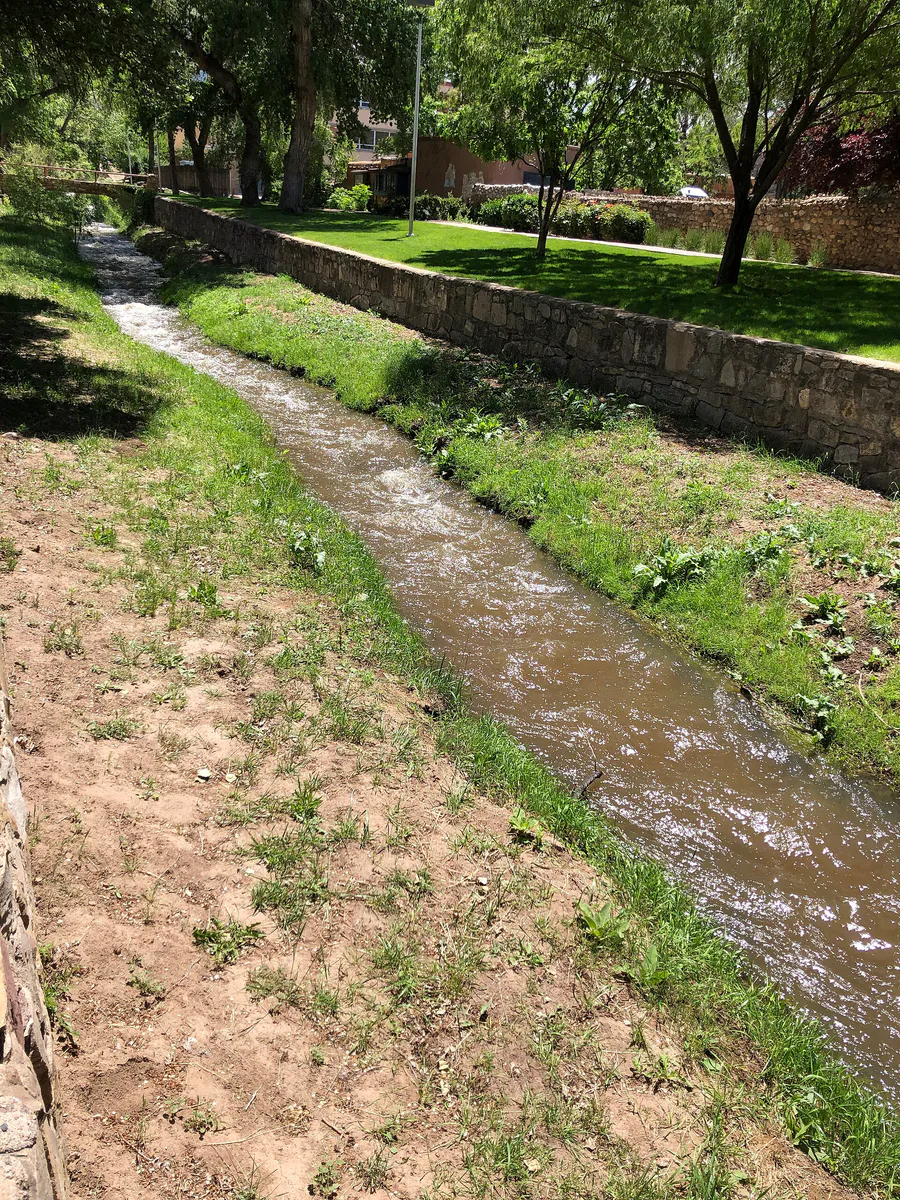
Best for: Quiet residential strolls along historic irrigation ditches and direct foothill trail access.
An exclusive, low-density neighborhood along Acequia Madre and Canyon Road characterized by narrow adobe compounds and trailheads.
Best for: Open-air opera performances, foothill luxury resort stays, and scenic highway views.
Rolling foothill terrain north along US 84/285 housing countryside estates, high-end inns, and the famous Santa Fe Opera venue.
Santa Fe local guide
Planning a seamless day in Santa Fe requires adjusting to environmental and structural realities unique to the highest state capital in the United States. At 7,200 feet above sea level, the thin air and low relative humidity (frequently dropping below 20%) impact physical stamina immediately. First-time visitors should dedicate their initial 24 to 48 hours to acclimatization by pacing physical exertion, doubling normal water intake, and exercising caution with alcohol, which acts much more potent at high altitude.
Weather dynamics in the high desert follow distinct daily and seasonal cycles. Diurnal temperature variation commonly produces 30°F shifts within a single day. Summer afternoon highs in the mid-80s°F quickly drop into cool 50s°F evenings, making light layers necessary year-round. During the peak monsoon season in July and August, sudden thunderstorms build by mid-afternoon, creating brief torrential downpours, lightning, and rapid flash flooding in local dry washes (arroyos). Outdoor trail hikes and open-air walking tours should always be scheduled for morning hours.
Navigating Santa Fe's urban core presents distinct driving tradeoffs. Downtown and the Historic Eastside were laid out centuries before grid planning; streets are narrow, winding, and lined with thick adobe walls that restrict visibility. Parking large SUVs or trucks in historic parking lots can be tight, and several residential side streets remain unpaved dirt lanes. Drivers benefit from parking early in central multi-level garages and exploring downtown, Canyon Road, and the Railyard entirely on foot or via local transit.
Explore your options
Match your schedule and party dynamics to tailored local activity bundles designed around geographic proximity and opening hours.
Designed for culture enthusiasts looking to explore Santa Fe's premier historical and modern artistic institutions over a full day.
A classic coupling itinerary balancing outdoor wellness with high-end northern New Mexican gastronomy.
Ideal for active visitors looking to sample foothill trails and local maker culture without downtown traffic.
Practical local guidance
Use these primary parking facilities, transit routes, and regional transit hubs to navigate the city without parking delays.
A simpler way to decide
Follow this step-by-step framework to build a successful day in Santa Fe without advance dining or museum reservations.
Check morning forecasts for summer monsoon thunderstorm warnings. If you arrived within the last 24 hours, cap physical exertion and defer steep foothill hikes like Atalaya Mountain to subsequent days.
Drive directly to the Railyard Underground Garage or Sandoval Municipal Garage by mid-morning to secure parking before street meters fill.
Walk the Santa Fe Plaza portal to browse handmade Native American jewelry, tour the open gallery gardens along Canyon Road, or visit SITE Santa Fe in the Railyard.
Eat lunch around 11:30 AM or early 12:00 PM at walk-up friendly local spots like Cafecito, Tune-Up Cafe, or plaza-adjacent counter services to avoid peak table waits.
If afternoon clouds gather between 1:00 PM and 4:00 PM, shift to indoor exploration at Meow Wolf (verify timed ticket availability online) or state museums on Museum Hill.
Head to early dinner spots by 6:00 PM to 7:00 PM. If arriving past 8:30 PM, proceed directly to Del Charro Saloon or Boxcar for late-night kitchen service.
Common local questions
These are common situations people face when trying to decide where to eat, what to do, where to get drinks, or how to spend their time in Santa Fe.
Santa Fe planning questions
Practical answers for people deciding where to eat, what to do, where to go, or how to make plans in Santa Fe.
Santa Fe's high elevation causes rapid dehydration, increased sunburn risk due to high UV exposure, and heightened sensitivity to alcohol. Visitors should drink double their typical water intake, apply sunscreen, defer strenuous mountain hikes to day two or three, and limit alcohol consumption during acclimatization.
Because standard restaurant kitchens close between 8:00 PM and 9:00 PM, target local saloons and casual bars. Del Charro Saloon serves green chile cheeseburgers and casual meals late (often until midnight), while establishments like Boxcar and Coyote Cantina offer late drinks and light bites.
Downtown metered street parking is enforced Monday through Saturday from 8:00 AM to 6:00 PM ($2.00/hour via pay stations or ParkMobile app) and is free on Sundays. For worry-free parking, use the Sandoval Municipal Garage downtown or the multi-level underground Railyard Garage ($12 daily maximum; credit card payment only).
Buy a physical Paper Passport ($3 at Visitor Centers) or app ($2.99) to receive discounts on signature margaritas made with 100% agave tequila across participating venues. Program safety rules strictly cap passport collection to a maximum of 2 stamps per 12-hour period.
During July and August, sudden monsoon thunderstorms reliably build between 1:00 PM and 4:00 PM, bringing lightning and torrential rain. Schedule outdoor foothill trail hikes (such as the Dale Ball Trails) or river walks for early morning hours, planning to be indoors by mid-afternoon.
A car is not required if staying downtown or in the Railyard, as these districts, along with Canyon Road, are easily walkable and served by the free Santa Fe Pickup shuttle. However, a car or regional bus transit is necessary to reach outer spots like Museum Hill, Meow Wolf on Cerrillos Road, Ten Thousand Waves, or trailheads.
Major annual cultural events transform city logistics. The Santa Fe Indian Market (mid-August) and the Burning of Zozobra (early September) cause road closures, heavy vehicle traffic, and garage fill-ups downtown. Lodging for these festival weekends routinely books out months to a year in advance.
Visitors can ride the free Santa Fe Pickup shuttle through historic downtown, hike the Dale Ball Trails at no charge, explore public art in Railyard Park, browse Native artisan work along the Palace portal, and access state museums during free Friday evening admission hours.
Source transparency
Official and locally relevant sources used to verify the practical information presented in this Santa Fe decision guide.
Santa Fe decision engine
Tell Adventria what kind of experience you want, set your practical limits, and turn the options in Santa Fe into one workable plan.
Choose a Santa Fe Plan