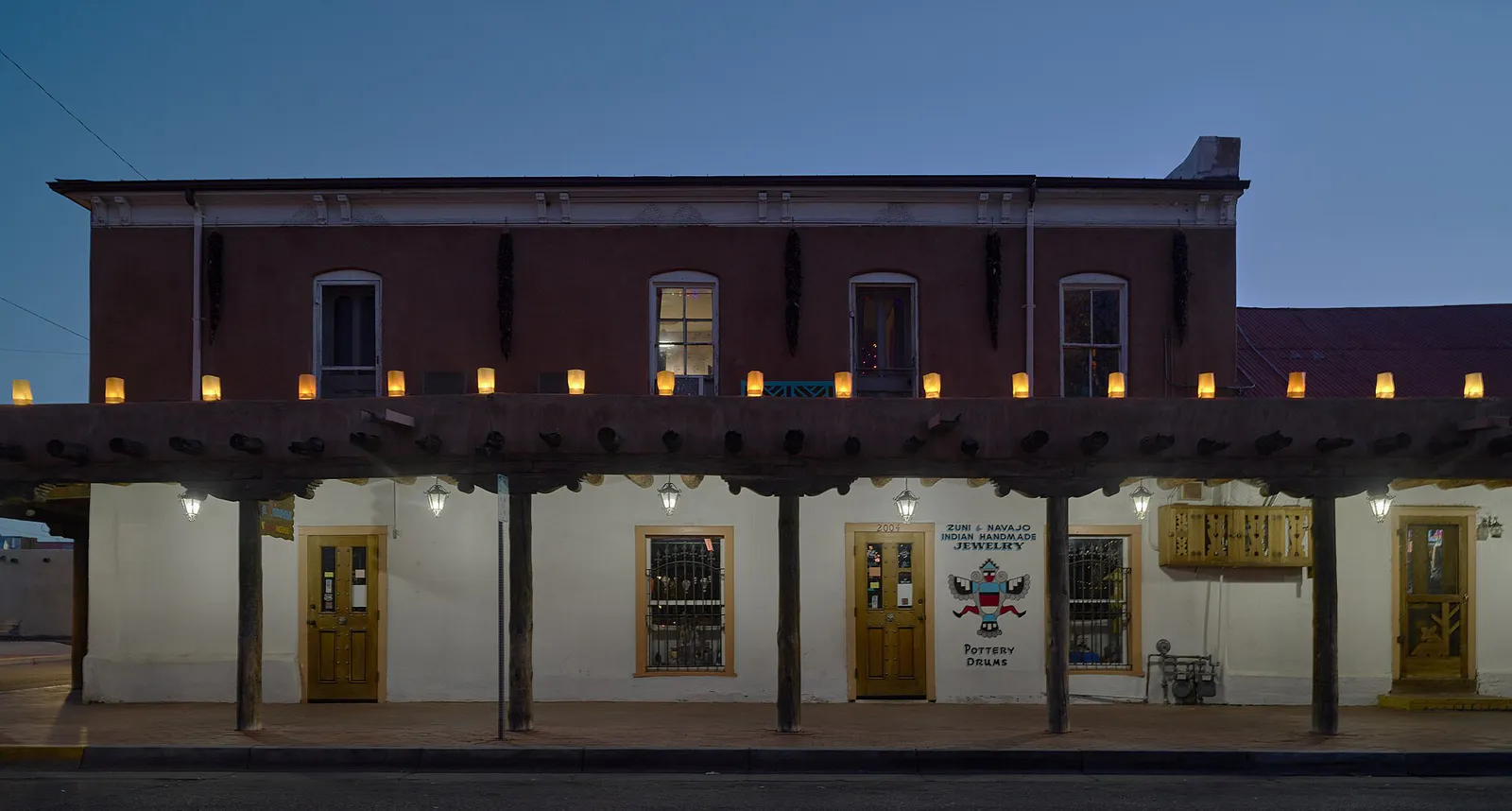
Historic Old Town
Best for
History buffs, gift shopping, cultural strolls, and first-time visitors.
 AdventriaLocalOpen App
Adventria Local Decision Guide
Trying to decide what to do in Albuquerque? Adventria helps you cut through the options and choose a good-enough plan without endless scrolling. This guide helps you make smart choices in Albuquerque by explaining cross-river traffic choke points, zero-fare transit options, high-altitude considerations, seasonal monsoon timing, and authentic regional dining from the Sandia Foothills to historic Old Town.
The local decision problem
Navigating cross-river bridge traffic, high-altitude dehydration, summer monsoon storm windows, and local dining choices across spread-out historic and modern districts.
That is where Adventria comes in. Adventria helps narrow the options in Albuquerque around practical factors like location, distance, budget, vibe, who you are with, and the kind of experience you actually want, so research can turn into a decision.
Let Adventria narrow the optionsPick the right part of town
Different parts of Albuquerque work for different kinds of plans. Start with the experience you want, then narrow the map.
Best for
History buffs, gift shopping, cultural strolls, and first-time visitors.
Best for
Food lovers, boutique lodging, art galleries, and casual group gatherings.
Best for
Route 66 neon vibes, boutique shopping, craft taprooms, and evening date nights.
Best for
Transit connectivity, urban food halls, historic performance theaters, and nightlife.
Best for
Budget dining, college campus culture, free museums, and iconic food spots.
Best for
Agritourism, farm-to-table dining, tranquil bike rides, and wine tasting.
This is a quick starting point. The full guide covers 8 local neighborhoods and districts in Albuquerque.
Eat & drink
When the decision is less about what to do and more about where to eat or grab a drink, start here. These local cues narrow the food and drink decision without turning dinner or a night out into another hour of comparison.
Head to Sawmill Market in the Sawmill District for over 20 artisanal vendors offering everything from street tacos and roasted New Mexican chile dishes to wood-fired pizza and espresso, all around open communal seating. Alternatively, grab a classic plate of red chile carne adovada or a green chile cheeseburger at Frontier Restaurant across from the UNM campus.
Position yourself at a west-facing outdoor patio or high foothill trail at dusk to watch the Sandia Mountains glow bright pink. Afterward, ride the zero-fare ART bus to Nob Hill to explore vintage neon signage, relax at a craft taproom, or catch an indie film or live show at the historic KiMo Theatre Downtown.
Still comparing options? Adventria can narrow the choice around budget, distance, vibe, and who you are with.
Decide with AdventriaPlan by situation
Start with the kind of plan you are actually trying to make. These city-specific ideas narrow the choice around who you are with, what you want to spend, the weather, and the kind of outing you want.
Take a sunset ride on the Sandia Peak Aerial Tramway up the mountain face to 10,378 feet elevation, paired with drinks or dinner at TEN 3 at the top. For a peaceful valley date, reserve a farm-to-table dinner at Campo at Los Poblanos in the North Valley, preceded by a walk through lavender fields.
Spend the morning exploring the hands-on science and art exhibits at Explora, then walk directly across the street to see dinosaur skeletons and the planetarium at the New Mexico Museum of Natural History & Science. Combine these with a trip to the nearby ABQ BioPark Zoo or Botanic Garden.
Take advantage of zero-fare ABQ RIDE transit to ride the ART bus along historic Route 66. Visit free campus museums at UNM (including the Maxwell Museum and Geology/Meteorite Museum), explore free public areas at Tingley Beach, or visit the Albuquerque Museum during its free Sunday morning hours.
Hop on the zero-fare ART bus along Central Avenue for a self-guided corridor tour. Stop in Nob Hill to browse independent bookstores and coffee shops, visit the free Maxwell Museum of Anthropology on the UNM campus, or walk the unpaved desert loops at Petroglyph National Monument.
Gather at a spacious craft brewery patio such as Marble Brewery Downtown, La Cumbre, or Bow & Arrow Brewing. Food halls like Sawmill Market or 505 Central Food Hall are ideal for groups because everyone can choose different food styles and sit together at open tables.
For an outdoor plan from Albuquerque, compare trails, state parks, national parks within trip range, and scenic drives. Options in the current city guide include Rio Bravo Fishing Pier & Nature Trail (Poco Loco) and Manzano Mountains State Park.
Escape sudden rain, high winds, or extreme summer heat by exploring the Albuquerque Museum in Old Town, the National Hispanic Cultural Center galleries in Barelas, or the indoor exhibits at the Anderson-Abruzzo International Balloon Museum. For physical activity, head to Stone Age Climbing Gym.
Outdoors nearby
Use these nearby outdoor options when the plan calls for a trail, protected landscape, park, or drive instead of another indoor stop. Proximity here is geographic, not a promise about driving time.
Get out of town
When staying in town is not the answer, these nearby destinations give you a smaller starting set for a day trip, overnight escape, or weekend away.
Destination relationships are screened geographically. Straight-line proximity is not presented as road mileage or estimated travel time.
Local landmarks & attractions
These notable destinations offer a starting point when you want something specific to see, visit, or build into a day around Albuquerque. Distances are approximate from the city area.
art and history museum in Albuquerque, New Mexico
zoo in the United States
amusement park in Albuquerque, New Mexico, USA
sports venue in Albuquerque, New Mexico
theater and movie theater in Albuquerque, New Mexico, United States
science museum in Albuquerque, New Mexico, USA
botanical garden in New Mexico, United States
hotel in United States
Notable places are selected from structured public destination data and ranked for relevance, prominence, proximity, and variety.
Local decision signals
A useful local recommendation depends on how the city actually works. These conditions affect where to go, what to do, and whether a plan makes sense right now.
Authentic New Mexican chile is a savory, flame-roasted vegetable sauce, not Tex-Mex salsa. Green chile is pungent and flame-charred; red chile is made from dried pods and is deep and earthy. Ordering "Christmas" gets you both side-by-side.
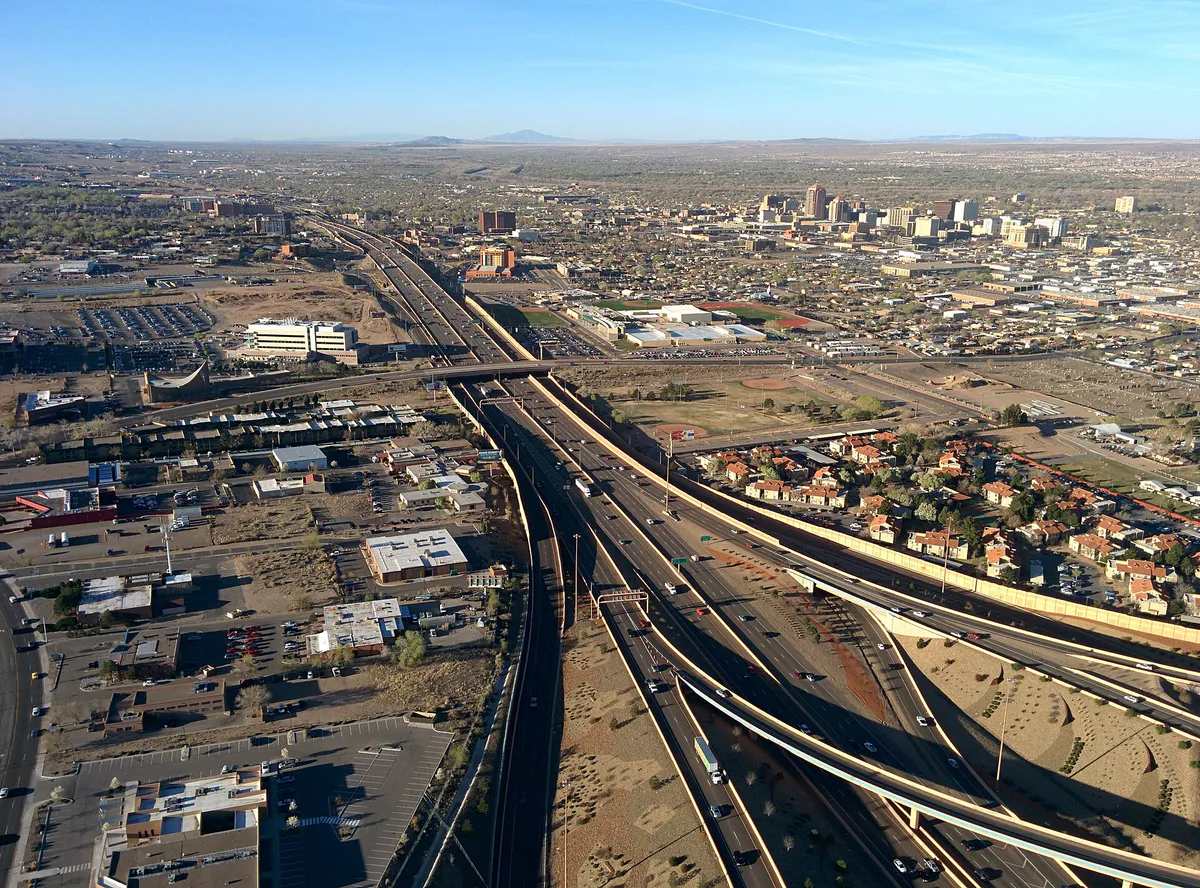
The Rio Grande splits the city. Because housing dominated the Westside while job centers and universities remained on the Eastside, crossing river bridges (I-40, Montaño, Paseo del Norte) causes heavy traffic delays during 7:00–9:00 AM and 4:30–6:30 PM.
Summer afternoon thunderstorms build rapidly between 2:00 PM and 6:00 PM, creating brief heavy rain, lightning, and intense arroyo flash flooding. Outdoor mountain hikes, tram rides, and open-air activities belong in the morning.
Base elevation sits above 5,300 feet (reaching 10,378 feet at Sandia Crest). Dry high-desert air accelerates dehydration, amplifies alcohol potency, and causes 25°F to 30°F day-to-night temperature drops year-round.
All ABQ RIDE transit services—including the gold-standard center-running Albuquerque Rapid Transit (ART) along Central Avenue—are completely free for all passengers.
The granite face of the Sandia Mountains turns a vivid pinkish-red at sunset. To see it best, position yourself at a Westside overlook or central rooftop patio facing east right as the sun dips below the horizon.
Neighborhood context
Neighborhoods are not interchangeable. Each area offers a different balance of atmosphere, transportation, food, nightlife, activities, and planning friction.
Best for: History buffs, gift shopping, cultural strolls, and first-time visitors.
Founded in 1706 around a central plaza and San Felipe de Neri Church. Features historic adobe architecture, brick courtyards, artisan galleries, traditional dining, and major municipal museums nearby.
Best for: Food lovers, boutique lodging, art galleries, and casual group gatherings.
A converted industrial lumber district located just north of Old Town. Anchored by the Sawmill Market food hall and modern boutique hotel design, offering pedestrian-friendly dining and shopping.
Best for: Route 66 neon vibes, boutique shopping, craft taprooms, and evening date nights.
A vibrant historic district along Central Avenue east of UNM. Celebrated for mid-century architecture, vintage neon signs, walkable streets, local boutiques, wine bars, and craft taprooms.
Best for: Transit connectivity, urban food halls, historic performance theaters, and nightlife.
The urban business core along Central Avenue. Home to the Alvarado Transportation Center (the regional rail and bus hub), historic theaters like the KiMo, food halls, and urban craft taprooms.
Best for: Budget dining, college campus culture, free museums, and iconic food spots.
Encompasses the University of New Mexico main campus. Features Southwestern Pueblo Revival architecture, affordable restaurants, live performance venues, and free university museums.
Best for: Agritourism, farm-to-table dining, tranquil bike rides, and wine tasting.
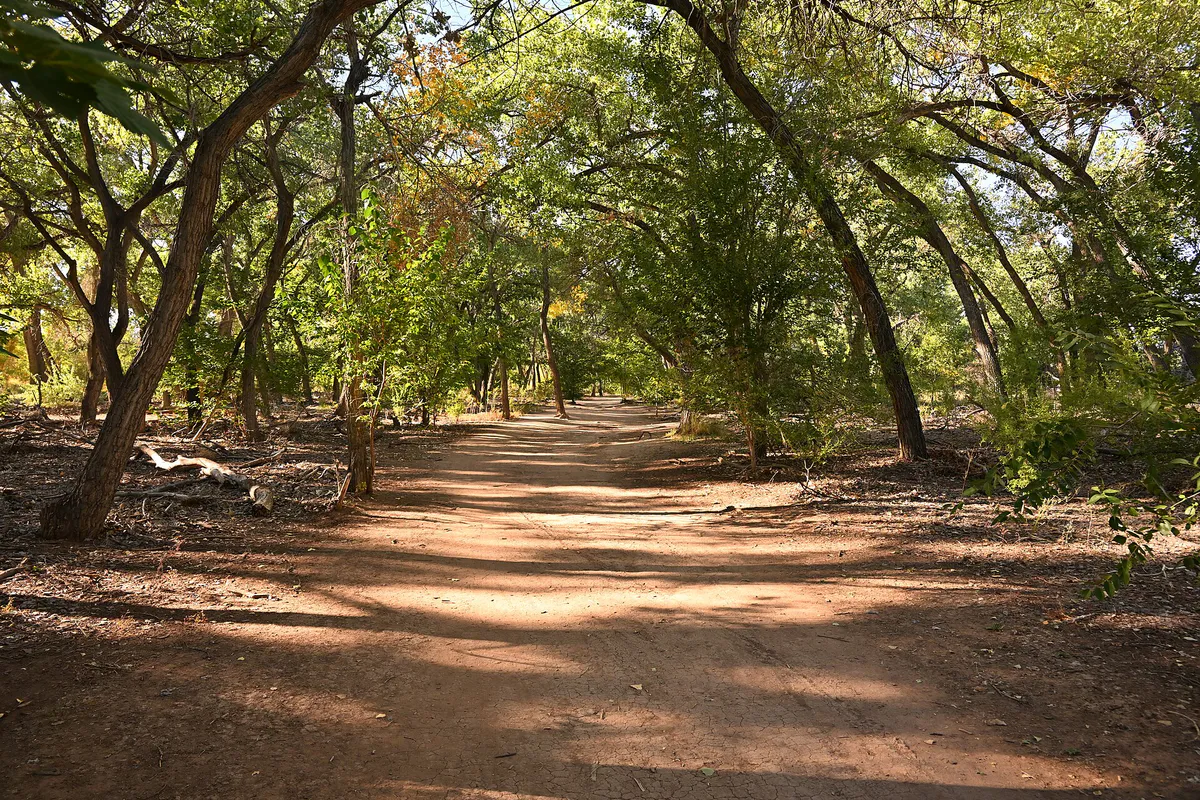
A quiet agrarian green corridor along the Rio Grande floodplain north of I-40. Characterized by leafy canopy roads, irrigation canals (acequias), organic lavender farms, and estate wineries.
Best for: Regional culinary roots, Hispanic culture, weekend artisan markets, and river parks.
Historic communities south of Downtown along the Rio Grande. Home to the National Hispanic Cultural Center, classic neighborhood eateries, the historic AT&SF Rail Yards, and the ABQ BioPark Zoo.
Best for: Outdoor trail access, mountain views, quiet stays, and suburban convenience.
An expansive residential area sloping up toward the Sandia Mountains. Provides direct access to unpaved dirt trails in the Sandia Foothills Open Space and panoramic sunset views across the river valley.
Albuquerque local guide
Albuquerque's layout is defined by dramatic natural features: the towering Sandia Mountains to the east, the volcanic West Mesa escarpment to the west, and the Rio Grande flowing north-to-south directly through the center. Because housing expanded heavily onto the Westside while major employers, medical centers, and universities remained east of the river, crossing the Rio Grande bridges during morning and evening rush hours introduces severe traffic delays. Planning activities on the side of the river where you are starting during peak commute hours saves significant travel time.
To navigate the city efficiently without a car, the Albuquerque Rapid Transit (ART) system operates high-frequency bus rapid transit along Central Avenue (historic Route 66). ART features dedicated center-running lanes, level station platforms, and zero-fare boarding, connecting major hubs like West Downtown, Old Town, Downtown, UNM, Nob Hill, and Uptown. For regional trips north to Santa Fe or south to Belen, the New Mexico Rail Runner Express commuter rail connects directly at the Downtown Alvarado Transportation Center.
Environmental factors alter everyday plans here more than in low-lying coastal cities. Albuquerque sits at an elevation ranging from 4,900 to over 6,700 feet (and over 10,000 feet at Sandia Crest). The combination of high altitude and low atmospheric humidity accelerates dehydration and intensifies the impact of alcohol. Visitors should double their standard water intake and take time to acclimate before attempting strenuous physical exertion in the foothills.
Explore your options
Choosing where and what to eat in Albuquerque centers around understanding local culinary traditions and matching food formats to your group's schedule.
New Mexican cuisine relies heavily on locally grown green and red chiles. Green chile is roasted, chopped, and savory with noticeable heat, while red chile is made from mature dried pods, producing an earthy, rich sauce.
Decide between fast-casual food halls with communal seating or long-standing family establishments serving traditional Southwestern recipes.
The University of New Mexico corridor along Central Avenue features quick, economical, and high-volume local dining spots.
The agricultural soils of the North Valley support refined local culinary experiences focused on seasonal produce and regional wines.
Practical local guidance
These recommended activities showcase Albuquerque's natural scenery, regional history, and unique public transit corridors.
A simpler way to decide
Follow this daily sequence to avoid river bridge commute bottlenecks, beat high midday heat, and experience top city sights efficiently.
Complete outdoor trail visits at Petroglyph National Monument or the Sandia Foothills before 10:00 AM to avoid peak heat, intense sun exposure, and afternoon monsoon storms.
If you need to cross between the Westside and Eastside, travel across river bridges (I-40, Montaño, or Paseo del Norte) after 9:00 AM or before 4:30 PM to avoid heavy commuter delays.
Spend midday hours wandering shaded adobe courtyards in Historic Old Town or enjoying lunch at Sawmill Market, where indoor air conditioning and covered patios provide comfort.
Visit indoor institutions like the Albuquerque Museum, Explora, or the New Mexico Museum of Natural History & Science between 1:00 PM and 4:00 PM when outdoor temperatures reach their peak.
Park your car and hop on the zero-fare ART bus along Central Avenue to travel east toward UNM and Nob Hill for casual boutique shopping and taproom dining.
Position yourself at an east-facing patio or high overlook in time for sunset to watch the Sandia Mountains turn pink, followed by live music Downtown or craft drinks in Nob Hill.
Common local questions
These are common situations people face when trying to decide where to eat, what to do, where to get drinks, or how to spend their time in Albuquerque.
Albuquerque planning questions
Practical answers for people deciding where to eat, what to do, where to go, or how to make plans in Albuquerque.
Ask for your chile 'on the side' when ordering burritos or enchiladas. This allows you to taste the heat level before smothering your plate. You can also order 'Christmas' to receive both red and green chile side-by-side to compare their flavors.
Yes. All ABQ RIDE fixed-route city buses, including the Albuquerque Rapid Transit (ART) lines along Central Avenue, operate under a completely zero-fare policy for all passengers.
Cross the river bridges (I-40, Montaño, Paseo del Norte, or Rio Bravo) outside peak commute windows. Avoid crossing eastbound from 7:00 AM to 9:00 AM and westbound from 4:30 PM to 6:30 PM.
Albuquerque sits above 5,300 feet elevation, causing rapid dehydration and intensifying the effects of sun and alcohol. Drink twice as much water as usual, wear sun protection year-round, and pace physical activity.
Monsoon season runs from mid-June through September. Storms develop rapidly in the afternoons, producing localized downpours and arroyo flash floods. Schedule mountain hikes, aerial tram rides, and open-air activities for the morning.
If you stay along the Central Avenue corridor (Old Town, Downtown, UNM, Nob Hill, Uptown), you can travel car-free using the zero-fare ART bus. However, reaching the Sandia Peak Tramway, North Valley, or Petroglyph National Monument requires a vehicle.
Bring a warm extra layer year-round. Temperatures at Sandia Crest (10,378 feet) are routinely 20°F to 30°F cooler than down in the city, and high winds are common at the summit.
The 'Sandia Glow' occurs at sunset when the granite faces of the Sandia Mountains turn vivid pinkish-red. Watch it from a Westside overlook, an open eastern foothill trail, or a rooftop patio facing east.
The International Balloon Fiesta occurs during the first full week of October. Hotels, rental cars, and campsite reservations book out 6 to 12 months in advance, and non-Fiesta travel during this week incurs surge pricing.
The University of New Mexico main campus offers free admission to several public museums, including the Maxwell Museum of Anthropology, the Geology Museum, and the Meteorite Museum.
Source transparency
Official and locally relevant sources used to verify the practical information presented in this Albuquerque decision guide.
Albuquerque decision engine
Tell Adventria what kind of experience you want, set your practical limits, and turn the options in Albuquerque into one workable plan.
Choose a Albuquerque Plan