Downtown / Congress Street
Best for
Nightlife, craft cocktails, live music venues, historic landmarks
 AdventriaLocalOpen App
Local Tucson Decision Guide
Trying to decide what to do in Tucson? Adventria helps you cut through the options and choose a good-enough plan without endless scrolling. Tucson combines 4,000 years of agricultural heritage with dramatic desert geology and modern urban culture. From fare-free streetcar rides downtown to alpine escapes up Mount Lemmon, making the right choice requires balancing travel friction, seasonal heat, and neighborhood character.
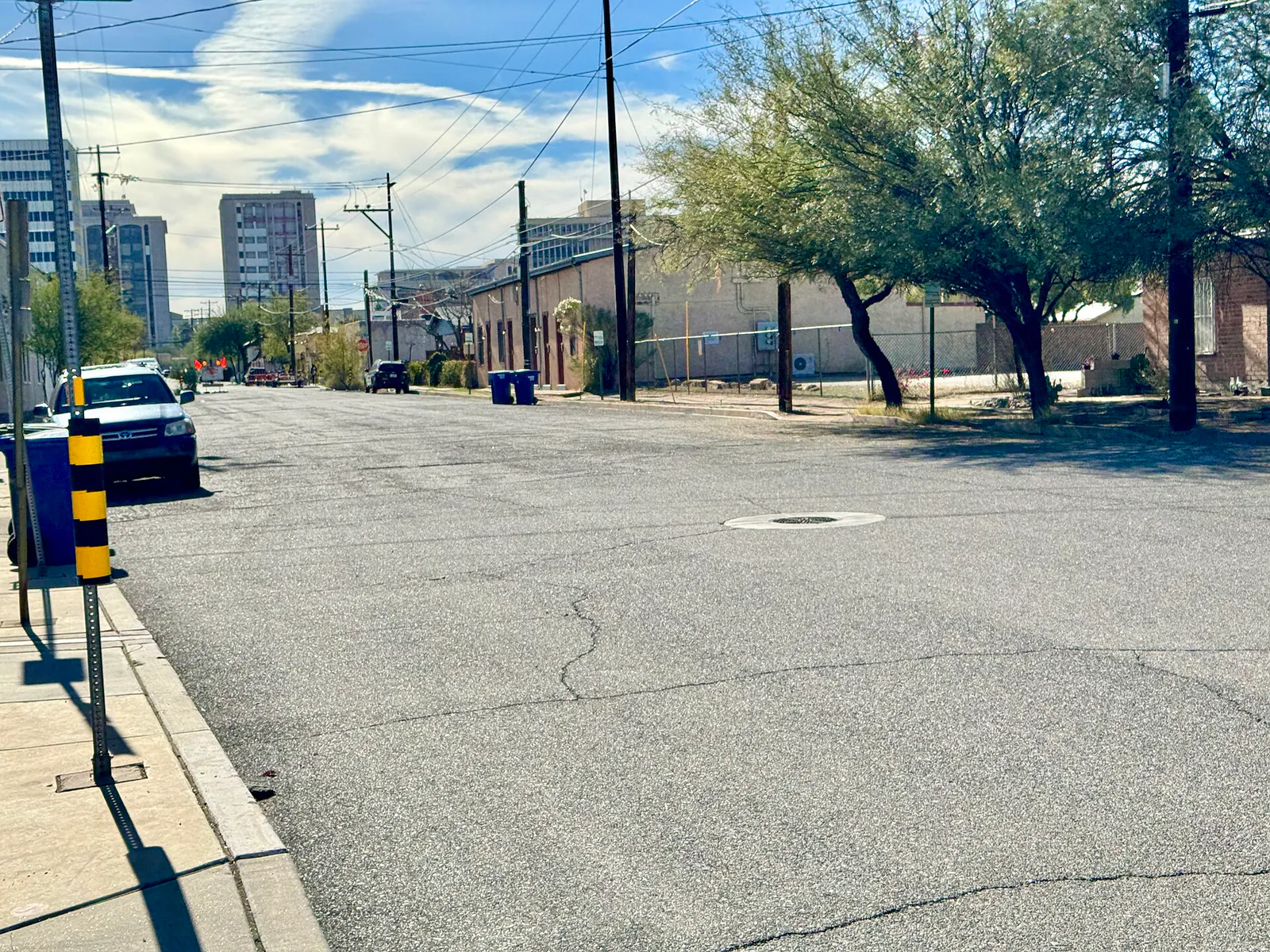
The local decision problem
How to plan activities across Tucson's vast desert footprint without wasting time in cross-town traffic, overheating in summer, or missing Sonoran cultural highlights.
That is where Adventria comes in. Adventria helps narrow the options in Tucson around practical factors like location, distance, budget, vibe, who you are with, and the kind of experience you actually want, so research can turn into a decision.
Let Adventria narrow the optionsPick the right part of town
Different parts of Tucson work for different kinds of plans. Start with the experience you want, then narrow the map.
Best for
Nightlife, craft cocktails, live music venues, historic landmarks
Best for
Vintage shopping, bohemian cafes, local bookstores, casual pubs
Best for
Architectural photography, historic walks, quiet dates, romantic atmosphere
Best for
Artisanal baking, open-air courtyard coffee, outdoor shopping, sunset viewpoints
Best for
Art museums, Spanish colonial history, historic plaza walks
Best for
Resort dining, mountain vistas, luxury shopping, gallery hopping
This is a quick starting point. The full guide covers 8 local neighborhoods and districts in Tucson.
Eat & drink
When the decision is less about what to do and more about where to eat or grab a drink, start here. These local cues narrow the food and drink decision without turning dinner or a night out into another hour of comparison.
If you are downtown, jump on the zero-fare Sun Link Streetcar to Mercado San Agustín or MSA Annex for open-air patio dining, heritage bakeries, and regional tacos. For authentic street food without a wait, drive south down South 12th Avenue in South Tucson to pick up fresh Sonoran hot dogs wrapped in bacon, fresh tortillas, or carne seca.
Start your evening watching the sun dip behind the Tucson Mountains from the Gates Pass overlook or Sentinel Peak ('A' Mountain). Afterward, head into Downtown along Congress Street for craft cocktails, dinner on a historic patio, and live music at Hotel Congress or the Rialto Theatre.
Still comparing options? Adventria can narrow the choice around budget, distance, vibe, and who you are with.
Decide with AdventriaPlan by situation
Start with the kind of plan you are actually trying to make. These city-specific ideas narrow the choice around who you are with, what you want to spend, the weather, and the kind of outing you want.
Start early at the Arizona-Sonora Desert Museum, where children can walk paved desert trails and see live raptors, mountain lions, and reptiles. For midday heat relief, visit the Pima Air & Space Museum to explore massive climate-controlled aircraft hangars, or head to Reid Park to enjoy the zoo and splash pads.
Take full advantage of Tucson's 100% fare-free Sun Link Streetcar system to explore central districts without transit costs. Take a self-guided walking tour of Barrio Viejo and El Presidio, visit the historic grounds of Mission San Xavier del Bac (free entry, donations welcomed), and watch the sunset from Sentinel Peak.
Tucson is ideal for solo exploration. Rent a TuGo bike or walk along Fourth Avenue to visit local coffee shops and independent record stores. Follow up with a quiet, self-guided architectural stroll through El Presidio and the Tucson Museum of Art, or spend hours examining world-class photography at the University of Arizona's Center for Creative Photography.
Gather your group at the MSA Annex courtyard in the Mercado District, where everyone can choose food from different shipping-container concepts and share outdoor tables. Later, stroll through Fourth Avenue and Downtown to explore multi-room craft beer taprooms and historic music halls.
For an outdoor plan from Tucson, compare trails, state parks, national parks within trip range, and scenic drives. Options in the current city guide include Oracle State Park and Kartchner Caverns State Park.
Plan a late afternoon walking tour through the colorful adobe streets of Barrio Viejo, taking photos by historic zaguan doorways. Transition to dinner at a shaded Foothills resort patio with sweeping valley light, or take a scenic evening drive up Catalina Highway for high-altitude stargazing under Tucson's protected dark skies.
When summer monsoon afternoon downpours hit or winter rain falls, head indoors to the Pima Air & Space Museum, home to over 400 historic aircraft inside sprawling hangars. Alternatively, spend an afternoon on campus visiting the Center for Creative Photography and the Flandrau Science Center & Planetarium.
Outdoors nearby
Use these nearby outdoor options when the plan calls for a trail, protected landscape, park, or drive instead of another indoor stop. Proximity here is geographic, not a promise about driving time.
Get out of town
When staying in town is not the answer, these nearby destinations give you a smaller starting set for a day trip, overnight escape, or weekend away.
Destination relationships are screened geographically. Straight-line proximity is not presented as road mileage or estimated travel time.
Local landmarks & attractions
These notable destinations offer a starting point when you want something specific to see, visit, or build into a day around Tucson. Distances are approximate from the city area.
museum
aerospace museum in Tucson, Arizona, USA
theater and concert venue in Tucson, Arizona, United States
zoo in the United States
museum in Arizona, United States
United States historic place
athletic arena
theater in Tucson, Arizona, United States
Notable places are selected from structured public destination data and ranked for relevance, prominence, proximity, and variety.
Local decision signals
A useful local recommendation depends on how the city actually works. These conditions affect where to go, what to do, and whether a plan makes sense right now.
Sun Tran buses and the 3.9-mile Sun Link Streetcar operate 100% fare-free, connecting Mercado District, Downtown, Fourth Avenue, Main Gate Square, and the University of Arizona.
Tucson has no central east-west freeway. Driving across town from Tanque Verde to the Arizona-Sonora Desert Museum via surface arterials like Speedway or Broadway takes 45 to 60 minutes.
Local timing revolves around five distinct climate phases: Spring, Dry Summer, Monsoon Wet Summer (July–September), Fall, and mild Winter.
Under A.R.S. § 28-910, drivers who bypass barricades into flooded desert washes are financially liable up to $2,000 for emergency rescue expenses.
Designated in 2015 as America's first UNESCO City of Gastronomy, recognizing 4,000 years of agricultural history, heritage Sonoran wheat, chiltepines, and native desert foods.
A continuous 137-mile paved, car-free multi-use path surrounding the metro area along dry river channels, perfect for cycle touring and fitness walks.
Driving 30 miles up the Catalina Highway to Summerhaven on Mt. Lemmon shifts ecosystems from Sonoran cacti to pine forest, dropping temperatures by 20°F to 30°F.
Neighborhood context
Neighborhoods are not interchangeable. Each area offers a different balance of atmosphere, transportation, food, nightlife, activities, and planning friction.
Best for: Nightlife, craft cocktails, live music venues, historic landmarks
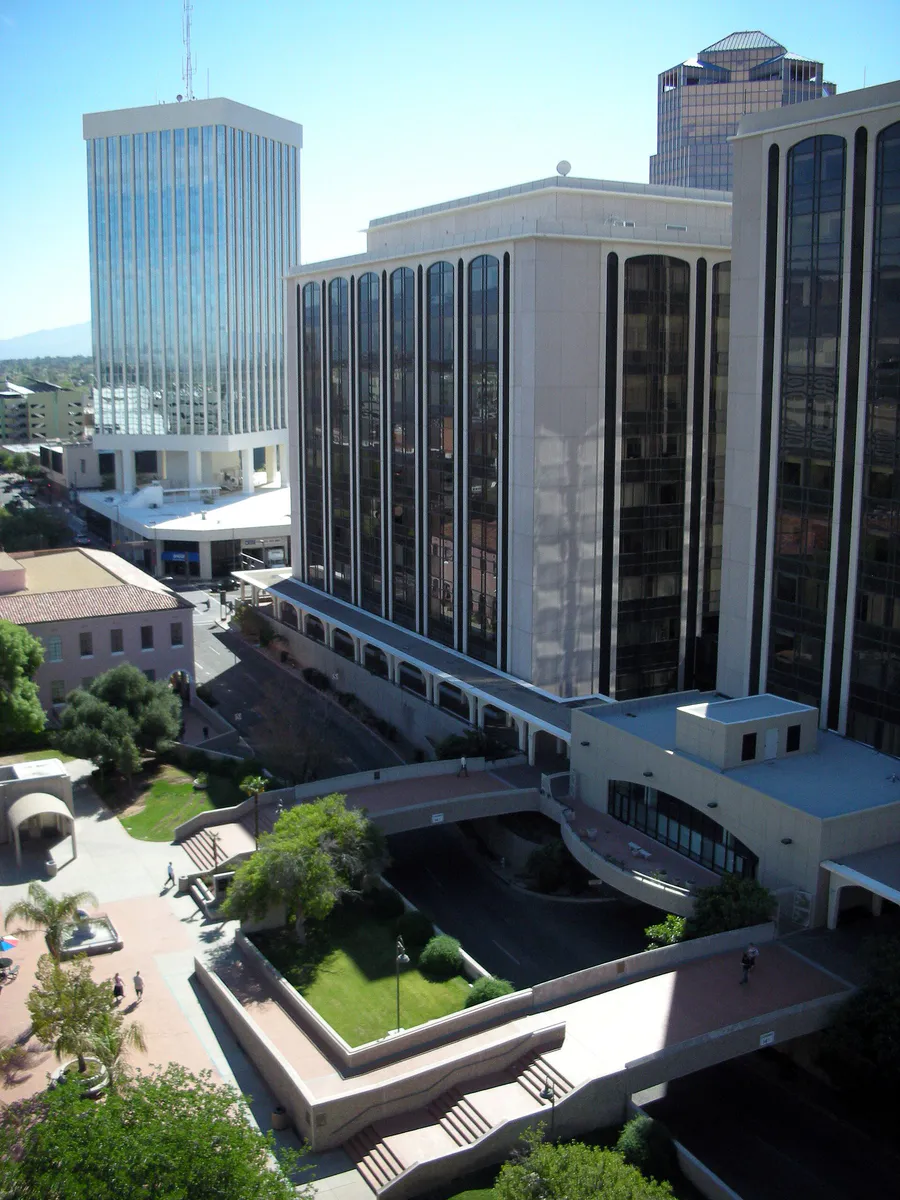
The dense commercial and cultural core, centered around Congress Street and historic entertainment spots like Hotel Congress, Rialto Theatre, and Fox Tucson Theatre.
Best for: Vintage shopping, bohemian cafes, local bookstores, casual pubs
A pedestrian-friendly corridor lined with eclectic boutiques, vintage record shops, independent eateries, craft beer taprooms, and historic bungalow streets.
Best for: Architectural photography, historic walks, quiet dates, romantic atmosphere
Famous for its preserved 19th-century Sonoran-style adobe homes painted in bright pastel shades, historic zaguan entryways, and the El Tiradito Wishing Shrine.
Best for: Artisanal baking, open-air courtyard coffee, outdoor shopping, sunset viewpoints
Located west of the Santa Cruz River at the foot of Sentinel Peak ('A' Mountain), featuring Mercado San Agustín, MSA Annex, and heritage food gardens.
Best for: Art museums, Spanish colonial history, historic plaza walks
The historic birthplace of modern Tucson, anchored by Presidio San Agustín del Tucsón, the Tucson Museum of Art, and artisan handicraft courtyards.
Best for: Resort dining, mountain vistas, luxury shopping, gallery hopping
Nestled along the base of the Santa Catalina Mountains north of town, offering upscale resort patios, high-desert estates, La Encantada, and trailhead access.
Best for: Authentic Sonoran tacos, mariscos, bakeries, street food tours
An independent 1-square-mile enclave embedded south of downtown, celebrated as the epicenter of 'The Best 23 Miles of Mexican Food' in America.
Best for: Gateway to Saguaro East, Sabino Canyon, outdoor adventure, quiet residential stops
Broad residential stretches extending toward the Rincon and Santa Catalina mountains, ideal for access to Sabino Canyon Recreation Area and Saguaro National Park East.
Explore your options
Match your activity choice to your energy level, local transport options, and time of day.
Utilize the fare-free Sun Link Streetcar to explore Tucson's historic streetscapes and dining districts without driving or paying for parking.
Experience classic Sonoran Desert landscapes, indigenous plant life, and dramatic mountain sunsets on the western rim of the valley.
Escape valley warmth by ascending Mount Lemmon or relaxing along the elevated northern rim of the Santa Catalina Mountains.
Practical local guidance
Use these established local guidelines to avoid common travel mistakes and heat fatigue.
A simpler way to decide
Follow this step-by-step progression to experience Tucson's iconic desert landscapes and historic heritage in a single, continuous loop.
Depart central Tucson by 7:30 AM and drive west over Gates Pass to arrive at the Arizona-Sonora Desert Museum right as doors open. Morning hours offer cool weather and active desert wildlife.
Drive ten minutes north into Saguaro National Park West. Take the unpaved but graded Bajada Loop Drive to see dense saguaro cactus forests and short petroglyph walks at Signal Hill.
Head back toward the city base along Western Avenue to Mission Garden, located at the foot of Sentinel Peak. Walk the walled garden showcasing heirloom crops cultivated in the valley for millenniums.
Cross the Santa Cruz River channel into the Mercado District. Grab open-air seating for Sonoran lunch, craft tap beer, and espresso from local food counters.
Drive back up to Gates Pass Overlook 30 minutes before sunset. Find a spot along the stone historic structures to watch the sun sink behind the Tucson Mountains.
Common local questions
These are common situations people face when trying to decide where to eat, what to do, where to get drinks, or how to spend their time in Tucson.
Tucson planning questions
Practical answers for people deciding where to eat, what to do, where to go, or how to make plans in Tucson.
If you plan to stay strictly within the urban core—Mercado District, Downtown, Fourth Avenue, Main Gate, and the University of Arizona—you do not need a car because the Sun Link Streetcar is 100% fare-free. However, if you plan to visit Saguaro National Park, the Catalina Foothills, Mount Lemmon, or the Arizona-Sonora Desert Museum, renting a car or using rideshares is necessary due to desert sprawl.
During the hot months (May through September), all outdoor hiking should begin at sunrise and conclude by 9:00 AM at the latest. Always carry double the water you expect to need, wear wide-brimmed hats, and choose shaded trail options like Sabino Canyon or high-elevation trails on Mount Lemmon.
In 2015, Tucson became the first city in the United States to receive the UNESCO designation. It recognizes over 4,000 years of continuous agricultural history in the Santa Cruz River basin, alongside living culinary traditions that incorporate heritage ingredients like White Sonoran wheat, chiltepines, mesquite flour, cholla buds, and tepary beans.
Drive east on Tanque Verde Road to the Catalina Highway (also known as Mount Lemmon Highway), which ascends the Santa Catalina Mountains. The scenic 30-mile drive takes roughly one hour from central Tucson, climbing from Sonoran Desert cacti into alpine pine forests in Summerhaven at over 8,000 feet elevation.
Yes. By official direction of the Mayor and Council, all Sun Tran fixed-route buses and the Sun Link Streetcar operate completely fare-free for all passengers.
Saguaro National Park West (Tucson Mountain District) features lower elevations, denser saguaro forests, petroglyph sites, and quick proximity to the Arizona-Sonora Desert Museum. Saguaro National Park East (Rincon Mountain District) features a paved scenic driving loop, larger park acreage, and wilderness trails extending high into forested mountain terrain.
The highest concentration of authentic Sonoran hot dog vendors and taquerias is found along South 12th Avenue in the City of South Tucson. A classic Sonoran hot dog consists of a bacon-wrapped hot dog stuffed inside a soft bolillo bun, topped with pinto beans, chopped onions, tomatoes, mayonnaise, mustard, and jalapeno salsa.
Never attempt to drive across a flooded wash or bypass posted barricades. Water depth and velocity in desert washes are deceptive, and currents can easily sweep heavy vehicles away. Turn around, park safely on high ground, and wait 30 to 45 minutes for flash flood waters to recede.
Source transparency
Official and locally relevant sources used to verify the practical information presented in this Tucson decision guide.
Tucson decision engine
Tell Adventria what kind of experience you want, set your practical limits, and turn the options in Tucson into one workable plan.
Choose a Tucson Plan