Downtown Spokane (Riverside)
Best for
Urban dining, historic hotels, theater, and direct access to Riverfront Park and the skywalk network.
 AdventriaLocalOpen App
Inland Northwest Local Decision Engine
Trying to decide what to do in Spokane? Adventria helps you cut through the options and choose a good-enough plan without endless scrolling. Whether you are crossing the basalt river gorge into Kendall Yards, heading up the steep South Hill bluff to Perry Street, or staying warm inside the downtown skywalk network, planning outings in Spokane requires understanding local geography, seasonal weather shifts, and day-of-week rhythms.
The local decision problem
How to navigate Spokane's river gorge divide, seasonal weather shifts, and distinct neighborhood hubs to plan seamless dining, outdoor recreation, and cultural outings.
That is where Adventria comes in. Adventria helps narrow the options in Spokane around practical factors like location, distance, budget, vibe, who you are with, and the kind of experience you actually want, so research can turn into a decision.
Let Adventria narrow the optionsPick the right part of town
Different parts of Spokane work for different kinds of plans. Start with the experience you want, then narrow the map.
Best for
Urban dining, historic hotels, theater, and direct access to Riverfront Park and the skywalk network.
Best for
Modern patio dining, bluff-top river gorge views, sunset walks, and Wednesday night markets.
Best for
Historic architecture walks, museum visits, cozy neighborhood pubs, and garden strolls.
Best for
Artisan bakeries, craft breweries, casual daytime meetups, and Thursday summer farmers markets.
Best for
Mid-century nostalgia, vintage shopping, classic diners, and historic cinema outings.
Best for
Gonzaga game days, casual casual eats, coffee shops, and student-friendly riverfront access.
This is a quick starting point. The full guide covers 7 local neighborhoods and districts in Spokane.
Eat & drink
When the decision is less about what to do and more about where to eat or grab a drink, start here. These local cues narrow the food and drink decision without turning dinner or a night out into another hour of comparison.
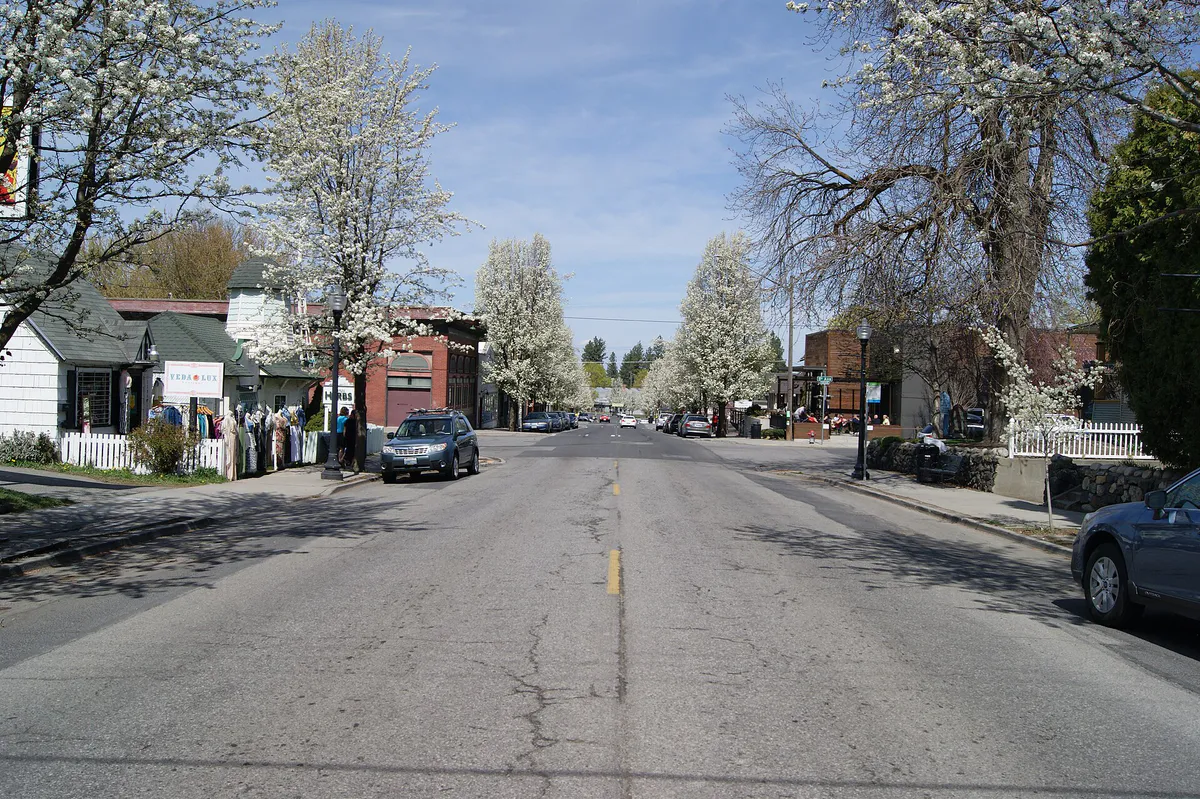
For places to eat in Spokane, start with Downtown Spokane (Riverside) or Kendall Yards (West Central) depending on the kind of stop you want. Start with Downtown Spokane (Riverside) for urban dining, historic hotels, theater, and direct access to Riverfront Park and the skywalk network.. Kendall Yards (West Central) works for modern patio dining, bluff-top river gorge views, sunset walks, and Wednesday night markets..
Begin with craft cocktails at Durkin's Liquor Bar or the Art Deco Peacock Lounge inside the Historic Davenport Hotel downtown. Follow dinner with a concert by the Spokane Symphony at the restored 1931 Martin Woldson Theater at The Fox, catch a touring show at the First Interstate Center for the Arts, or grab tickets for live stand-up comedy at the Spokane Comedy Club.
Still comparing options? Adventria can narrow the choice around budget, distance, vibe, and who you are with.
Decide with AdventriaPlan by situation
Start with the kind of plan you are actually trying to make. These city-specific ideas narrow the choice around who you are with, what you want to spend, the weather, and the kind of outing you want.
For an outdoor plan from Spokane, compare trails, state parks, national parks within trip range, and scenic drives. Options in the current city guide include Riverside and Mount Spokane.
Plan a daytime date browsing books and coffee at Atticus downtown, followed by a walk through the Nishinomiya Tsutakawa Japanese Garden in Manito Park. For an evening date, reserve a multi-course Italian-PNW tasting menu at Gander and Ryegrass, followed by wine tasting at Barrister Winery or Maryhill Winery overlooking the river gorge.
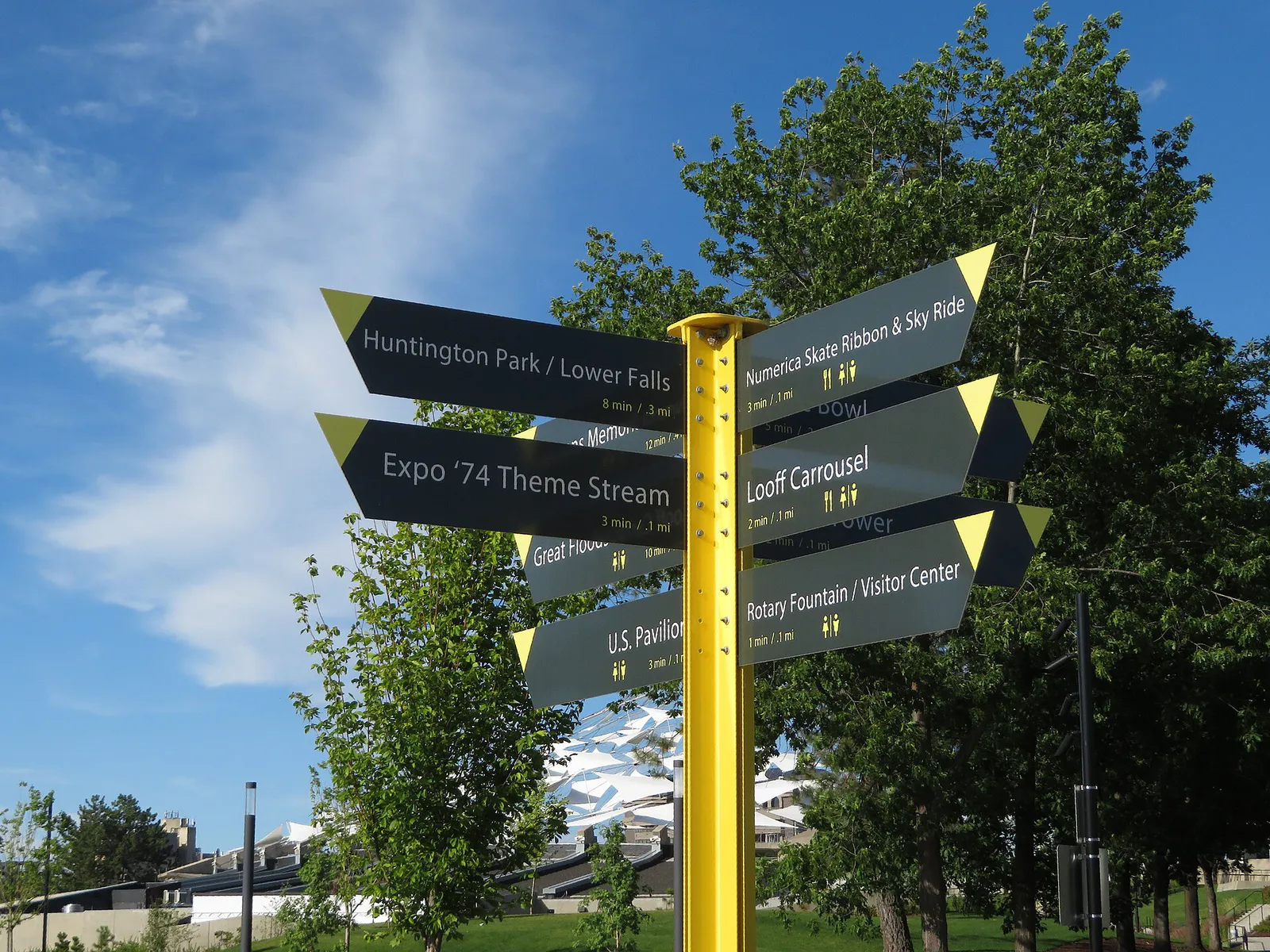
Riverfront Park is the central hub for families, featuring the historic 1909 Looff Carrousel, the giant Red Wagon slide, the Ice Age Floods Playground, and the vacuum-powered Garbage Goat. Directly across the park, visit the interactive Mobius Discovery Center, or visit Green Bluff in autumn for corn mazes and fresh apple cider donuts.
Spend a quiet solo morning reading or remote working at The Shop in South Perry or Indaba Coffee downtown. Bring a bike or walk along the paved Spokane River Centennial Trail, visit the free Jundt Art Museum on the Gonzaga campus, or take a self-guided historic walk through Browne's Addition.
When winter snow or heavy rain arrives, use the downtown 16-block overhead skywalk system to explore shopping and dining without stepping outside. Alternatively, retreat to the warm tropical climate inside the Gaiser Conservatory at Manito Park, tour the subterranean galleries at the MAC, or catch a movie at the historic Garland Theater.
Explore Riverfront Park's public features, watch the free evening light show inside the U.S. Pavilion, and walk the Centennial Trail along the river gorge. Admission to the Jundt Art Museum at Gonzaga is free, as is exploring the 90 acres of themed botanical gardens in Manito Park. Note that youth ages 18 and under ride STA buses for free.
Gather a group at No-Li Brewhouse along the Spokane River bank or head to the West End downtown brewery district to hop between Iron Goat Brewing and Brick West Brewing. For active groups, grab tickets for a soccer match at ONE Spokane Stadium or a hockey game at Spokane Arena.
Outdoors nearby
Use these nearby outdoor options when the plan calls for a trail, protected landscape, park, or drive instead of another indoor stop. Proximity here is geographic, not a promise about driving time.
Get out of town
When staying in town is not the answer, these nearby destinations give you a smaller starting set for a day trip, overnight escape, or weekend away.
Destination relationships are screened geographically. Straight-line proximity is not presented as road mileage or estimated travel time.
Local landmarks & attractions
These notable destinations offer a starting point when you want something specific to see, visit, or build into a day around Spokane. Distances are approximate from the city area.
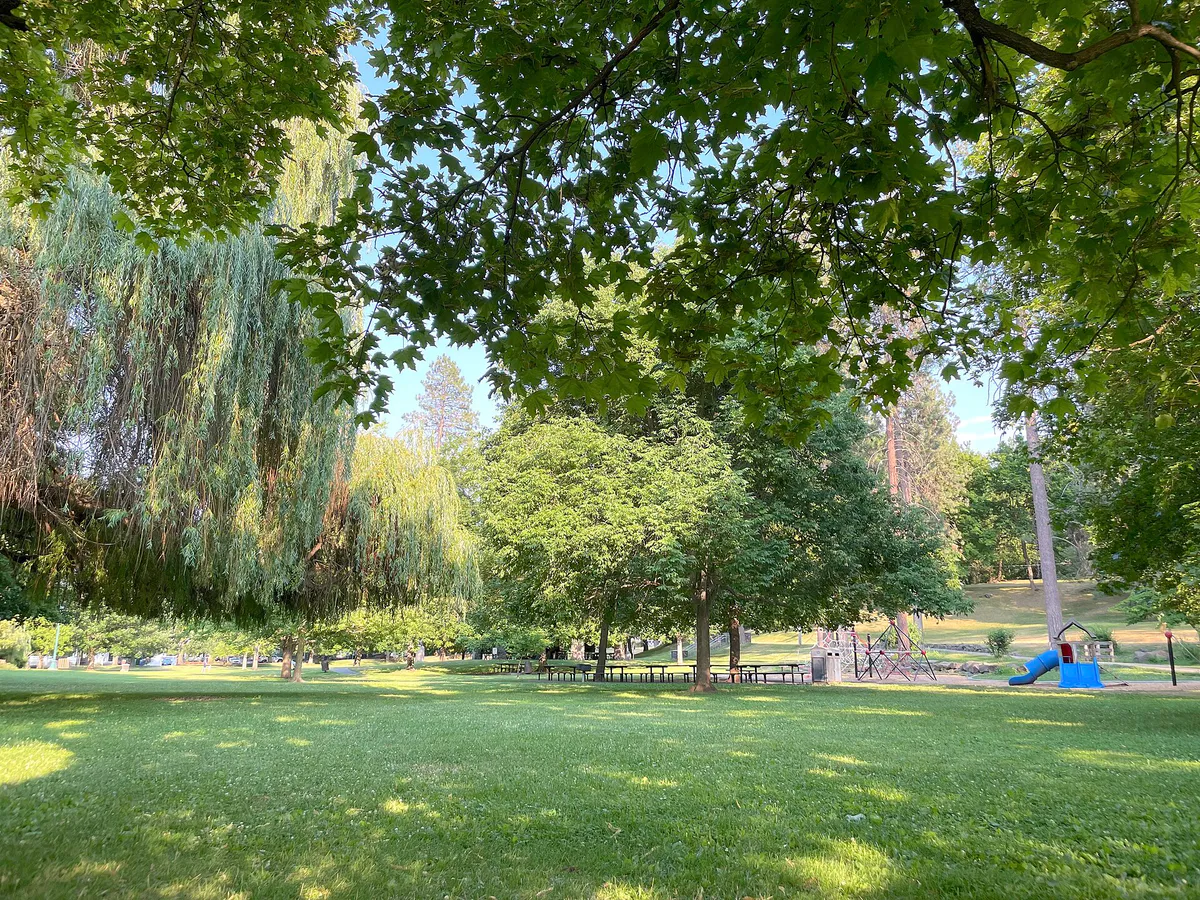
park in Spokane, Washington state, USA
museum in Washington, United States of America
amusement park in Spokane, Washington
arena in Spokane, Washington, United States
Historic Movie Theater in Spokane, Washington, United States
Casino in Washington State, U.S.
park in Spokane County, Washington, United States of America
1899-1957 United States Army base in Spokane, Washington, USA
Notable places are selected from structured public destination data and ranked for relevance, prominence, proximity, and variety.
Local decision signals
A useful local recommendation depends on how the city actually works. These conditions affect where to go, what to do, and whether a plan makes sense right now.
The Spokane River and basalt gorge physically separate North Spokane from Downtown and South Spokane, making bridge crossings like Monroe, Maple, and Washington essential transit points.
Rising sharply south of I-90, ascending South Hill requires climbing steep grades on Grand Blvd or Monroe St, which can freeze and freeze over quickly in winter snowstorms.
A continuous 16-block climate-controlled overhead skywalk system links major retail, hotels, and office buildings, serving as a primary pedestrian corridor during winter and extreme heat.
Zero-emission electric Bus Rapid Transit operating on high-frequency schedules between Browne's Addition, Downtown, the University District, and Spokane Community College.
Late July through September can bring regional wildfire smoke spikes above 150 AQI, shifting outdoor river and park activities indoors to museums, skywalks, and indoor venues.
Game days at Gonzaga's McCarthey Athletic Center or events at ONE Spokane Stadium and Spokane Arena create rapid dining rushes and parking surges in Logan and Downtown.
Mountain snowmelt in May and June turns Spokane Falls into a roaring spectacle, while late summer upstream dam controls lower water levels significantly.
Neighborhood context
Neighborhoods are not interchangeable. Each area offers a different balance of atmosphere, transportation, food, nightlife, activities, and planning friction.
Best for: Urban dining, historic hotels, theater, and direct access to Riverfront Park and the skywalk network.
The city center centers around the Spokane River and Spokane Falls, featuring historic architecture, major performing arts venues, craft cocktail bars, and an interconnected 16-block skywalk system.
Best for: Modern patio dining, bluff-top river gorge views, sunset walks, and Wednesday night markets.
A master-planned urban neighborhood built along the north bank of the Spokane River gorge, offering modern architecture, immediate access to the Centennial Trail, and south-facing river views.
Best for: Historic architecture walks, museum visits, cozy neighborhood pubs, and garden strolls.
Spokane's historic residential enclave west of downtown, defined by late Victorian mansions, tree-canopied streets, Coeur d'Alene Park, and the Northwest Museum of Arts and Culture (MAC).
Best for: Artisan bakeries, craft breweries, casual daytime meetups, and Thursday summer farmers markets.
A walkable, bohemian commercial corridor in lower East Central featuring independent bakeries milling local grains, craft breweries, and neighborhood eateries.
Best for: Mid-century nostalgia, vintage shopping, classic diners, and historic cinema outings.
A retro 1940s commercial strip three miles north of downtown, anchored by the Streamline Moderne Garland Theater, vintage neon signs, and classic diner architecture.
Best for: Gonzaga game days, casual casual eats, coffee shops, and student-friendly riverfront access.
Flanking the Spokane River east of downtown, this area encompasses Gonzaga University and health science campuses, acting as a active collegiate hub with casual eateries.
Best for: Antique shopping, railway history, and exploring historic industrial brick architecture.
Platted in 1892 as a Great Northern Railway hub in northeast Spokane, this working-class historic district is listed on the National Register and recognized for its density of antique stores.
Spokane local guide
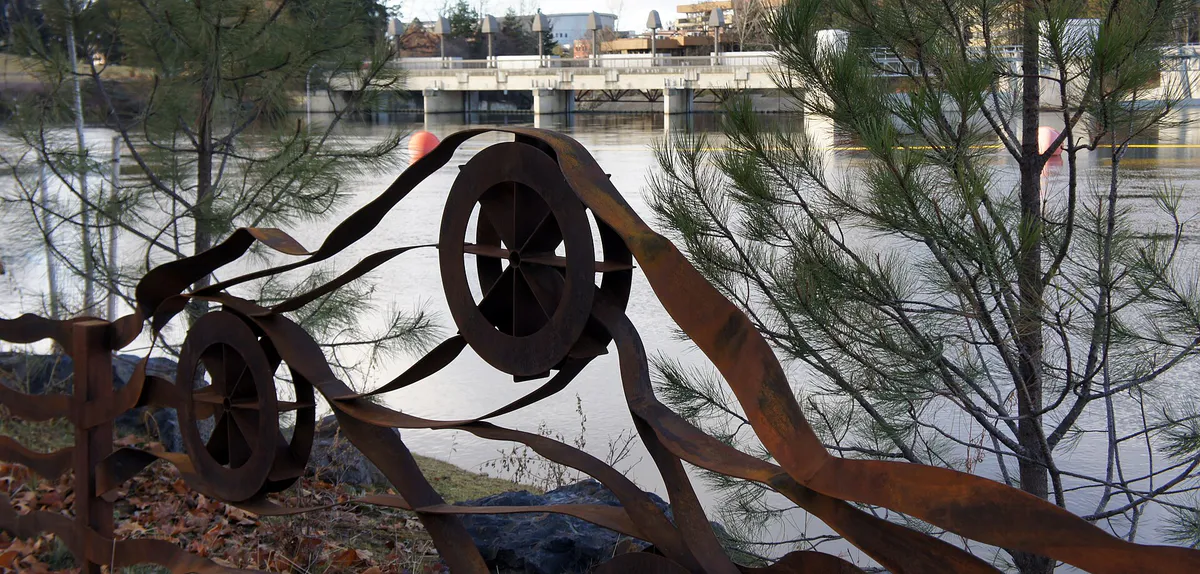
Spokane is physically defined by two major natural landmarks: the basalt canyon of the Spokane River flowing west through the city center, and the steep South Hill bluff rising sharply south of Interstate 90. This geography splits the city into distinct corridors, making river bridges such as Monroe, Maple, and Washington critical decision points when planning cross-city transit during peak hours.
Getting around efficiently depends on matching your destination to the right transit option. The Spokane Transit Authority (STA) operates the City Line, a zero-emission Bus Rapid Transit route running every 15 minutes that connects Browne's Addition through Downtown and the University District to Spokane Community College. For visitors staying downtown, this eliminates the need for rental cars or paid parking when traveling between key cultural districts.
When winter storms roll through the Inland Northwest, snow and ice make navigating the steep bluffs of South Hill challenging without all-wheel drive or traction tires. Downtown offers an effective alternative during severe weather: a continuous 16-block skywalk network connecting office buildings, River Park Square, and historic hotels above street level, keeping pedestrians warm and dry.
Explore your options
Spokane experiences four distinct seasons, each dictating distinct choices for outdoor recreation, local dining, and family outings.
As mountain snowmelt fills the Spokane River watershed, spring brings roaring water flows over Spokane Falls and vibrant lilac blooms across the city.
Warm, sunny days with low humidity make summer ideal for outdoor dining, river sports, and neighborhood street markets.
Crisp autumn weather highlights fall foliage across city parks and marks harvest season at the agricultural cooperative nearby.
Cold weather shifts activity toward indoor skywalks, heated venues, and winter sports both in the city and at neighboring mountain resorts.
Practical local guidance
Avoid common logistics issues by keeping these practical local factors in mind before heading out.
A simpler way to decide
Follow this simple neighborhood-to-neighborhood itinerary to experience the best of Spokane's landscape, dining, and culture in a single day.
Start in Browne's Addition with coffee and breakfast, then walk past historic Victorian mansions to Coeur d'Alene Park and the Northwest Museum of Arts and Culture (MAC).
Board the STA City Line BRT into Downtown Spokane. Walk through Riverfront Park, ride the historic 1909 Looff Carrousel, and cross the river over the Monroe Street Bridge to view Spokane Falls.
Follow the Centennial Trail along the north bank river gorge into Kendall Yards. Enjoy lunch on a river-facing patio overlooking the basalt canyon.
Drive or take transit up South Hill to Manito Park. Spend an hour wandering through the Duncan Formal European Garden, Rose Hill, and the Nishinomiya Tsutakawa Japanese Garden.
Return downtown for craft cocktails in the West End brewery district, followed by dinner near Washington Street and an evening concert at the Martin Woldson Theater at The Fox.
Common local questions
These are common situations people face when trying to decide where to eat, what to do, where to get drinks, or how to spend their time in Spokane.
Spokane planning questions
Practical answers for people deciding where to eat, what to do, where to go, or how to make plans in Spokane.
The downtown skywalk system is a continuous 16-block network of enclosed, climate-controlled overhead footbridges. It connects major retail hubs like River Park Square, office towers, parking structures, and hotels, allowing visitors and residents to navigate downtown comfortably during severe winter cold or summer heat.
The City Line (Route 1) is Spokane's zero-emission Bus Rapid Transit line. It operates on high-frequency schedules (every 15 minutes during peak hours) along a key east-west route connecting Browne's Addition, Downtown Spokane, the University District, and Spokane Community College.
The best time to view Spokane Falls is during late spring (May to June) when mountain snowmelt brings river runoff to peak volume. By late summer, water flows decrease due to upstream dam management along the Spokane River.
Riverfront Park downtown is the premier family location, featuring the historic 1909 Looff Carrousel, the giant Red Wagon slide, the Ice Age Floods Playground, and the vacuum-powered Garbage Goat. The Mobius Discovery Center across the street offers interactive hands-on science exhibits.
Green Bluff is an agricultural cooperative of over 30 family farms located 15 minutes north of Spokane at the base of Mt. Spokane. It is best visited from summer through autumn for U-Pick fruit (cherries, peaches, apples), pumpkin patches, local farm breweries, and fresh cider donuts.
Free activities include exploring the 90 acres of themed botanical gardens at Manito Park, walking or biking the Spokane River Centennial Trail, visiting the Jundt Art Museum on the Gonzaga campus, and watching evening light shows at the U.S. Pavilion in Riverfront Park.
Yes, under the STA Youth Ride Free program, all youth ages 18 and under ride free on all standard Spokane Transit Authority bus routes, including the City Line.
The Garland District, located three miles north of downtown, is known for its 1940s vintage feel, vintage stores, the Streamline Moderne Garland Theater, and retro diners like Mary Lou's Milk Bottle and Ferguson's Cafe.
Source transparency
Official and locally relevant sources used to verify the practical information presented in this Spokane decision guide.
Spokane decision engine
Tell Adventria what kind of experience you want, set your practical limits, and turn the options in Spokane into one workable plan.
Choose a Spokane Plan