Downtown Historic District
Best for
Walkable wine tasting, boutique shopping, and fine dining
 AdventriaLocalOpen App
Local Decision Guide
Trying to decide what to do in Walla Walla? Adventria helps you cut through the options and choose a good-enough plan without endless scrolling. Planning a visit or organizing local activity in Walla Walla requires balancing spread-out rural estate wineries with a dense downtown core. This guide breaks down neighborhood identities, public transit options, early evening dining closures, and spontaneous outdoor and cultural experiences.
The local decision problem
How to select wine tasting districts, navigate local transit options, manage early evening dining schedules, and build non-reservation itineraries in Walla Walla.
That is where Adventria comes in. Adventria helps narrow the options in Walla Walla around practical factors like location, distance, budget, vibe, who you are with, and the kind of experience you actually want, so research can turn into a decision.
Let Adventria narrow the optionsPick the right part of town
Different parts of Walla Walla work for different kinds of plans. Start with the experience you want, then narrow the map.
Best for
Walkable wine tasting, boutique shopping, and fine dining
Best for
Craft beverages, relaxed groups, and casual tasting
Best for
Estate vineyard views and comparative reserve tastings
Best for
Scenic foothill landscapes and architectural estates
Best for
Historic Washington wineries and classic estate grounds
Best for
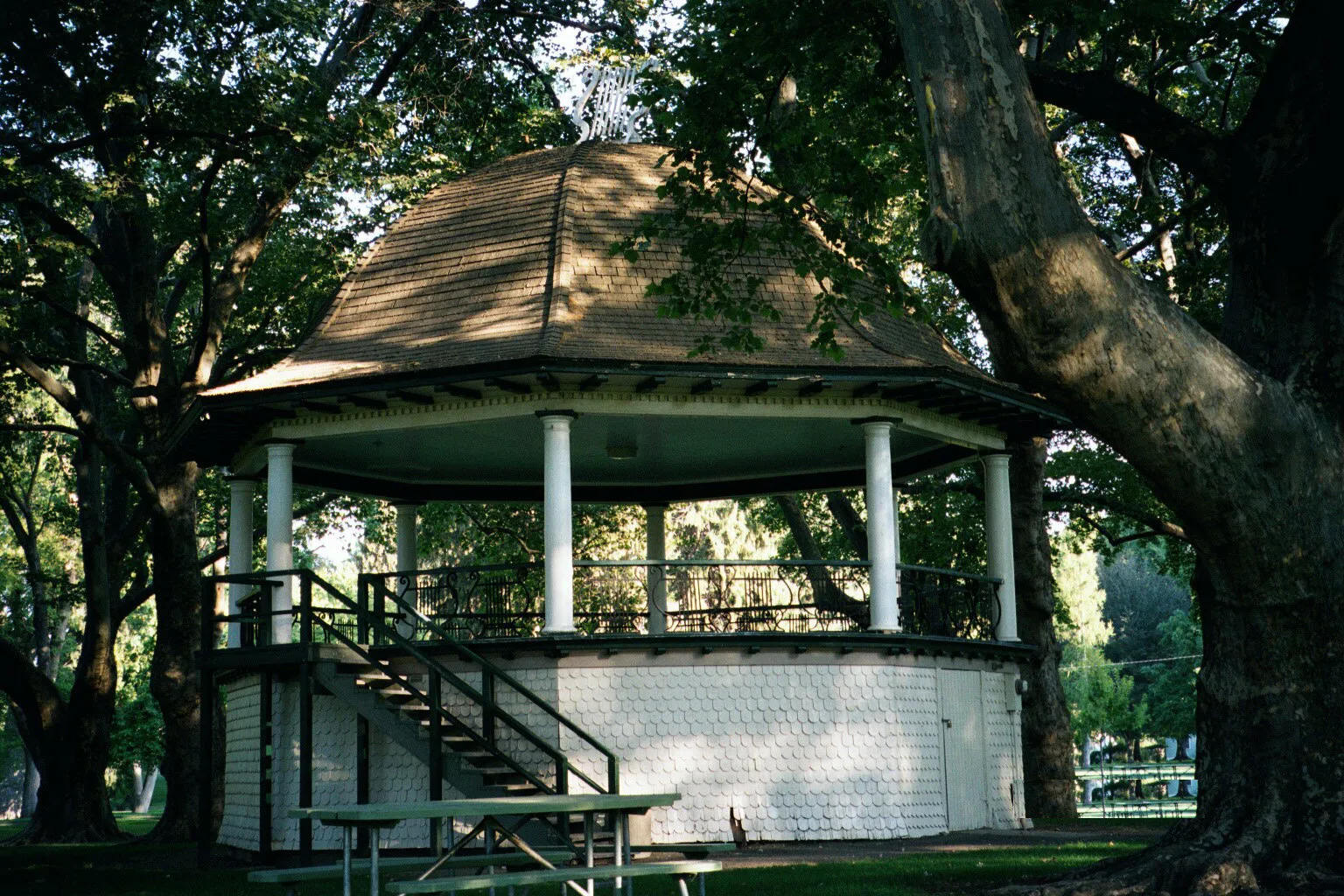
Shaded walks, historical architecture, and municipal park space
This is a quick starting point. The full guide covers 8 local neighborhoods and districts in Walla Walla.
Eat & drink
When the decision is less about what to do and more about where to eat or grab a drink, start here. These local cues narrow the food and drink decision without turning dinner or a night out into another hour of comparison.
For spontaneous dining, target casual establishments like AK's Mercado for smoked meats and tacos, Graze for sandwiches, Yamas Greek Eatery, or Sweet Basil Pizzeria. High-end restaurants such as Saffron Mediterranean Kitchen, Passatempo Taverna, and Hattaway's on Alder usually require reservations weeks ahead for summer and fall weekends. If dining past 9:00 p.m., head to late-night taprooms like Red Monkey Downtown, T-Post Tavern, or Stone Hut Bar & Grill.
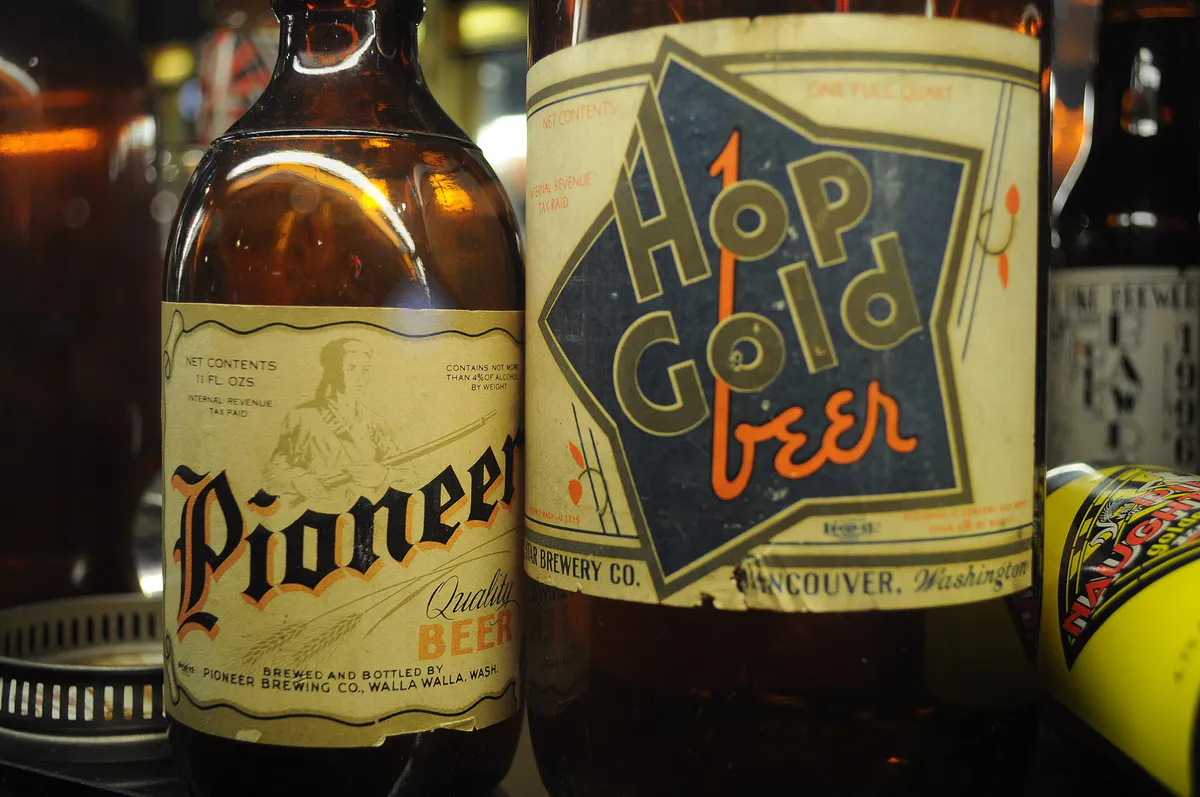
Because primary restaurant kitchens across town generally close by 9:30 p.m., late-night food and drink options lean on established local grills and taprooms. Stone Hut Bar & Grill (established 1952), T-Post Tavern, and Red Monkey Downtown serve food and drinks past 10:00 p.m.
Still comparing options? Adventria can narrow the choice around budget, distance, vibe, and who you are with.
Decide with AdventriaPlan by situation
Start with the kind of plan you are actually trying to make. These city-specific ideas narrow the choice around who you are with, what you want to spend, the weather, and the kind of outing you want.
Spend the morning at Pioneer Park exploring the formal shade gardens, playground, and outdoor aviary. Follow up with a visit to Fort Walla Walla Park, which features a 208-acre open area, disc golf, a skate park, and the Fort Walla Walla Museum's pioneer village. Bright's Candies in downtown offers observation windows to view candy-making in real time, while Bennington Lake provides easy, paved and dirt walking paths.
Tour the climate-controlled indoor exhibit halls at Fort Walla Walla Museum or examine 19th-century pioneer history at the Kirkman House Museum. Watch artisan chocolate production through the window at Bright's Candies, browse local titles at Book & Game, or catch a live performance or film at the historic Gesa Power House Theatre.
Visit Whitman Mission National Historic Site, located eight miles west off Highway 12, which offers 100% free admission year-round. Tour the museum exhibit, watch the orientation film, view original Oregon Trail wagon ruts, and walk up Monument Hill. Combine this with a self-guided downtown bronze sculpture walk and a visit to Penrose Library on the Whitman College campus.
Groups of six or more must book winery reservations weeks or months in advance, as seating for larger parties at both estate and downtown tasting rooms is strictly limited. To simplify transit between distant rural districts like Southside and Eastside, hire a local wine tour van or shuttle service.
For an outdoor plan from Walla Walla, compare trails, state parks, national parks within trip range, and scenic drives. Options in the current city guide include Camp William T. Wooten State Park Property and Sacajawea.
For a short escape from Walla Walla, compare Pullman and Richland. More options are listed in the trip section below.
Outdoors nearby
Use these nearby outdoor options when the plan calls for a trail, protected landscape, park, or drive instead of another indoor stop. Proximity here is geographic, not a promise about driving time.
Get out of town
When staying in town is not the answer, these nearby destinations give you a smaller starting set for a day trip, overnight escape, or weekend away.
Destination relationships are screened geographically. Straight-line proximity is not presented as road mileage or estimated travel time.
Local decision signals
A useful local recommendation depends on how the city actually works. These conditions affect where to go, what to do, and whether a plan makes sense right now.
Valley Transit operates fixed-route and dial-a-ride bus services with no fare required for any passenger, funded through state climate initiatives.
On-street parking in the downtown core is free but capped at two hours on weekdays. Free public perimeter lots allow all-day parking.
Arriving passengers at ALW can call Valley Transit directly to request an on-demand bus deviation to the terminal curb during operating hours.
High-end dining kitchens close early, generally between 8:30 p.m. and 9:30 p.m. Late-night dining past 10:00 p.m. is limited to a few historic taprooms and grills.
Buses accept passengers along fixed routes by flag-stop anywhere safe, except inside designated downtown and university core zones.
Rural estate tasting rooms shorten operating days or switch to appointment-only formats in winter, while downtown tasting rooms remain open consistently year-round.
Neighborhood context
Neighborhoods are not interchangeable. Each area offers a different balance of atmosphere, transportation, food, nightlife, activities, and planning friction.
Best for: Walkable wine tasting, boutique shopping, and fine dining
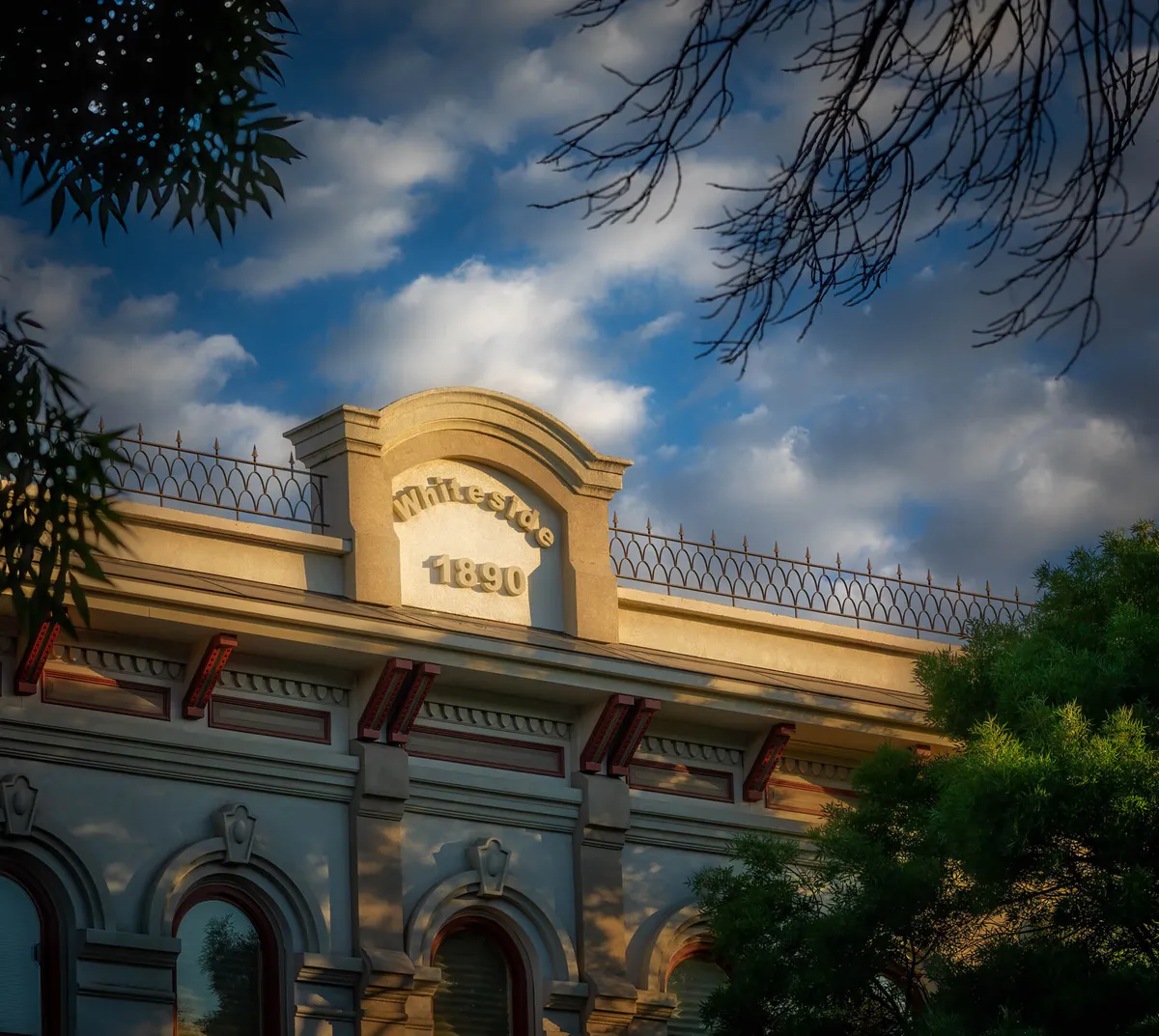
Listed on the National Register of Historic Places, downtown features over 100 historic properties, more than 30 walkable tasting rooms, fine dining establishments, and boutique accommodations like The FINCH and Marcus Whitman Hotel.
Best for: Craft beverages, relaxed groups, and casual tasting
Located three miles northeast of downtown on the grounds of a WWII Army Air Base, this industrial district houses 17 craft wineries, breweries, distilleries, coffee roasters, and art studios with wide streets and simple parking.
Best for: Estate vineyard views and comparative reserve tastings
Extending south toward the Oregon border and the Blue Mountains, the Southside features over 23 estate wineries surrounded by extensive contiguous vineyard acreage and outdoor tasting patios.
Best for: Scenic foothill landscapes and architectural estates
Climbing into the Blue Mountain foothills along Mill Creek Road, this area offers high-elevation vineyards, dramatic terrain, and secluded architectural winery estates.
Best for: Historic Washington wineries and classic estate grounds
Stretching west along the Highway 12 corridor, the Westside features pioneer Washington wineries housed on historic farmland and repurposed schoolhouse properties.
Best for: Shaded walks, historical architecture, and municipal park space
Anchored by the 117-acre residential liberal arts college and the adjacent 40-acre municipal Pioneer Park, this district features historic homes, mature tree canopies, and cultural venues like Cordiner Hall.
Best for: Suburban conveniences, family parks, and university proximity
An adjacent incorporated city directly west/southwest of Walla Walla, College Place is home to Walla Walla University, neighborhood parks, and commercial retail corridors.
Best for: Residential quiet and neighborhood park access
A residential neighborhood elevated south of downtown characterized by winding streets, established single-family homes, and convenient access to local elementary schools and parks.
Walla Walla local guide
Choosing how to experience Walla Walla depends on deciding between the scenic atmosphere of rural estate wineries and the effortless walkability of the downtown core. The surrounding countryside—divided into distinct regions like the Southside, Eastside/Mill Creek, Westside, and Airport District—offers sweeping views of rolling vineyards and the Blue Mountains. Visiting these estates typically requires advance reservations, higher tasting fees, and careful transportation planning across spread-out rural roads.
Conversely, Downtown Walla Walla consolidates more than 30 tasting rooms into a compact, flat historic district. Tasters can park once in a long-term lot or ride public transit, moving on foot between tasting rooms, artisan shops, cafes, and fine dining establishments. For travelers seeking spontaneous visits or flexible schedules, downtown eliminates designated driver logistics and transit friction entirely.
A practical strategy for multi-day itineraries is spending mornings in rural estate districts like Southside or Mill Creek, where seated comparative tastings capture the regional landscape, before transitioning downtown in the afternoon for walkable food, shops, and casual flight bars.
Explore your options
Each wine district surrounding Walla Walla offers distinct geographic settings, tasting room formats, and logistical requirements.
Concentrated urban setting featuring over 30 tasting rooms integrated into a historic, walkable city center.
Converted WWII Army Air Base housing craft wineries, breweries, distilleries, and roasteries with relaxed group settings.
Rolling vineyard terrain stretching toward the Oregon border, home to large estate wineries and sweeping patios.
High-elevation foothill district along Mill Creek Road featuring dramatic terrain and secluded luxury estates.
Practical local guidance
Visitors and residents can access numerous cultural, historical, and outdoor assets in Walla Walla without pre-booking fees or high expenses.
A simpler way to decide
Follow these practical steps to navigate local transportation, dining hours, and seasonal schedule shifts.
Decide whether your group prefers walking between downtown tasting bars or driving to estate vineyards with panoramic scenery.
Book weekend evening meals at popular fine dining spots several weeks in advance to account for early kitchen closures.
Park in free public perimeter lots downtown to avoid two-hour street limits, or take advantage of Valley Transit's zero-fare routes.
Leave afternoon gaps open for walk-in downtown tasting flights, local bakeries, museum visits, or walks through Pioneer Park.
Confirm winter operating schedules for rural estate wineries, and monitor Highway 12 construction updates when driving from Tri-Cities.
Common local questions
These are common situations people face when trying to decide where to eat, what to do, where to get drinks, or how to spend their time in Walla Walla.
Walla Walla planning questions
Practical answers for people deciding where to eat, what to do, where to go, or how to make plans in Walla Walla.
Yes. Valley Transit operates a zero-fare transit system across all fixed routes, dial-a-ride, and connector services for all passengers, supported in part by state climate funding.
Travelers arriving at ALW can call Valley Transit directly during service hours to request that the next Route 1 or West Loop bus deviate directly to the airport terminal curb for pickup.
On-street parking in the downtown core is free but limited to two hours from 7:00 a.m. to 5:00 p.m., Monday through Friday. All-day free parking is available in off-street public lots around the downtown perimeter.
The US 12 Phase 8 project is expanding the remaining two-lane bottleneck between Wallula and Nine Mile Hill into a four-lane divided highway, improving safety and transit times between Tri-Cities and Walla Walla.
Yes, entrance to the Whitman Mission National Historic Site visitor center, grounds, trails, wagon ruts, and Monument Hill is 100% free year-round.
Most estate wineries in the Southside, Eastside, and Westside districts strongly encourage or require advance reservations for seated tasting flights, especially on summer and fall weekends.
High-end dining kitchens close early, usually between 8:30 p.m. and 9:30 p.m. Late-night food past 10:00 p.m. is generally limited to local taprooms such as Stone Hut Bar & Grill, T-Post Tavern, and Red Monkey Downtown.
From November through March, many rural estate wineries reduce operations to Thursday through Sunday or switch to appointment-only formats, while downtown tasting rooms maintain regular year-round hours.
Source transparency
Official and locally relevant sources used to verify the practical information presented in this Walla Walla decision guide.
Walla Walla decision engine
Tell Adventria what kind of experience you want, set your practical limits, and turn the options in Walla Walla into one workable plan.
Choose a Walla Walla Plan