Downtown Hood River
Best for
Boutique retail, fine dining, historic brick architecture, and cultural arts.
 AdventriaLocalOpen App
Local Practicality & District Navigation
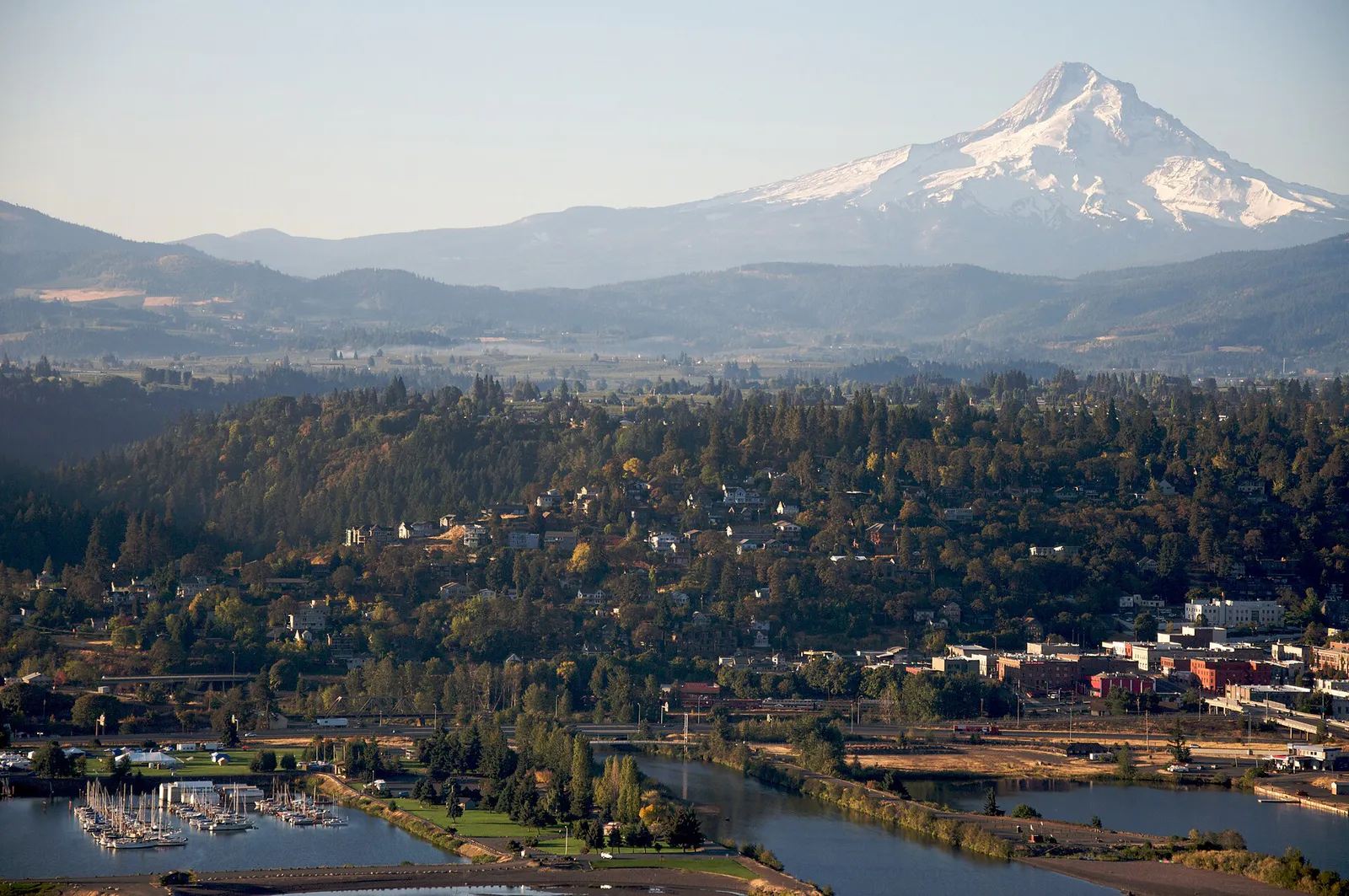
Trying to decide what to do in Hood River? Adventria helps you cut through the options and choose a good-enough plan without endless scrolling. Planning a day or trip in Hood River requires understanding its distinct geographical layers. From the windy riverbanks of the Waterfront District up the steep bluffs to Downtown, The Heights, and the fruit orchards of the Upper Valley, each area serves a specific purpose. This guide helps you choose where to go, how to move between districts, and how to avoid local friction points like bridge toll penalties, parking zone shifts, and early kitchen closures.
The local decision problem
Navigating district elevation shifts, parking rules, bridge tolls, seasonal winds, and early dining schedules in Hood River.
That is where Adventria comes in. Adventria helps narrow the options in Hood River around practical factors like location, distance, budget, vibe, who you are with, and the kind of experience you actually want, so research can turn into a decision.
Let Adventria narrow the optionsPick the right part of town
Different parts of Hood River work for different kinds of plans. Start with the experience you want, then narrow the map.
Best for
Boutique retail, fine dining, historic brick architecture, and cultural arts.
Best for
Wind sports, water access, craft breweries, and riverfront family recreation.
Best for
Everyday services, neighborhood dining, avoiding tourist crowds, and local cider taps.
Best for
Commercial shopping, public transit transfers, and staging for mountain biking.
Best for
Urban renewal planning, commercial flex space, and light industrial services.
Best for
Fruit picking, cider tasting, scenic mountain views, and rural road tours.
Eat & drink
When the decision is less about what to do and more about where to eat or grab a drink, start here. These local cues narrow the food and drink decision without turning dinner or a night out into another hour of comparison.
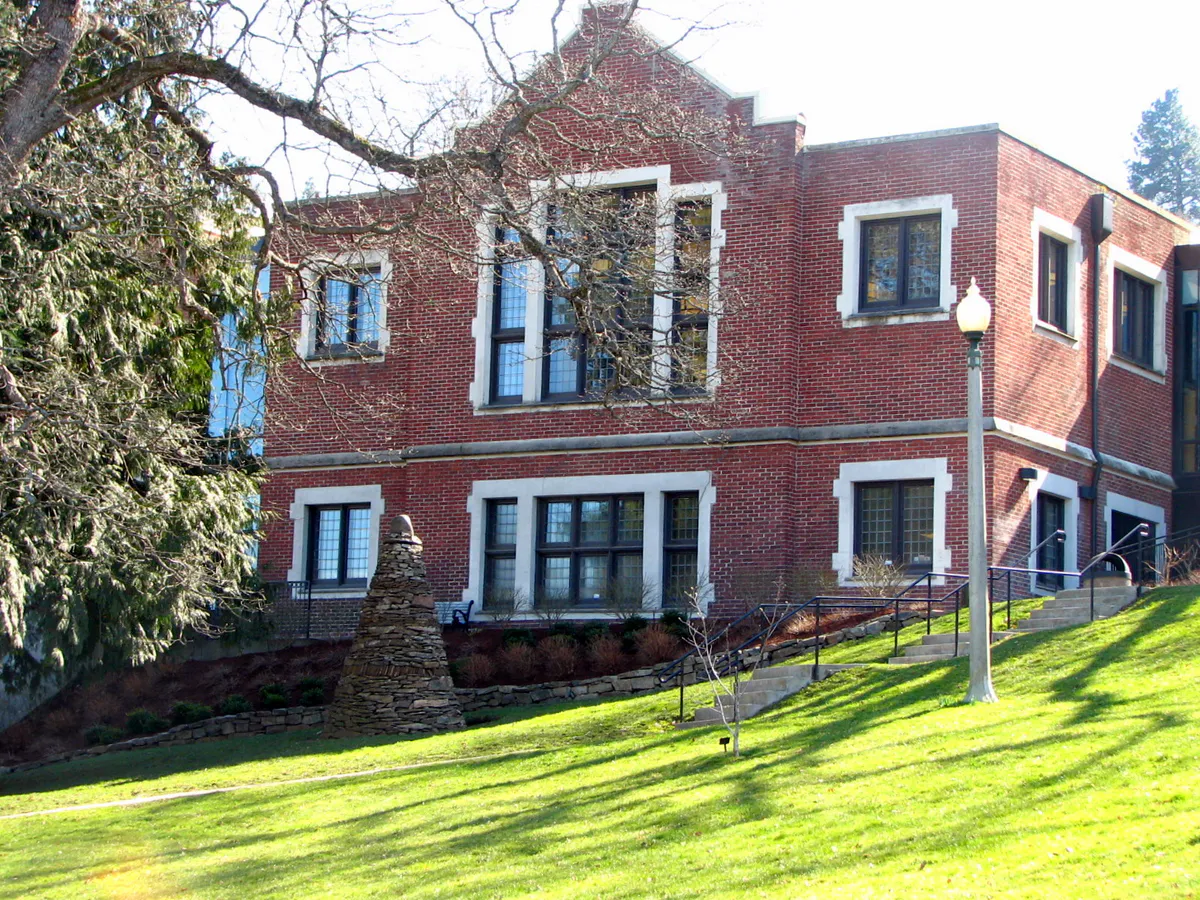
Head to spacious taprooms with casual walk-in models. Downtown, Double Mountain Brewery serves New Haven-style brick-oven pizza and craft ales on a walk-in basis. At the Waterfront, pFriem Family Brewers and Ferment Brewing Company offer large indoor and outdoor seating areas. In The Heights, Working Hands Fermentation provides lager-forward beers, Slopeswell ciders, and casual food options.
Because Hood River kitchens close early (typically 8:00 p.m.–9:30 p.m.), order food before 8:30 p.m. For evening entertainment, head to Working Hands Fermentation in The Heights for Thursday pub trivia or Sunday open mic nights, check Hood River Brewing Co. for comedy showcases, or look for live music events at local taprooms.
Still comparing options? Adventria can narrow the choice around budget, distance, vibe, and who you are with.
Decide with AdventriaPlan by situation
Start with the kind of plan you are actually trying to make. These city-specific ideas narrow the choice around who you are with, what you want to spend, the weather, and the kind of outing you want.
For an outdoor plan from Hood River, compare trails, state parks, national parks within trip range, and scenic drives. Options in the current city guide include Doug's Beach and Columbia Hills.
Start with a scenic late-afternoon drive along the Fruit Loop for wine or cider tasting at The Gorge White House, followed by double-mountain views of Mt. Hood and Mt. Adams at Panorama Point County Park. Finish with dinner focusing on regional Pacific Northwest sourcing at Celilo Restaurant & Bar in Downtown, followed by a theatrical performance or gallery visit at the Columbia Center for the Arts.
Hood River Waterfront Park features a fenced children's playground, a splash pad, grassy lawns, and a sheltered beach entry along the river. For an educational outing, visit WAAAM on the second Saturday of the month (10:00 a.m.–2:00 p.m.) for Action Days, where volunteers start up vintage engines, fly historic planes, and drive antique cars.
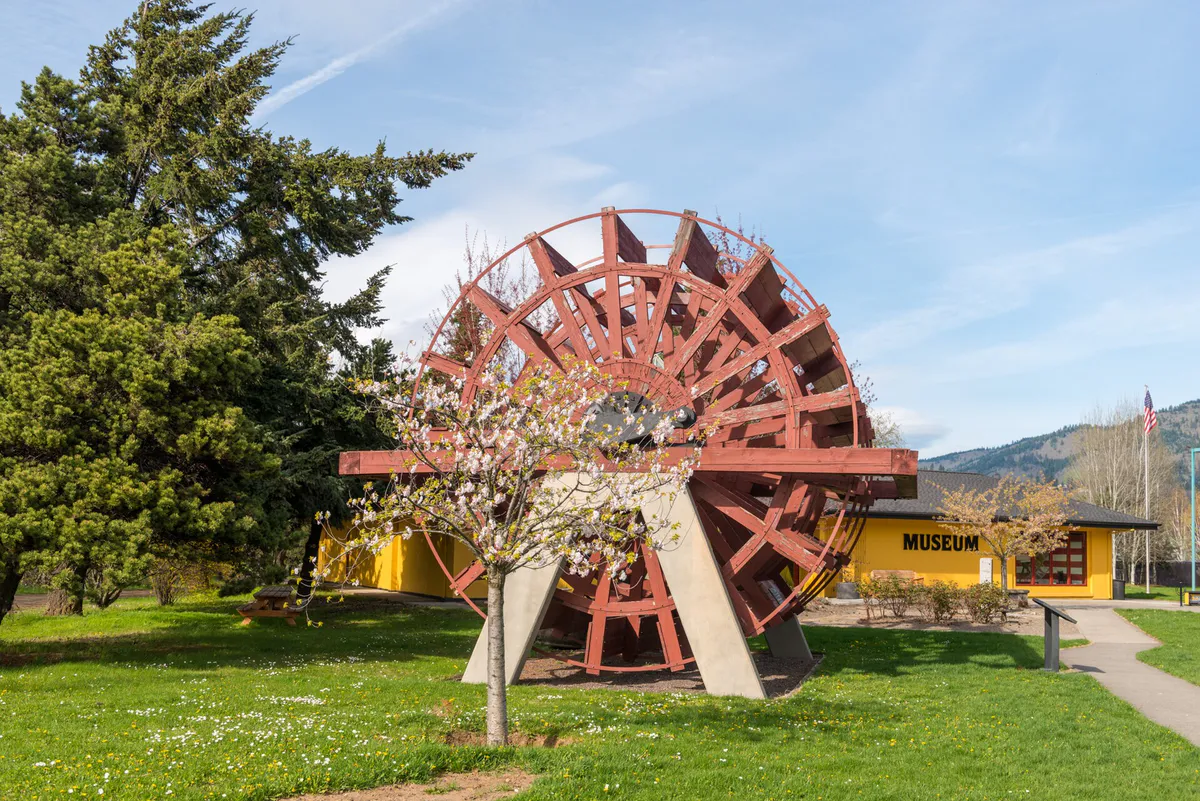
Spend 2 to 4 hours exploring over 3.5 acres of indoor displays at the Western Antique Aeroplane & Automobile Museum (WAAAM), housing around 170 antique aircraft and 210 vintage cars. Alternatively, visit the Columbia Center for the Arts gallery Downtown (open Wednesday–Sunday 12:00 p.m.–5:00 p.m.), check out the History Museum of Hood River County near the waterfront, or sample non-alcoholic craft botanicals at Wilderton's tasting room.
Columbia Area Transit (CAT) operates the Local City Route 7 days a week for $1.00 per ride. The bus loops every 35–40 minutes, connecting the CAT Transit Center, Downtown, West Cascade shopping centers, The Heights, and the Waterfront. Frequent riders or regional travelers can purchase an annual $40 Gorge Pass ($20 for youth) for unlimited rides on CAT and regional transit partners.
For a short escape from Hood River, compare Portland and Hillsboro. More options are listed in the trip section below.
Outdoors nearby
Use these nearby outdoor options when the plan calls for a trail, protected landscape, park, or drive instead of another indoor stop. Proximity here is geographic, not a promise about driving time.
Get out of town
When staying in town is not the answer, these nearby destinations give you a smaller starting set for a day trip, overnight escape, or weekend away.
Destination relationships are screened geographically. Straight-line proximity is not presented as road mileage or estimated travel time.
Local landmarks & attractions
These notable destinations offer a starting point when you want something specific to see, visit, or build into a day around Hood River. Distances are approximate from the city area.
aviation and automobile museum in Oregon, United States
research arboretum in the Gifford Pinchot National Forest in Carson, Washington, United States
historic house near Hood River, Oregon, USA
park in Hood River, Oregon, U.S
historic house in Hood River, Oregon, USA
decommissioned canal in Oregon, USA
Notable places are selected from structured public destination data and ranked for relevance, prominence, proximity, and variety.
Local decision signals
A useful local recommendation depends on how the city actually works. These conditions affect where to go, what to do, and whether a plan makes sense right now.
The Hood River–White Salmon Interstate Bridge uses 100% cashless tolling. Standard crossings cost $1.75 via BreezeBy transponder or $3.50 pay-by-plate online within 14 days before late fees apply.
The city steps upward from the Columbia River shoreline (~70–100 ft) to Downtown, climbing a steep 400–500 foot bluff to reach The Heights and Westside neighborhoods.
As an outdoor recreation community, most brewpubs and restaurant kitchens close between 8:00 p.m. and 9:30 p.m. on weeknights and by 10:00 p.m. on weekends.
Rising heat in the eastern desert draws cool marine air through the narrow Gorge, creating sustained 20–30+ knot west-to-east afternoon winds ideal for windsurfing and kiteboarding.
Downtown metered parking is enforced Mon–Sat 8:00 a.m. to 6:00 p.m. by the City, while Waterfront parking is enforced 7 days 9:00 a.m. to 8:00 p.m. by the Port of Hood River.
Riding or hiking at Post Canyon requires a Hood River County Forest parking permit ($10 daily / $45 annual), as Oregon State Park and NW Forest Passes are not accepted there.
Hood River receives 30–35 inches of annual rain, making it significantly drier than Cascade Locks (75+ inches) 20 miles west, but wetter than The Dalles (14 inches) 20 miles east.
Neighborhood context
Neighborhoods are not interchangeable. Each area offers a different balance of atmosphere, transportation, food, nightlife, activities, and planning friction.
Best for: Boutique retail, fine dining, historic brick architecture, and cultural arts.
Perched on the lower bench above the Columbia River, Downtown is centered on Oak and Cascade Streets. It features walkable streets lined with independent shops, craft taprooms, art galleries, and historic landmarks like the Waucoma Bookstore and Columbia Center for the Arts.
Best for: Wind sports, water access, craft breweries, and riverfront family recreation.
Located along Portway Avenue directly on the Columbia River shoreline, this redeveloped area features modern brewpubs, wood-fired eateries, non-alcoholic tasting rooms, Hood River Waterfront Park, and wind sports staging at The Event Site and The Hook.
Best for: Everyday services, neighborhood dining, avoiding tourist crowds, and local cider taps.
Situated atop the 400-foot bluff along 12th and 13th Streets, The Heights is the residential and local service core of Hood River. It features quiet neighborhood streets, grocery stores, local bakeries, and community gather spots like Working Hands Fermentation.
Best for: Commercial shopping, public transit transfers, and staging for mountain biking.
Positioned near I-84 Exit 64, West Cascade is home to larger retail centers, commercial services, and the Columbia Area Transit center. Heading south, the Westside residential area climbs into tree-lined neighborhoods providing primary road access to the Post Canyon trail network.
Best for: Urban renewal planning, commercial flex space, and light industrial services.
An urban renewal district bridging the commercial gap between Downtown and eastern transport corridors along the Columbia River transport corridor.
Best for: Fruit picking, cider tasting, scenic mountain views, and rural road tours.
Extending south toward Mt. Hood along Highway 35, these unincorporated agricultural communities anchor the 35-mile Hood River Fruit Loop, featuring generational pear and apple orchards, country farm stands, cideries, and views from Panorama Point.
Explore your options
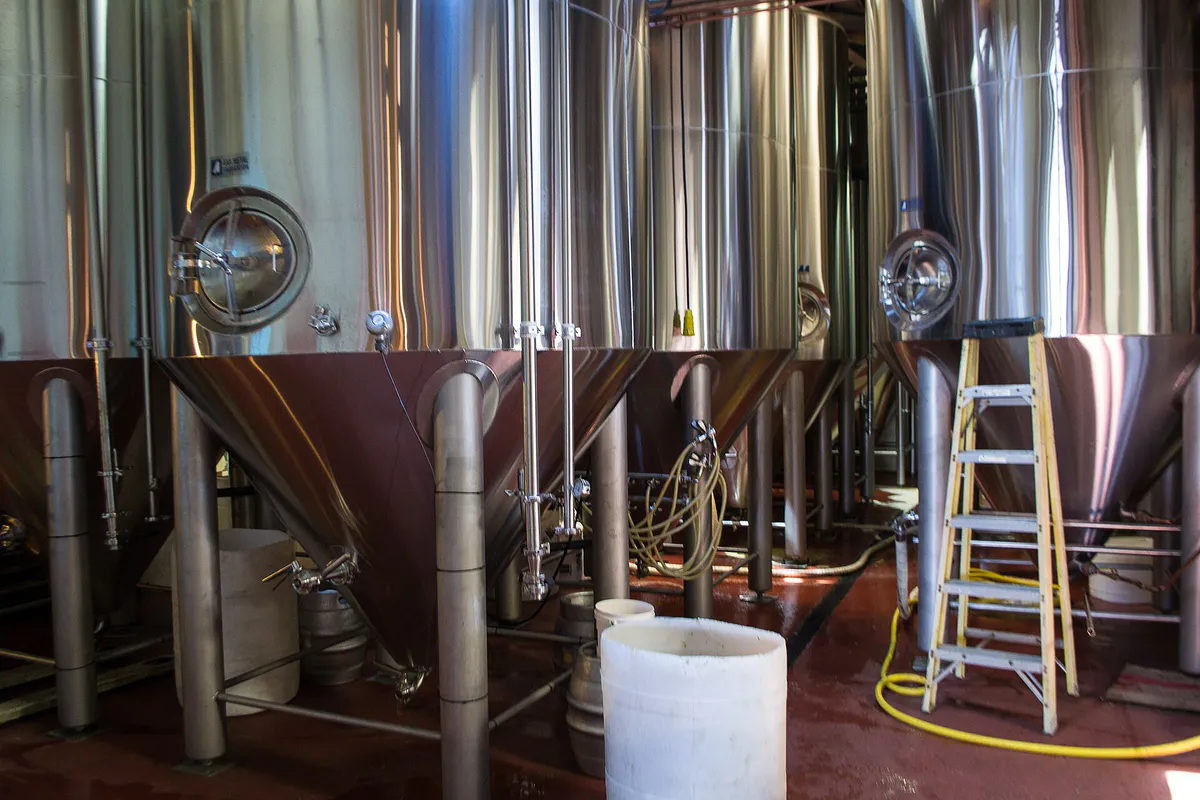
Each district in Hood River offers distinct amenities, terrain, and operational rhythms. Select the area that matches your activity goals for the day.
The walkable cultural center of Hood River, ideal for independent shopping, fine dining, and arts.
The riverfront active zone, built around wind sports, craft beverages, and family park amenities.
The unpretentious upper district offering community services and casual gathering spaces away from tourist congestion.
The rural agricultural heartland extending south toward Mt. Hood along Highway 35.
Practical local guidance
Avoid unexpected fees, parking tickets, or missed meals by keeping these practical local rules in mind:
A simpler way to decide
Follow these logical steps to structure your time efficiently while navigating elevation changes and local regulations.
Download the Flowbird or Passport mobile parking apps before arriving. If moving frequently between Downtown, The Heights, and the Waterfront, consider parking once and using the $1.00 CAT Local City Route to bypass hill climbs.
Assess afternoon thermal wind forecasts. If strong 20+ knot winds are predicted, schedule calm water activities like paddleboarding for early morning, or plan afternoon visits to sheltered inland lakes or Upper Valley farm stands.
If biking Post Canyon, purchase your $10 Hood River County Forest permit online or at staging kiosks prior to parking. If crossing the river to Washington, log into the Port of Hood River portal promptly to pay your bridge toll within 14 days.
If driving the Fruit Loop, head south along OR-35 in the early afternoon to visit orchards in Odell and Parkdale, stopping at Panorama Point County Park for photo opportunities of Mt. Hood and Mt. Adams.
Plan to arrive at brewpubs or downtown dining rooms before 7:30 p.m. to ensure full menu availability before kitchen closures take effect between 8:00 p.m. and 9:30 p.m.
Check event schedules at local taprooms like Working Hands Fermentation or performance listings at the Columbia Center for the Arts for evening events starting around 6:30 p.m. or 7:00 p.m.
Common local questions
These are common situations people face when trying to decide where to eat, what to do, where to get drinks, or how to spend their time in Hood River.
Hood River planning questions
Practical answers for people deciding where to eat, what to do, where to go, or how to make plans in Hood River.
Downtown parking meters managed by the City are enforced Monday through Saturday from 8:00 a.m. to 6:00 p.m. (Sundays and federal holidays are free). Waterfront parking managed by the Port is enforced 7 days a week from 9:00 a.m. to 8:00 p.m. via mobile payment apps.
Drivers without a transponder pay $3.50 per crossing via pay-by-plate. You must pay online at csc.portofhoodriver.com/paytoll within 14 days of crossing. Late fees ($3 to $25) apply if unpaid after 14 days.
Columbia Area Transit (CAT) operates the Columbia Gorge Express connecting Hood River to Portland (Gateway Transit Center) for $10.00 one-way. In winter, CAT operates the Gorge-to-Mountain Express directly to Mt. Hood Meadows ski area for $5.00 one-way.
Post Canyon parking requires a Hood River County Forest permit ($10 daily or $45 annual). State park passes and federal NW Forest Passes are not valid on County Forest land.
Hot air rising in the eastern Oregon desert creates a low-pressure area that draws cool, dense marine air from the Pacific Coast through the narrow Columbia River Gorge channel, generating consistent 20–30+ knot afternoon winds.
No. Overnight parking is strictly prohibited between 11:00 p.m. and 6:00 a.m. in all Port of Hood River waterfront zones.
WAAAM is open daily from 9:00 a.m. to 5:00 p.m. On the second Saturday of every month, it holds Action Days from 10:00 a.m. to 2:00 p.m., featuring active plane flights and antique car demonstrations.
The Gorge Pass is an annual transit pass costing $40 for adults ($20 for youth under 18) providing 12 months of unlimited rides across CAT, Skamania County Transit, The Link, and Mt. Adams Transportation services.
Peak harvest season runs from mid-June through October, when farm stands, cideries, and U-pick fields are fully open. Spring (April) is ideal for viewing fruit tree blossoms throughout the valley.
Wilderton Botanical Spirits operates a dedicated non-alcoholic craft distillery and tasting room in the Waterfront District. Additionally, Crush Cider Cafe downtown and Working Hands Fermentation in The Heights offer expansive selections of regional hard ciders.
Source transparency
Official and locally relevant sources used to verify the practical information presented in this Hood River decision guide.
Hood River decision engine
Tell Adventria what kind of experience you want, set your practical limits, and turn the options in Hood River into one workable plan.
Choose a Hood River Plan