LoDo (Lower Downtown)
Best for
First-time visitors, sports fans, direct airport transit access, and historic brick architecture.
 AdventriaLocalOpen App
Mile High City Planning Guide
Trying to decide what to do in Denver? Adventria helps you cut through the options and choose a good-enough plan without endless scrolling. Whether you are adjusting to 5,280 feet of elevation, deciding between food halls in RiNo or LoHi, or trying to avoid post-show surge pricing at Red Rocks, this decision guide helps residents and visitors plan smarter days and nights across Denver.
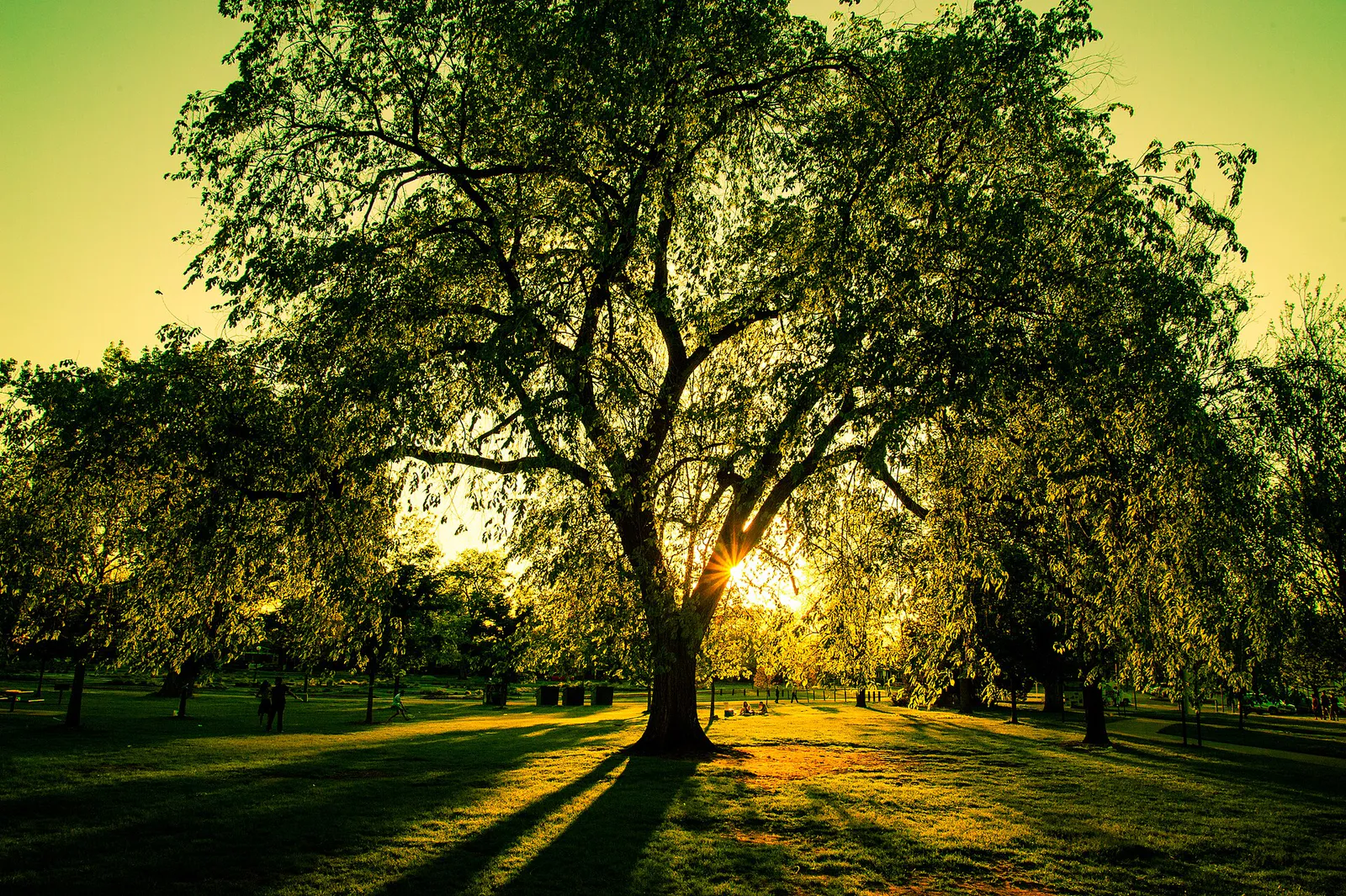
The local decision problem
Navigating Denver's high-altitude geography, distinct neighborhood pockets, public transit options, and mountain weather patterns to make seamless plans.
That is where Adventria comes in. Adventria helps narrow the options in Denver around practical factors like location, distance, budget, vibe, who you are with, and the kind of experience you actually want, so research can turn into a decision.
Let Adventria narrow the optionsPick the right part of town
Different parts of Denver work for different kinds of plans. Start with the experience you want, then narrow the map.
Best for
First-time visitors, sports fans, direct airport transit access, and historic brick architecture.
Best for
Craft breweries, live street art, food halls, jazz clubs, and industrial night outings.
Best for
Skyline dinner views, patio cocktails, boutique shopping, and romantic evenings.
Best for
Concert venues, late-night comfort dining, independent coffee shops, and Victorian architecture.
Best for
Museum tours, civic architecture, quiet daytime walks, and modern art lovers.
Best for
High-end retail, outdoor strolling, boutique luxury hotels, and upscale fine dining.
This is a quick starting point. The full guide covers 8 local neighborhoods and districts in Denver.
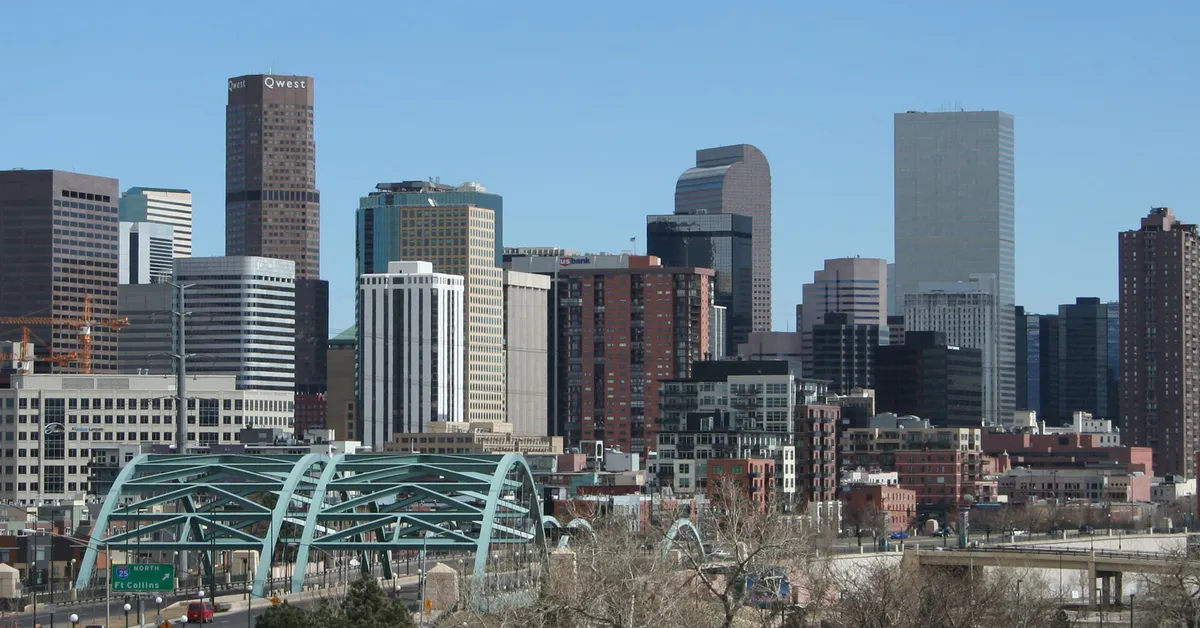
Eat & drink
When the decision is less about what to do and more about where to eat or grab a drink, start here. These local cues narrow the food and drink decision without turning dinner or a night out into another hour of comparison.
For places to eat in Denver, start with Capitol Hill & Uptown or LoHi (Lower Highland) depending on the kind of stop you want. Start with Capitol Hill & Uptown for concert venues, late-night comfort dining, independent coffee shops, and Victorian architecture.. A high-density residential area east of the Colorado State Capitol packed with historic venues like the Ogden and Fillmore, late-night eateries, and classic dives. LoHi (Lower Highland) works for skyline dinner views, patio cocktails, boutique shopping, and romantic evenings.. Perched on a hill across the South Platte River from Downtown, LoHi offers elevated views of the city, walkable pedestrian bridges, and stylish dining spots.
Skip expensive rideshares from DEN airport by buying a single transit pass for the RTD A Line commuter rail. Arrive at Union Station in 37 minutes, where you can immediately step into the historic Great Hall for drinks at the Terminal Bar, coffee, or local ice cream before exploring LoDo on foot.
Still comparing options? Adventria can narrow the choice around budget, distance, vibe, and who you are with.
Decide with AdventriaPlan by situation
Start with the kind of plan you are actually trying to make. These city-specific ideas narrow the choice around who you are with, what you want to spend, the weather, and the kind of outing you want.
Start with early evening drinks and dinner on a hillside patio in LoHi overlooking the Downtown skyline. Cross the pedestrian Highland Bridge into LoDo for a performance at the Denver Center for the Performing Arts or catch intimate live jazz at Nocturne in RiNo.
Head to City Park, where children can play near Ferril Lake with mountain views in the background. Pair your park outing with a visit to the Denver Museum of Nature & Science or the Denver Zoo, keeping an eye out for tax-funded SCFD free admission days that run throughout the year.
Escape snow or heavy rain in the Golden Triangle district by pairing the indoor galleries of the Denver Art Museum with the nearby Clyfford Still Museum. Alternatively, head to Capitol Hill to browse shelves and enjoy warm drinks inside the iconic Tattered Cover Book Store.
Spend the afternoon taking a self-guided mural walk through the alleyways between 26th and 34th Streets in RiNo. When hunger strikes, head to Denver Central Market, where you can order artisan wood-fired pizza, fresh seafood, or pastries to eat casually at community counters without feeling out of place.
For an outdoor plan from Denver, compare trails, state parks, national parks within trip range, and scenic drives. Options in the current city guide include Cherry Creek Reservior / State Park and Cherry Creek State Park.
For a short escape from Denver, compare Loveland and Estes Park. More options are listed in the trip section below.
Outdoors nearby
Use these nearby outdoor options when the plan calls for a trail, protected landscape, park, or drive instead of another indoor stop. Proximity here is geographic, not a promise about driving time.
Get out of town
When staying in town is not the answer, these nearby destinations give you a smaller starting set for a day trip, overnight escape, or weekend away.
Destination relationships are screened geographically. Straight-line proximity is not presented as road mileage or estimated travel time.
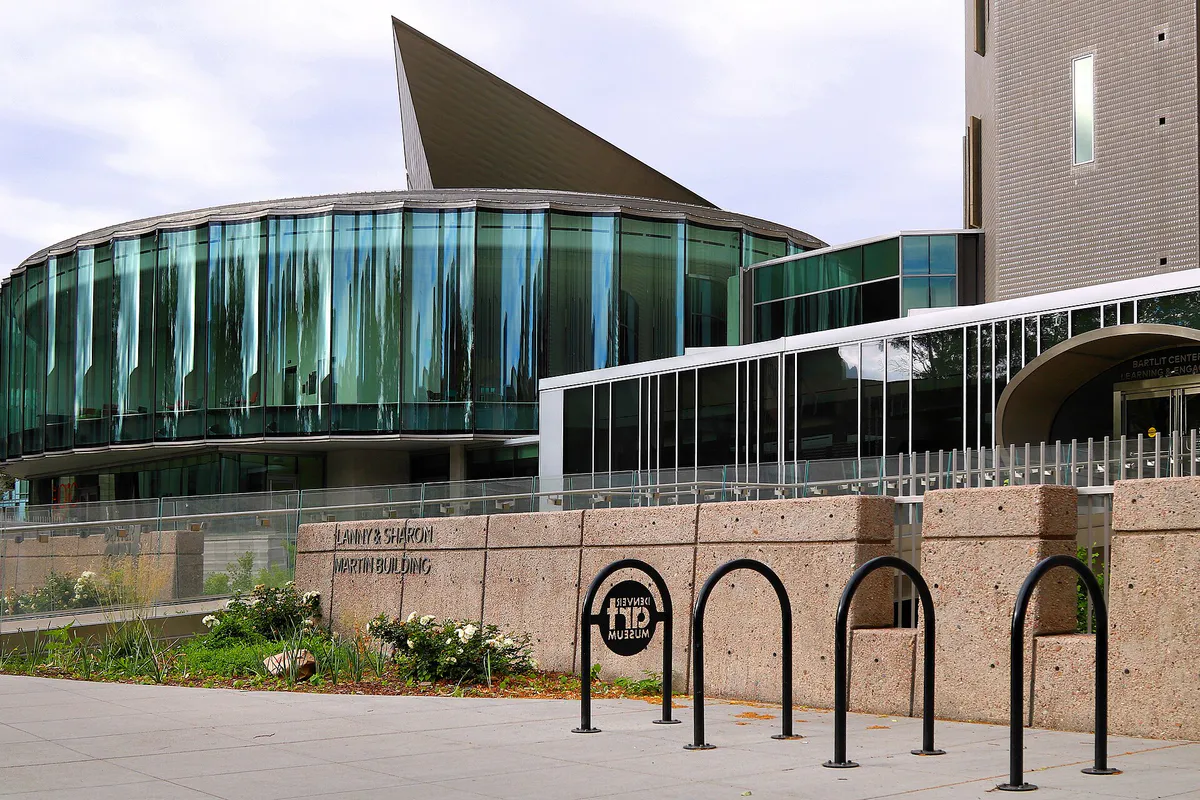
Local landmarks & attractions
These notable destinations offer a starting point when you want something specific to see, visit, or build into a day around Denver. Distances are approximate from the city area.
museum in Denver, Colorado, United States
zoo
indoor arena in Denver, Colorado, USA
state capitol building of the U.S. state of Colorado
nonprofit organization in United States of America
concert venue near Morrison, Colorado, United States of America
non-profit organization in the USA
family-owned amusement park in Lakeside, Colorado adjacent to Denver
Notable places are selected from structured public destination data and ranked for relevance, prominence, proximity, and variety.
Local decision signals
A useful local recommendation depends on how the city actually works. These conditions affect where to go, what to do, and whether a plan makes sense right now.
At a mile high, low humidity accelerates dehydration, sun exposure increases by 25%, and alcohol physical effects are significantly amplified.
Downtown Denver runs on a river-parallel diagonal street grid that clashes with the standard compass grid at Colfax Avenue and Broadway.
Brief, intense thunderstorm microbursts with heavy rain and lightning routinely sweep across the Front Range between 2:00 PM and 5:00 PM.
Mountainbound transit on I-70 West encounters severe commuter and weekend recreational congestion starting as early as 1:00 PM on Fridays.
The Jurassic Lot at Red Rocks creates 45 to 60 minute post-concert rideshare delays; scheduled shuttles avoid parking lot gridlock.
The Cherry Creek and South Platte trails allow full cross-city cycling and walking without encountering motor vehicle intersections.
On-street metered parking is free on Sundays and major municipal holidays across all City and County of Denver parking zones.
Neighborhood context
Neighborhoods are not interchangeable. Each area offers a different balance of atmosphere, transportation, food, nightlife, activities, and planning friction.
Best for: First-time visitors, sports fans, direct airport transit access, and historic brick architecture.
Denver's historic commercial anchor surrounding Union Station and Coors Field, filled with converted warehouses, steak houses, sports bars, and lofts.
Best for: Craft breweries, live street art, food halls, jazz clubs, and industrial night outings.
An adaptive-reuse district northeast of Downtown featuring vibrant alley murals, urban dining markets, craft cideries, and taprooms along Larimer and Blake streets.
Best for: Skyline dinner views, patio cocktails, boutique shopping, and romantic evenings.
Perched on a hill across the South Platte River from Downtown, LoHi offers elevated views of the city, walkable pedestrian bridges, and stylish dining spots.
Best for: Concert venues, late-night comfort dining, independent coffee shops, and Victorian architecture.
A high-density residential area east of the Colorado State Capitol packed with historic venues like the Ogden and Fillmore, late-night eateries, and classic dives.
Best for: Museum tours, civic architecture, quiet daytime walks, and modern art lovers.
Denver's cultural nexus south of Downtown housing the Denver Art Museum, Clyfford Still Museum, History Colorado Center, and Civic Center Park.
Best for: High-end retail, outdoor strolling, boutique luxury hotels, and upscale fine dining.
A polished 16-block outdoor district south of Downtown featuring high-end independent boutiques, designer fashion, public art installations, and patio bistros.
Best for: Morning runs, weekend picnics, garden walks, and relaxed neighborhood dining.
Centrally located around a 159-acre park with two lakes and historic gardens, bordered by quiet residential streets and the South Pearl historic commercial strip.
Best for: First Friday gallery crawls, authentic Hispanic culinary spots, and artist studio tours.
A designated Colorado Creative District running along Santa Fe Drive, famous for studio galleries, vibrant murals, and local Mexican bakeries.
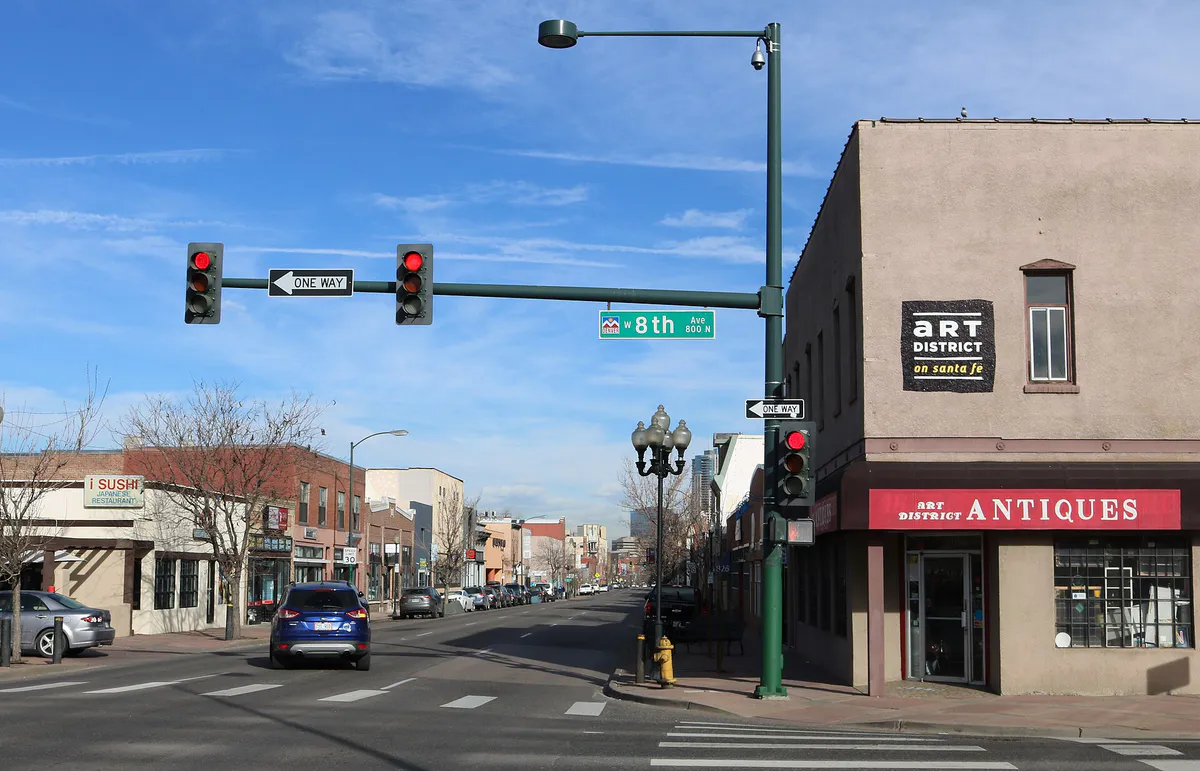
Explore your options
Denver's primary urban hubs each offer distinct architectural personalities, walkability scores, and local tradeoffs. Choose the hub that fits your travel priorities.
Best for first-time travelers seeking maximum walkability and easy airport train access.
Best for nightlife, contemporary street art, taprooms, and food market concepts.
Best for date nights, skyline photo points, and patio cocktail hours.
Best for museum lovers, architecture enthusiasts, and quiet evening stays.
Practical local guidance
Incorporate these pragmatic local rules into your schedule to minimize transit headaches, altitude issues, and parking fines.
A simpler way to decide
Red Rocks Amphitheatre is a bucket-list venue, but its remote foothill site creates major post-concert travel friction if you do not plan ahead.
Book a seat on an authorized concert shuttle operating out of Union Station or Capitol Hill weeks in advance to secure reliable round-trip transport.
Red Rocks sits at 6,450 feet elevation. Pack a warm mid-layer jacket, waterproof jacket shell, comfortable walking shoes for stair climbing, and a sealed water bottle.
If driving, arrive early to secure lower lot parking and spend time exploring the Visitor Center exhibits and natural red sandstone monoliths before entering the amphitheatre.
Navigating from the lower parking lots to row 70 involves climbing hundreds of outdoor stairs. Take deliberate breaks while ascending and drink plenty of water.
After the final lights up, head straight back to your pre-booked shuttle lot. You will pass standard rideshare lines stuck in Jurassic Lot exit bottlenecks.
Common local questions
These are common situations people face when trying to decide where to eat, what to do, where to get drinks, or how to spend their time in Denver.
Denver planning questions
Practical answers for people deciding where to eat, what to do, where to go, or how to make plans in Denver.
At 5,280 feet, low humidity accelerates dehydration while lower atmospheric oxygen increases your susceptibility to alcohol effects. A standard drink can feel noticeably stronger than at sea level. Pace yourself, drink equal parts water, and avoid heavy drinking during your first 24 hours in town.
Yes, the RTD A Line commuter rail is the primary transit link between DEN airport and Union Station in Downtown Denver. Trains depart every 15 to 30 minutes, cost $10 for an all-day pass across the full system, and complete the trip in 37 minutes, completely avoiding highway traffic jams.
Denver uses digital license plate recognition for meter enforcement. Most parking meters are managed via mobile parking apps like PayByPhone or ParkMobile. Metered street parking is strictly enforced on weekdays and Saturdays, but on-street parking at meters is free on Sundays and official city holidays.
Denver features over 850 miles of paved trails. The two major off-street spines are the Cherry Creek Trail (running from Downtown past Cherry Creek into the suburbs) and the South Platte River Trail. Both run below street level, bypassing motor vehicle intersections via underpasses.
Compared to larger coastal cities, many Denver restaurant kitchens close relatively early, often around 9:00 PM or 10:00 PM on weeknights and 10:00 PM or 11:00 PM on weekends. Late-night food option clusters are primarily located along Colfax Avenue, South Broadway (SoBo), and central LoDo.
If you plan to remain within central Denver neighborhoods like LoDo, RiNo, LoHi, and Cap Hill, you do not need a car; the RTD A Line, bike paths, micro-mobility scooters, and rideshares are sufficient. However, if your trip includes day trips to foothill parks or Red Rocks shows, renting a car or booking specialized shuttles is recommended.
Colorado green chile is a savory, thick sauce made with roasted green chiles, garlic, spices, and typically diced pork. It is served smothered over burritos, tamales, or eggs. Classic local spots like Sam's No. 3 or traditional diners along Santa Fe Drive are great places to try it.
SCFD is a regional tax district that funds local arts and science organizations. In return, major venues like the Denver Art Museum, Denver Museum of Nature & Science, and Denver Botanic Gardens offer designated free general admission days throughout the year. Some venues require advance online ticket registration due to venue capacity limits.
During June, July, and August, afternoon thunderstorms regularly form over the Rocky Mountains and sweep east over Denver between 2:00 PM and 5:00 PM. These storms pass quickly but can drop sudden heavy rain and hail, making morning hours ideal for outdoor activities.
Source transparency
Official and locally relevant sources used to verify the practical information presented in this Denver decision guide.
Denver decision engine
Tell Adventria what kind of experience you want, set your practical limits, and turn the options in Denver into one workable plan.
Choose a Denver Plan