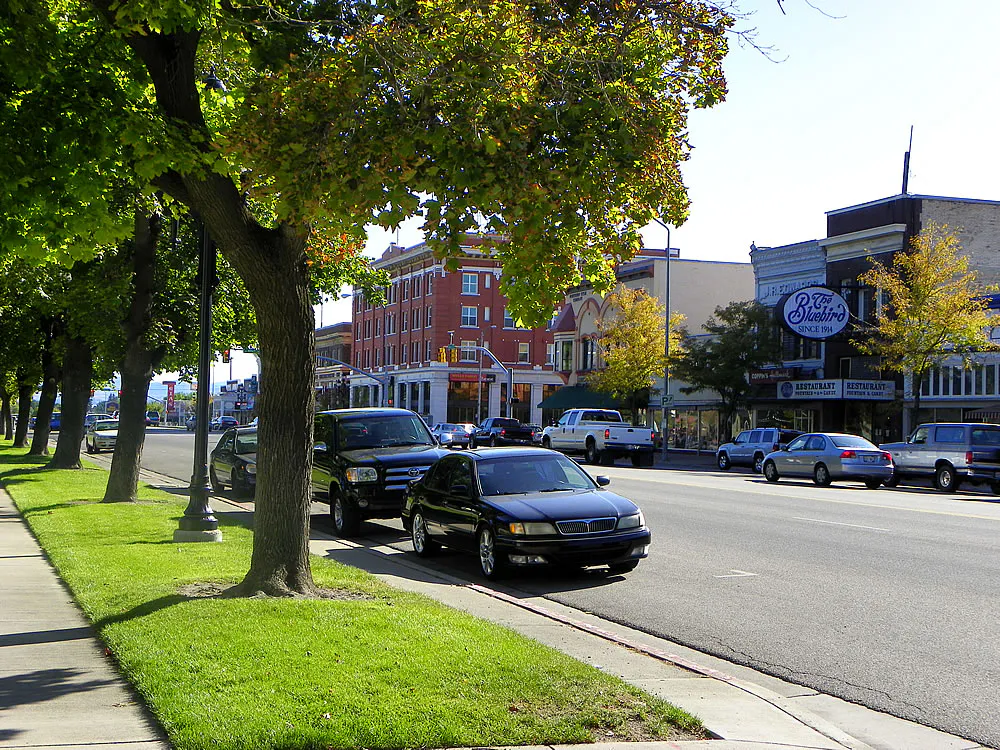
Downtown Historic District
Best for
Arts, historic theaters, walkable dining, and central transit transfers.
 AdventriaLocalOpen App
Local Decision Guide
Trying to decide what to do in Logan? Adventria helps you cut through the options and choose a good-enough plan without endless scrolling. Whether you are looking for free zero-fare transit, planning around Utah State University event traffic, escaping winter inversion, or finding Sunday-open dining, this guide provides practical decision support for Logan and the Cache Valley.
The local decision problem
How to plan activities, dining, transit, and outings in Logan while navigating mountain weather, campus events, and seasonal valley conditions.
That is where Adventria comes in. Adventria helps narrow the options in Logan around practical factors like location, distance, budget, vibe, who you are with, and the kind of experience you actually want, so research can turn into a decision.
Let Adventria narrow the optionsPick the right part of town
Different parts of Logan work for different kinds of plans. Start with the experience you want, then narrow the map.
Best for
Arts, historic theaters, walkable dining, and central transit transfers.
Best for
Campus arts, athletic events, and iconic dairy traditions.
Best for
Walkable historic neighborhood access between Downtown and USU campus.
Best for
Canyon access, elevated valley views, and residential park walks.
Best for
Quiet, shaded walks alongside natural river and canal corridors.
Best for
Family outings, zoo visits, sports fields, and public golf.
This is a quick starting point. The full guide covers 8 local neighborhoods and districts in Logan.
Eat & drink
When the decision is less about what to do and more about where to eat or grab a drink, start here. These local cues narrow the food and drink decision without turning dinner or a night out into another hour of comparison.
Take advantage of non-commercial outdoor sites: hike the Logan River Trail, visit Tony Grove Lake, or drive up Logan Canyon. Chain dining establishments along Main Street generally remain open for meals.
Check out trivia or community gatherings at Prodigy Brewing on Center Street, visit The Cache Bar & Grill, or grab dessert at Aggie Ice Cream, which stays open late Monday through Saturday.
Still comparing options? Adventria can narrow the choice around budget, distance, vibe, and who you are with.
Decide with AdventriaPlan by situation
Start with the kind of plan you are actually trying to make. These city-specific ideas narrow the choice around who you are with, what you want to spend, the weather, and the kind of outing you want.
Utilize CVTD's 100% fare-free bus system to travel between Downtown and USU. Visit NEHMA for free art exhibits, feed ducks at First Dam, and hike or jog the paved Logan River Trail starting from Rendezvous Park.
Spend a quiet afternoon exploring the NEHMA art collections, working or reading at Caffé Ibis on Tabernacle Street, and hiking the scenic Wind Cave Trail in Logan Canyon for high-elevation views.
Gather at Willow Park or First Dam for open outdoor space, walk the Logan River Trail, or drop into Angie's Restaurant for casual table service and group dessert challenges.
For an outdoor plan from Logan, compare trails, state parks, national parks within trip range, and scenic drives. Options in the current city guide include Hyrum State Park and Willard Bay State Park.
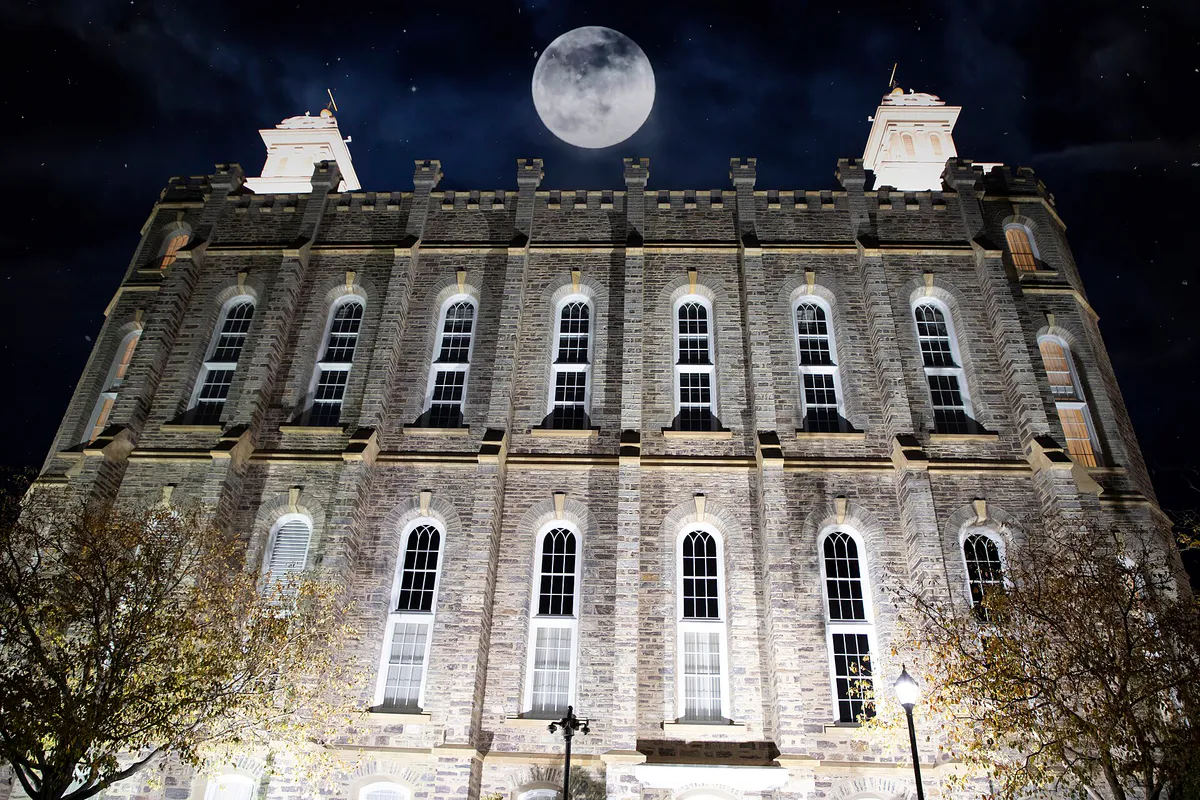
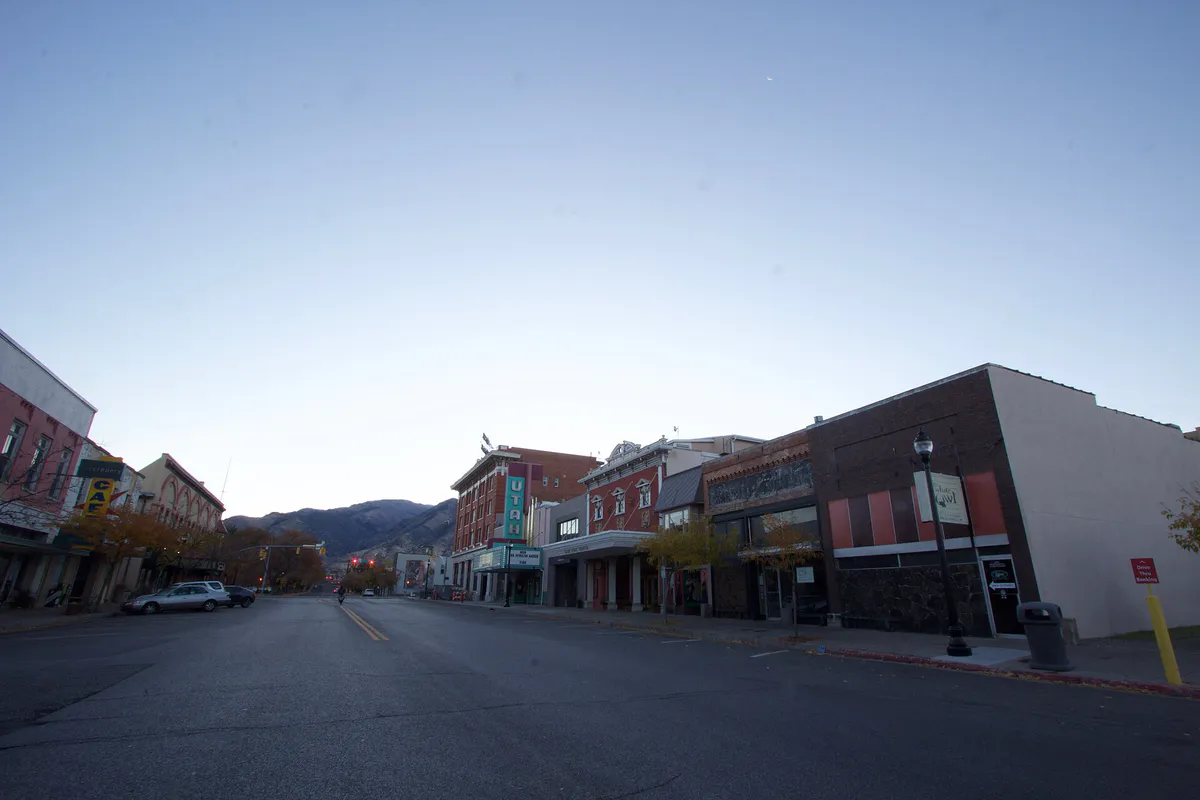
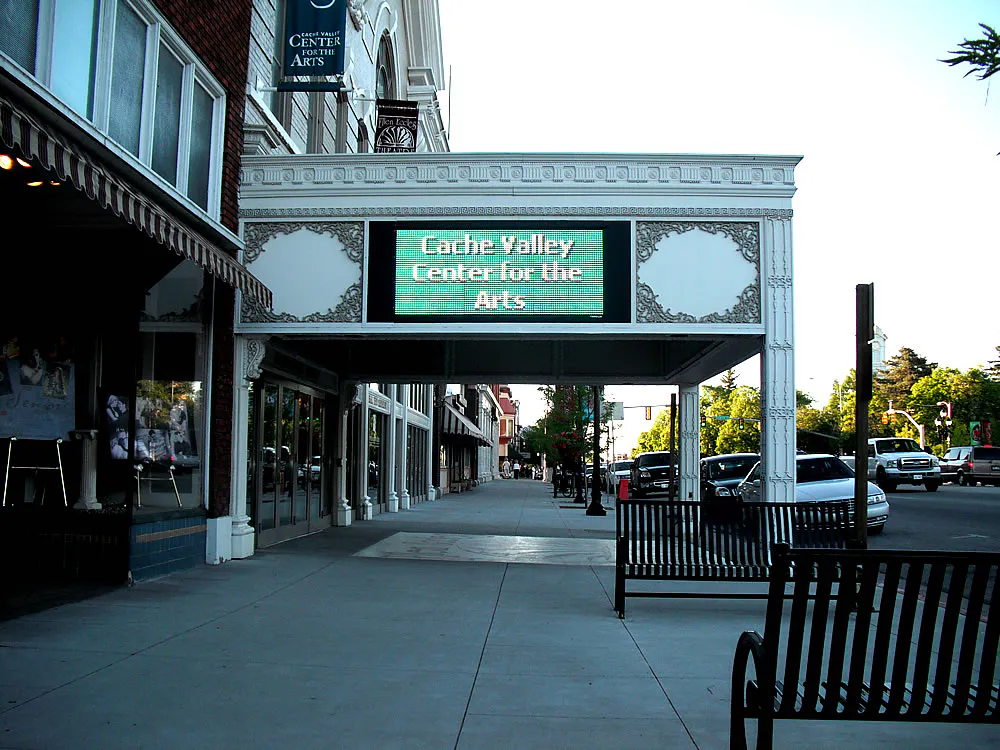
Combine a performance or screening at the historic Ellen Eccles Theatre or Utah Theatre with dinner along Center Street at Prodigy Brewing or The White Owl. End the evening with a walk around the downtown historic district or late-night scoops at Aggie Ice Cream at Blue Square.
Head to Woodruff to explore Zootah at Willow Park, feed waterfowl at First Dam / Ray Hugie Hydro Park, or visit the living-history farm at the American West Heritage Center in Wellsville. Finish with Angie's Restaurant for a family meal or the famous Clean the Sink ice cream challenge.
Visit the free-admission Nora Eccles Harrison Museum of Art (NEHMA) on the USU campus to view modern Western artworks. Follow up with a cozy sit-down at Caffé Ibis, Herm's Inn, or the Logan City Library indoor exhibits.
Outdoors nearby
Use these nearby outdoor options when the plan calls for a trail, protected landscape, park, or drive instead of another indoor stop. Proximity here is geographic, not a promise about driving time.
Get out of town
When staying in town is not the answer, these nearby destinations give you a smaller starting set for a day trip, overnight escape, or weekend away.
Destination relationships are screened geographically. Straight-line proximity is not presented as road mileage or estimated travel time.
Local landmarks & attractions
These notable destinations offer a starting point when you want something specific to see, visit, or build into a day around Logan. Distances are approximate from the city area.
art museum in Logan, Utah
theater and former movie theater in Logan, Utah, United States
sports arena in Logan, Utah, U.S.A
Anthropology museum at Utah State University
historic house in Wellsville, Utah, United States
musical theater in Garden City, Utah, United States
Notable places are selected from structured public destination data and ranked for relevance, prominence, proximity, and variety.
Local decision signals
A useful local recommendation depends on how the city actually works. These conditions affect where to go, what to do, and whether a plan makes sense right now.
Cache Valley Transit District (CVTD) operates completely fare-free buses throughout Logan, with major hubs connecting Downtown and USU campus.
Cold air traps PM2.5 haze on the valley floor during winter high-pressure systems; local plans adapt by ascending into sunny, high-elevation Logan Canyon.
Many locally owned downtown cafes and retail spots close or reduce hours on Sundays, steering plans toward outdoor parks or regional chains.
Game days at Maverik Stadium or Dee Glen Smith Spectrum alter local traffic patterns on 400 North, Main Street, and campus parking decks.
Logan follows a standard numerical grid anchored by Main Street (north-south) and Center Street (east-west).
City ordinances restrict vehicle idling beyond two minutes above 0°F and enforce overnight street parking bans during winter snowplowing months.
Neighborhood context
Neighborhoods are not interchangeable. Each area offers a different balance of atmosphere, transportation, food, nightlife, activities, and planning friction.
Best for: Arts, historic theaters, walkable dining, and central transit transfers.
Centered along Main Street and Center Street between 100 South and 400 North. Home to historic venues like the Ellen Eccles Theatre, local cafes, and craft brewpubs.
Best for: Campus arts, athletic events, and iconic dairy traditions.
Occupies the eastern bench above the valley floor, hosting Utah State University, Old Main, athletic stadiums, the NEHMA art museum, and Aggie Ice Cream.
Best for: Walkable historic neighborhood access between Downtown and USU campus.
A residential district directly west of the university hill featuring early-20th-century homes, tree-lined avenues, and student housing.
Best for: Canyon access, elevated valley views, and residential park walks.
Situated on the northeast bench near the mouth of Logan Canyon, providing proximity to mountain trailheads and Lundstrom Park.
Best for: Quiet, shaded walks alongside natural river and canal corridors.
An east-central neighborhood enclosed by the Logan River and historic water channels, recognized for mature tree canopies and historic single-family homes.
Best for: Family outings, zoo visits, sports fields, and public golf.
Located in southwest Logan, encompassing Willow Park, Zootah, Cache County Fairgrounds, and the Logan River Golf Course.
Best for: Historic agricultural heritage moving into west-side commercial corridors.
Northwest neighborhood transitioning from historic settlement structures into active commercial and industrial zones along 1000 West.
Best for: Modern multi-family residential living and neighborhood park outings.
A rapidly expanding quadrant in far northwest Logan containing modern housing complexes and Bridger Park.
Logan local guide
Logan is situated at roughly 4,530 feet of elevation in the Cache Valley basin, bordered by the Bear River Range to the east and the Wellsville Mountains to the west. Understanding the city's geographical layout makes navigating between districts straightforward. Main Street forms the primary north-south axis (US-89/91), while Center Street anchors the east-west axis. Traveling into the valley from Salt Lake City involves an 82-mile drive via I-15 and US-89/91 through Sardine Canyon, while Bear Lake lies 40 miles east through Logan Canyon.
Local transit in Logan is uniquely accessible due to the Cache Valley Transit District (CVTD), which provides a 100% fare-free bus network covering the city and adjacent valley communities. The central transit station at 150 E 500 N serves as the hub for frequent routes like the Green and Blue loops, which connect Downtown Logan directly with Utah State University. On campus, USU operates its own free Aggie Shuttle loops during academic sessions. While individual districts like Downtown and the university campus are pedestrian-friendly, moving between them on foot involves climbing the steep bench along 400 North or Center Street.
Local travel friction centers on specific choke points and seasonal factors. Main Street experiences heavy congestion during morning and evening rush hours, as well as during university athletic events at Maverik Stadium or the Dee Glen Smith Spectrum. Additionally, 400 North (SR-30) backs up during student class changes. Out in Logan Canyon (US-89), summer weekend recreational traffic, winter snow conditions, and occasional unique delays—such as the annual August livestock drive directly down the highway—require flexible travel timing.
Explore your options
Logan offers a distinct mix of historic creameries, long-standing local diners, coffee roasters, and modern downtown brewpubs.
A Utah State University dairy tradition running since the late 19th century, serving cow-to-cone ice cream on campus and at Blue Square.
Classic local diner situated on North Main Street, famous for serving all-day breakfast and iconic community challenges.
Pioneer local coffee roasting house located in Downtown Logan on Tabernacle Street, focused on organic and fair-trade specialty coffees.
Logan's first craft brewery and brewpub located on Center Street, offering a full food menu, craft beer, cocktails, and mocktails.
Historic establishment along Main Street preserved with classic 1920s interior architecture and a traditional soda fountain.
A staple downtown pub and grill on Center Street featuring an open-air upper deck and casual tavern fare.
Practical local guidance
Keep these localized operational patterns in mind to avoid unexpected disruptions to your itinerary.
A simpler way to decide
When high-pressure winter weather traps atmospheric smog on the Cache Valley floor, follow these steps to reach clear sky and mountain sunshine.
Check air quality indices or observe atmospheric clarity across the valley floor from low points in Logan.
Consult UDOT traffic reports for US-89 road traction conditions, snowplow operations, or weather warnings in Logan Canyon.
Prepare warm layers, winter boots, and sun protection, as temperatures above the fog layer can be noticeably sunnier yet cold.
Drive east out of Logan through the canyon entrance past First Dam, rising above the elevation line of the trapped valley inversion.
Stop at Tony Grove Lake access turnoffs for snowshoeing or continue up to Beaver Mountain Ski Area near the canyon summit for winter sports in full sunlight.
Common local questions
These are common situations people face when trying to decide where to eat, what to do, where to get drinks, or how to spend their time in Logan.
Logan planning questions
Practical answers for people deciding where to eat, what to do, where to go, or how to make plans in Logan.
Yes. The Cache Valley Transit District (CVTD) operates completely fare-free fixed-route bus service throughout Logan and Cache Valley. No pass or fare is required.
No. CVTD public buses operate Monday through Saturday. There is no public bus service on Sundays.
Visitor parking on the USU campus is restricted on most surface lots. Paid visitor parking terraces include the Big Blue Terrace and the Gateway Terrace.
In winter, strong high-pressure systems trap cold, hazy air on the Cache Valley floor. Locals adapt by heading east up Logan Canyon to higher elevations where the weather is clear and sunny.
Many independent and locally owned businesses in Downtown Logan close or reduce hours on Sunday. Chain restaurants along Main Street generally remain open.
Under Utah state law, patrons in full-service restaurants must order food when purchasing alcoholic beverages. Establishments licensed as bars or brewpubs allow drink purchases without food for guests 21 and older.
The drive from Logan to Salt Lake City is approximately 82 miles and takes about 1 hour and 20 minutes via US-89/91 through Sardine Canyon to I-15.
While both districts are individually walkable, traveling between Downtown and the university involves climbing a steep elevation bench along 400 North or Center Street. Free CVTD bus loops also connect the two areas.
No reservations are required for day hiking on popular trails like the Wind Cave Trail, Logan River Trail, or Bonneville Shoreline Trail links.
Visit Zootah at Willow Park in southwest Logan, feed waterfowl at First Dam, or head just south of Logan to the American West Heritage Center in Wellsville for living-history farm exhibits.
Source transparency
Official and locally relevant sources used to verify the practical information presented in this Logan decision guide.
Logan decision engine
Tell Adventria what kind of experience you want, set your practical limits, and turn the options in Logan into one workable plan.
Choose a Logan Plan