Historic Union Avenue District
Best for
Craft dining, historic architecture walking, independent shopping, and Riverwalk access.
 AdventriaLocalOpen App
LOCAL DECISION GUIDE
Trying to decide what to do in Pueblo? Adventria helps you cut through the options and choose a good-enough plan without endless scrolling. Whether you are looking for local dining, planning a family afternoon, coordinating around summer heat, or discovering the city's four consolidated boomtown districts, this guide provides practical friction points and local advice to help you decide.
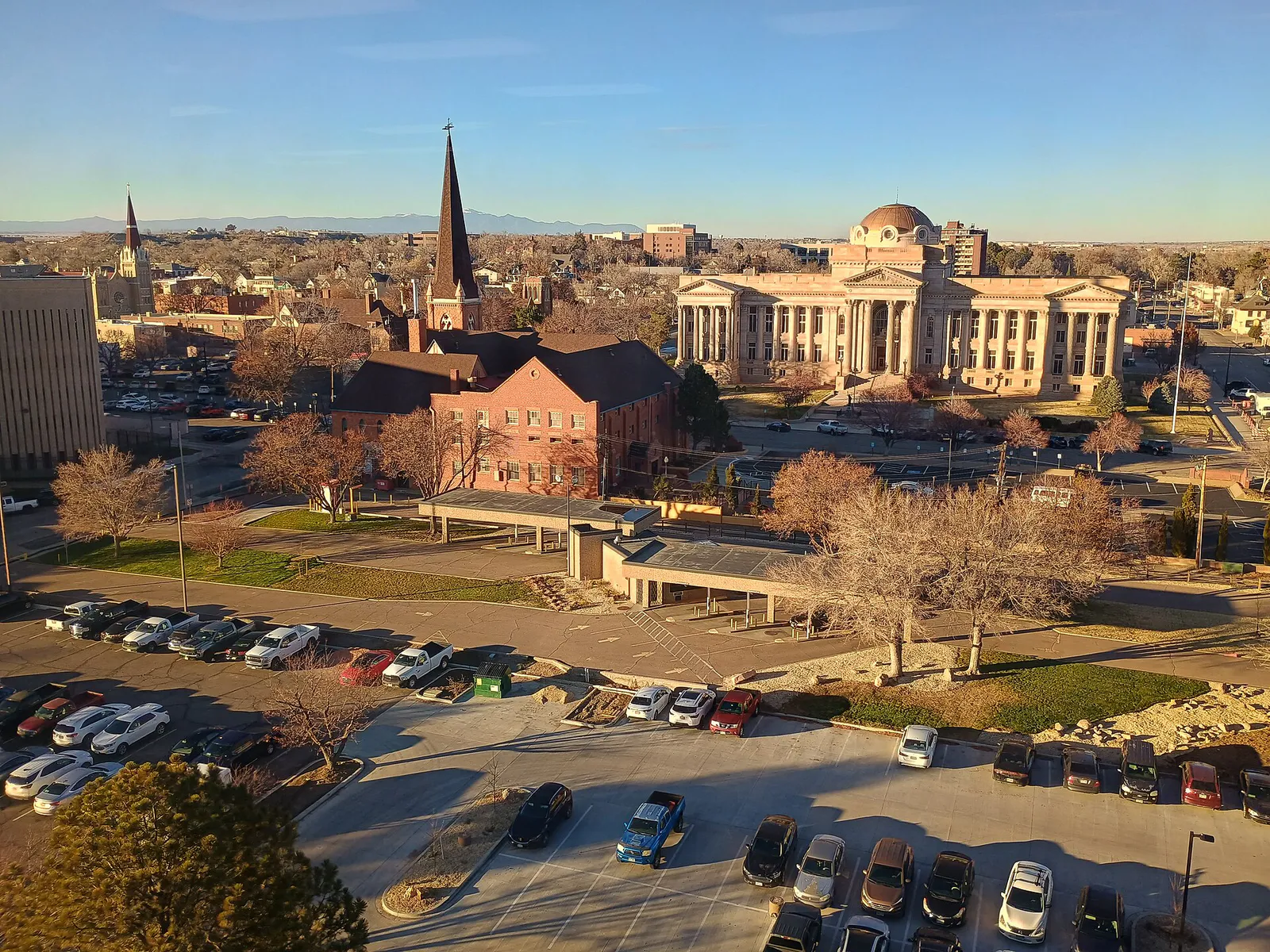
The local decision problem
How to navigate Pueblo's distinct historic districts, seasonal weather realities, local green chile culinary culture, and outdoor recreation options efficiently.
That is where Adventria comes in. Adventria helps narrow the options in Pueblo around practical factors like location, distance, budget, vibe, who you are with, and the kind of experience you actually want, so research can turn into a decision.
Let Adventria narrow the optionsPick the right part of town
Different parts of Pueblo work for different kinds of plans. Start with the experience you want, then narrow the map.
Best for
Craft dining, historic architecture walking, independent shopping, and Riverwalk access.
Best for
Museum visits, arts centers, civic business, and central transit connections.
Best for
Industrial heritage, classic Italian delis, authentic neighborhood dining, and labor history.
Best for
Farm stand produce shopping, green chile harvesting, and quiet rural driving.
Best for
Family outings, zoo visits, shaded park strolls, and historic residential viewing.
Best for
Student life, suburban convenience, and university sports events.
This is a quick starting point. The full guide covers 7 local neighborhoods and districts in Pueblo.
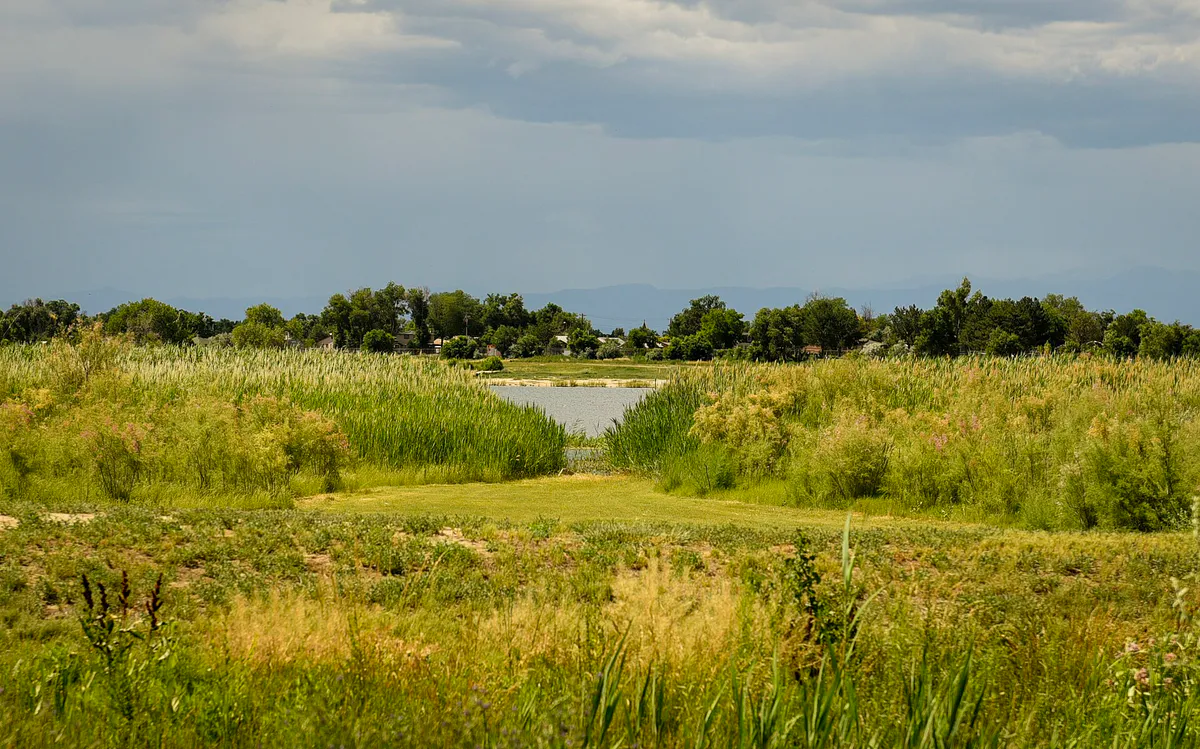
Eat & drink
When the decision is less about what to do and more about where to eat or grab a drink, start here. These local cues narrow the food and drink decision without turning dinner or a night out into another hour of comparison.
For places to eat in Pueblo, start with Historic Union Avenue District or Bessemer & Bojon Town depending on the kind of stop you want. Start with Historic Union Avenue District for craft dining, historic architecture walking, independent shopping, and Riverwalk access.. A 27-acre historic commercial zone featuring late 19th-century Victorian brick structures, local cafes, craft taprooms, and direct entry to the Historic Pueblo Riverwalk. Bessemer & Bojon Town works for industrial heritage, classic Italian delis, authentic neighborhood dining, and labor history..
Head to Gray's Coors Tavern on West 4th Street or Sunset Inn on East 8th Street to order a classic Slopper—a cheeseburger served open-faced and submerged in hot pork green chile with raw onions. For specialty items, check out Pass Key for an Italian sausage sandwich or visit Fuel & Iron Food Hall on Union Avenue to sample multiple local food entrepreneurs under one historic roof.
Still comparing options? Adventria can narrow the choice around budget, distance, vibe, and who you are with.
Decide with AdventriaPlan by situation
Start with the kind of plan you are actually trying to make. These city-specific ideas narrow the choice around who you are with, what you want to spend, the weather, and the kind of outing you want.
For an outdoor plan from Pueblo, compare trails, state parks, national parks within trip range, and scenic drives. Options in the current city guide include Lake Pueblo State Park and Lake Pueblo.
When late-afternoon monsoon rain strikes, head straight to the Sangre de Cristo Arts Center complex. The Buell Children's Museum offers multiple floors of hands-on interactive displays designed for younger visitors. Alternatively, check out the four spacious floors and local history collections at the Robert Hoag Rawlings Public Library downtown.
Walk or bike the 3-mile Pueblo Levee Mural Project along the paved Arkansas River Trail, explore the 50-plus public art sculptures and Veterans' Bridge along the Riverwalk at zero cost, or visit El Pueblo History Museum where youth admission is free and adult tickets remain low-cost.
Bring your bike to the paved Arkansas River Trail system. You can ride continuously for over 20 miles from Lake Pueblo State Park on the west through downtown Pueblo, passing the Levee Murals and continuing east through riverside parkland without sharing space with motor vehicles.
For a short escape from Pueblo, compare Manitou Springs and Colorado Springs. More options are listed in the trip section below.
Start with a late afternoon walk through the Union Avenue Historic District, taking in local galleries and shops. Reserve a private evening electric gondola ride along the illuminated Historic Pueblo Riverwalk, then wrap up your evening with waterfront taproom seating or craft cocktails nearby.
Outdoors nearby
Use these nearby outdoor options when the plan calls for a trail, protected landscape, park, or drive instead of another indoor stop. Proximity here is geographic, not a promise about driving time.
Get out of town
When staying in town is not the answer, these nearby destinations give you a smaller starting set for a day trip, overnight escape, or weekend away.
Destination relationships are screened geographically. Straight-line proximity is not presented as road mileage or estimated travel time.
Local landmarks & attractions
These notable destinations offer a starting point when you want something specific to see, visit, or build into a day around Pueblo. Distances are approximate from the city area.
zoo in the United States
local history museum in Pueblo, Colorado
zoo in Pueblo, Colorado
children's museum in Pueblo, Colorado
multi-purpose arena in Pueblo, Colorado
historic district in Colorado, United States
motorsport track in the United States
Reform Jewish synagogue in Pueblo, Colorado, US
Notable places are selected from structured public destination data and ranked for relevance, prominence, proximity, and variety.
Local decision signals
A useful local recommendation depends on how the city actually works. These conditions affect where to go, what to do, and whether a plan makes sense right now.
Situated in the rain shadow east of the mountain ranges, Pueblo experiences warmer winter days, lower annual snow accumulation, and significantly milder cold snaps than northern Front Range communities.
Culinary life is dominated by the locally grown Mirasol pepper and Mosco strain, harvested and fire-roasted across the St. Charles Mesa and urban districts every autumn.
The city's signature open-faced cheeseburger covered in pork green chile sauce originated in local taverns, with historic hubs like Gray's Coors Tavern and Sunset Inn carrying on the tradition.
Modern Pueblo merged four distinct late 19th-century towns in 1894—Pueblo, South Pueblo, Central Pueblo, and Bessemer—creating distinct cultural and architectural footprints across the core.
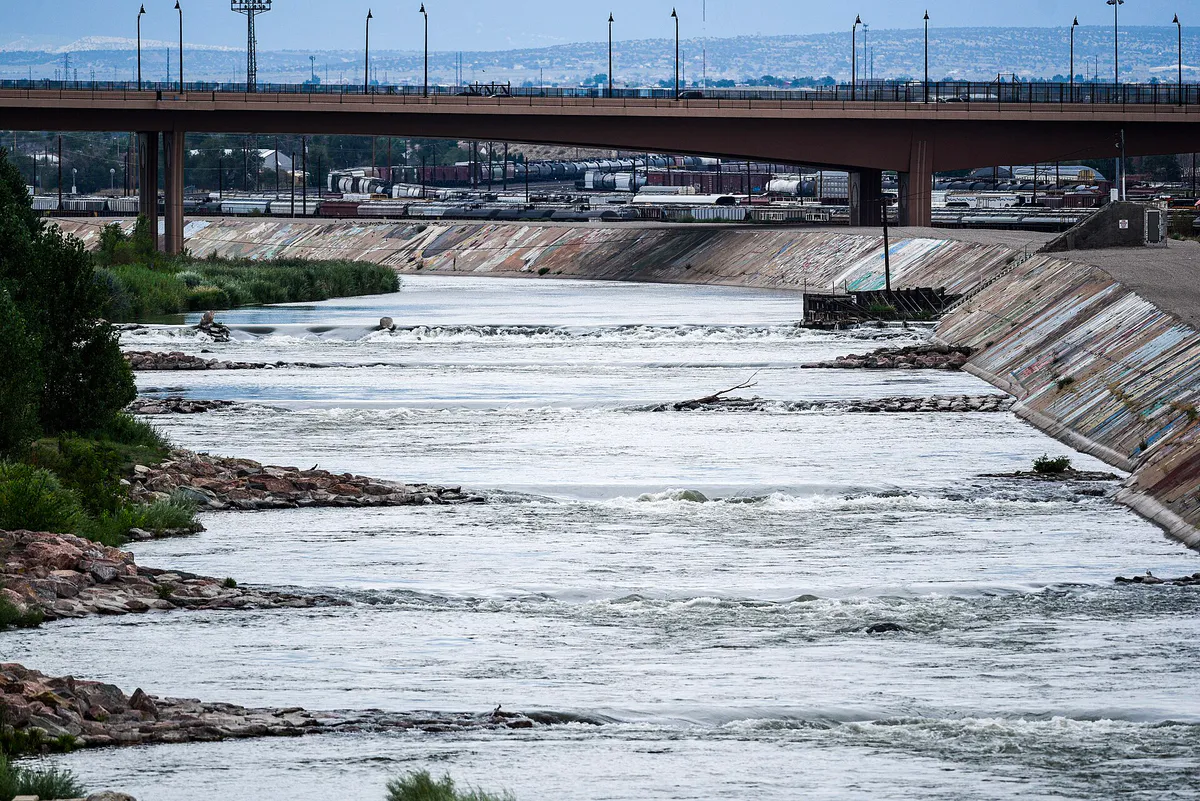
The 1921 flood site was repurposed into the Historic Pueblo Riverwalk (HARP) and the 3-mile levee mural along the Arkansas River, forming a central car-free corridor.
Pueblo Community College students ride free on all city fixed bus routes with a valid student ID, while fixed routes connect the central Transit Center directly to CSU Pueblo.
Neighborhood context
Neighborhoods are not interchangeable. Each area offers a different balance of atmosphere, transportation, food, nightlife, activities, and planning friction.
Best for: Craft dining, historic architecture walking, independent shopping, and Riverwalk access.
A 27-acre historic commercial zone featuring late 19th-century Victorian brick structures, local cafes, craft taprooms, and direct entry to the Historic Pueblo Riverwalk.
Best for: Museum visits, arts centers, civic business, and central transit connections.
Pueblo's legal and civic heart, anchored by City Hall, El Pueblo History Museum, Sangre de Cristo Arts Center, and the main Pueblo Transit Center.
Best for: Industrial heritage, classic Italian delis, authentic neighborhood dining, and labor history.
A historic working-class neighborhood built around the historic Colorado Fuel and Iron steel mill, featuring worker enclave housing and long-standing specialty markets.
Best for: Farm stand produce shopping, green chile harvesting, and quiet rural driving.
An unincorporated agricultural district directly east of city limits, famous for ditch-irrigated alluvial soil, family farms, and fall pepper roasting.
Best for: Family outings, zoo visits, shaded park strolls, and historic residential viewing.
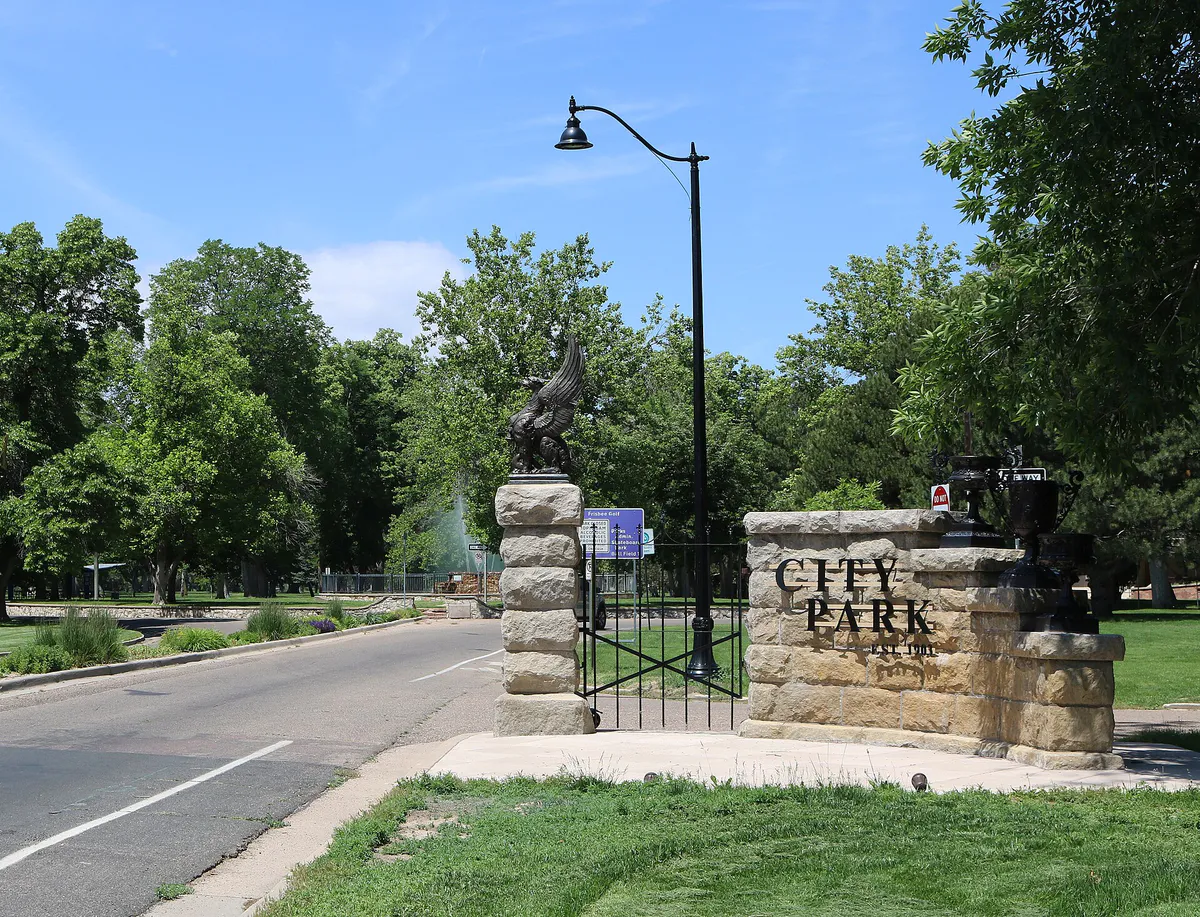
A leafy west-side district anchored by Pueblo City Park, the Pueblo Zoo, historic wooden carousel, and tree-lined Victorian and Craftsman residential streets.
Best for: Student life, suburban convenience, and university sports events.
A mid-century suburban area in northeast Pueblo centered around Colorado State University Pueblo, featuring accessible retail corridors along Bonforte Boulevard.
Best for: Exurban quiet, spacious residential acreage, and fast access to Lake Pueblo State Park.
A sprawling community northwest of Pueblo proper along US-50, offering immediate proximity to the northern entrances and boat ramps of Lake Pueblo.
Pueblo local guide
Pueblo's geographical placement in the Arkansas River Valley gives it a urban structure and climate profile distinct from northern Colorado metro areas. Situated in the rain shadow of the mountain ranges, the city experiences the 'Banana Belt' phenomenon: descending westerly winds warm as they drop in elevation, creating milder winters, quick snow melts, and bright conditions across the year. However, high summer afternoons require careful scheduling, as plain heat can quickly restrict outdoor leisure.
Navigating the city by car is notably straightforward. Unlike sprawling metropolitan corridors, Pueblo rarely experiences extreme highway bottlenecks outside localized event windows. Primary arterial bypasses like State Highway 45 (Pueblo Boulevard) and I-25 connect outlying residential sectors to downtown within 15 to 20 minutes. Public transit through Pueblo Transit provides 12 fixed routes radiating from the central Transit Center on Court Street, offering free rides to Pueblo Community College students and direct routes to CSU Pueblo.
Understanding neighborhood identities requires recognizing Pueblo's 1894 consolidation of four independent boomtowns. The Union Avenue District and Downtown form the civic and cultural spine, Bessemer retains its deep immigrant steelworking heritage, Aberdeen houses mid-century shade and zoo recreation, while St. Charles Mesa supplies the region's agricultural output. Aligning your destination with these district personalities yields a far richer visit.
Explore your options
Focus your time on these distinct district hubs depending on your interest in local food, history, or outdoor recreation.
The primary pedestrian-friendly destination for visitors seeking independent dining, heritage architecture, and waterfront strolls.
Historic industrial micro-neighborhoods adjacent to the EVRAZ steel works, steeped in labor history and culinary traditions.
Semi-rural agricultural zone direct east of the city, ideal for fall road trips and purchasing farm-direct produce.
A historic, tree-canopied neighborhood anchored by major public recreation grounds and family attractions.
Practical local guidance
These activities require minimal planning, flexible timing, and modest budgets across different Pueblo districts.
A simpler way to decide
Follow this strategic flow to maximize your outdoor comfort, indoor museum visits, and regional dining choices.
Start your day between 8:00 AM and 11:00 AM outdoors before high temperatures set in. Walk the Riverwalk, ride the Arkansas River Trail, or visit the animals at the Pueblo Zoo.
Transition indoors during the 12:00 PM to 4:00 PM heat peak. Choose between El Pueblo History Museum downtown or Rosemount Mansion in the nearby residential core.
Refuel with a green chile Slopper at Gray's Coors Tavern or sample multiple concepts at Fuel & Iron Food Hall on Union Avenue.
Drive south to the Bessemer district to tour the Steelworks Center of the West and stop by traditional markets for Italian or Slavic specialties.
Return to the Historic Union Avenue District after 6:00 PM when temperatures drop, enjoying patio seating alongside the Riverwalk.
Common local questions
These are common situations people face when trying to decide where to eat, what to do, where to get drinks, or how to spend their time in Pueblo.
Pueblo planning questions
Practical answers for people deciding where to eat, what to do, where to go, or how to make plans in Pueblo.
A Slopper is a regional open-faced cheeseburger covered in pork green chile sauce and raw onions, typically eaten with a fork and spoon. Historic locations to try one include Gray's Coors Tavern on West 4th Street and Sunset Inn on East 8th Street.
Yes, Pueblo Transit operates 12 fixed routes radiating from the central Transit Center at 123 Court Street downtown. Routes serve major education and commercial hubs, and Pueblo Community College students ride free with a valid ID.
The peak season for fresh and roasted Pueblo green chiles runs from late August through October. Drive through farm stands in the St. Charles Mesa or visit the annual Pueblo Chile & Frijoles Festival on Union Avenue in mid-September.
No. While El Pueblo History Museum operates daily, major historical sites like Rosemount Museum and Steelworks Center of the West are closed on Sundays and Mondays. Always confirm operating schedules prior to visiting.
The continuous 3-mile levee mural stretches along the Arkansas River flanking downtown. You can walk or bike along it directly via the paved Arkansas River Trail system.
Lake Pueblo State Park requires a daily vehicle pass (or an annual Colorado State Parks pass). Out-of-state registered vehicles pay a slightly higher daily entry fee. Check current park entry rates before traveling.
The Buell Children's Museum inside the Sangre de Cristo Arts Center offers multi-floor interactive STEAM play spaces designed specifically for kids, making it ideal for hot summer afternoons or monsoon rain delays.
Lake Pueblo State Park is situated roughly 8 miles west of Downtown Pueblo along CO-96 / Thatcher Avenue, taking approximately 15 minutes by car.
Source transparency
Official and locally relevant sources used to verify the practical information presented in this Pueblo decision guide.
Pueblo decision engine
Tell Adventria what kind of experience you want, set your practical limits, and turn the options in Pueblo into one workable plan.
Choose a Pueblo Plan