Downtown COS & Southwest Downtown
Best for
Museums, walkable dining, cocktail lounges, and professional soccer matches.
 AdventriaLocalOpen App
The Real Local Decision System
Trying to decide what to do in Colorado Springs? Adventria helps you cut through the options and choose a good-enough plan without endless scrolling. Spanning over 195 square miles along the Front Range of the Rocky Mountains, Colorado Springs requires a realistic approach to daily planning. Between sudden afternoon thunderstorms off Pikes Peak, military rush-hour surges, and high-altitude physical demands, choosing the right district and timing determines whether your day flows smoothly or gets caught in traffic and weather delays.
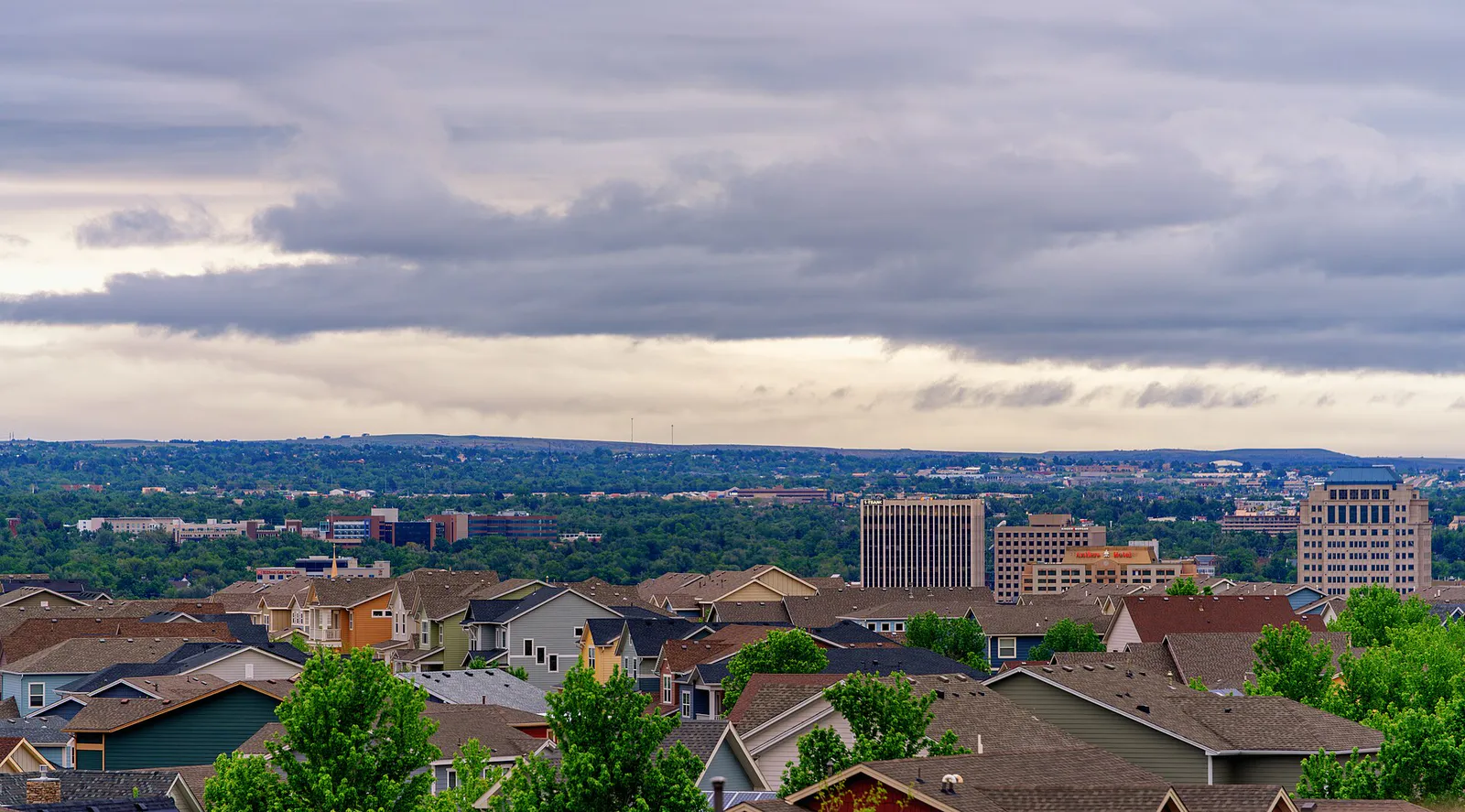
The local decision problem
Balancing expansive geographic distance, alpine elevation adaptation, and afternoon weather shifts when planning day and night activities in Colorado Springs.
That is where Adventria comes in. Adventria helps narrow the options in Colorado Springs around practical factors like location, distance, budget, vibe, who you are with, and the kind of experience you actually want, so research can turn into a decision.
Let Adventria narrow the optionsPick the right part of town
Different parts of Colorado Springs work for different kinds of plans. Start with the experience you want, then narrow the map.
Best for
Museums, walkable dining, cocktail lounges, and professional soccer matches.
Best for
Independent art galleries, historic 19th-century architecture, and cozy patios.
Best for
Bohemian arts, historic mineral springs, arcade gaming, and high-altitude hiking.
Best for
Adaptive reuse venues, craft beer tasting, and gateway access to Cheyenne Cañon.
Best for
Resort luxury dining, historic estates, and foothill zoo visits.
Best for
Quiet, historic tree-lined walks, architecture tours, and historic public golf.
This is a quick starting point. The full guide covers 8 local neighborhoods and districts in Colorado Springs.
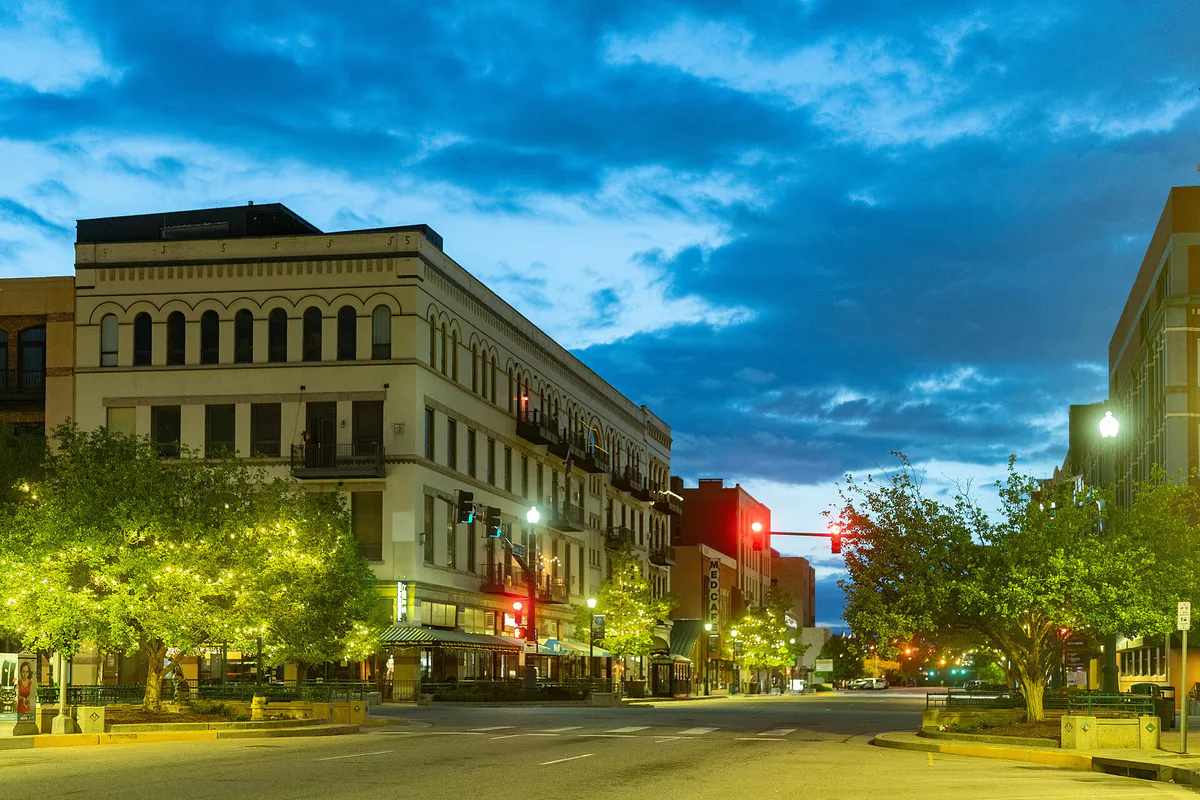
Eat & drink
When the decision is less about what to do and more about where to eat or grab a drink, start here. These local cues narrow the food and drink decision without turning dinner or a night out into another hour of comparison.
For chef-driven regional cuisine, head to Downtown along Tejon Street for spots like Four by Brother Luck or Shuga's. If you prefer a historic, laid-back patio, pick Old Colorado City along West Colorado Avenue. For flexible group dining where everyone can order independently, visit the Ivywild School in South Tejon or Red Leg Brewing's shipping-container food park on Garden of the Gods Road.
Start with signature craft cocktails at subterranean spots like The Archives or speakeasy-style lounges Downtown. Catch live indie music at The Black Sheep or Lulu's Downtown, or book an outdoor amphitheater concert at Ford Amphitheater in Polaris Pointe with Pikes Peak backdrop views. For a traditional pub feel, head to Manitou Springs or visit the Golden Bee at The Broadmoor for ragtime piano sing-alongs.
Still comparing options? Adventria can narrow the choice around budget, distance, vibe, and who you are with.
Decide with AdventriaPlan by situation
Start with the kind of plan you are actually trying to make. These city-specific ideas narrow the choice around who you are with, what you want to spend, the weather, and the kind of outing you want.
Plan a late-afternoon stroll through North Cheyenne Cañon Park up to Helen Hunt Falls, followed by drinks and dinner in South Tejon or Downtown. Alternatively, reserve a sunset dinner at one of The Broadmoor's restaurants, followed by a walk around Cheyenne Lake, or take in a theatrical performance at the Ent Center for the Arts or Pikes Peak Center.
Reserve advance tickets for the Cheyenne Mountain Zoo to feed giraffes by hand on the mountainside. Follow this with a visit to the Manitou Penny Arcade, where kids can play hundreds of classic games for quarters. If weather turns cool or rainy, visit the North Cheyenne Cañon Starsmore Nature Center or explore interactive space exhibits at local flight and aviation museums.
Head directly to the U.S. Olympic & Paralympic Museum Downtown or the Fine Arts Center at Colorado College. Indoor bouldering at CityROCK Downtown offers physical activity away from the rain, while the Manitou Penny Arcade provides sheltered entertainment across its interconnected indoor rooms.
Spend $0 on park admission at Garden of the Gods, Palmer Park, and Red Rock Canyon. Admission to the Colorado Springs Pioneers Museum is 100% free. Enjoy self-guided walking tours of Downtown's public art installations, or play vintage pinball machines at the Manitou Penny Arcade for 25 to 50 cents per game.
Grab a coffee in Downtown COS, then spend two hours exploring the self-guided, fully accessible interactive exhibits at the U.S. Olympic & Paralympic Museum. Afterward, bring a book or laptop to a taproom at Goat Patch Brewing, or go for an uninterrupted trail run along the Shooks Run Trail or Palmer Park mesa ridges.
Gather at Ivywild School or Red Leg Brewing's container park, both offering abundant seating, varied food vendors, and craft beverage options without forcing a single large table reservation. For evening entertainment, reserve a group block at a Switchbacks FC soccer match at Weidner Field Downtown.
For an outdoor plan from Colorado Springs, compare trails, state parks, national parks within trip range, and scenic drives. Options in the current city guide include Cheyenne Mountain and Cheyenne Mountain State Park.
Outdoors nearby
Use these nearby outdoor options when the plan calls for a trail, protected landscape, park, or drive instead of another indoor stop. Proximity here is geographic, not a promise about driving time.
Get out of town
When staying in town is not the answer, these nearby destinations give you a smaller starting set for a day trip, overnight escape, or weekend away.
Destination relationships are screened geographically. Straight-line proximity is not presented as road mileage or estimated travel time.
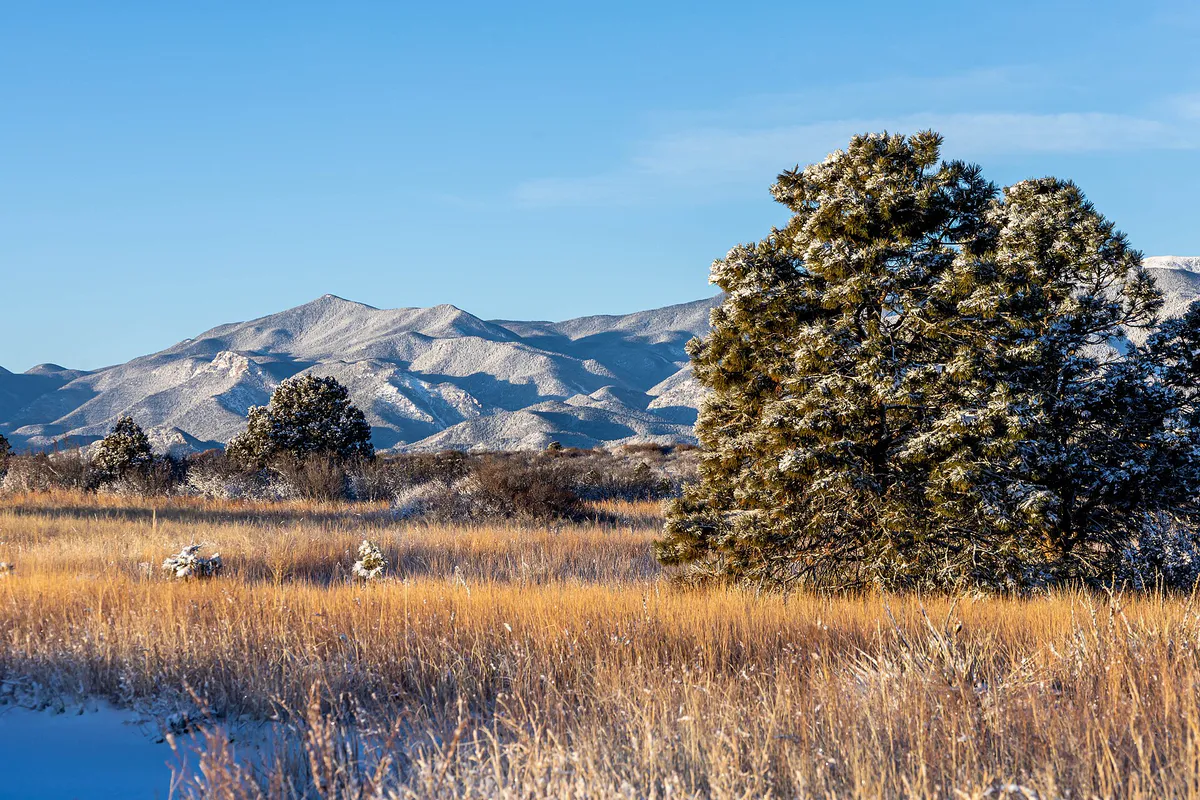
Local landmarks & attractions
These notable destinations offer a starting point when you want something specific to see, visit, or build into a day around Colorado Springs. Distances are approximate from the city area.
mountain zoo in Colorado Springs, Colorado in the United States
award
fine arts and performing arts center in Colorado Springs, Colorado, United States
multi-purpose hall in Colorado Springs, Colorado, USA
American football stadium at the U.S. Air Force Academy
commemorative tower and chapel in Colorado Springs, Colorado
historic district in Colorado, United States
Notable places are selected from structured public destination data and ranked for relevance, prominence, proximity, and variety.
Local decision signals
A useful local recommendation depends on how the city actually works. These conditions affect where to go, what to do, and whether a plan makes sense right now.
City base begins at 6,035 feet above sea level, climbing to over 7,200 feet in northern suburbs like Briargate and Northgate, 7,000 feet at Cheyenne Mountain Zoo, and 8,500 feet atop the Manitou Incline.
June through August storms reliably develop over Pikes Peak between 1:00 PM and 4:00 PM, generating sudden lightning risks and heavy hail across exposed outdoor trails.
Five major military bases (Fort Carson, Peterson SFB, Schriever SFB, Cheyenne Mountain, USAFA) cause severe traffic spikes on Powers Blvd, Hwy 24, and South I-25 around 6:00–7:30 AM and 3:30–5:00 PM.
The city lacks high-speed east-west freeways. Major east-west arterials like Woodmen, Fillmore, Uintah, and Platte rely on signalized intersections, adding 20–30 minutes during peak hours.
Free or paid advance reservations are strictly required for high-demand spots including the Manitou Incline, Cheyenne Mountain Zoo, and Pikes Peak Cog Railway.
Low atmospheric humidity causes temperatures to drop rapidly by 30°F or more after sunset, requiring warm layers year-round even on hot summer days.
The zero-fare Route 3 bus links Downtown, Old Colorado City, and Manitou Springs, while the free ZEB electric shuttle serves Downtown COS proper.
Neighborhood context
Neighborhoods are not interchangeable. Each area offers a different balance of atmosphere, transportation, food, nightlife, activities, and planning friction.
Best for: Museums, walkable dining, cocktail lounges, and professional soccer matches.
Anchored along Tejon Street and the U.S. Olympic & Paralympic Museum district, Downtown offers high walkability, historic architecture, and the city's main cluster of chef-driven restaurants.
Best for: Independent art galleries, historic 19th-century architecture, and cozy patios.
Founded in 1859 as the first capital of the Colorado Territory, OCC features brick storefronts along West Colorado Avenue filled with independent boutiques, galleries, and neighborhood brewpubs.
Best for: Bohemian arts, historic mineral springs, arcade gaming, and high-altitude hiking.
An independent mountain town enclave wrapped into the city's western edge. It serves as the staging ground for the Manitou Incline, Pikes Peak Cog Railway, and family arcade spots.
Best for: Adaptive reuse venues, craft beer tasting, and gateway access to Cheyenne Cañon.
A revitalized industrial-historic pocket centered around the Ivywild School, home to Bristol Brewing Company, artisanal bakeries, and casual group gathering spaces.
Best for: Resort luxury dining, historic estates, and foothill zoo visits.
Nestled in the southwest foothills, this area features grand architecture, high-end hotel dining, and close access to North Cheyenne Cañon Park and Cheyenne Mountain Zoo.
Best for: Quiet, historic tree-lined walks, architecture tours, and historic public golf.
A historic residential grid just north of Downtown featuring Victorian and Craftsman homes, tree-canopied streets, and the historic Patty Jewett Municipal Golf Course.
Best for: Modern outdoor shopping, large entertainment hubs, and Air Force Academy views.
Fast-growing northern suburban corridors sitting higher on the Palmer Divide, home to major retail complexes, Ford Amphitheater, and the U.S. Air Force Academy.
Best for: Big-box retail convenience, modern suburban brewpubs, and master-planned neighborhoods.
The major commercial spine of the eastern high plains, characterized by sprawling retail plazas, family casual dining, and major residential expansions like Wolf Ranch and Banning Lewis Ranch.
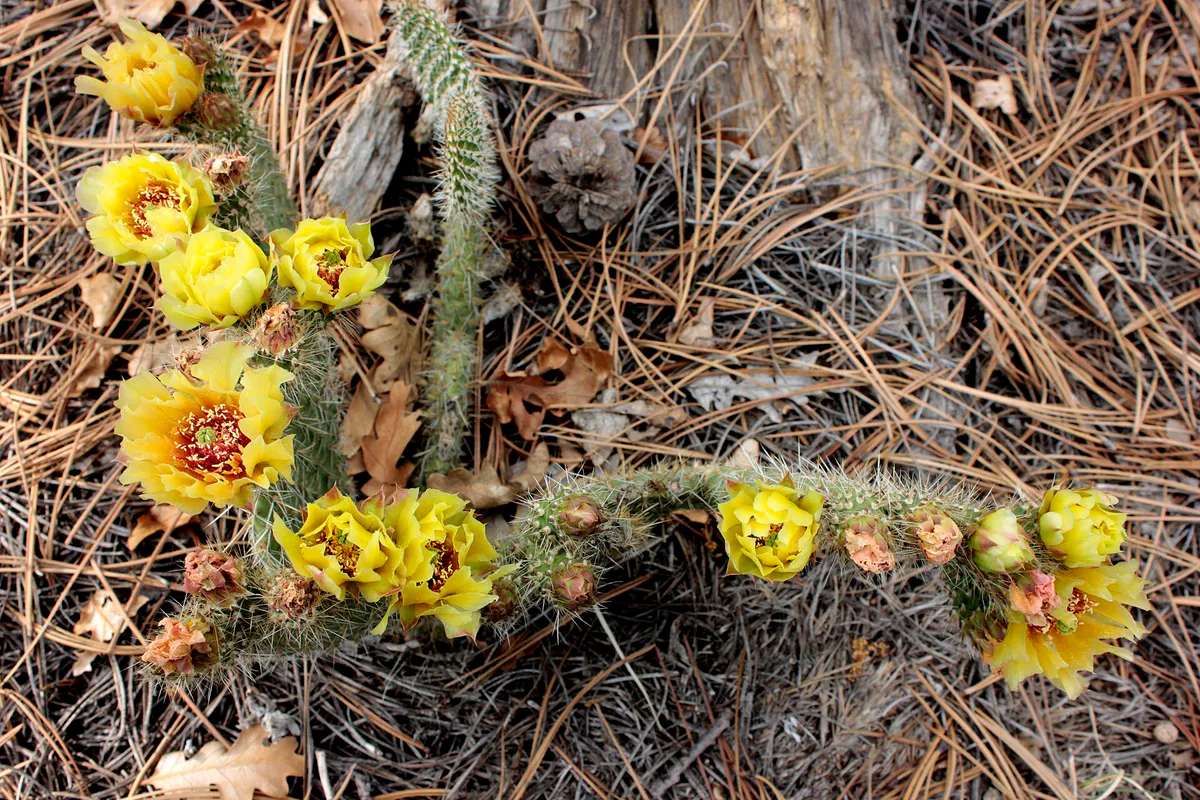
Colorado Springs local guide
Colorado Springs is geographically expansive, stretching over 195 square miles from the high plains to the granite foothills of Pikes Peak. Because there is no east-west freeway crossing the city, crossing town from the eastern Powers Corridor to western spots like Old Colorado City or Manitou Springs can easily take 30 to 45 minutes during peak hours. Planning your day geographically prevents spending hours stuck at signalized intersections on Woodmen, Platte, or Hwy 24.
Elevation adds another layer to day planning. Starting at over 6,000 feet downtown and reaching above 8,500 feet on nearby mountain trails, the thin, dry air requires conscious hydration and pacing. Visitors should give themselves 24 to 48 hours before attempting severe ascents like the Manitou Incline. Furthermore, intense summer afternoon thunderstorms build over the Front Range between 1:00 PM and 4:00 PM, bringing severe lightning and hail risks to exposed ridge trails.
To make the most of your time, structure outings in daily blocks: tackle exposed outdoor trails and parks early in the morning, move to historic neighborhood strips or covered venues for lunch, and reserve late afternoons for indoor museums, craft taprooms, or low-elevation foothill drives.
Explore your options
Match your interests with the neighborhood layout to avoid unnecessary driving across town.
The civic, cultural, and sports hub of the city, ideal for walkable dining and arts.
Historic 19th-century districts offering independent shops, arts, and mountain trailheads.
Secluded, scenic southwestern corridor anchored by historic luxury and nature preserves.
Suburban hub featuring top shopping plazas, outdoor entertainment, and military vistas.
A simpler way to decide
Follow this sequence to enjoy high-elevation views without triggering altitude sickness or getting caught in afternoon mountain storms.
Arrive at Garden of the Gods Park by 8:00 AM. Walk the paved Central Garden Trail at base elevation (~6,300 ft) while temperatures are cool and parking spots in Main Lot 2 are wide open.
Head five minutes west to Old Colorado City. Walk the brick sidewalks along West Colorado Avenue, browsing local art galleries and grabbing coffee or breakfast at a sidewalk cafe.
As noon approaches and solar heat peaks, drive to Downtown COS. Park in the garage at Cascade or Nevada Avenue and spend two hours exploring the air-conditioned, universally accessible U.S. Olympic & Paralympic Museum.
When afternoon thunderstorms pass overhead, head to South Tejon or Ivywild School. Grab a casual bite and sample craft brews indoors while waiting out rain showers.
Finish the evening with a sunset drive along lower Gold Camp Road or enjoy outdoor patio dining Downtown as evening temperatures cool off.
Common local questions
These are common situations people face when trying to decide where to eat, what to do, where to get drinks, or how to spend their time in Colorado Springs.
Colorado Springs planning questions
Practical answers for people deciding where to eat, what to do, where to go, or how to make plans in Colorado Springs.
Yes, for most visitors and residents a car is essential due to the city's 195-square-mile spread. However, if staying strictly within the urban core, you can utilize the free Downtown ZEB shuttle and the zero-fare MMT Route 3 bus to travel easily between Downtown, Old Colorado City, and Manitou Springs.
Stay hydrated by drinking significantly more water than usual, limit alcohol consumption during your first 48 hours, and keep outdoor exertion to lower-altitude trails (~6,000 ft) before attempting climbs like Pikes Peak or the Manitou Incline.
Early morning between 7:00 AM and 9:00 AM offers the best experience. Lighting on the sandstone formations is ideal for photography, parking is readily available, and trail crowds are low before summer heat sets in.
You must reserve a free timed slot online in advance. Do not attempt to park in upper Manitou residential neighborhoods. Park at the Dillon Mobility Hub or Hiawatha Gardens lot in Manitou Springs and ride the free Route 33 shuttle directly to the trailhead.
Top indoor choices include the state-of-the-art U.S. Olympic & Paralympic Museum, the Fine Arts Center at Colorado College, the Colorado Springs Pioneers Museum, or indoor bouldering at CityROCK Downtown.
Metered street parking costs approximately $1 per hour and is strictly enforced Monday through Saturday until 6:00 PM. Parking is free after 6:00 PM on weekdays/saturdays and free all day on Sundays. Cheap parking garages are also available on Cascade and Nevada Avenues.
Avoid East-West signalized arterials (Woodmen Rd, Fillmore St, Platte Ave) and Powers Blvd during peak military shift change hours (6:00–7:30 AM and 3:30–5:00 PM). Hwy 24 west into Ute Pass also gets heavily congested on summer weekends.
Most neighborhood kitchens close around 9:00 PM or 10:00 PM. While downtown cocktail lounges and bars are licensed to serve until 2:00 AM, the city overall follows an early-to-bed, outdoor-focused rhythm.
Yes. Key municipal and regional open spaces—including Garden of the Gods, Red Rock Canyon Open Space, Palmer Park, and North Cheyenne Cañon—are 100% free with no entry fees.
Source transparency
Official and locally relevant sources used to verify the practical information presented in this Colorado Springs decision guide.
Colorado Springs decision engine
Tell Adventria what kind of experience you want, set your practical limits, and turn the options in Colorado Springs into one workable plan.
Choose a Colorado Springs Plan