Historic Landmark District
Best for
First-time visitors, architecture enthusiasts, walkable dining, and nightlife
 AdventriaLocalOpen App
Local Decision Guide
Trying to decide what to do in Savannah? Adventria helps you cut through the options and choose a good-enough plan without endless scrolling. From the 22 shaded squares of the Historic Landmark District to the creative industrial hubs of the Starland District, Savannah is a city defined by walkable urban grids, strict local ordinances, and distinct geography. This guide provides concrete decision logic for navigating parking, transit, dining, open-container rules, and seasonal factors without tourist friction.
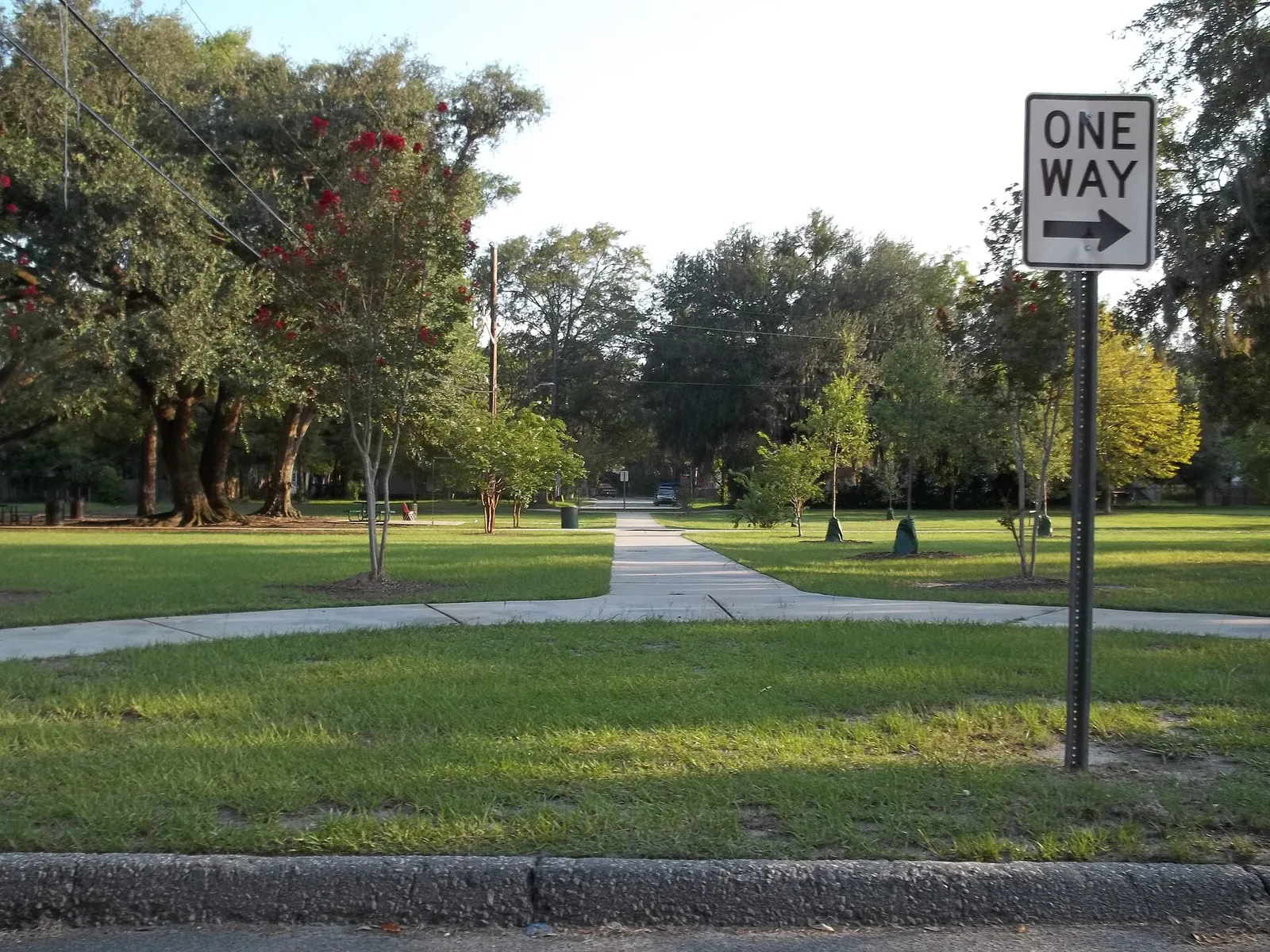
The local decision problem
Navigating Savannah's historic grid, open-container boundaries, physical river bluff friction, and seasonal weather to make effective neighborhood, dining, and activity choices.
That is where Adventria comes in. Adventria helps narrow the options in Savannah around practical factors like location, distance, budget, vibe, who you are with, and the kind of experience you actually want, so research can turn into a decision.
Let Adventria narrow the optionsPick the right part of town
Different parts of Savannah work for different kinds of plans. Start with the experience you want, then narrow the map.
Best for
First-time visitors, architecture enthusiasts, walkable dining, and nightlife
Best for
Young adults, students, park access, and bed-and-breakfast stays
Best for
Indie shopping, creative arts, food trucks, and local dining away from tourist crowds
Best for
Quiet neighborhood walks, long-term residential stays, and tree-lined architecture
Best for
Families, Craftsman bungalow architecture, and proximity to Daffin Park
Best for
Coastal views, marshland scenery, gullah geechee heritage, and nature drives
This is a quick starting point. The full guide covers 8 local neighborhoods and districts in Savannah.
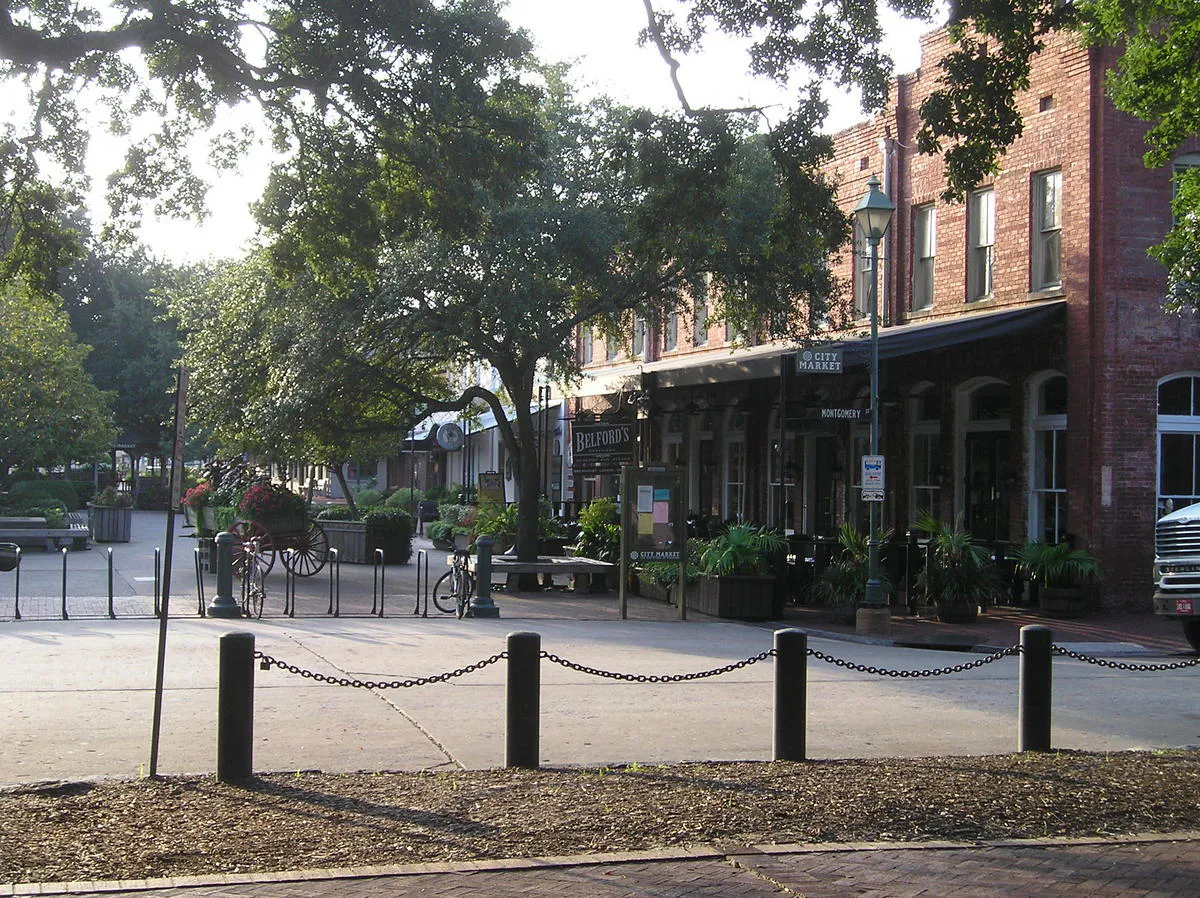
Eat & drink
When the decision is less about what to do and more about where to eat or grab a drink, start here. These local cues narrow the food and drink decision without turning dinner or a night out into another hour of comparison.
Head directly to the Starland District. Starland Yard offers an open-air food truck hub anchored by Pizzeria Vittoria, requiring no advance booking. Alternatively, walk down River Street or Plant Riverside District for large-capacity waterfront seating, or grab counter-service southern fare along Bull Street in Thomas Square.
Join an evening ghost walking tour departing from Johnson or Wright Square, catch rooftop sunset drinks at Peregrin or Rocks on the Roof, or explore the live music venues along River Street and City Market. For a local vibe, visit Two Tides Brewing or catch a show in the Starland District.
Still comparing options? Adventria can narrow the choice around budget, distance, vibe, and who you are with.
Decide with AdventriaPlan by situation
Start with the kind of plan you are actually trying to make. These city-specific ideas narrow the choice around who you are with, what you want to spend, the weather, and the kind of outing you want.
For an outdoor plan from Savannah, compare trails, state parks, national parks within trip range, and scenic drives. Options in the current city guide include Skidaway Island State Park and Fort Mcallister State Park.
For a short escape from Savannah, compare Beaufort and Hilton Head Island. More options are listed in the trip section below.
Start with a pre-dinner rooftop cocktail at Peregrin overlooking Perry Lane, followed by dinner in the Victorian District or Olde Pink House in Reynolds Square. Conclude with a late-night stroll along Jones Street's gas-lit brick sidewalks with drinks in legal 16 oz plastic cups.
Spend the morning at Forsyth Park's gated playground and spray pool, visit the interactive ArtZeum inside the Jepson Center, or head to the Savannah Children's Museum at Tricentennial Park. Take a day trip to Tybee Island for gentle surf and lighthouse climbs.
Spend 3–4 hours touring the Telfair Museums trio (Jepson Center modern art, Telfair Academy classical art, and Owens-Thomas House historic quarters). Visit the SCAD Museum of Art in its restored 1853 depot or explore the Cathedral Basilica of Saint John the Baptist.
Buy a consolidated Telfair Museums ticket to explore the Jepson Center, Telfair Academy, and Owens-Thomas House at your own pace. Rent a bicycle to navigate the Price Street bike lane, or read comfortably in Chippewa or Monterey Square with coffee from a local Bull Street cafe.
Gather at Starland Yard for shared seating, varied food options, and lawn games. Book a Savannah Riverboat Cruise for large-group riverfront dining, or spend an evening at Plant Riverside District where multiple bars and lounges accommodate large walk-in groups.
Outdoors nearby
Use these nearby outdoor options when the plan calls for a trail, protected landscape, park, or drive instead of another indoor stop. Proximity here is geographic, not a promise about driving time.
Get out of town
When staying in town is not the answer, these nearby destinations give you a smaller starting set for a day trip, overnight escape, or weekend away.
Destination relationships are screened geographically. Straight-line proximity is not presented as road mileage or estimated travel time.
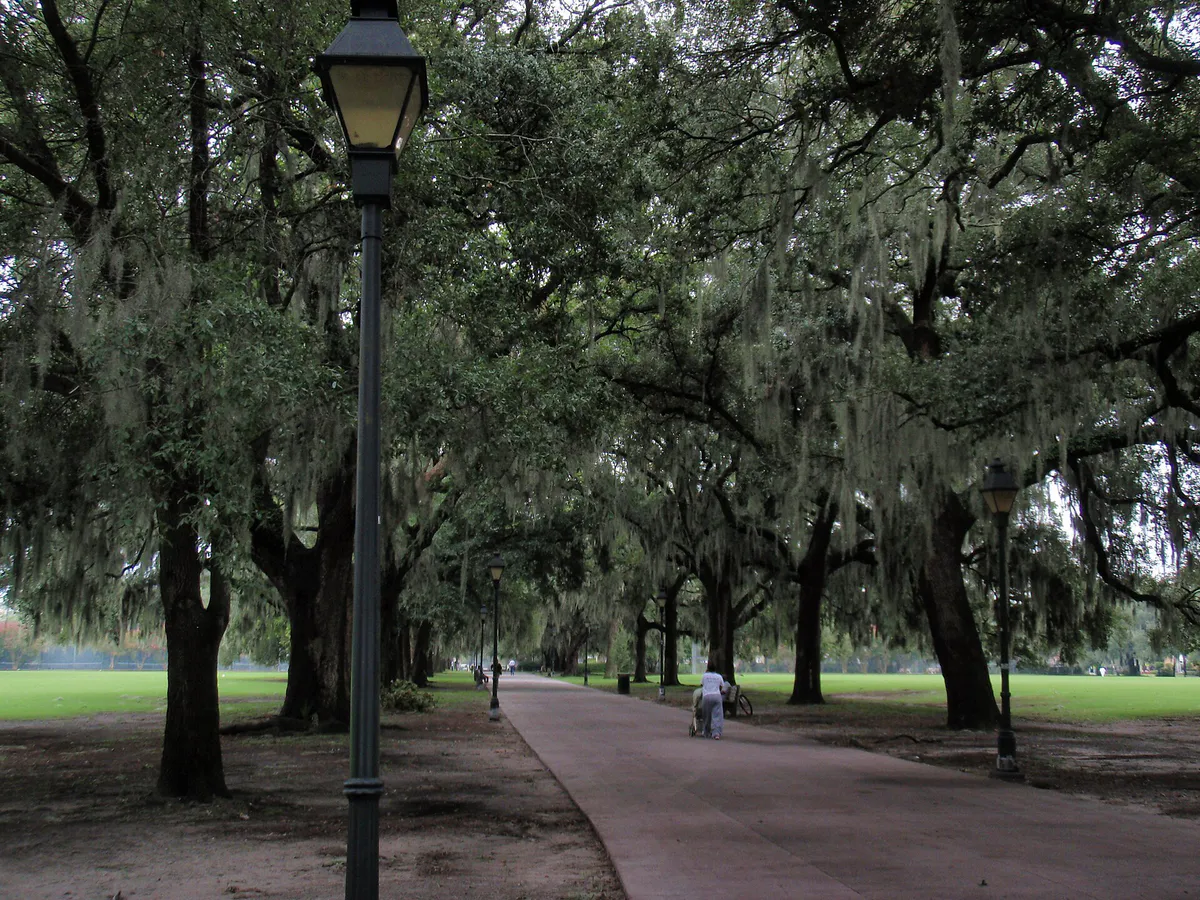
Local landmarks & attractions
These notable destinations offer a starting point when you want something specific to see, visit, or build into a day around Savannah. Distances are approximate from the city area.
synagogue in Savannah, Georgia, USA
botanical garden in Chatham County, Georgia, US
music venue, theatre and former movie theater in Savannah, Georgia, United States
canal in Savannah, Georgia, United States of America
historic district, historic home, and museum in Savannah, Georgia, USA
monument in Savannah, Georgia
road racing course near Bloomingdale, GA, US
performing arts center and former movie theater in Savannah, Georgia, United States
Notable places are selected from structured public destination data and ranked for relevance, prominence, proximity, and variety.
Local decision signals
A useful local recommendation depends on how the city actually works. These conditions affect where to go, what to do, and whether a plan makes sense right now.
Allowed strictly within the Historic District (Savannah River south to Jones Street/Forsyth Park, MLK Jr. Blvd east to East Broad Street). Requires a transparent plastic or aluminum cup up to 16 ounces. Glass bottles and metal cans are prohibited.
Downtown sits on a natural bluff above River Street. Avoid steep historic stone stairs (like the 33 stone steps) and uneven European ballast stones by using elevators at City Hall/Hyatt Regency, The Alida Hotel, or sloped paved ramps like the Lincoln Street Ramp.
The dot Express Shuttle runs two loops (Downtown and Forsyth) every 10–20 minutes with 18–24 stops. The Savannah Belles Ferry offers free water transportation across the river to Hutchinson Island.
Biting midges (Culicoides) are prevalent near salt marshes (Isle of Hope, Wormsloe) during spring and early autumn at dawn and dusk under calm winds. Standard mosquito sprays fail; oil-based or lemon-eucalyptus formulas are required.
High heat indices from June through August require shifting outdoor walking tours to early morning or dusk, reserving 12:00 PM–4:00 PM for indoor venues like the Telfair Museums or SCAD Museum of Art.
The Visitor Day Parking Pass ($15/24 hours or $24/48 hours, available at 100 E. Bryan St.) covers metered spaces with time limits of 1 hour or longer. Strict overnight street sweeping enforcement requires checking posted signs.
Tybee Island is reached solely via US-80 East (~25–30 minutes). High tide coastal flooding and accident bottlenecks can severely delay island transit.
Neighborhood context
Neighborhoods are not interchangeable. Each area offers a different balance of atmosphere, transportation, food, nightlife, activities, and planning friction.
Best for: First-time visitors, architecture enthusiasts, walkable dining, and nightlife
The 2.2–2.5-square-mile urban core laid out on James Oglethorpe’s 1733 grid, featuring 22 preserved historic squares, cobblestone riverfronts, antebellum townhomes, and high-density corridors like Broughton and Bay Streets.
Best for: Young adults, students, park access, and bed-and-breakfast stays
Anchored directly south of Gwinnett Street and extending to Anderson Lane around Forsyth Park. Known for 19th-century frame homes, Queen Anne architecture, and a strong Savannah College of Art and Design (SCAD) student presence.
Best for: Indie shopping, creative arts, food trucks, and local dining away from tourist crowds
Centered around Bull Street and 40th Street south of the Victorian District. Savannah's creative engine filled with repurposed industrial spaces, vintage clothing shops, art galleries, local breweries, and food hubs like Starland Yard.
Best for: Quiet neighborhood walks, long-term residential stays, and tree-lined architecture
Platted around 1910 in Midtown as Savannah's first motor-oriented suburb. Spans roughly 400 acres featuring broad median boulevards, pocket parks, Colonial Revival homes, and large lot sizes.
Best for: Families, Craftsman bungalow architecture, and proximity to Daffin Park
Early 20th-century residential enclaves adjacent to Daffin Park, featuring Craftsman bungalows, brick residences, and neighborhood greenways populated by long-term residents.
Best for: Coastal views, marshland scenery, gullah geechee heritage, and nature drives
Coastal communities southeast of downtown along Skidaway and Moon River waterways. Home to historic fishing villages (Pin Point), scenic oak canopy drives (Wormsloe), and waterfront residential docks.
Best for: Beach days, seafood shacks, watersports, and lighthouse visits
Savannah’s barrier island beach municipality 18 miles east along US-80. Features public beaches, a historic 18th-century lighthouse, surf rentals, and casual open-air seafood dining.
Best for: Arena events, minor league sports, and emerging urban redevelopment
An emerging redevelopment zone west of MLK Boulevard near the Savannah River, anchored by Enmarket Arena (home of the Savannah Ghost Pirates hockey team) and ongoing civic projects.
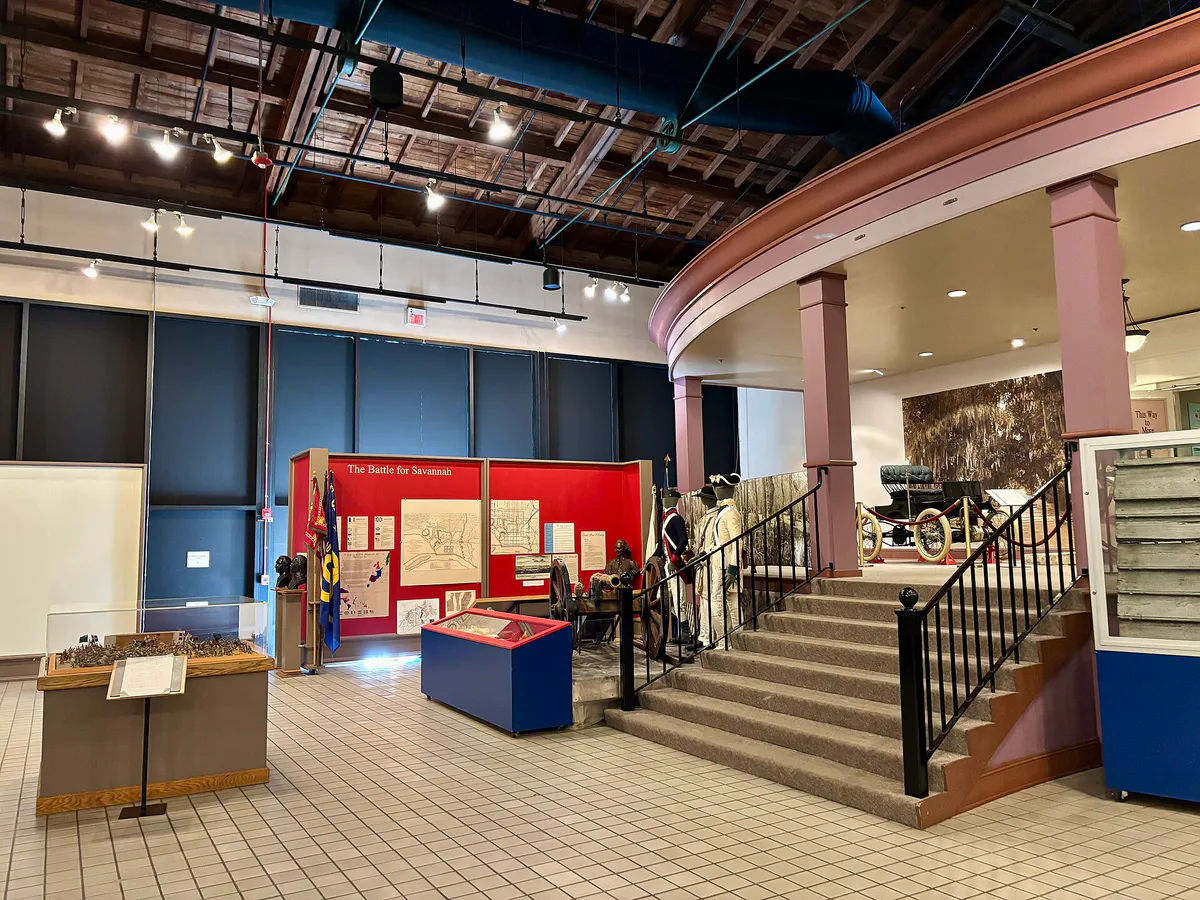
Savannah local guide
Navigating Savannah effectively requires understanding the spatial logic of General James Oglethorpe’s 1733 urban plan. The Historic Landmark District is structured around a network of historic squares—22 of which remain today. Each square acts as a central green park surrounded by residential townhomes, civic institutions, and places of worship. This layout makes downtown flat, hyper-walkable, and self-orienting. However, moving north toward the Savannah River presents a major physical change: the natural river bluff.
Downtown sits elevated above River Street and Factors Walk. Transit between upper Bay Street and lower River Street involves steep vertical shifts connected by historic stone ramps, footbridges, and steep masonry staircases. Visitors and residents dealing with strollers, luggage, or mobility constraints should bypass these historic staircases entirely in favor of modern elevator portals located inside City Hall, the Hyatt Regency, and The Alida Hotel.
Moving south along the Bull Street corridor reveals distinct micro-districts. South of Gwinnett Street, the dense brick architecture of the Historic District gives way to the frame homes and Victorian gingerbread detail surrounding Forsyth Park. Continuing past Anderson Lane leads into the Thomas Square / Starland District, where historic preservation yields to industrial adaptive reuse, indie galleries, and neighborhood dining hubs.
Explore your options
Avoid common planning mistakes by factoring in local ordinances, environmental friction, and terrain challenges before setting out.
Savannah allows carrying alcoholic beverages in public outdoor spaces, but strict rules apply to avoid citations.
River Street and Factors Walk are paved with 18th-century European ballast stones that create physical hazards.
Biting midges active near Lowcountry salt marshes require specialized defense strategies.
US-80 East is the sole road connecting mainland Savannah to Tybee Island beaches.
Practical local guidance
Leverage these city-funded services, public green spaces, and self-guided activities to explore Savannah without high expenses.
A simpler way to decide
Follow these steps to navigate the river bluff safely without encountering steep stairs or treacherous cobblestones.
Locate public elevator corridors on Bay Street before descending toward the water. Key elevator access points include Savannah City Hall (adjacent to the Hyatt Regency), the Hyatt Regency lobby elevator, and The Alida Hotel on the western end.
Avoid the 33 historic stone steps located at the western end of Factors Walk and the narrow masonry stairs along Bay Lane, as these lack uniform treads and handrail continuity.
If approaching on foot from the east side, use the paved Lincoln Street Ramp or East Broad Street grade to descend smoothly to River Street level.
Once on River Street, stick to modern wide concrete promenades along the Plant Riverside District and Eastern Wharf rather than the center ballast stone streets.
Use the level dock ramps at the City Hall Landing or Waving Girl Landing to board the free, accessible water taxi across to Hutchinson Island.
Common local questions
These are common situations people face when trying to decide where to eat, what to do, where to get drinks, or how to spend their time in Savannah.
Savannah planning questions
Practical answers for people deciding where to eat, what to do, where to go, or how to make plans in Savannah.
No. The open-container ordinance applies strictly within the Historic Landmark District (bounded by the Savannah River to the north, Jones Street or Forsyth Park to the south, MLK Jr. Boulevard to the west, and East Broad Street to the east). Drinks must be in a transparent plastic or aluminum cup no larger than 16 ounces. Carrying glass containers, cans, or open alcohol south into residential neighborhoods is a civil violation.
Use public elevator access portals located at Savannah City Hall / Hyatt Regency (100 E. Bay St.), The Alida Hotel (412 W. Bay St.), or descend via sloped paved ramps such as the Lincoln Street Ramp on the east end of downtown.
Yes. The city operates the zero-fare dot Express Shuttle, which runs two loops (Downtown and Forsyth) connecting major parking garages, visitor centers, and historic sites every 10–20 minutes. Additionally, the Savannah Belles Ferry provides free water taxi transit across the Savannah River to Hutchinson Island.
The VDP costs $15 for 24 hours or $24 for 48 hours and allows unlimited parking at city-metered spaces with time limits of 1 hour or longer. It is highly cost-effective for visitors planning to park on street meters for more than 4 hours in high-density downtown zones. It must be purchased in person at Mobility & Parking Services (100 E. Bryan St.).
Sand gnats (biting midges) are active near Lowcountry salt marshes around dawn and dusk, especially on calm, humid days in spring and autumn. Standard DEET mosquito repellents are largely ineffective. Use oil-based skin barriers, lemon-eucalyptus repellent, or wear lightweight long sleeves.
Tybee Island is located approximately 18 miles east of downtown Savannah. Drive time is typically 25–30 minutes down US-80 East. Note that high tides, coastal flooding, or vehicle accidents on the causeway can cause significant delays during summer weekends.
The Telfair Museums Trio pass provides consolidated admission to three distinct indoor sites valid for sequential days: the Jepson Center for modern art, the Telfair Academy for classical 19th-century works, and the historic Owens-Thomas House & Slave Quarters.
The Historic District features 18th- and 19th-century architecture, formal squares, cobblestone streets, high tourism density, and open-container privileges. The Starland District (located 1.5 miles south in Thomas Square) is a local arts and creative hub featuring repurposed industrial buildings, vintage shops, craft breweries, and food trucks outside the open-container zone.
Savannah enforces overnight street sweeping schedules strictly. Parking lanes on designated streets are swept on specific nights between midnight and 6:00 AM. Always read posted metal street signs on the exact block where you park to avoid instant ticketing or towing.
Source transparency
Official and locally relevant sources used to verify the practical information presented in this Savannah decision guide.
Savannah decision engine
Tell Adventria what kind of experience you want, set your practical limits, and turn the options in Savannah into one workable plan.
Choose a Savannah Plan