El Paseo Shopping District
Best for
Luxury shopping, fine dining, patio cocktails, high-end galleries
 AdventriaLocalOpen App
Coachella Valley Local Decision Guide
Trying to decide what to do in Palm Desert? Adventria helps you cut through the options and choose a good-enough plan without endless scrolling. Whether visiting for golf and high-end shopping or looking for daily local routines, navigating Palm Desert requires understanding its geographical corridors, extreme seasonal temperature swings, microclimatic wind variations, and early evening dining schedules.
The local decision problem
How to navigate Palm Desert's seasonal climate, distinct north-south corridors, dining schedules, and outdoor activities for optimal daily planning.
That is where Adventria comes in. Adventria helps narrow the options in Palm Desert around practical factors like location, distance, budget, vibe, who you are with, and the kind of experience you actually want, so research can turn into a decision.
Let Adventria narrow the optionsPick the right part of town
Different parts of Palm Desert work for different kinds of plans. Start with the experience you want, then narrow the map.
Best for
Luxury shopping, fine dining, patio cocktails, high-end galleries
Best for
Foothill hiking, mid-century homes, wind-sheltered outdoor dining
Best for
Walkable local cafes, cycling, casual dining, community events
Best for
Family recreation, lap swimming, live theater, community parks
Best for
Championship golf, resort living, master-planned gated communities
Best for
Higher education, regional access, major shopping plazas
Eat & drink
When the decision is less about what to do and more about where to eat or grab a drink, start here. These local cues narrow the food and drink decision without turning dinner or a night out into another hour of comparison.
For upscale dining, steakhouses, and modern seafood, head to the El Paseo corridor to venues like Mastro's, Eddie V's, or Tommy Bahama Restaurant. For casual everyday meals, neighborhood Mexican, or craft coffee, explore San Pablo Avenue and Highway 111.
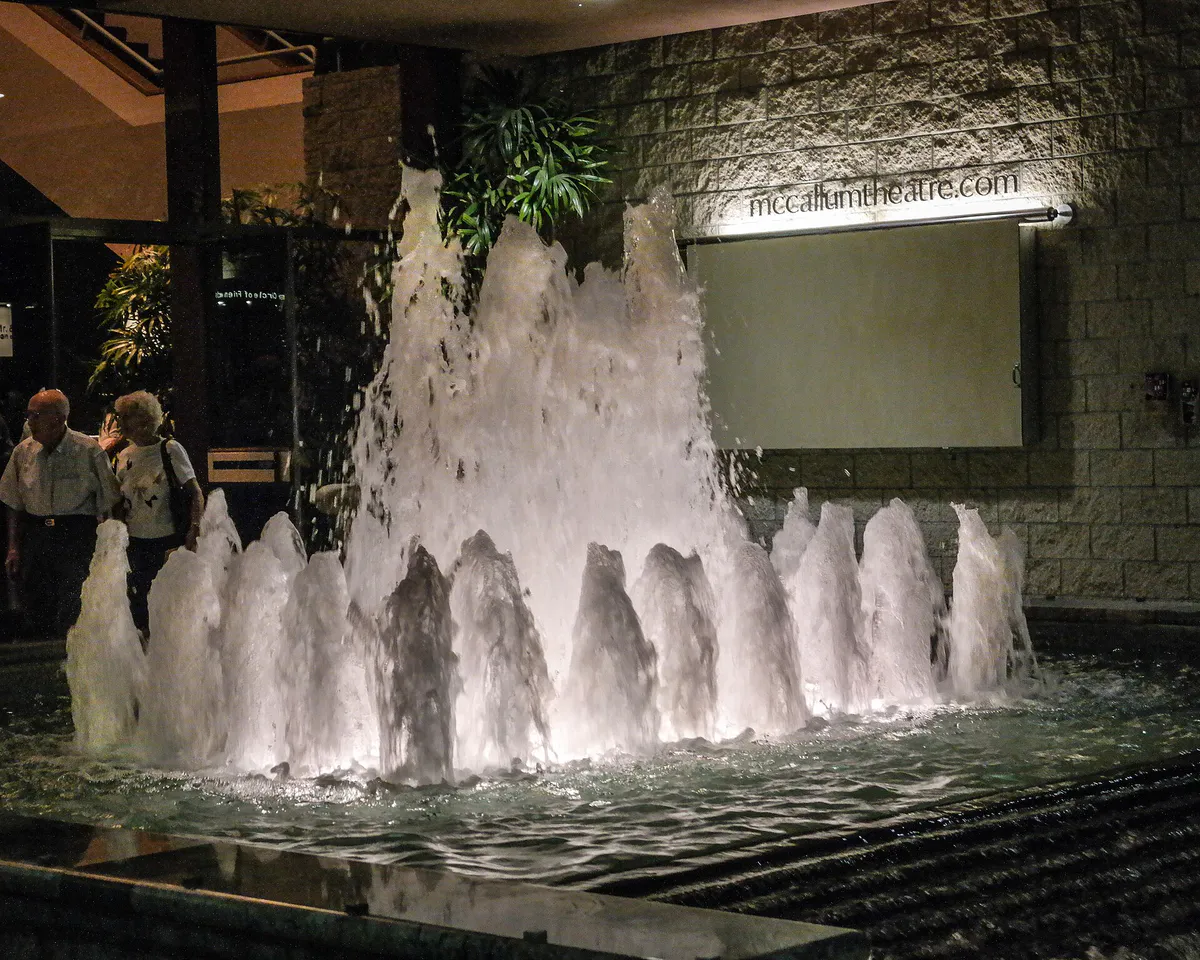
Palm Desert kitchens generally close between 8:30 PM and 9:30 PM. For an evening out, reserve tickets for a performance at McCallum Theatre, enjoy live jazz in the lounge at Eddie V's, or head to Kitchen 86 on El Paseo for late-night food and dueling pianos until midnight.
Still comparing options? Adventria can narrow the choice around budget, distance, vibe, and who you are with.
Decide with AdventriaPlan by situation
Start with the kind of plan you are actually trying to make. These city-specific ideas narrow the choice around who you are with, what you want to spend, the weather, and the kind of outing you want.
For an outdoor plan from Palm Desert, compare trails, state parks, national parks within trip range, and scenic drives. Options in the current city guide include Mount San Jacinto State Park and Anza-Borrego Desert State Park.
Visit The Living Desert Zoo and Gardens for giraffe feeding and desert animal exhibits, then spend the afternoon at Civic Center Park for playgrounds, duck ponds, and splash zones or water slides at the Palm Desert Aquatic Center.
Take a late-afternoon stroll through the 4-acre Faye Sarkowsky Sculpture Garden among native desert plants and art installations, followed by outdoor patio dining and craft cocktails along El Paseo at Kitchen 86 or Porta Via.
On rare rainy days or extreme summer afternoons, spend time indoors at the Palm Desert Public Library, plan a resort spa session at JW Marriott Desert Springs, or explore indoor retail and dining at The Shops at Palm Desert.
Take advantage of zero-cost experiences like the lower Bump and Grind trail, the Faye Sarkowsky Sculpture Garden, Civic Center Park, and the CV Link pathway. For low-cost recreation, purchase a day pass to the Palm Desert Aquatic Center.
Hike the lower loop of the Bump and Grind Trail for valley views, buy a daily pass for lap swimming at the Palm Desert Aquatic Center, or bike along the completed 5.44-mile central segment of the CV Link corridor.
Reserve group tee times on the Firecliff or Mountain View courses at Desert Willow, book private dining rooms at high-end El Paseo steakhouses like Morton's or Mastro's, or hold casual outdoor gatherings at Civic Center Park.
Outdoors nearby
Use these nearby outdoor options when the plan calls for a trail, protected landscape, park, or drive instead of another indoor stop. Proximity here is geographic, not a promise about driving time.
Get out of town
When staying in town is not the answer, these nearby destinations give you a smaller starting set for a day trip, overnight escape, or weekend away.
Destination relationships are screened geographically. Straight-line proximity is not presented as road mileage or estimated travel time.
Local landmarks & attractions
These notable destinations offer a starting point when you want something specific to see, visit, or build into a day around Palm Desert. Distances are approximate from the city area.
botanical garden and zoo in Riverside County, California
arena in Palm Springs, California
art museum in Palm Springs, California
casino and hotel in Palm Springs, California
theater and concert venue in Palm Desert, California, United States
botanical garden
aerospace museum in Palm Springs, California
historic district in Riverside County, United States of America
Notable places are selected from structured public destination data and ranked for relevance, prominence, proximity, and variety.
Local decision signals
A useful local recommendation depends on how the city actually works. These conditions affect where to go, what to do, and whether a plan makes sense right now.
South Palm Desert along the Santa Rosa mountain foothills experiences higher evening winter temperatures and significantly reduced wind compared to North Palm Desert.
The upper spur of the Bump and Grind Trail (Mirage Trail to the summit) is closed from February 1 to April 30 annually to protect Peninsular bighorn sheep during lambing season.
Most restaurant kitchens in Palm Desert close between 8:30 PM and 9:30 PM. Late-night options like Kitchen 86 serve full menus until midnight.
Palm Desert maintains permitted street routes and multi-use paths (CV Link) specifically designated for Neighborhood Electric Vehicles (NEVs/golf carts).
Due to summer temperatures routinely exceeding 100°F, major outdoor sites like The Living Desert shift operating hours to early morning (7:00 AM to 1:30 PM) from June through September.
Local drivers bypass seasonal Highway 111 signal congestion by taking Fred Waring Drive, Country Club Drive, or Interstate 10 across the valley.
Neighborhood context
Neighborhoods are not interchangeable. Each area offers a different balance of atmosphere, transportation, food, nightlife, activities, and planning friction.
Best for: Luxury shopping, fine dining, patio cocktails, high-end galleries
A 1-mile luxury retail and dining corridor located south of Highway 111, often called the Rodeo Drive of the Desert, home to steakhouses, seafood spots, and boutique shopping.
Best for: Foothill hiking, mid-century homes, wind-sheltered outdoor dining
Established residential enclaves like Sandpiper, Marrakesh, and Ironwood nestled directly against the Santa Rosa Mountains, offering thermal warmth and trail access.
Best for: Walkable local cafes, cycling, casual dining, community events
A revitalized, pedestrian and bicycle-friendly downtown streetscape designed as the civic spine connecting Highway 111 with Civic Center Park.
Best for: Family recreation, lap swimming, live theater, community parks
The civic core along Fred Waring Drive housing the 73-acre Civic Center Park, the Palm Desert Aquatic Center, College of the Desert, and McCallum Theatre.
Best for: Championship golf, resort living, master-planned gated communities
The zone north of Country Club Drive featuring championship public and private golf facilities, including the city-owned Desert Willow Golf Resort.
Best for: Higher education, regional access, major shopping plazas
The northern edge along Interstate 10 hosting CSUSB Palm Desert Campus, UCR Palm Desert Center, and major retail centers like Desert Crossings.
Palm Desert local guide
Understanding Palm Desert requires recognizing its geographic distinctiveness within the Coachella Valley. Situated between Palm Springs to the west and Indio to the east, the city spans from the high northern wind corridors near Interstate 10 down to the naturally sheltered foothills of the Santa Rosa Mountains along South Palm Desert.
This topography creates distinct local microclimates. North Palm Desert, near the university campuses and golf communities along I-10, experiences higher wind exposure originating from the San Gorgonio Pass during spring and early summer. Conversely, South Palm Desert along Highway 111 and El Paseo stays warmer on winter nights and remains shielded from strong wind gusts by the adjacent mountain wall.
Seasonal planning is essential. Peak high season runs from November through April, when mild temperatures (68°F to 80°F) draw high visitor volume, making advance dining and golf reservations vital. Summer brings extreme dry heat regularly topping 100°F–108°F+, shifting all outdoor activity to early morning hours before 8:30 AM. Driving patterns also shift seasonally; local drivers frequently avoid heavy signal delays on Highway 111 by using Fred Waring Drive, Country Club Drive, or I-10 for faster east-west travel across the valley.
Explore your options
Palm Desert is organized into three major geographic sectors, each serving specific residential, commercial, and recreational needs.
The city's high-end retail, dining, and scenic foothill core. Positioned south of Highway 111, this area is naturally protected from valley winds.
The civic, educational, and local lifestyle hub centered around San Pablo Avenue, Fred Waring Drive, and Highway 111.
Master-planned residential gated communities, championship golf, higher education campuses, and major retail centers.
Practical local guidance
Palm Desert offers a variety of specialized transportation methods beyond standard driving.
A simpler way to decide
Follow this step-by-step framework to maximize your time during the busy winter and spring season.
Book tee times at Desert Willow Golf Resort and dinner tables along El Paseo well before arrival, as high-season demand is intense.
Head out early to hike the Bump and Grind Trail or visit The Living Desert Zoo and Gardens while outdoor temperatures are crisp and comfortable.
Bypass congested traffic signals on Highway 111 by driving Fred Waring Drive or Country Club Drive when moving across town.
Visit the open-air Faye Sarkowsky Sculpture Garden, stroll along San Pablo Avenue, or swim laps at the Palm Desert Aquatic Center.
Aim for dinner between 6:00 PM and 8:00 PM. Most local restaurant kitchens close by 9:30 PM, so transition to lounges like Eddie V's or Kitchen 86 for late-night entertainment.
Common local questions
These are common situations people face when trying to decide where to eat, what to do, where to get drinks, or how to spend their time in Palm Desert.
Palm Desert planning questions
Practical answers for people deciding where to eat, what to do, where to go, or how to make plans in Palm Desert.
The upper spur of the Bump and Grind Trail closes annually from February 1 through April 30 to protect endangered Peninsular bighorn sheep during lambing season. The lower 3-mile loop remains accessible year-round.
Most restaurant kitchens in Palm Desert close between 8:30 PM and 9:30 PM. Late-night exceptions include Kitchen 86 on El Paseo, which serves a full menu until midnight.
Yes, Palm Desert has designated street routes and permitted multi-use paths, including sections of the CV Link, that allow Neighborhood Electric Vehicles (NEVs) and permitted golf carts.
SunRide is an on-demand microtransit service operated by SunLine Transit Agency. It runs Monday through Friday from 5:30 AM to 6:30 PM for $3 per ride within designated Palm Desert zones.
To protect visitors from extreme summer heat, The Living Desert Zoo and Gardens shifts to early morning operating hours (7:00 AM to 1:30 PM) from June through September.
Yes, parking is free throughout the El Paseo district, including public street parking, surface lots, and multi-level parking structures.
No, admission to the 4-acre Faye Sarkowsky Sculpture Garden is free daily from sunrise to sunset.
To avoid signal congestion on Highway 111 during peak winter months, local motorists use Fred Waring Drive, Country Club Drive, or Interstate 10.
Located inside Civic Center Park and operated by the YMCA, the center features three pools, Olympic lap lanes, water slides, diving boards, splash play areas, and water exercise classes.
Source transparency
Official and locally relevant sources used to verify the practical information presented in this Palm Desert decision guide.
Palm Desert decision engine
Tell Adventria what kind of experience you want, set your practical limits, and turn the options in Palm Desert into one workable plan.
Choose a Palm Desert Plan