Downtown / University Avenue Corridor
Best for
Fine dining, tech headquarters, historic cinema, and high-density foot traffic.
 AdventriaLocalOpen App
PALO ALTO LOCAL OUTINGS & PLANNING
Trying to decide what to do in Palo Alto? Adventria helps you cut through the options and choose a good-enough plan without endless scrolling. Palo Alto combines world-class academic institutions, historic residential tracts, and extensive natural preserves across a tight Peninsula footprint. Whether you are navigating downtown parking zones, avoiding Caltrain grade-crossing bottlenecks, or timing free visits to Stanford art collections, this guide helps you structure seamless outings across every district.
The local decision problem
Navigating Palo Alto's distinct commercial hubs, transit friction points, parking color zones, and university-adjacent cultural schedules to plan non-touristy day trips, dining, and outdoor activities.
That is where Adventria comes in. Adventria helps narrow the options in Palo Alto around practical factors like location, distance, budget, vibe, who you are with, and the kind of experience you actually want, so research can turn into a decision.
Let Adventria narrow the optionsPick the right part of town
Different parts of Palo Alto work for different kinds of plans. Start with the experience you want, then narrow the map.
Best for
Fine dining, tech headquarters, historic cinema, and high-density foot traffic.
Best for
Pedestrian street dining, artisan sourdough bakeries, and Sunday farmers markets.
Best for
Gourmet casual dining, specialty retail, and convenient shopping plaza stops.
Best for
Architecture walks, canopy-shaded streets, and garden visits.
Best for
Semi-rural neighborhood strolls and visiting local animal mascots.
Best for
Family park outings, mid-century modern Eichler architecture, and community facilities.
This is a quick starting point. The full guide covers 8 local neighborhoods and districts in Palo Alto.
Eat & drink
Trying to decide where to eat in Palo Alto? Start with the local dining context below and narrow the decision around the kind of meal or experience you actually want.
Head to University Avenue for upscale New American dining, cocktail lounges, or Cuban coffee at Coupa Cafe on Ramona Street. For a more relaxed setting with outdoor parklets, visit California Avenue for artisan sourdough pizza, hummuserias, and noodle shops. Alternatively, Town & Country Village off El Camino Real offers gourmet burgers at Gott's Roadside, Spanish tapas at Teleferic Barcelona, and craft cocktails at Horsefeather. Note that kitchen service across Palo Alto generally concludes between 9:00 PM and 10:00 PM.
Still comparing options? Adventria can narrow the choice around budget, distance, vibe, and who you are with.
Decide with AdventriaPlan by situation
Start with the kind of plan you are actually trying to make. These city-specific ideas narrow the choice around who you are with, what you want to spend, the weather, and the kind of outing you want.
For an outdoor plan from Palo Alto, compare trails, state parks, national parks within trip range, and scenic drives. Options in the current city guide include Portola Redwoods State Park and Castle Rock State Park.
Gather at Town & Country Village where group members can pick up options from Gott's Roadside, Boichik Bagels, or Manresa Bread and sit at open-air plaza tables. For outdoor gatherings, reserve a group picnic site in advance at Foothills Nature Preserve or near the Lucy Evans Interpretive Center at Baylands.
For a short escape from Palo Alto, compare Richmond and Antioch. More options are listed in the trip section below.
Take younger children to the Palo Alto Junior Museum & Zoo at Rinconada Park to see local wildlife and interactive exhibits, followed by playtime at the Magical Bridge Playground in Mitchell Park. On Sunday mornings between 10:00 AM and 11:00 AM, stop by Bol Park in Barron Park to see volunteer handlers walk the community donkeys, Buddy and April, along the trail.
Spend rainy afternoons gallery hopping indoors across the Cantor Arts Center and Anderson Collection on campus. Alternatively, visit the Palo Alto Art Center on Newell Road, explore interactive indoor science stations at the Palo Alto Junior Museum & Zoo, or catch a matinee double feature at the Stanford Theatre.
Palo Alto offers high-value free activities: admission to all Stanford art museums (Cantor, Anderson, Rodin Sculpture Garden) is 100% free. Baylands Nature Preserve, Pearson-Arastradero Preserve, Byxbee Park, and Gamble Garden cost nothing to explore, and the Marguerite Shuttle provides zero-cost transit across campus and transit hubs.
Grab a coffee at Coupa Cafe on Ramona Street, then spend time reading in the outdoor courtyards at Cantor Arts Center or inside the serene ground of Gamble Garden. Cyclists can navigate the quiet, tree-lined Bryant Street Bicycle Boulevard, stopping at the Mitchell Park or Rinconada Library branches.
Outdoors nearby
Use these nearby outdoor options when the plan calls for a trail, protected landscape, park, or drive instead of another indoor stop. Proximity here is geographic, not a promise about driving time.
Get out of town
When staying in town is not the answer, these nearby destinations give you a smaller starting set for a day trip, overnight escape, or weekend away.
Destination relationships are screened geographically. Straight-line proximity is not presented as road mileage or estimated travel time.
Local landmarks & attractions
These notable destinations offer a starting point when you want something specific to see, visit, or build into a day around Palo Alto. Distances are approximate from the city area.
museum in Mountain View, California
American college football stadium in Stanford, California, USA
theme park in Santa Clara, California
botanical garden in Stanford, California
indoor arena located in Daly City, California, USA
art museum in Stanford, California
arena in San Jose, California, United States
zoo and non-profit organization in Oakland, California
Notable places are selected from structured public destination data and ranked for relevance, prominence, proximity, and variety.
Local decision signals
A useful local recommendation depends on how the city actually works. These conditions affect where to go, what to do, and whether a plan makes sense right now.
Downtown surface lots and municipal garages are organized into Color Zones (Purple, Coral, Lime, Blue) enforced Monday–Friday, 8:00 AM to 5:00 PM. Visitors receive 2 to 3 hours of free parking. Moving your vehicle to a different space inside the same color zone does not reset your time limit; you must move to another zone or pay $25.69 for a daily garage permit.
At-grade rail crossings at Churchill Avenue, Meadow Drive, and Charleston Road experience severe delays during morning (7:30 AM–9:00 AM) and evening (5:00 PM–6:30 PM) commute hours due to frequent crossing gate drops. Bypass these queues by using the grade-separated Page Mill Road or Oregon Expressway overpass.
When Stanford hosts home football games, traffic surges across El Camino Real, Embarcadero Road, and Highway 101. Town & Country Village parking lots fill early, and campus access routes experience prolonged delays before and after kickoff.
The Stanford Marguerite Shuttle operates free routes accessible to the general public, connecting the Palo Alto Transit Center and Cal Ave Station to campus museums. Admission to the Cantor Arts Center, Rodin Sculpture Garden, and Anderson Collection is completely free year-round (closed Tuesdays).
Vehicle entry at Foothills Nature Preserve is $6 per vehicle with a concurrent visitor limit of 400 people and 250 vehicles. Outdoor open flames and charcoal barbecues are strictly prohibited due to wildfire safety regulations.
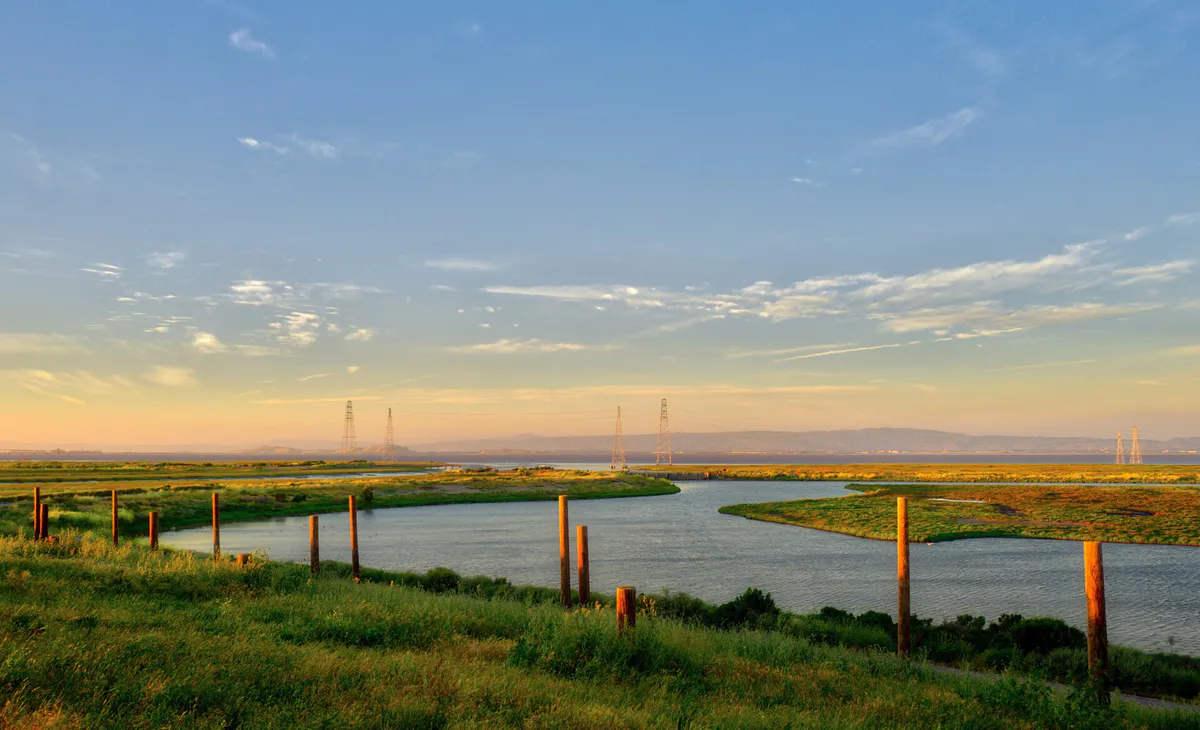
The eastern marshlands experience strong afternoon onshore breezes off San Francisco Bay that significantly lower ambient temperatures after 2:00 PM. Winter King Tides can periodically submerge salt marsh boardwalks near the Lucy Evans Interpretive Center.
Neighborhood context
Neighborhoods are not interchangeable. Each area offers a different balance of atmosphere, transportation, food, nightlife, activities, and planning friction.
Best for: Fine dining, tech headquarters, historic cinema, and high-density foot traffic.
The city's primary civic and commercial center bounded by San Francisquito Creek, Alma Street, Middlefield Road, and Addison Avenue. Home to 1920s Spanish Mediterranean architecture, boutique shops, tech offices, and dense outdoor dining.
Best for: Pedestrian street dining, artisan sourdough bakeries, and Sunday farmers markets.
Palo Alto's historic secondary downtown centered around a pedestrian-friendly main street zone. It features expansive outdoor parklets, fast-casual noodle shops, and immediate access to the California Avenue Caltrain Station.
Best for: Gourmet casual dining, specialty retail, and convenient shopping plaza stops.
Located at the intersection of El Camino Real and Embarcadero Road across from Palo Alto High School. An open-air lifestyle plaza housing notable regional culinary brands including Gott's Roadside, Manresa Bread, Teleferic Barcelona, and Boichik Bagels.
Best for: Architecture walks, canopy-shaded streets, and garden visits.
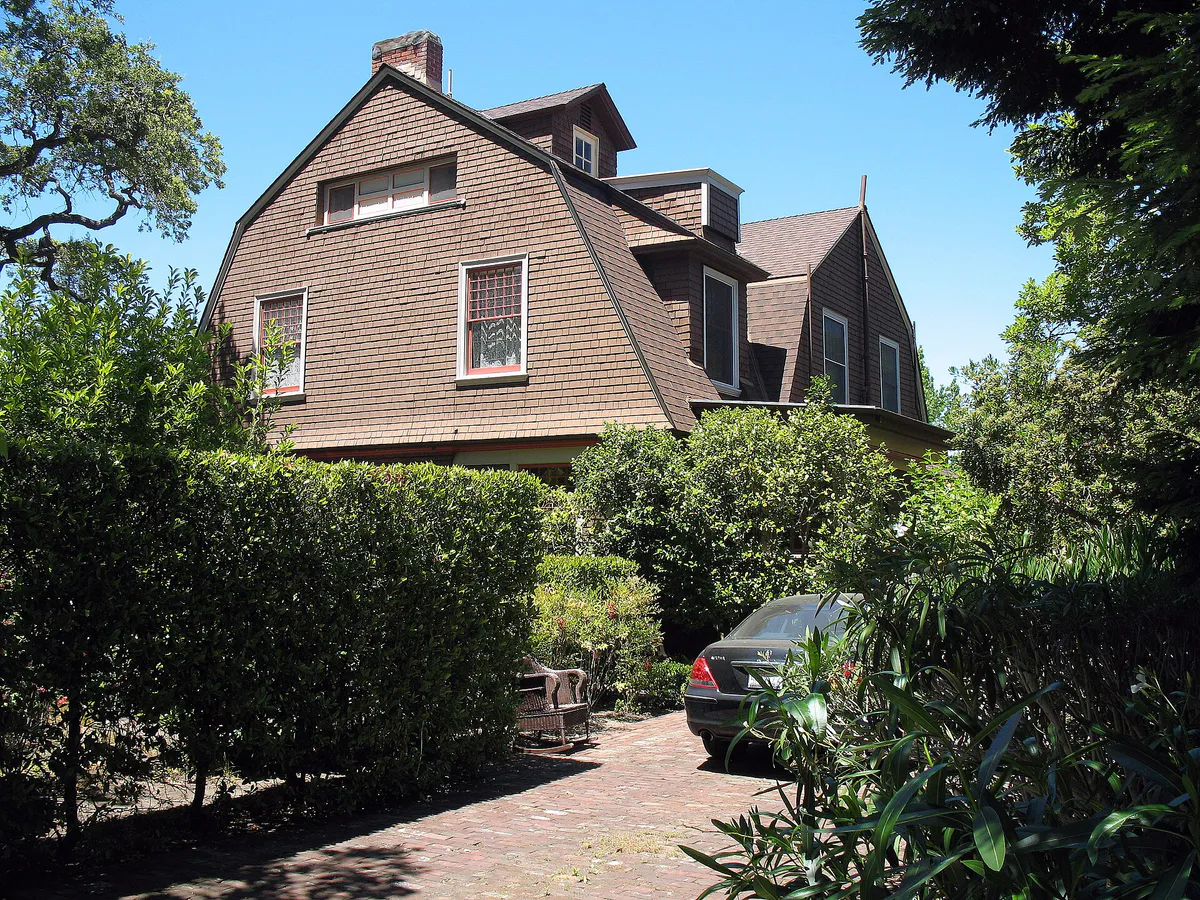
Exclusive residential enclaves south of Downtown. Professorville features Shingle-style and Craftsman homes built by founding university professors between 1890 and 1920, while Old Palo Alto houses grand historic estates and the Elizabeth F. Gamble Garden.
Best for: Semi-rural neighborhood strolls and visiting local animal mascots.
A quiet, lower-density South Palo Alto enclave without concrete sidewalks or street gutters. Features Matadero Creek, Bol Park greenways, and a dedicated community pasture home to the Barron Park donkeys, Buddy and April.
Best for: Family park outings, mid-century modern Eichler architecture, and community facilities.
Suburban post-war neighborhoods home to thousands of Joseph Eichler mid-century modern tract homes, including the historic Greenmeadow subdivision. Anchored by Rinconada Park and Mitchell Park.
Best for: Flat salt-marsh trail walks, birdwatching, and earthwork public art.
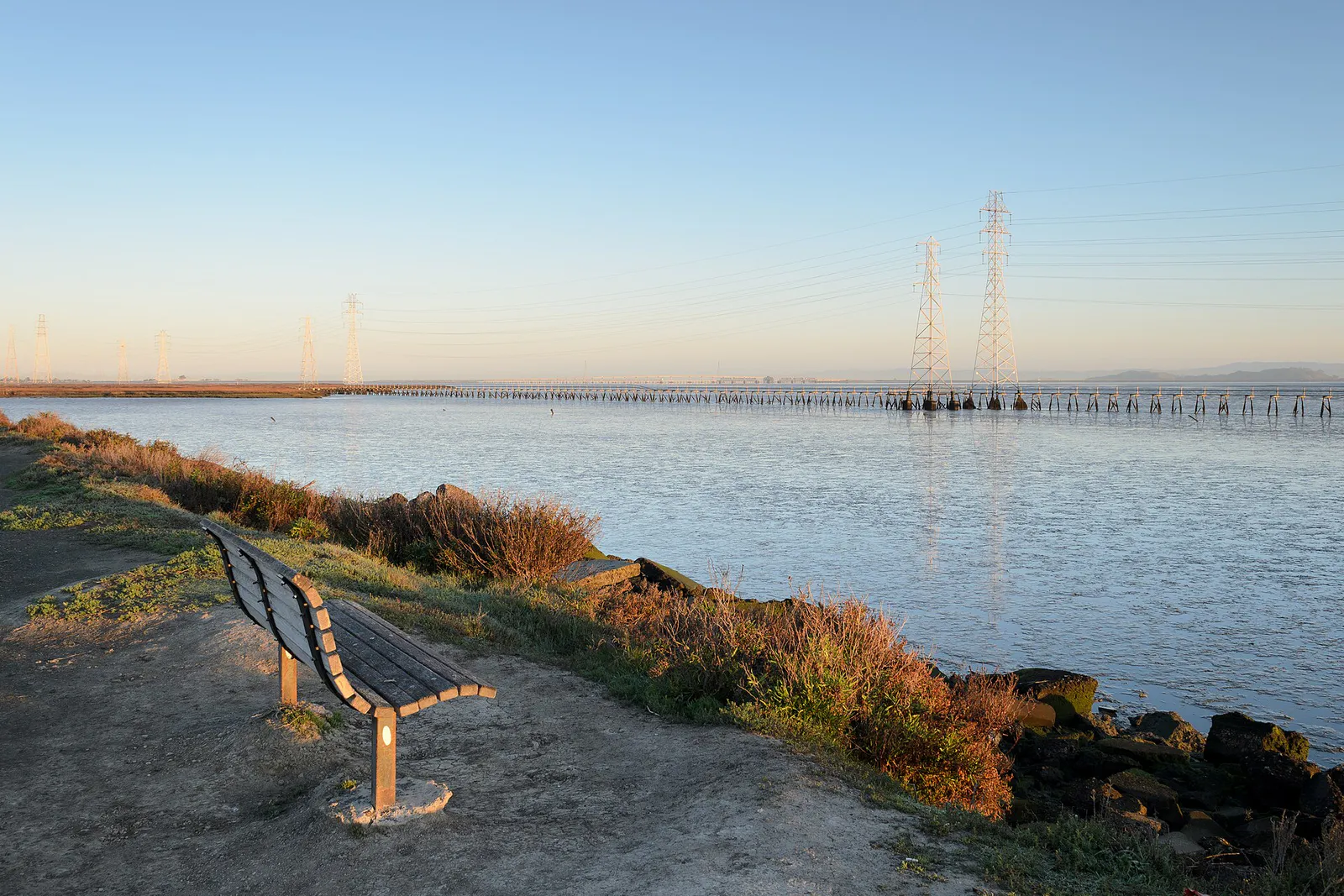
A 1,940-acre nature preserve on San Francisco Bay featuring 15 miles of multi-use trails, Byxbee Park, a duck pond, and the Lucy Evans Baylands Nature Interpretive Center with a boardwalk over tidal marshland.
Best for: Elevation hiking, lake views, and foothill nature preserves.
Low-density foothill terrain west of Interstate 280 providing access to the 1,400-acre Foothills Nature Preserve and the 600-acre Pearson-Arastradero Preserve.
Explore your options
Choose an outing tailored to your group size, schedule, and interest area.
A full afternoon and evening immersed in world-class visual arts and vintage cinema.
An open-air outdoor outing along undisturbed salt marshes and earthwork art installations.
An easy, kid-friendly itinerary concentrated in South Palo Alto and historic parks.
A weekend morning combining local farm-to-table food with high-elevation views.
Practical local guidance
Keep these practical operational rules in mind when planning activities across the city.
A simpler way to decide
Follow this step-by-step sequence to coordinate parking, museum schedules, and outdoor preserves.
Verify that your target venues are open, keeping in mind that Cantor Arts Center and Anderson Collection are closed Tuesdays. Check for Stanford home football games or major academic events that create severe traffic along El Camino Real and Embarcadero Road.
If visiting Downtown, park in a municipal garage noting the specific Color Zone. If visiting Stanford campus, download the ParkMobile app for hourly visitor parking, or take Caltrain to Palo Alto Transit Center and connect to the free Marguerite Shuttle.
Spend your morning visiting the Rodin Sculpture Garden, Cantor Arts Center galleries, and the Anderson Collection. Walk Palm Drive to inspect Stanford's Main Quad and Memorial Church.
Head to Baylands Nature Preserve before 2:00 PM for calm conditions on the marsh boardwalk, or drive up Page Mill Road to Foothills Nature Preserve ($6 per vehicle entry) to hike around Boronda Lake.
Dine along California Avenue or University Avenue before restaurant kitchens close (generally 9:00 PM–10:00 PM). Complete your trip with a classic film screening and live Wurlitzer organ performance at the historic Stanford Theatre.
Common local questions
These are common situations people face when trying to decide where to eat, what to do, where to get drinks, or how to spend their time in Palo Alto.
Palo Alto planning questions
Practical answers for people deciding where to eat, what to do, where to go, or how to make plans in Palo Alto.
Yes, Downtown municipal garages and surface lots offer 2 to 3 hours of free visitor parking Monday through Friday from 8:00 AM to 5:00 PM. However, parking spaces are governed by Color Zones (Purple, Coral, Lime, Blue). Moving your vehicle to another spot within the same color zone does not reset your free time limit. To stay longer, you must move to a different color zone or buy a $25.69 daily permit.
Yes. Foothills Nature Preserve opened to the general public in December 2020. Entry is $6 per vehicle for non-residents and residents alike, while pedestrians and cyclists enter for free. The park enforces a concurrent visitor limit of 400 people and 250 vehicles.
Avoid driving across the at-grade crossings at Churchill Avenue, Meadow Drive, and Charleston Road during peak commute hours (7:30 AM–9:00 AM and 5:00 PM–6:30 PM). Instead, use the grade-separated overpass system at Page Mill Road / Oregon Expressway or Embarcadero Road.
Yes. Admission to the Cantor Arts Center, the outdoor Rodin Sculpture Garden, and the Anderson Collection is 100% free to the general public year-round. All Stanford art museums are closed on Tuesdays.
The donkeys, Buddy and April, live in a dedicated community pasture along Matadero Creek at Bol Park in the Barron Park neighborhood. Visitors can view them from the park perimeter fence anytime, or see them walked along the park trail by volunteer handlers on Sunday mornings between 10:00 AM and 11:00 AM.
The Marguerite Shuttle is a free transit service operated by Stanford University that is open to the general public with no ID required. Key lines connect the Palo Alto Transit Center (Downtown) and California Avenue Caltrain Station to the campus academic core, Stanford Shopping Center, medical facilities, and art museums.
Top indoor choices include exploring the indoor galleries at Cantor Arts Center and Anderson Collection, visiting the Palo Alto Art Center on Newell Road, bringing children to the Palo Alto Junior Museum & Zoo, or watching classic 35mm movies at the historic Stanford Theatre on University Avenue.
Palo Alto is an early-closing town. Most restaurant kitchens stop taking orders between 9:00 PM and 10:00 PM. Late-night activity centers around craft cocktail lounges on University and California Avenues, or evening screenings at the Stanford Theatre.
Source transparency
Official and locally relevant sources used to verify the practical information presented in this Palo Alto decision guide.
Palo Alto decision engine
Tell Adventria what kind of experience you want, set your practical limits, and turn the options in Palo Alto into one workable plan.
Choose a Palo Alto Plan