Downtown & Waterfront
Best for
First-time visitors, iconic market browsing, and central transit connections.
 AdventriaLocalOpen App
Seattle Local Decision Guide
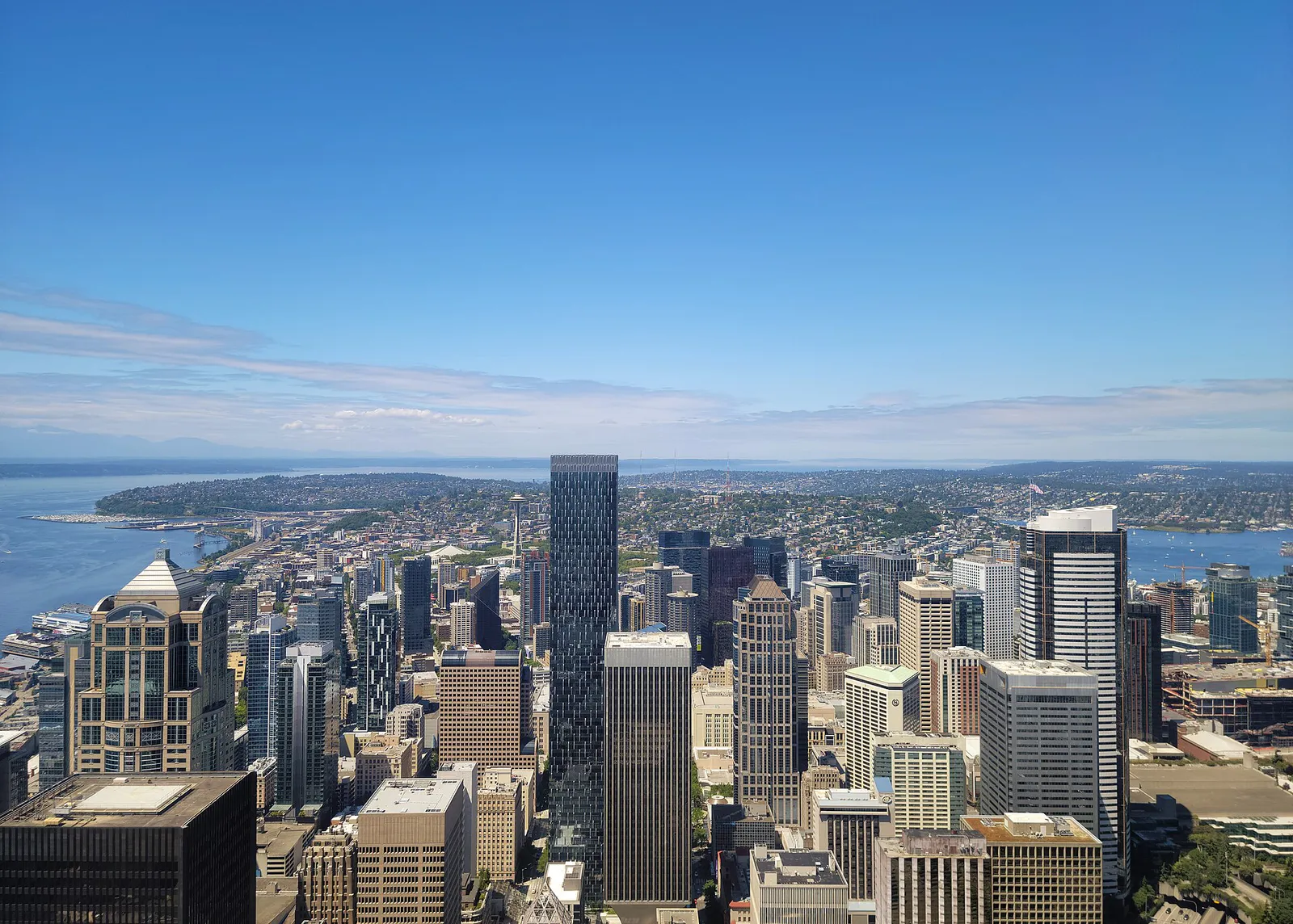
Trying to decide what to do in Seattle? Adventria helps you cut through the options and choose a good-enough plan without endless scrolling. Squeezed between Puget Sound and Lake Washington, Seattle is a dynamic city defined by maritime channels, distinct neighborhood identities, and steep topography. Whether you are avoiding a drawbridge delay, navigating stadium crowds in SoDo, or looking for a reservation-free dinner in Ballard, this guide provides grounded local intelligence to help you move, eat, and explore without friction.
The local decision problem
Navigating Seattle's steep hills, water choke points, variable microclimates, and stadium traffic to make frictionless daily plans.
That is where Adventria comes in. Adventria helps narrow the options in Seattle around practical factors like location, distance, budget, vibe, who you are with, and the kind of experience you actually want, so research can turn into a decision.
Let Adventria narrow the optionsPick the right part of town
Different parts of Seattle work for different kinds of plans. Start with the experience you want, then narrow the map.
Best for
First-time visitors, iconic market browsing, and central transit connections.
Best for
Nightlife, LGBTQ+ community hubs, craft dining, and solo coffee house sessions.
Best for
Craft brewery hopping, Sunday farmers markets, historic street dining, and beach sunsets.
Best for
Quirky public art, waterfront bike trails, casual pub dining, and skyline views.
Best for
Tech worker lunches, arena events, maritime museums, and lakeside park outings.
Best for
Authentic regional Asian culinary crawls, cultural museums, and light rail access.
This is a quick starting point. The full guide covers 8 local neighborhoods and districts in Seattle.
Eat & drink
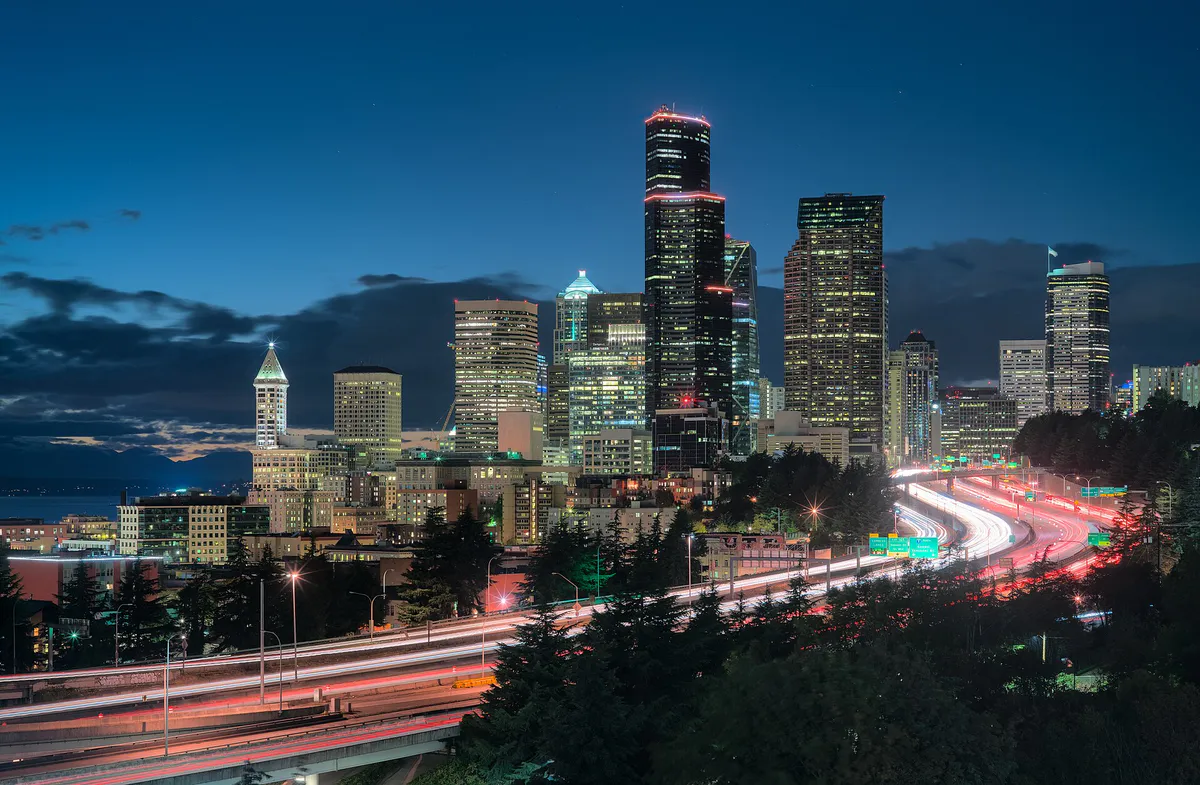
When the decision is less about what to do and more about where to eat or grab a drink, start here. These local cues narrow the food and drink decision without turning dinner or a night out into another hour of comparison.
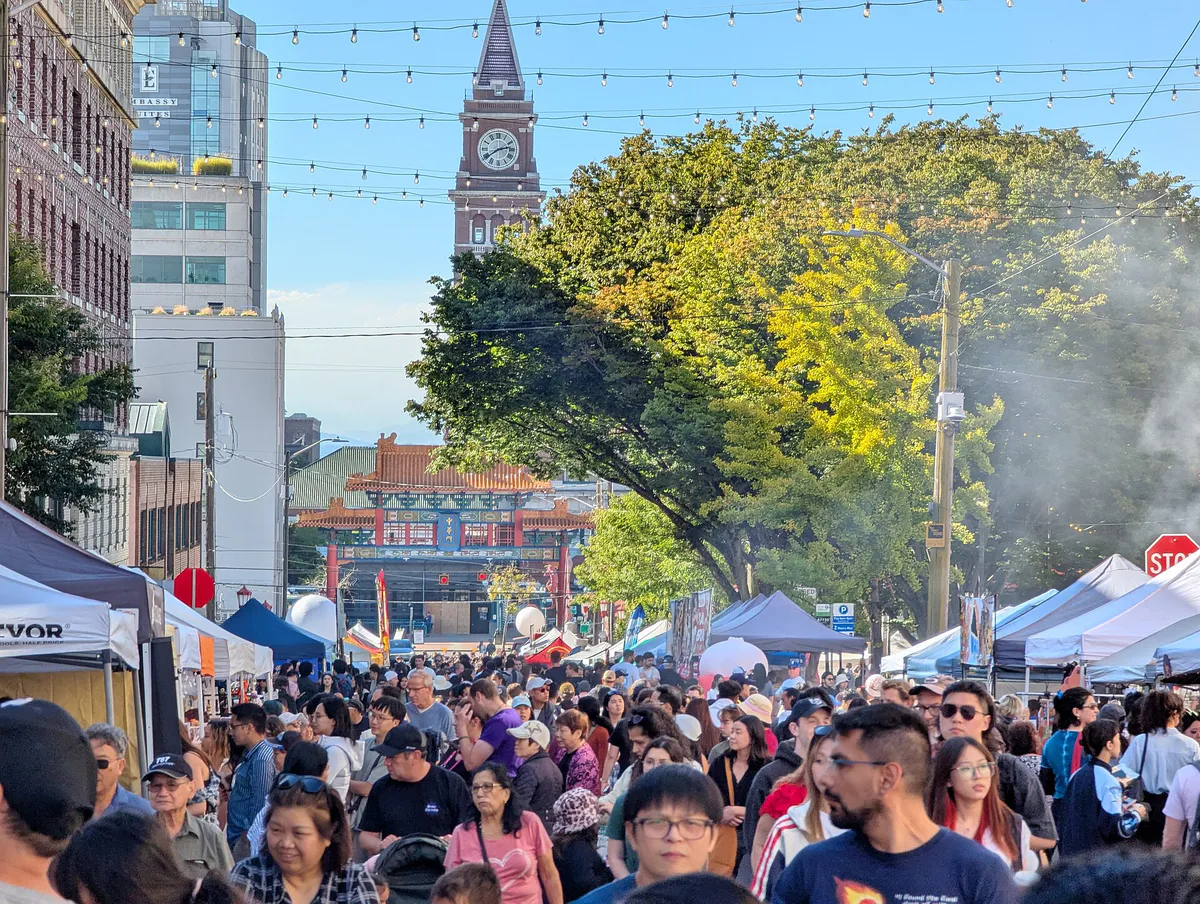
Head to Ballard's industrial craft brewery corridor, where food trucks pair with open taproom seating, or explore the Chinatown-International District for walk-up dim sum, pho, and noodle counters. In Capitol Hill, the Pike-Pine corridor offers quick-turn ramen shops, teriyaki joints, and casual small-plate counters.
Capitol Hill is the primary nightlife anchor, packed with LGBTQ+ bars, live music at Neumos, and late-night cocktail lounges. For a more relaxed evening, Belltown offers craft cocktail dens and late-night eateries, while Georgetown features industrial-chic taverns and cideries.
Still comparing options? Adventria can narrow the choice around budget, distance, vibe, and who you are with.
Decide with AdventriaPlan by situation
Start with the kind of plan you are actually trying to make. These city-specific ideas narrow the choice around who you are with, what you want to spend, the weather, and the kind of outing you want.
Board the King County Water Taxi at Pier 50 for a 15-minute ride across Elliott Bay to Seacrest Park in West Seattle. Enjoy panoramic views of the skyline at sunset, stroll along Alki Beach, and sit down for casual waterfront dinner before taking the return ferry.
Head to Seattle Center for interactive learning at the Pacific Science Center and the Artists at Play playground. Green Lake Park features flat, paved stroller loops and pedal boat rentals, while Lake Union Park offers open grass alongside historic boats and MOHAI.
Focus on large indoor cultural hubs. Visit South Lake Union to explore the Museum of History & Industry (MOHAI), head to Seattle Center for MoPOP and Chihuly Garden and Glass, or browse the 10-story architectural stacks at the central branch of the Seattle Public Library followed by reading at Elliott Bay Book Company in Capitol Hill.
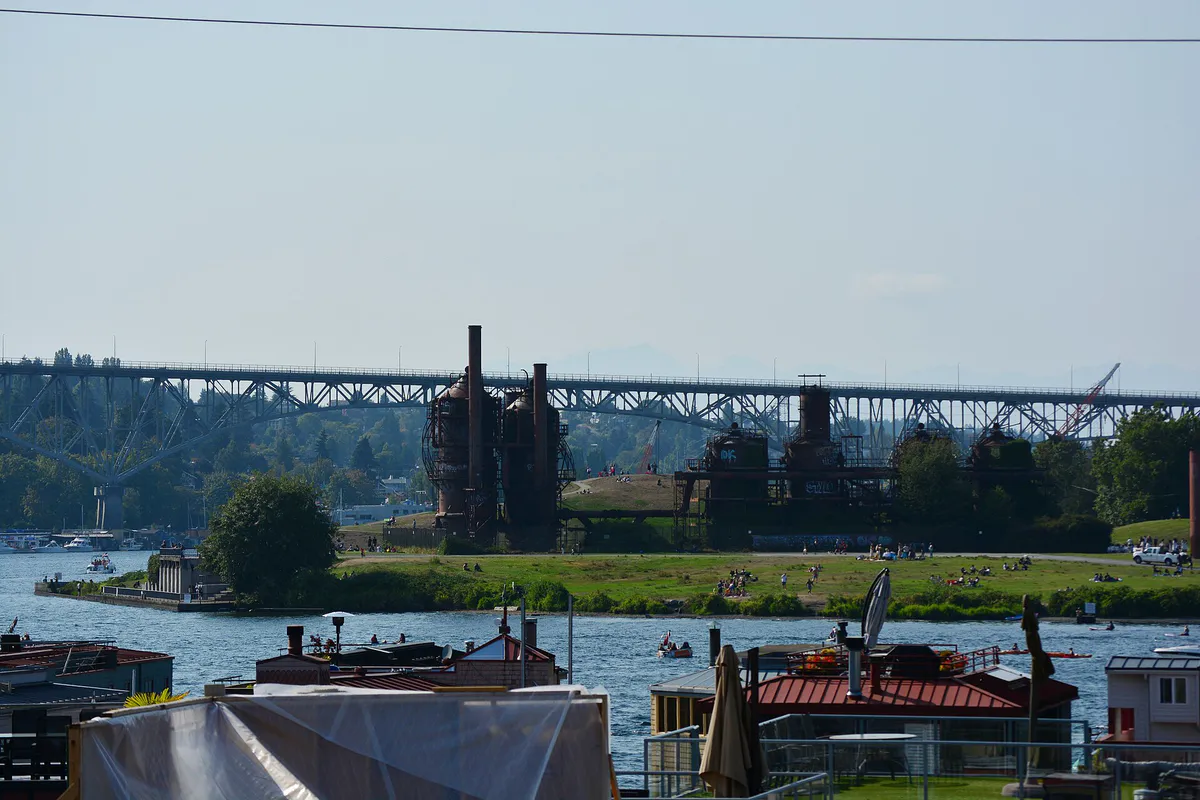
Explore Seattle's public parks: hike through coastal forests to West Point Lighthouse at Discovery Park, enjoy panoramic city views from Gas Works Park, or admire outdoor masterworks at the Olympic Sculpture Park (always free). Take advantage of Free Museum First Thursdays at participating institutions like SAM and MOHAI.
Spend a quiet afternoon exploring the University of Washington Quad and the Burke Museum, or wander through the Seattle Asian Art Museum inside Volunteer Park. Follow it up with single-origin coffee at an indie roastery in Capitol Hill or Wallingford while reading.
Ballard's craft brewery taprooms (such as Reuben's Brews or Stoup) offer spacious indoor and outdoor communal seating with food truck access. Alternatively, reserve a large table for family-style dim sum in the Chinatown-International District or gather at Alki Beach fire pits.
For an outdoor plan from Seattle, compare trails, state parks, national parks within trip range, and scenic drives. Options in the current city guide include Blake Island and Saint Edward.
Outdoors nearby
Use these nearby outdoor options when the plan calls for a trail, protected landscape, park, or drive instead of another indoor stop. Proximity here is geographic, not a promise about driving time.
Get out of town
When staying in town is not the answer, these nearby destinations give you a smaller starting set for a day trip, overnight escape, or weekend away.
Destination relationships are screened geographically. Straight-line proximity is not presented as road mileage or estimated travel time.
Local landmarks & attractions
These notable destinations offer a starting point when you want something specific to see, visit, or build into a day around Seattle. Distances are approximate from the city area.
museum in Seattle, Washington, USA
multi-purpose stadium in Seattle, Washington, USA
zoo in Seattle, Washington, United States
observation tower in Seattle, Washington, United States
public market and tourist attraction in Seattle, Washington
Ferris wheel in Seattle, Washington, U.S.
theater in Seattle, Washington, U.S.
art museum in Seattle, Washington
Notable places are selected from structured public destination data and ranked for relevance, prominence, proximity, and variety.
Local decision signals
A useful local recommendation depends on how the city actually works. These conditions affect where to go, what to do, and whether a plan makes sense right now.
Moving north-south across the Lake Washington Ship Canal relies on drawbridges (Ballard, Fremont, University, Montlake). Unscheduled vessel openings freeze road traffic for 10 to 20 minutes.
Game days at Lumen Field, T-Mobile Park (SoDo), or Climate Pledge Arena (Uptown) cause massive surge traffic on I-5, SR 99, and 1st/4th Avenues S. Light rail and Monorail become essential.
From May through October, over a million cruise passengers pass through Pier 66 and Pier 91. Rideshare rates spike and waterfront walking paths fill up during weekend morning departure windows.
One contactless ORCA card pays fares seamlessly across Sound Transit Link Light Rail, Metro buses, Monorail, Streetcars, and King County Water Taxis. Youth 18 and under ride free.
A local weather phenomenon can cause sudden, intense rain over North Seattle while Downtown and South Seattle stay dry and sunny under the Olympic mountain rain shadow.
Seattle leans early-to-bed. Outside Capitol Hill and Belltown, many restaurant kitchens close between 9:00 PM and 10:00 PM, even on weekends.
Daylight stretches past 9:00 PM during dry summer months, but drops to a 4:15 PM sunset in mid-winter, shifting evening activity dramatically indoors.
Neighborhood context
Neighborhoods are not interchangeable. Each area offers a different balance of atmosphere, transportation, food, nightlife, activities, and planning friction.
Best for: First-time visitors, iconic market browsing, and central transit connections.
Anchored by Pike Place Market, the Overlook Walk, and Elliott Bay piers. Excellent walkability along flat harbor paths, though steep vertical inclines lead up to First Hill.
Best for: Nightlife, LGBTQ+ community hubs, craft dining, and solo coffee house sessions.
A dense, highly walkable epicenter along Broadway and the Pike-Pine corridor filled with indie shops, live music venues, speakeasies, and late-night eateries.
Best for: Craft brewery hopping, Sunday farmers markets, historic street dining, and beach sunsets.
A former Scandinavian fishing village turned culinary powerhouse. Features historic Ballard Avenue, a dense brewery district, and Golden Gardens Park beaches.
Best for: Quirky public art, waterfront bike trails, casual pub dining, and skyline views.
Situated along the north bank of the Ship Canal. Home to the Fremont Troll, tech office hubs, Gas Works Park, and continuous access to the Burke-Gilman Trail.
Best for: Tech worker lunches, arena events, maritime museums, and lakeside park outings.
Modern urban tech district surrounding Lake Union Park and MOHAI, adjacent to Uptown's Seattle Center, Space Needle, MoPOP, and Climate Pledge Arena.
Best for: Authentic regional Asian culinary crawls, cultural museums, and light rail access.
Historic cultural heart combining Chinatown, Japantown, and Little Saigon. Offers diverse walk-up bakeries, dim sum halls, noodle shops, and the Wing Luke Museum.
Best for: Historic architecture, pre-game sports taverns, art galleries, and stadium access.
Seattle's historic birth district with 19th-century brick Romanesque Revival buildings, leading south into SoDo's industrial stadium corridor (Lumen Field and T-Mobile Park).
Best for: Beachfront walks, water taxi skyline rides, and relaxed neighborhood business districts.
A semi-isolated peninsula offering sweeping views of the city skyline from Alki Beach and a lively, self-contained main street along the Alaska Junction.
Explore your options
Grouping your activities by spatial proximity prevents cross-town travel friction and keeps you out of peak commute traffic.
Best for historic markets, harbor views, and easy light rail transfers.
Ideal for major cultural venues, live concerts, and iconic sights.
Perfect for craft beverage crawls, Sunday street markets, and park walks.
Focused on indie bookstores, LGBTQ+ nightlife, and late-night eats.
Practical local guidance
Use these practical public transit practices to travel efficiently across the city without relying on a rental car.
A simpler way to decide
Major stadium events in SoDo or Uptown bring heavy congestion. Follow these steps to enjoy matchday without getting stuck in gridlock.
Determine whether matches or concerts are scheduled at Lumen Field, T-Mobile Park, or Climate Pledge Arena, as simultaneous events double area traffic.
If driving from outside the city, park at an outer Link Light Rail station park-and-ride lot (such as Northgate, Angle Lake, or Tukwila).
Take the 1 Line train directly to Stadium or Chinatown-International District station, bypassing I-5 and 1st Avenue South surface traffic entirely.
Walk 5 to 10 minutes from the station to eat at historic taverns in Pioneer Square or grab casual noodle bowls and dumplings in the CID.
Walk along Occidental Avenue South or 4th Avenue South to clear security checkpoints smoothly before peak kickoff or first pitch times.
After the final whistle, walk one station past the main crowd (e.g., walk to CID Station instead of Stadium Station) to catch southbound or northbound trains easily.
Common local questions
These are common situations people face when trying to decide where to eat, what to do, where to get drinks, or how to spend their time in Seattle.
Seattle planning questions
Practical answers for people deciding where to eat, what to do, where to go, or how to make plans in Seattle.
In most cases, no. Seattle's central core is well-connected by Link Light Rail, RapidRide buses, water taxis, streetcars, and the monorail. Transit connects Sea-Tac Airport directly to Downtown in under 40 minutes. Renting a car is only recommended if you plan extensive day trips to distant mountain trailheads.
ORCA (One Regional Card for All) is a unified contactless fare payment system usable across Sound Transit, King County Metro, Washington State Ferries, streetcars, water taxis, and the Monorail. You can purchase physical cards or tap digitally via smartphone wallets.
Locals rarely use umbrellas due to coastal wind gusts and fine drizzle. Instead, wear a breathable, waterproof rain shell layered over warm clothing. Focus on indoor activities like museums, libraries, food halls, and bookstores during peak rain windows.
Seattle is traditionally an early dining city. Outside Capitol Hill and Belltown, many restaurant kitchens close between 9:00 PM and 10:00 PM, even on Friday and Saturday nights. Plan evening meals accordingly.
The Ballard, Fremont, University, and Montlake drawbridges open regularly for sailboat and commercial marine traffic. An unscheduled opening halts vehicle and bus traffic for 10 to 20 minutes. Use Link Light Rail tunnel crossings for time-sensitive north-south travel.
Walk onto the Washington State Ferry at Colman Dock (Pier 52). The crossing takes approximately 35 minutes and drops you within short walking distance of Winslow Way's shops, cafes, and restaurants on Bainbridge Island—no car required.
Yes. Many major institutions—including the Seattle Art Museum (SAM), Museum of History & Industry (MOHAI), National Nordic Museum, and Burke Museum—offer free or discounted admission on the First Thursday of every month.
Major games at Lumen Field, T-Mobile Park, or Climate Pledge Arena cause significant gridlock on I-5, SR 99, and downtown arterial streets. During event windows, rely strictly on Link Light Rail or the Monorail rather than rideshares or driving.
Source transparency
Official and locally relevant sources used to verify the practical information presented in this Seattle decision guide.
Seattle decision engine
Tell Adventria what kind of experience you want, set your practical limits, and turn the options in Seattle into one workable plan.
Choose a Seattle Plan