The Mission District
Best for
Latino heritage, burritos, craft cocktails, street art, and warm park picnics
 AdventriaLocalOpen App
Local San Francisco Planning Guide
Trying to decide what to do in San Francisco? Adventria helps you cut through the options and choose a good-enough plan without endless scrolling. San Francisco packs dramatic changes in weather, terrain, and culture into a compact seven-by-seven-mile grid. From navigating Karl the Fog on the west side to avoiding early kitchen closures in residential pockets, this guide helps you make smart decisions on where to go, eat, and explore across the city.
The local decision problem
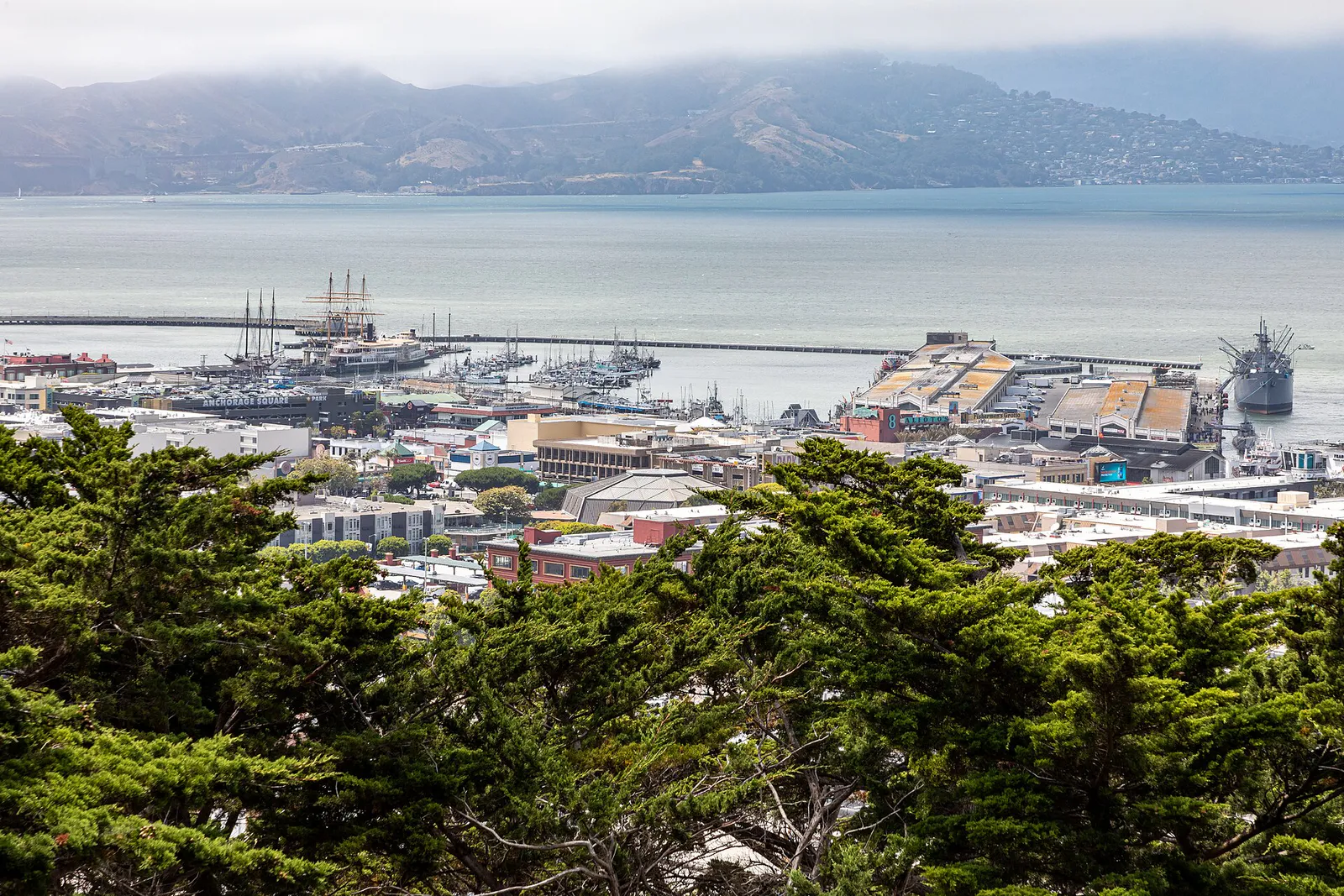
Navigating extreme microclimates, steep topographic friction, transit options, and neighborhood-specific patterns when planning activities in San Francisco.
That is where Adventria comes in. Adventria helps narrow the options in San Francisco around practical factors like location, distance, budget, vibe, who you are with, and the kind of experience you actually want, so research can turn into a decision.
Let Adventria narrow the optionsPick the right part of town
Different parts of San Francisco work for different kinds of plans. Start with the experience you want, then narrow the map.
Best for
Latino heritage, burritos, craft cocktails, street art, and warm park picnics
Best for
Historic Italian trattorias, dim sum, Beat Generation landmarks, and late-night nightlife
Best for
Boutique shopping, pedestrian greenspaces, pre-theater dining, and tech cafes
Best for
Modern art museums, waterfront baseball, mega-venues, and high-rise dining
Best for
Coastal ocean views, Golden Gate Park access, dim sum, boba, and relaxed dining
Best for
Waterfront Golden Gate Bridge views, active boutiques, and vibrant young nightlife
This is a quick starting point. The full guide covers 8 local neighborhoods and districts in San Francisco.
Eat & drink
When the decision is less about what to do and more about where to eat or grab a drink, start here. These local cues narrow the food and drink decision without turning dinner or a night out into another hour of comparison.
Head to the Mission District for fast-moving counter lines at classic taquerias along Mission Street, or drop into North Beach around Washington Square to put your name down for Neapolitan pizza while enjoying a drink at a nearby historic saloon. For daytime dining without reservations, Clement Street in the Richmond offers quick-turnover dim sum bakeries and Sichuan noodle shops.
Focus on North Beach, where historic venues line Columbus and Green streets offering live blues, jazz clubs, and late-night kitchens running past midnight. In the Mission, Valencia and 16th streets offer high concentrations of craft cocktail lounges and neighborhood bars.
Still comparing options? Adventria can narrow the choice around budget, distance, vibe, and who you are with.
Decide with AdventriaPlan by situation
Start with the kind of plan you are actually trying to make. These city-specific ideas narrow the choice around who you are with, what you want to spend, the weather, and the kind of outing you want.
Start with a late afternoon stroll up the 16th Avenue Tiled Steps in the Sunset to catch panoramic sunset views from Grandview Park. Afterward, descend to Inner Sunset for hot cider or tea, or take a scenic coastal walk along the Presidio Tunnel Tops before grabbing drinks in Hayes Valley.
Stick to car-free, flat corridors like Golden Gate Park's JFK Promenade or Presidio Tunnel Tops, where children can play on expansive lawns with Golden Gate Bridge backdrops. For hands-on learning, the California Academy of Sciences in Golden Gate Park and the Exploratorium at Pier 15 offer flat, stroller-accessible indoor exhibits.
When Karl the Fog rolls across the west side, retreat to SFMOMA in SoMa to explore seven indoor floors of modern art and warming cafes. Alternatively, visit the Japantown Kinokuniya Malls to browse multi-level indoor complexes filled with ramen shops and bookstores, or experience tropical heat inside the Tonga Room at the Fairmont Hotel on Nob Hill.
Take advantage of free local museum days (such as Saturday free admission for Bay Area residents at the de Young and Legion of Honor), play vintage coin-op arcade games at the free-entry Musée Mécanique at Pier 45, or take self-guided mural walks down Clarion and Balmy Alleys in the Mission.
San Francisco is exceptionally solo-friendly. Grab a counter seat for single-seat dining in Hayes Valley or North Beach, spend hours browsing independent titles at City Lights Books, or rent an e-bike from Bay Wheels to ride along the car-free JFK Promenade in Golden Gate Park.
For large gatherings without venue constraints, head to Spark Social SF in Mission Bay for a food truck park with fire pits, or Radhaus at Fort Mason for communal beer hall seating with waterfront views. Mission Dolores Park is also ideal for casual outdoor group picnicking on sunny afternoons.
For an outdoor plan from San Francisco, compare trails, state parks, national parks within trip range, and scenic drives. Options in the current city guide include Mount Tamalpais State Park and Samuel P. Taylor State Park.
Outdoors nearby
Use these nearby outdoor options when the plan calls for a trail, protected landscape, park, or drive instead of another indoor stop. Proximity here is geographic, not a promise about driving time.
Get out of town
When staying in town is not the answer, these nearby destinations give you a smaller starting set for a day trip, overnight escape, or weekend away.
Destination relationships are screened geographically. Straight-line proximity is not presented as road mileage or estimated travel time.
Local landmarks & attractions
These notable destinations offer a starting point when you want something specific to see, visit, or build into a day around San Francisco. Distances are approximate from the city area.
zoo in San Francisco
museum in San Francisco, California
lighthouse in California, United States
non-profit organization in the USA
non-profit organization in the USA
Movie theater in San Francisco, California, US
memorial in San Francisco, California, United States of America
park in San Francisco, California, United States
Notable places are selected from structured public destination data and ranked for relevance, prominence, proximity, and variety.
Local decision signals
A useful local recommendation depends on how the city actually works. These conditions affect where to go, what to do, and whether a plan makes sense right now.
The central ridgeline anchored by Twin Peaks splits SF into two climate zones. Outer Sunset and Richmond stay cool and foggy, while the Mission, SoMa, and Dogpatch get abundant sunshine and temperatures up to 15°F warmer.
A 4-block walk uphill across Nob Hill or Russian Hill requires vastly more effort than 12 flat blocks along Valencia Street or the Embarcadero. Factor vertical contours into walking itineraries.
Residential dining hubs like Hayes Valley, Inner Sunset, and Noe Valley often close kitchens between 9:00 PM and 10:00 PM. Target North Beach or late-night Mission corridors after 9 PM.
Curbing front wheels toward the curb facing downhill or away facing uphill is legally mandated on grades over 3%. Street sweeping schedules are strictly enforced with immediate citations.
Muni, BART, Caltrain, and ferries all accept digital Clipper cards in mobile wallets. Tap & Ride also works directly at BART fare gates using contactless cards.
JFK Promenade in Golden Gate Park and main corridors in the Presidio are permanently pedestrian-only, making them ideal spaces for strollers, biking, and walking.
Rapid drops in temperature occur at sunset or when fog rolls through the Golden Gate Strait. A windbreaker or light thermal layer is necessary daily regardless of warm morning sun.
Neighborhood context
Neighborhoods are not interchangeable. Each area offers a different balance of atmosphere, transportation, food, nightlife, activities, and planning friction.
Best for: Latino heritage, burritos, craft cocktails, street art, and warm park picnics
Located in the sunny eastern flatlands, home to historic taquerias along Mission Street, upscale dining on Valencia, Clarion and Balmy Alleys, and Mission Dolores Park.
Best for: Historic Italian trattorias, dim sum, Beat Generation landmarks, and late-night nightlife
A densely historic pair of adjacent neighborhoods featuring espresso cafes, Neapolitan pizza, historic saloons, vibrant dim sum markets, and Washington Square Park.
Best for: Boutique shopping, pedestrian greenspaces, pre-theater dining, and tech cafes
Centered along Patricia's Green, offering independent designer shops, outdoor wine bars, trendy bistros, and easy walking distance to the Civic Center performing arts complex.
Best for: Modern art museums, waterfront baseball, mega-venues, and high-rise dining
Sprawling south of Market Street, housing SFMOMA, Oracle Park, tech hubs, expansive nightlife clubs, and Yerba Buena Gardens.
Best for: Coastal ocean views, Golden Gate Park access, dim sum, boba, and relaxed dining
Grid-patterned neighborhoods flanking Golden Gate Park with heavy Asian dining influences on Clement and Irving streets, leading west to fog-swept Ocean Beach.
Best for: Waterfront Golden Gate Bridge views, active boutiques, and vibrant young nightlife
Flat, sunnier northern bayfront districts featuring art deco apartments, active outdoor crowds, boutique shopping on Union and Chestnut, and access to Crissy Field.
Best for: National park trails, tunnel top vistas, historic architecture, and coastal bluffs
A 1,500-acre national park site with sprawling public lawns, view corridors, coastal bluff trails, and quiet residential estates facing the Pacific Ocean.
Best for: Historic LGBTQ+ nightlife, neighborhood pride, quiet family corridors, and sunny hills
The Castro serves as a global capital for LGBTQ+ culture and vibrant nightlife, while neighboring Noe Valley offers family-focused cafes, bakeries, and quiet 24th Street shopping.
San Francisco local guide
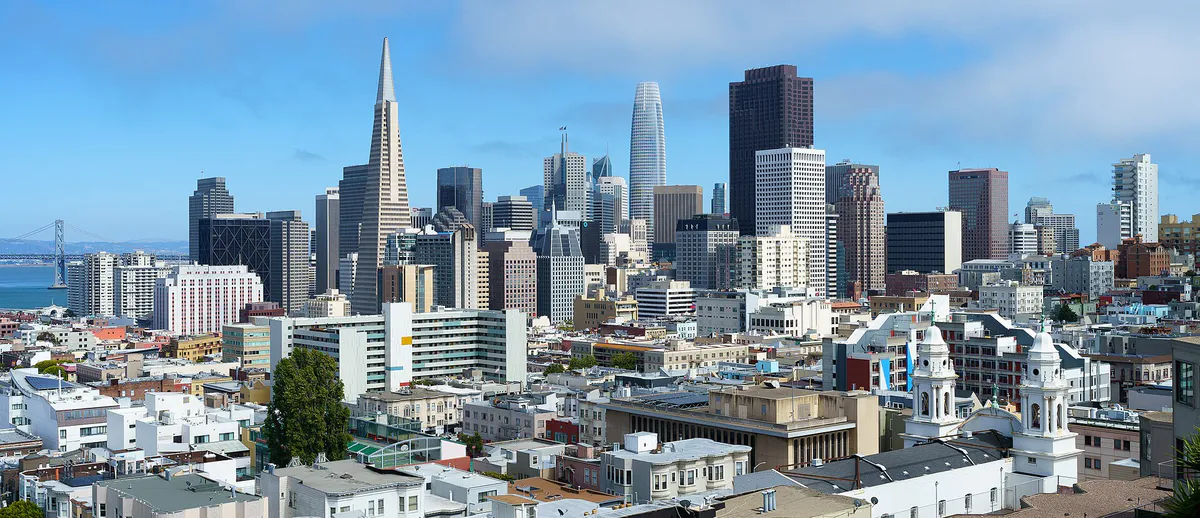
San Francisco's seven-by-seven-mile geography presents unique planning dynamics influenced by sharp elevation changes and drastic microclimates. The city's central ridgeline—anchored by Twin Peaks, Mount Sutro, and Mount Davidson—acts as a natural wall against Pacific marine air. As a result, neighborhoods west of the ridge, such as Outer Sunset and Richmond, frequently experience dense summer fog and cool breezes, while eastern districts like the Mission, SoMa, and Potrero Hill enjoy abundant sun and noticeably higher temperatures.
Understanding this topographic split prevents common visitor pitfalls, such as packing only summer attire for a July afternoon at Ocean Beach or attempting steep vertical climbs on foot without checking contours. Utilizing public transit, such as Muni light rail or cable cars for steep hills, allows you to navigate the terrain efficiently while enjoying sweeping views across San Francisco Bay.
Explore your options
Select a base district that matches your preferred atmosphere, weather, and activity needs.
Best for sunny weather, high-energy dining, vibrant street art, and craft nightlife.
Best for classic architecture, grand vistas, historic saloons, and late-night dining.
Best for outdoor recreation, ocean breezes, car-free parkways, and Asian cuisine.
Practical local guidance
Avoid common travel delays, parking fines, and timing mishaps by following these key local guidelines:
A simpler way to decide
Follow these practical steps to structure a smooth, high-yield day across the city:
Determine whether the west side (Golden Gate Park, Ocean Beach) is shrouded in marine layer. If foggy, start your morning on the sunnier east side along the Embarcadero or in the Mission.
Add a Clipper card to your smartphone mobile wallet. This eliminates waiting at ticket kiosks and grants instant access to Muni buses, light rail, BART, and ferries.
Spend your morning exploring flat, walkable neighborhoods like the Ferry Building Marketplace, Valencia Street in the Mission, or the car-free JFK Promenade in Golden Gate Park.
When transitioning between hilltop sights (like Nob Hill, Russian Hill, or Coit Tower), board a cable car or Muni trolleybus to save energy and time.
For evening plans past 9:00 PM, head directly to North Beach or the Mission where late-night kitchens, jazz lounges, and historic bars remain open.
Common local questions
These are common situations people face when trying to decide where to eat, what to do, where to get drinks, or how to spend their time in San Francisco.
San Francisco planning questions
Practical answers for people deciding where to eat, what to do, where to go, or how to make plans in San Francisco.
SFMTA Muni operates an extensive network of buses, trolleybuses, and Muni Metro light rail lines across the city. For regional connections or traversing Market Street quickly, BART provides fast underground heavy rail. Digital Clipper cards in smartphone wallets work seamlessly across all transit systems.
San Francisco's summer ocean currents create a strong marine layer (often called 'Karl the Fog') that gets pulled inland through the Golden Gate Strait by inland valley heat. June, July, and August frequently feature cool, damp, and windy days, making September and October the warmest months of the year.
The city's central hills divide San Francisco into distinct weather zones. Neighborhoods west of Twin Peaks (Richmond, Sunset) receive direct ocean fog and cooler breezes, while neighborhoods east of the hills (Mission, SoMa, Potrero Hill) are sheltered and stay up to 15°F warmer and sunnier.
When parking on hills with grades exceeding 3%, state law requires turning your front wheels toward the curb facing downhill, or away from the curb facing uphill. Pay attention to curb color coding (red = no parking, white = 5-min passenger loading, yellow = commercial loading, blue = disabled) and check posted street sweeping signs.
North Beach is the premier district for late-night food, featuring trattorias, pizza windows, and saloons serving food past midnight. Late-night taquerias along Mission Street and 16th Street in the Mission District also stay open late.
Single cable car rides require a specific single-ride ticket ($8), but unlimited cable car rides are included in SFMTA 1-Day, 3-Day, and 7-Day Visitor Passports, making passports the most economical option for frequent riding.
Layered clothing is essential year-round. Bring comfortable walking shoes for hilly streets, a warm sweater or fleece, and a light windbreaker jacket to manage temperature shifts between sunny and foggy neighborhoods.
Enjoy sweeping bay views from Presidio Tunnel Tops, walk the car-free JFK Promenade in Golden Gate Park, explore playable antique arcade games at Musée Mécanique (free entry), admire street murals in Clarion and Balmy Alleys, and walk across the Golden Gate Bridge.
San Francisco is extremely walkable within specific flat corridors (such as Valencia Street, the Embarcadero, or Chestnut Street), but steep hills like Nob Hill, Russian Hill, and Filbert Street present intense vertical gradients. Planning routes along contours or taking public transit for climbs makes walking enjoyable.
September and October represent San Francisco's 'Indian Summer', consistently offering the warmest, sunniest days of the year with average highs in the 70s°F and minimal fog.
Source transparency
Official and locally relevant sources used to verify the practical information presented in this San Francisco decision guide.
San Francisco decision engine
Tell Adventria what kind of experience you want, set your practical limits, and turn the options in San Francisco into one workable plan.
Choose a San Francisco Plan